

Atta bisphaerica
- Scientific Name
- Atta bisphaerica
- Tribe
- Attini
- Subfamily
- Myrmicinae
- Author
- Forel, 1908
- Distribution
- Found in 1 countries
Atta bisphaerica Overview
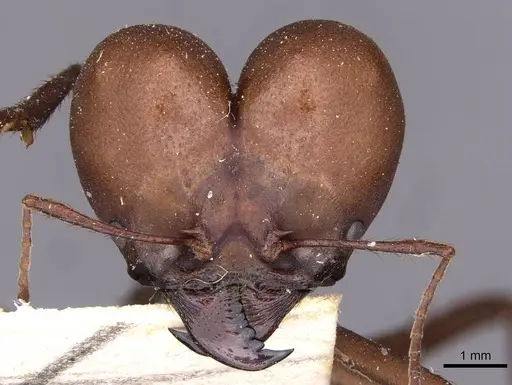
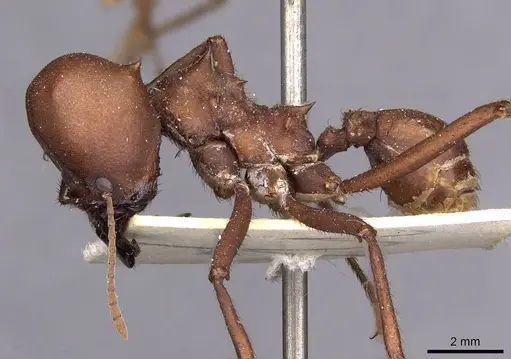
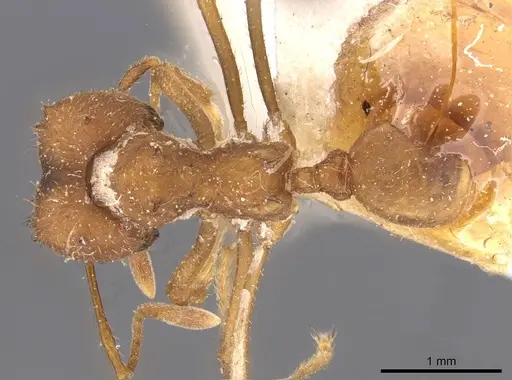
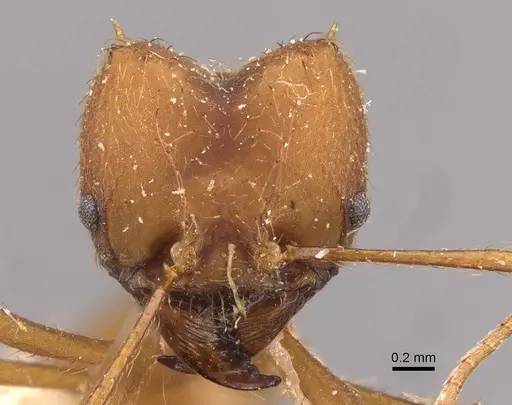
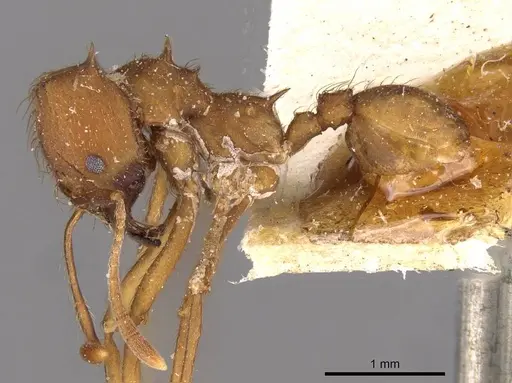
Atta bisphaerica is an ant species of the genus Atta. It is primarily documented in 1 countries , including Brazil. Detailed taxonomic data and occurrence records can be further explored via authoritative databases such as AntWeb or the Global Biodiversity Information Facility (GBIF).
Atta bisphaerica
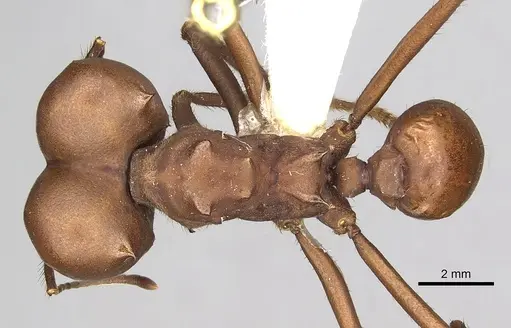
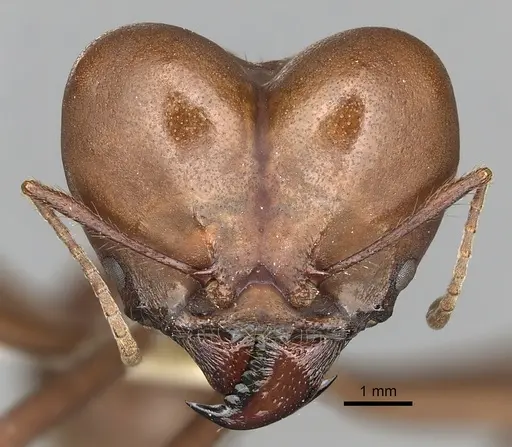
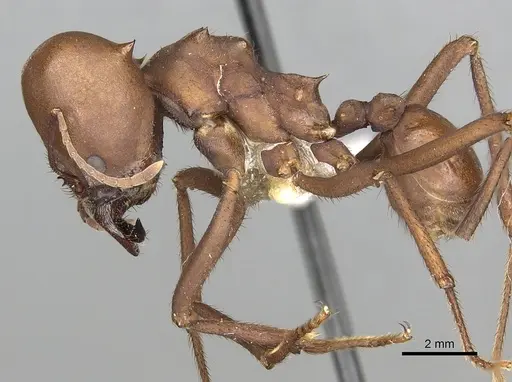
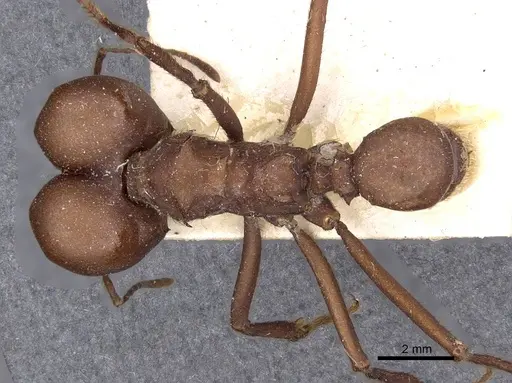
Atta bisphaerica is a large fungus-growing ant native to Brazil, commonly called the grass-cutting ant or "saúva mata-pasto." Queens reach approximately 25 mm in length, while workers range from tiny 3 mm minors to 15 mm soldiers [1]. They inhabit the Brazilian Cerrado savanna and Atlantic Forest regions, building distinctive nests in open pastures and sunny areas across São Paulo, Minas Gerais, Rio de Janeiro, and Goiás [2][3]. Unlike their famous leaf-cutting relatives, these ants are strict grass specialists, cutting monocots like sugarcane, corn, and pasture grasses rather than broad leaves [4][5].
What makes Atta bisphaerica unique among Atta species is their specialized diet and nest architecture. They construct vast underground networks containing up to thousands of spherical fungus chambers arranged beneath a single flat mound of loose soil, reaching depths of 2.5 meters but spreading extensively sideways [6][7][8]. Their fungus gardens have a distinctive particulate, brittle texture with visible grass fragments and require precise conditions to thrive: stable temperatures around 25°C and high humidity [9][10]. In nature, they forage almost exclusively at night, with activity peaking between 15-20°C, and they maintain complex trail systems radiating from the nest to harvest grasses [11][7].
Quick Summary
- Difficulty: Expert
- Origin & Habitat: Brazil (São Paulo, Minas Gerais, Rio de Janeiro, Goiás, Espírito Santo, Mato Grosso), specifically the Cerrado savanna and open pasturelands in sunny, well-drained areas [2][3][12].
- Colony Type: Single-queen colonies (monogyne) with highly polymorphic worker castes ranging from tiny minors to large soldiers [1].
- Colony: Monogyne
- Founding: Claustral
- Size & Growth:
- Queen: Approximately 25 mm [1].
- Worker: Highly polymorphic: minors approximately 3 mm, foragers approximately 10 mm, soldiers approximately 15 mm [1].
- Colony: Up to several million workers with nests containing thousands of chambers [13][8].
- Growth: Slow to Moderate, founding takes 80-100 days before first workers emerge, but colonies can grow large over several years [14][15].
- Development: 10-14 weeks (estimated from 80-100 day claustral founding period) [14]. (Queens seal themselves in for 80-100 days during founding, raising the first workers alone on stored body reserves [14].)
- Antkeeping:
- Temperature: Maintain around 20-25°C for the nest area. Activity peaks at 15-20°C in nature, but fungus gardens need stable warmth around 25°C [7][11][10].
- Humidity: High humidity essential for fungus garden health. Keep substrate moist but not waterlogged, the fungus garden should feel damp and maintain pH around 6.3 [9][10].
- Diapause: No, this is a tropical species active year-round without winter rest [11].
- Nesting: Requires very large formicarium with deep substrate and multiple spherical chambers to accommodate extensive fungus gardens. Natural nests reach 2.5 m deep with hundreds of chambers [6][7].
- Behavior: Nocturnal foragers that cut grasses and transport them along well-defined trail systems [11][16]. Moderately aggressive, soldiers will bite when disturbed but are less aggressive than Atta sexdens [2]. Workers show organized trail use with loaded and unloaded workers occupying different lanes [16].
- Common Issues: fungus garden collapse from feeding incorrect plant material, they require fresh grasses, not dicot leaves or citrus [4][5]., massive space requirements, colonies need room for hundreds of fungus chambers as they grow [7][8]., extremely high founding mortality, over 90% of queens die during the founding stage in nature [15][18]., susceptibility to phorid fly parasitoids that attack foraging workers [19]., difficulty accepting artificial diets or baits compared to other leaf-cutters [4].
Natural Nest Architecture and Captive Housing
In nature, Atta bisphaerica builds distinctive nests with a single flat or slightly raised mound of loose soil, unlike the tall chimneys of other Atta species [7][2]. The internal structure consists of hundreds to thousands of spherical chambers arranged in clusters, located between 15 cm and 2.5 m deep, with most chambers concentrated in the upper meter [6][7]. Chambers range from small (8 cm diameter) to large (over 50 cm), connected by tunnels approximately 2 cm high and 2-3 cm wide [6].
For captive keeping, this architecture presents significant challenges. You must provide extensive vertical space with multiple chambers to accommodate the fungus garden as it grows. A setup with deep, spherical chambers connected by narrow tunnels works best, think large Y-tong or plaster nests with removable sections for monitoring. The nest must maintain high humidity (damp substrate) while allowing some ventilation to prevent CO2 buildup, as natural nests have passive ventilation through the mound structure [17]. Because colonies can eventually occupy thousands of chambers, you will need to expand the setup significantly as the colony grows, potentially requiring multiple interconnected formicaria for mature colonies.
The Fungus Garden and Diet
Atta bisphaerica is a strict grass-cutter (monocot specialist), which fundamentally differentiates their care from other leaf-cutters. They forage on grasses like jaraguá grass (Hyparrhenia rufa), sugarcane, corn, and rice, and will refuse many dicot leaves including citrus pulp that other Atta species accept [4][5]. Their fungus gardens have a distinctive particulate, brittle appearance with visible grass fragments 4-7 mm long, rather than the mashed leaf paste seen in other species [9][10].
The fungus garden requires precise conditions: temperature stable at 24-25°C, pH around 6.3,and high humidity [9][10]. The ants maintain a biphasic garden structure, a peripheral sector with fresh green fragments where rapid growth occurs, and a core sector with older, pale yellow material [10]. You must provide fresh grass clippings daily, preferably from pasture grasses or cereals. Avoid woody plants or broad leaves. The garden produces sugars (glucose, xylose) and polyols (mannitol, sorbitol) that the ants consume [9][10]. Never let the garden dry out or overheat, as this kills the symbiotic fungus and dooms the colony.
Temperature and Environmental Needs
These ants prefer moderate temperatures despite living in tropical Brazil. In nature, foraging activity peaks at 15-20°C, and they remain active in cooler weather when other Atta species stop working [7][11][2]. However, the fungus garden itself needs warmth around 24-25°C to thrive [10].
In captivity, maintain the nest area at 20-25°C with a gentle gradient, slightly cooler near the foraging area (18-22°C) and warmer in the fungus chambers (24-25°C). Use a heating cable on one side of the nest, positioned on top to avoid drying out the substrate from below. Avoid temperatures above 30°C, which can stress the fungus. Humidity should remain high (damp substrate) year-round, as they do not experience dry seasons in their native habitat and show no diapause [11].
Colony Founding and Early Development
Founding Atta bisphaerica is extremely challenging. After the nuptial flight, queens seal themselves in a small chamber 8-9 cm deep and remain claustral (enclosed) for 80-100 days, living entirely on stored body fat while raising the first workers and establishing the fungus garden [14][15]. During this period, mortality is catastrophic, over 90% of queens die in nature, with survival rates as low as 0.09% to 0.2% [15][18].
If you obtain a founding queen, provide a small, dark chamber with moist soil or plaster at 24-25°C. Do not disturb her for at least three months. She will need fresh grass fragments to inoculate with fungus carried from her parent colony in her infrabuccal pocket [13]. First workers (nanitics) emerge after approximately 10-14 weeks, smaller than subsequent workers. The colony remains fragile for the first year, with high mortality rates continuing until the colony reaches several hundred workers [15].
Behavior and Foraging Patterns
Atta bisphaerica forages almost exclusively at night, starting at dusk with peak activity between 23:00 and midnight during dry months, though they may shift to earlier evening activity (18:00-19:00) in wet seasons [11]. They form extensive trail systems radiating from the nest, typically 0.5-20 meters long and 3-6 cm wide, with loaded workers and outbound workers using different lanes to avoid collisions [16][7].
Workers cut grass fragments averaging 33 mm long and weighing about 15 mg, carrying them back to the nest [2]. They are less selective about load size than other leaf-cutters, maximizing energy return rate rather than individual load efficiency [4]. Soldiers defend the nest aggressively when disturbed, producing audible stridulation (chirping sounds) when confined [2]. Watch for phorid flies (Apocephalus attophilus, Myrmosicarius grandicornis, Neodohrniphora bragancai) which parasitize foraging workers by laying eggs in their heads or abdomens [19].
Frequently Asked Questions
Can I keep Atta bisphaerica in a test tube?
No. Unlike smaller ant species, Atta bisphaerica requires immediate access to a fungus garden setup from the founding stage. Queens need soil or substrate to excavate a founding chamber and begin fungus cultivation. A test tube setup cannot accommodate the fungus garden or the 80-100 day founding period.
What do Atta bisphaerica eat?
They are strict grass-cutters (monocot specialists). Feed fresh grasses such as jaraguá grass, sugarcane leaves, corn leaves, rice plants, or pasture grasses. They will not accept most dicot leaves (like tree leaves) and specifically refuse citrus pulp that other leaf-cutter ants accept [4][5].
How long until Atta bisphaerica gets their first workers?
Approximately 10-14 weeks (80-100 days). The queen remains sealed in her founding chamber alone during this claustral period, raising the first workers on stored body fat and fungus she brought from her parent colony [14].
Do Atta bisphaerica need hibernation?
No. As a tropical species from Brazil, they remain active year-round and do not require diapause or winter rest. Maintain stable temperatures around 20-25°C throughout the year [11].
How big do Atta bisphaerica colonies get?
Very large, up to several million workers with nests containing thousands of spherical chambers extending 2.5 meters deep and covering large surface areas [13][8]. This massive size makes them suitable only for experienced keepers with extensive space.
Are Atta bisphaerica dangerous?
They can bite but are less aggressive than Atta sexdens. Soldiers have powerful mandibles capable of drawing blood if handled carelessly, but they do not possess a functional stinger. They will defend their fungus garden vigorously if disturbed [2].
Can I keep multiple Atta bisphaerica queens together?
No. Atta bisphaerica is monogyne (single-queen). Colonies contain only one queen, and multiple queens will fight until only one survives or all die. Do not attempt to combine founding queens [13].
Why is my Atta bisphaerica fungus garden dying?
Common causes include: wrong food (they need grasses, not leaves or fruit), incorrect temperature (keep around 24-25°C), low humidity (substrate too dry), or contamination. The fungus is sensitive and requires fresh grass fragments daily and stable conditions [9][10].
Can I feed Atta bisphaerica leaves instead of grass?
No. Unlike other Atta species, they specialize in monocots (grasses) and may reject dicot leaves entirely. In studies, they refused citrus pulp baits that other leaf-cutters accepted, preferring jaraguá grass and sugarcane [4].
What temperature do Atta bisphaerica need?
Maintain the nest around 20-25°C. While they forage actively at 15-20°C in nature, the fungus garden thrives best at 24-25°C. Avoid temperatures above 30°C [7][11][10].
References

This caresheet is licensed under CC BY-SA 4.0 .
Literature
Loading...Loading products...