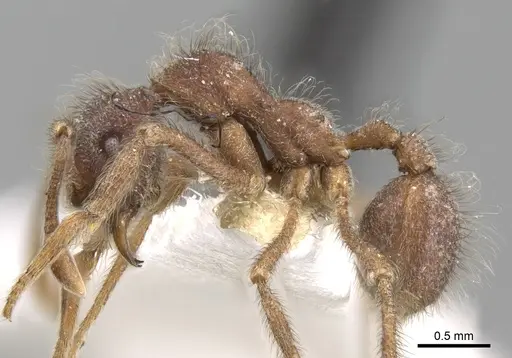
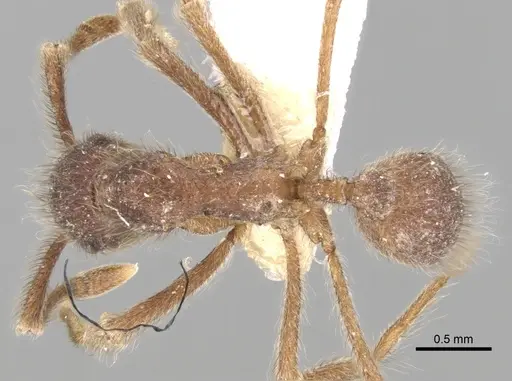
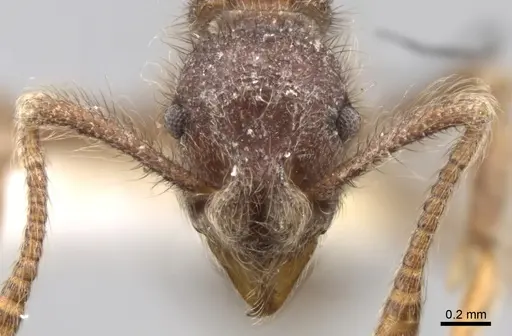
Apterostigma madidiense - "Madidi Fungus Ant"
Apterostigma madidiense is a fascinating species of fungus-growing ant belonging to the Myrmicinae subfamily. These ants are well-known for their unique symbiotic relationship with a specific type of fungus, which they cultivate as their primary food source. Unlike some of the larger, more aggressive leafcutter ants, Apterostigma madidiense colonies are typically much smaller and more inconspicuous. They are native to the Neotropics and are recognized by their intricate nest structures, often built within dead wood or on the underside of leaves. Workers are relatively small, and their appearance is adapted for navigating and maintaining their delicate fungus gardens.
- Difficulty: Medium
- Origin & Habitat: South America (specifically Bolivia, Argentina, Paraguay, and Peru) in Tropical forests, often found nesting hypogaeically (underground) or arboreally (in trees/dead wood).
- Colony Type: Monogyne, claustral founding.
- Size & Growth:
- Queen: Not specified
- Worker: Not specified
- Colony: Small (tens to hundreds, typically 27-155 individuals). Slow growth.
- Antkeeping:
- Temperature: Maintain a stable temperature between 22-26°C (72-79°F). Consistency is key for their fungus garden..
- Humidity: High humidity, ideally 80-95%, is crucial for the health and growth of their fungus. This can be achieved through a hydrated substrate and proper ventilation to prevent mold..
- Diapause: Not required. Not specified at Not specified.
- Nesting: Prefers naturalistic setups that allow for fungus garden growth. Plaster, Ytong, or naturalistic setups with a suitable substrate for fungus cultivation are ideal. Good ventilation is necessary..
- Behavior: Low (towards handler) aggressiveness.
- Common Issues: Fungus garden collapse due to improper humidity/temperature, Mold contamination in the fungus garden, Introduction of harmful bacteria/fungi through substrate, Colony stalling if fungus isn't thriving, Mites, particularly if substrate is not sterilized.
Keeping Apterostigma madidiense successfully revolves around their fungus garden. This is not just their food source; it's an extension of the colony itself. Maintaining precise humidity and temperature levels is paramount. Fluctuations can quickly lead to the fungus dying, which, in turn, will cause the colony to perish. Many experienced keepers utilize setups with dedicated fungus chambers that allow for very stable conditions.
Their diet is entirely dependent on the fungus they cultivate. This means you won't be feeding them typical insect proteins or sugar water. Instead, you'll need to provide suitable substrate materials for their fungus to grow on. This typically includes bits of dried leaves, dead wood, and even insect frass. It's a delicate balance to ensure the fungus receives the correct nutrients without introducing harmful molds or bacteria.
Ventilation is another critical factor. While high humidity is necessary, stagnant air can lead to mold overgrowth, which is detrimental to the fungus garden and the ants themselves. A good nest setup will incorporate some form of airflow while still maintaining the high humidity levels these ants require. This might involve small mesh openings or a design that encourages gentle air circulation.
Observing the fungus garden is as important as observing the ants themselves. A healthy fungus garden will appear fluffy and white, expanding steadily. Any discoloration, shrinking, or signs of unwanted mold are red flags that require immediate attention. Experienced keepers often develop an eye for the subtle cues that indicate the health of the fungus.
Due to their specialized care requirements, Apterostigma madidiense are generally recommended for antkeepers who have some prior experience with more common species and are ready to take on a more intricate challenge. Researching and understanding the specifics of fungus-growing ant care before acquiring a colony is highly advisable.
Frequently Asked Questions
What do Apterostigma madidiense eat?
These ants are obligate fungivores, meaning they exclusively eat the specialized fungus they cultivate. You don't feed the ants directly; you provide organic substrate for their fungus to grow on.
How big do Apterostigma madidiense colonies get?
Apterostigma madidiense colonies are relatively small compared to other fungus growers, typically housing between 27 and 155 individuals. They won't reach the supercolony sizes of leafcutters.
What kind of nest is best for Apterostigma madidiense?
A nest that allows for a dedicated, stable fungus chamber is ideal. Plaster nests, Ytong setups, or naturalistic setups with proper substrate and ventilation work well. The key is consistent humidity and temperature for the fungus.
Do Apterostigma madidiense need heating?
Yes, maintaining a consistent temperature between 22-26°C (72-79°F) is crucial for their fungus garden. A heat mat with a thermostat can be very helpful.
How do I maintain humidity for their fungus garden?
High humidity (80-95%) is vital. This can be achieved by keeping the substrate consistently moist but not waterlogged, and ensuring the nest design promotes humidity retention. Good ventilation prevents stagnant air.
Can I keep Apterostigma madidiense with other ant species?
No, it is highly discouraged. Keeping different ant species together can lead to stress, disease transmission, and fighting, ultimately resulting in the demise of your colony.
What if my fungus garden starts to mold?
Mold is a serious issue. It often indicates too much moisture, poor ventilation, or contaminated substrate. Immediately remove affected portions if possible, increase ventilation, and check your humidity levels. Prevention is key through sterile substrate and proper environmental controls.
Do Apterostigma madidiense sting or bite?
They possess a sting, but their aggressiveness towards handlers is low. They are more likely to flee than to sting, and their sting is not considered medically significant to humans.
What kind of substrate do I provide for the fungus?
The fungus of Apterostigma madidiense can grow on dead vegetation, small pieces of wood, and sometimes even insect remains. It's essential that these materials are clean and free from harmful pathogens.
Are Apterostigma madidiense good for beginner ant keepers?
Generally, no. Their reliance on a delicate fungus garden and precise environmental controls makes them a challenging species. They are better suited for intermediate to advanced ant keepers.
Do they have different castes like soldiers?
Apterostigma madidiense typically only have one worker caste. They do not exhibit the distinct soldier or super major castes seen in some larger ant species.
How do I set up an outworld for them?
An outworld should be relatively simple, providing foraging space for them to collect substrate for their fungus. Keep it clean and provide some natural elements like small twigs or leaf litter. Ensure it's escape-proof.
Do they require a diapause (hibernation)?
No, as a tropical species, Apterostigma madidiense do not require a diapause period. They thrive in consistent, warm conditions year-round.
How do queens found new colonies?
Queens are claustral, meaning they seal themselves in a chamber and use their stored fat reserves to raise their first brood and establish the initial fungus garden. They do not forage during this period.