

Apterostigma urichii
- Scientific Name
- Apterostigma urichii
- Tribe
- Attini
- Subfamily
- Myrmicinae
- Author
- Forel, 1893
- Distribution
- Found in 6 countries
Apterostigma urichii Overview
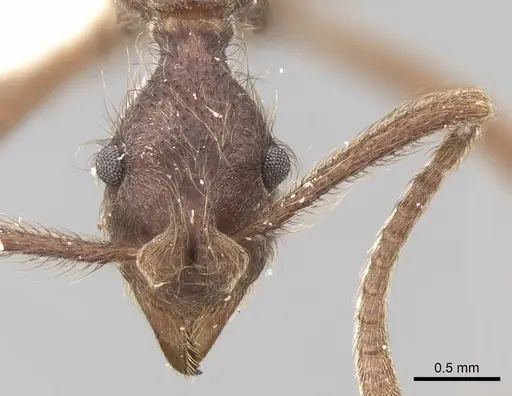
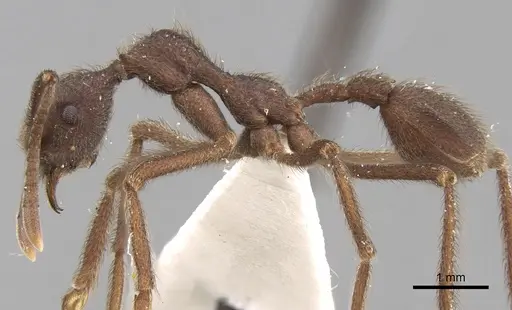
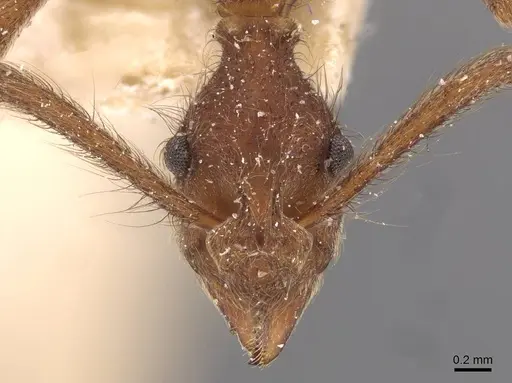
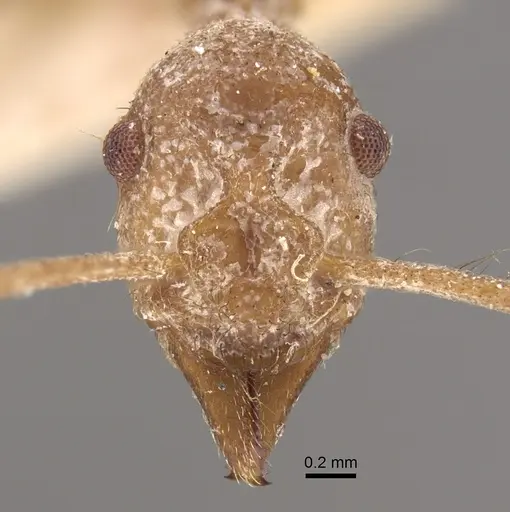
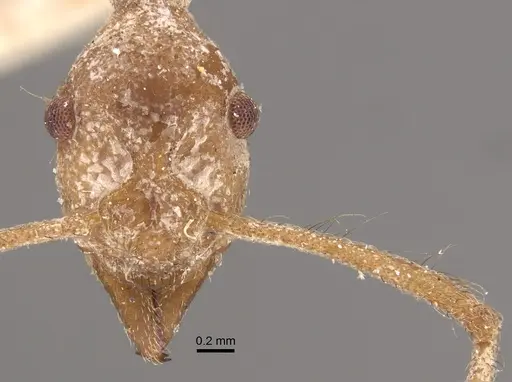
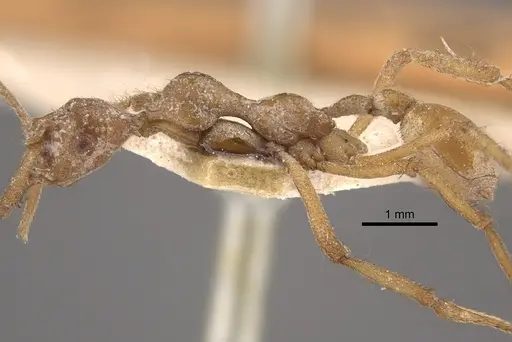
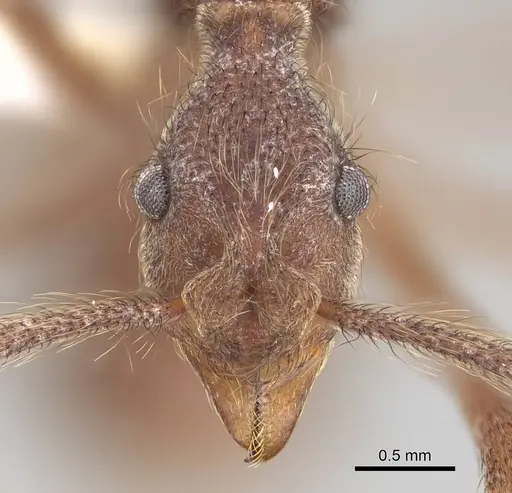
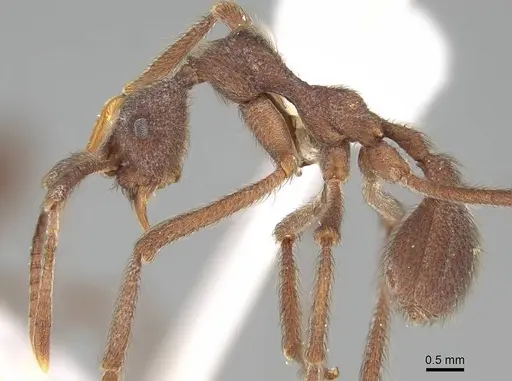
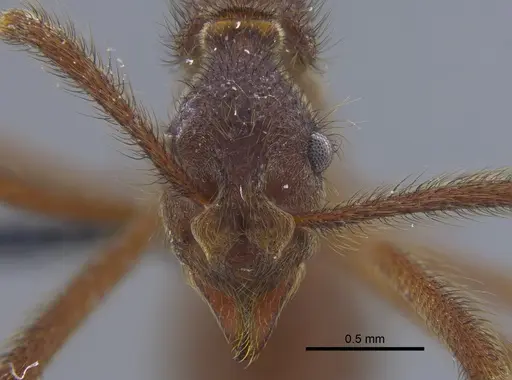
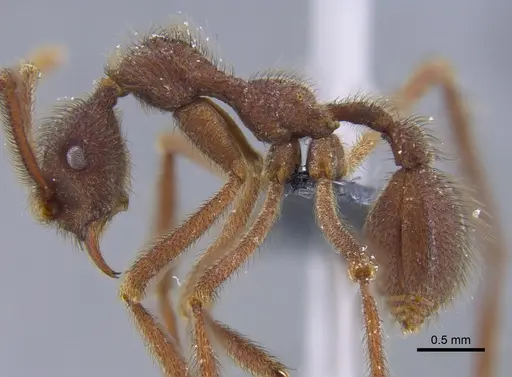
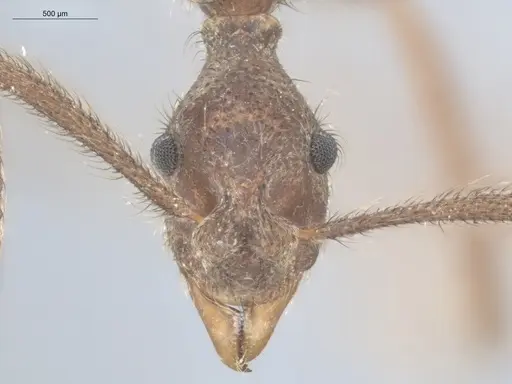
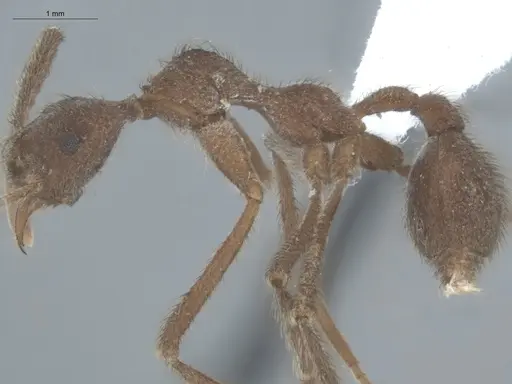
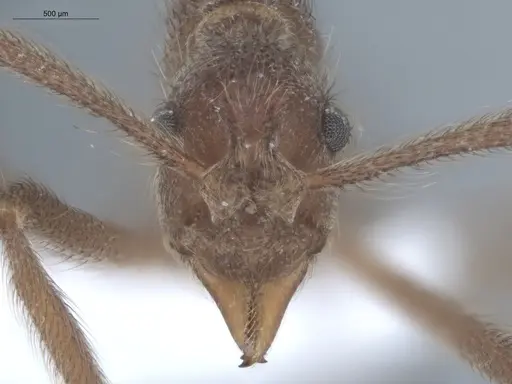
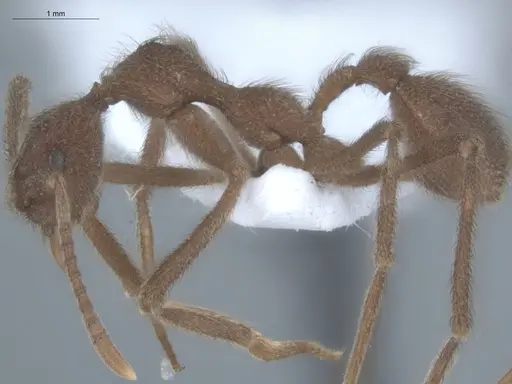
Apterostigma urichii is an ant species of the genus Apterostigma. It is primarily documented in 6 countries , including Brazil, Colombia, Ecuador. Detailed taxonomic data and occurrence records can be further explored via authoritative databases such as AntWeb or the Global Biodiversity Information Facility (GBIF).
Apterostigma urichii
Apterostigma urichii is a fungus-growing ant from the tribe Attini (fungus-growing ants) found across northern South America from Trinidad through the Amazon Basin [1][2]. They inhabit rainforests, semideciduous forests, and cocoa plantations, typically nesting in cavities within rotting wood and leaf-litter [3][4][5][6]. These ants practice parabiosis, peacefully sharing nest cavities with Mycetophylax faunulus ants, and cultivate wood-decomposing coral-mushroom fungi (Pterulaceae G2 and G4) in distinctive hanging, veiled gardens [7][8][9]. This highly specialized biology makes them one of the most challenging ant species to maintain in captivity, as documented colonies survived only one week in laboratory conditions [7].
Quick Summary
- Difficulty: Expert
- Origin & Habitat: Northern South America including Trinidad, Guyana, Suriname, French Guiana, and the Amazon Basin of Brazil, Colombia, Ecuador, Peru, and Bolivia [1][2][5]. Found in pristine rainforests, semideciduous forests, dense ombrophylous forests, and cocoa plantations [3][4][6].
- Colony Type: Likely single-queen (monogyne) based on limited field observations, but unconfirmed [7].
- Size & Growth:
- Queen: Unknown, not measured in provided research.
- Worker: Unknown, not measured in provided research.
- Colony: Small, observed colonies contained 16-23 workers [8][7]. Maximum size is unknown.
- Growth: Unknown, likely slow given small observed colony sizes and specialized fungal cultivation requirements.
- Development: Unknown, not documented in provided research. (Development likely depends on maintaining healthy fungus garden at appropriate temperatures.)
- Antkeeping:
- Temperature: Warm and stable, roughly 24-28°C, inferred from their Amazonian rainforest habitat in Brazil and Guyana [5][3]. Start at 25°C and adjust based on colony activity.
- Humidity: High humidity essential, keep nest substrate consistently moist to mimic rotting wood and leaf-litter conditions [4][8].
- Diapause: Not required, tropical species from equatorial regions [1].
- Nesting: Requires naturalistic setup with rotting wood cavities to support their hanging fungus gardens [8][7]. Standard formicaria will not work.
- Behavior: Peaceful and non-aggressive, shows no aggression toward other species, specifically documented sharing nests and foraging territories peacefully with Mycetophylax faunulus [7][8]. Workers frequently antennate each other and transport brood between species [7]. Forages in leaf-litter and rotting wood.
- Common Issues: colonies die quickly in captivity, documented cases survived only one week in artificial conditions [7]., requires specific coral-mushroom fungus (Pterulaceae G2 and G4) that is nearly impossible to maintain without fresh inoculum from wild colonies [9][7]., parabiotic nature may require presence of host species Mycetophylax faunulus for long-term survival [7][8]., small colony size makes them extremely vulnerable to disturbance and contamination.
Nest Preferences and Parabiosis
In nature, Apterostigma urichii nests in cavities within rotten trunks and logs [8][7]. They engage in parabiosis, sharing the same nest cavity with Mycetophylax faunulus ants [7][8]. The two species share trails and foraging territories without aggression [7]. Workers frequently antennate each other and walk freely on each other's fungus gardens [7]. They even transport each other's brood to newly organized fungus masses [7]. Their gardens are hanging and veiled, occupying the greenish portion of the combined fungus garden [9][7]. This means you would need a naturalistic setup with rotting wood and potentially the host species present.
Fungus Cultivation and Diet
Unlike leafcutter ants, Apterostigma urichii cultivates wood-decomposing coral-mushroom fungi from the family Pterulaceae, specifically G2 and G4 types [9][7]. These are lower attine ants practicing agriculture that predates the domestication of leucocoprineous fungi [10]. The garden architecture is distinctive, hanging and covered with a veil [9]. In captivity, maintaining this specific fungal symbiont is the primary challenge, as the ants cannot survive without it. You cannot feed them sugar water or insects directly, these materials would be used to feed the fungus, not the ants.
Captive Care Challenges
These ants are extremely difficult to keep alive in captivity. One documented colony died immediately upon arrival in the laboratory and survived only one week in artificial conditions despite showing initial activity [7]. The combination of requiring specific fungal cultivars, their parabiotic relationship with Mycetophylax faunulus, and their sensitivity to laboratory conditions makes them suitable only for expert antkeepers with access to specialized equipment and potentially fresh fungal inoculum from wild colonies.
Temperature and Humidity
Based on collections from Amazonian rainforests in Brazil and pristine Guianese forests, these ants require warm, humid conditions [5][3][6]. Keep them at approximately 24-28°C with high humidity mimicking rotting wood and leaf-litter environments [4]. Avoid any dry conditions. Use a heating cable on one side of the nest to create a gradient, but place it on top rather than underneath to prevent flooding the chambers with condensation.
Frequently Asked Questions
Can I keep Apterostigma urichii in a test tube?
No. They require a naturalistic setup with rotting wood and a living fungus garden [7][8].
What do Apterostigma urichii eat?
They cultivate and eat specific coral-mushroom fungi (Pterulaceae G2 and G4) [9][7]. They do not accept typical ant foods like sugar water or insects directly, these would be used to feed the fungus.
How hard are Apterostigma urichii to keep?
Expert level only. Documented colonies survived only one week in laboratory conditions [7].
Do Apterostigma urichii need a fungus garden?
Yes, absolutely. They are obligate fungus-growers and cannot survive without their specific fungal cultivar [9][7].
Can I keep Apterostigma urichii with other ants?
In nature they share nests peacefully with Mycetophylax faunulus, but attempting this in captivity is untested and risky [7][8].
How big do Apterostigma urichii colonies get?
Observed colonies are small, containing around 16-23 workers [8][7]. Maximum size is unknown.
Where do Apterostigma urichii live?
Northern South America including Trinidad, Guyana, Suriname, French Guiana, and throughout the Amazon Basin [1][2].
References

This caresheet is licensed under CC BY-SA 4.0 .
CASENT0281775
View on AntWeb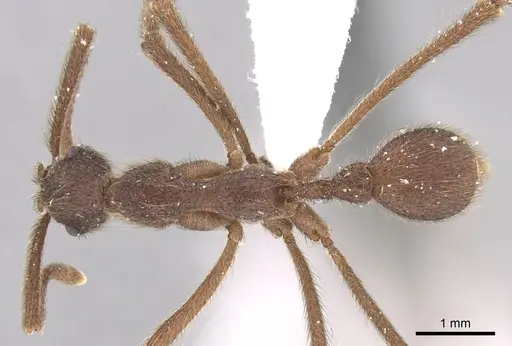
CASENT0909366
View on AntWeb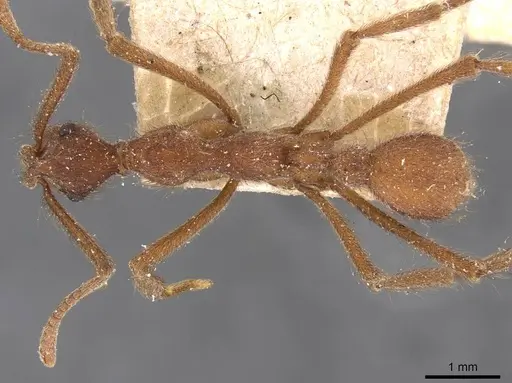
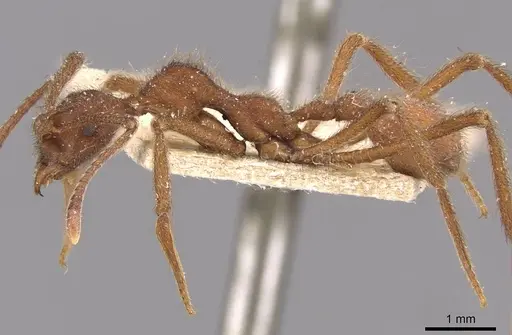
CASENT0917844
View on AntWeb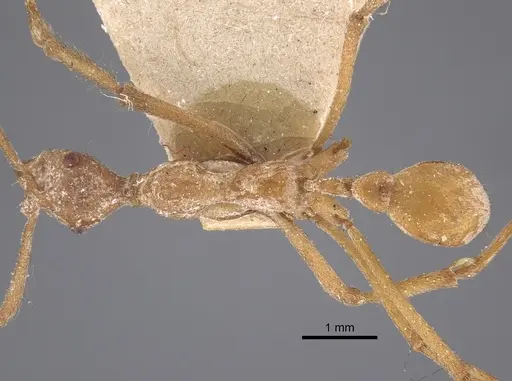
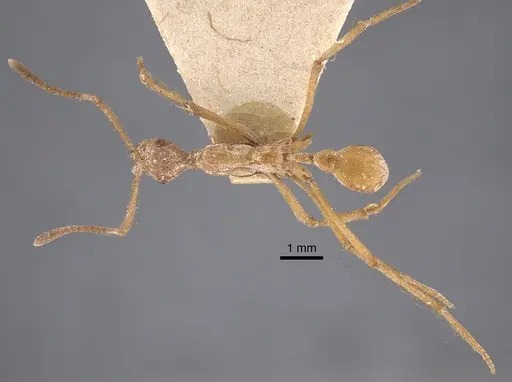
CASENT0922049
View on AntWeb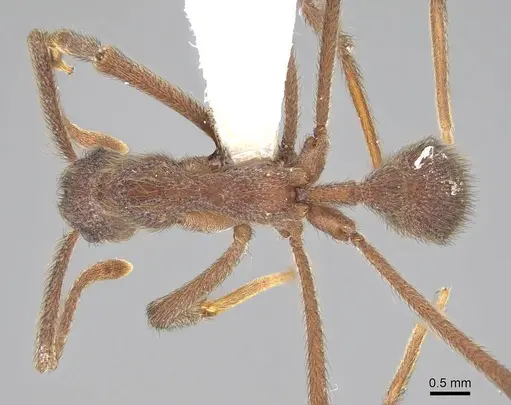
CBUMAGENT41896
View on AntWeb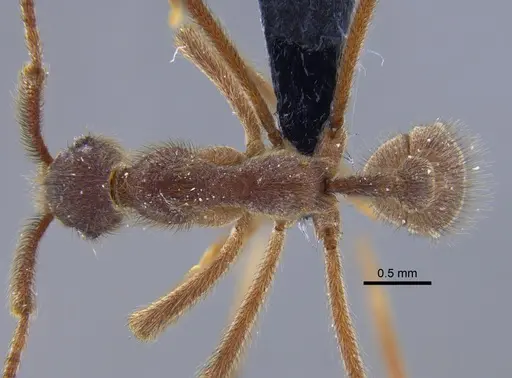
ECOFOG-KW14-0062-05
View on AntWeb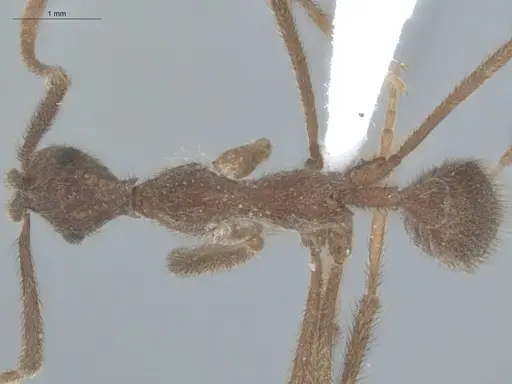
ECOFOG-MI15-0448-19
View on AntWeb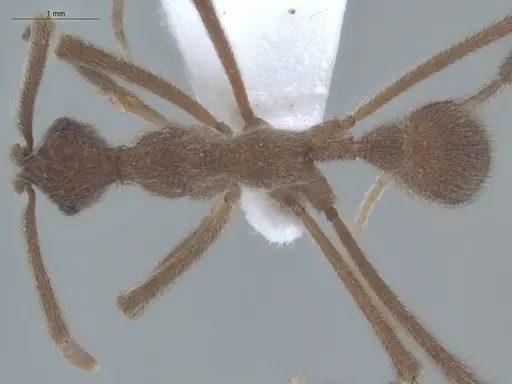
Literature
Loading...Loading products...