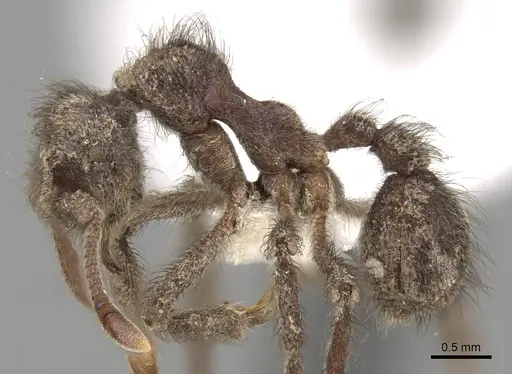
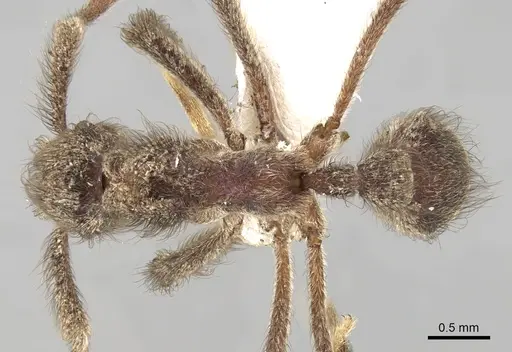
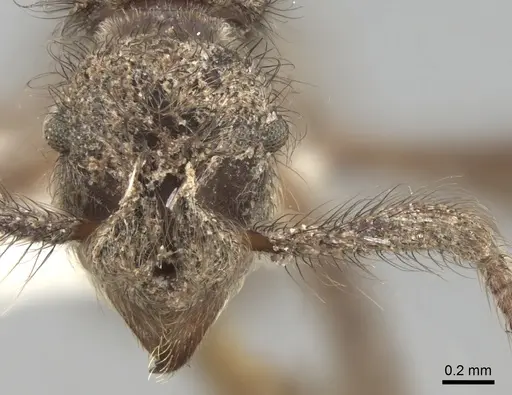
Apterostigma jubatum - "Fungus-growing Ant"
Apterostigma jubatum is a fascinating species of fungus-growing ant belonging to the subfamily Myrmicinae. These ants are known for their unique mutualistic relationship with a specific type of fungus, which they cultivate as their primary food source. Unlike many other fungus-growing ants that cultivate Lepiotaceae fungi, Apterostigma species are known to cultivate fungi from the Tricholomataceae family. Workers of Apterostigma generally have elongated heads with ovoid frontal lobes and mandibles featuring 7-8 teeth. Their bodies are typically covered in flexible, arching hairs.
- Difficulty: Medium
- Origin & Habitat: Neotropical Region (Bolivia, Brazil, Colombia, Guyana, Peru, Venezuela) in Tropical rain forests, nesting in dead vegetation, wood, or on the ground..
- Colony Type: Monogyne, claustral founding.
- Size & Growth:
- Queen: Not specified
- Worker: Not specified
- Colony: Small (hundreds). Slow growth.
- Antkeeping:
- Temperature: Maintain a stable temperature between 22-26°C (72-79°F) for optimal fungus growth and colony development..
- Humidity: High humidity is crucial for the fungus garden, ideally maintained at 80-95%. This can be achieved through proper nest design and regular misting of the outworld..
- Diapause: Not required. Not specified at Not specified.
- Nesting: These ants build inconspicuous nests, often covered by a 'veil' of substrate. They prefer natural setups that allow for fungus cultivation, such as plaster or naturalistic setups with a dedicated fungus chamber. Avoid exposing the fungus garden to direct airflow..
- Behavior: Low aggressiveness.
- Common Issues: Mold in nest, Fungus garden collapse, Humidity fluctuations, Incorrect substrate for fungus, Colony stalling due to poor fungus health.
Keeping Apterostigma jubatum presents a unique and rewarding challenge, primarily centered around the delicate balance required for their fungus garden. These ants are entirely dependent on their cultivated fungus for food, meaning the health of the fungus directly dictates the health of your colony. Providing the right substrate, consistently high humidity, and stable temperatures are non-negotiable. It's not just about feeding the ants; it's about providing the perfect environment for their fungal farm. Regular monitoring for any signs of mold or issues with the fungus is absolutely critical, as a compromised garden can quickly lead to colony collapse.
Unlike many commonly kept species, Apterostigma jubatum colonies are relatively small, typically ranging from dozens to a few hundred individuals. This means colony growth might appear slow, but it's normal for this species. Patience is key; don't expect the explosive growth seen in Lasius or Formica colonies. Their foraging behavior is also distinct; they collect dead vegetation, seeds, flowers, fruits, insect corpses, and feces from the vicinity of their nests to provision their fungus. Observing these specialized foraging trips to maintain their fungal crop is one of the most fascinating aspects of keeping them.
These ants are not aggressive in the typical sense and do not possess a potent sting that poses a significant threat to keepers. However, their delicate nature and reliance on a specific environment for their fungus make them more susceptible to common antkeeping pitfalls. Humidity fluctuations are particularly detrimental, potentially leading to the demise of the fungus garden. Proper ventilation is also important to prevent stagnant air and unwanted mold, but it must be balanced carefully to avoid drying out the fungus. Researching and understanding the specific needs of fungus-growing ants before acquiring them is highly recommended to ensure a successful setup.
Frequently Asked Questions
What do Apterostigma jubatum eat?
These ants are obligate fungus growers, meaning their primary food source is the fungus they cultivate. You'll need to provide them with a substrate, typically dead plant material, for their fungus to grow on. The ants then feed on specialized structures produced by the fungus.
How large do Apterostigma jubatum colonies get?
Apterostigma jubatum colonies are considered small compared to many other ant species. They typically house anywhere from a few dozen to a couple of hundred workers, often not exceeding 100 individuals.
What kind of nest is best for Apterostigma jubatum?
A nest specifically designed for fungus-growing ants, such as a plaster nest with good humidity retention or a naturalistic setup simulating their natural environment (e.g., a setup with a section for substrate and a covered fungus chamber), is ideal. They construct veiled nests in the wild.
Do Apterostigma jubatum need diapause?
No, Apterostigma jubatum are a tropical species and do not require diapause (a period of hibernation or dormancy).
Are Apterostigma jubatum difficult to keep?
They are considered a 'Medium' difficulty species. While they don't have aggressive defenses, their strict reliance on a healthy fungus garden and precise humidity and temperature requirements make them a more advanced species to care for compared to typical European or North American ants.
What is the ideal temperature and humidity for Apterostigma jubatum?
A consistent temperature between 22-26°C (72-79°F) is recommended. High humidity, preferably 80-95%, is absolutely critical to the survival and health of their fungus garden. This often requires careful humidity management within the formicarium.
Can Apterostigma jubatum sting?
Yes, like many Myrmicinae ants, Apterostigma jubatum workers do possess a sting. However, their aggressiveness towards handlers is low, and their sting is not considered medically significant to humans.
What kind of foraging materials do Apterostigma jubatum use for their fungus?
They are known to use a variety of organic materials as substrate for their fungus garden, including dead vegetation, seeds, flowers, fruits, insect corpses, and even feces.
How fast do Apterostigma jubatum colonies grow?
Apterostigma jubatum colonies exhibit a slow growth rate. Due to their smaller maximum colony size and the specific needs of their fungus, you won't see rapid population booms as you might with other ant species.
What should I do if my Apterostigma jubatum fungus garden starts to mold?
Mold is a serious threat to fungus-growing ant colonies. It often indicates too high humidity without adequate ventilation or improper substrate. You may need to carefully remove the affected parts of the fungus and adjust the environmental conditions to prevent further spread. In severe cases, the entire fungus garden may be lost, leading to colony failure.
Are Apterostigma jubatum queens claustral or semi-claustral?
Apterostigma queens are claustral, meaning they seal themselves off during the founding stage and rely on their fat reserves and initial fungus growth to raise their first brood of workers.
Can I keep multiple Apterostigma jubatum queens together (pleometrosis)?
Apterostigma jubatum are typically monogyne, meaning colonies have a single queen. Pleometrosis is generally not recommended or successful for this species, as queens will likely compete.