

Aphaenogaster treatae
- Scientific Name
- Aphaenogaster treatae
- Tribe
- Stenammini
- Subfamily
- Myrmicinae
- Author
- Forel, 1886
- Common Name
- Treat's Collared Ant
- Distribution
- Found in 1 countries
Aphaenogaster treatae Overview
Aphaenogaster treatae (commonly known as the Treat's Collared Ant) is an ant species of the genus Aphaenogaster. It is primarily documented in 1 countries , including United States of America. Detailed taxonomic data and occurrence records can be further explored via authoritative databases such as AntWeb or the Global Biodiversity Information Facility (GBIF).
Aphaenogaster treatae - "Treat's Collared Ant"
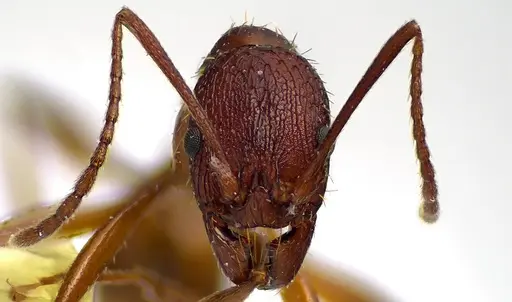
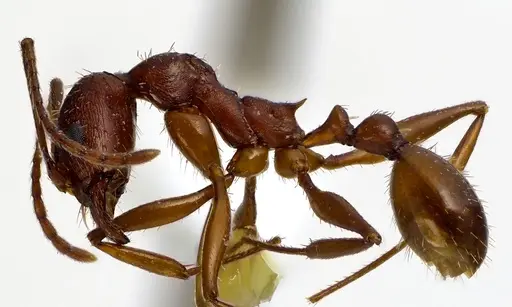
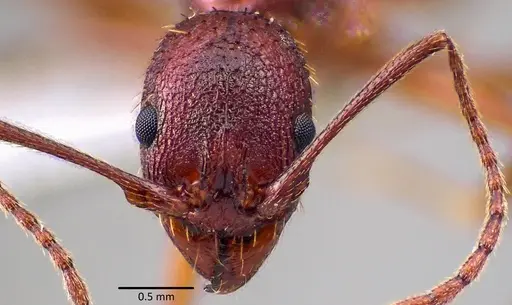
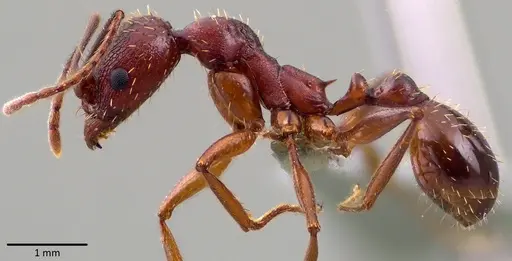
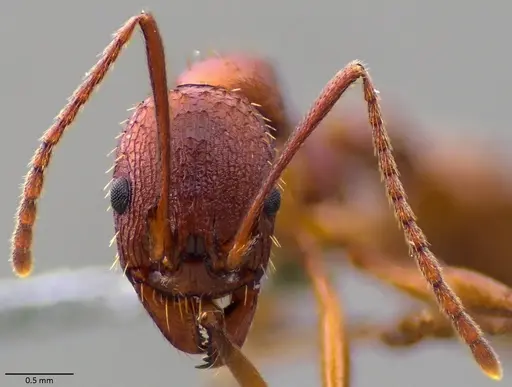
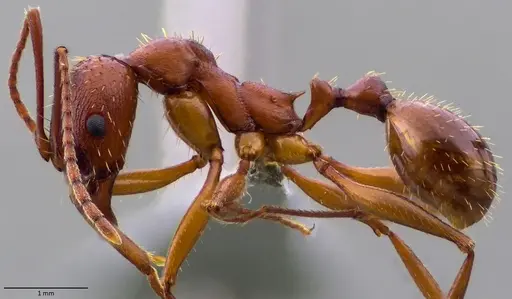
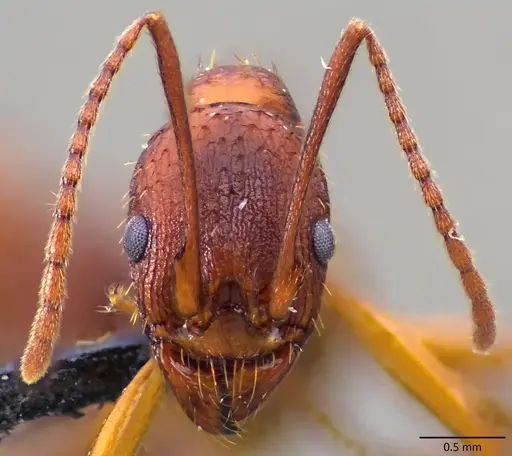
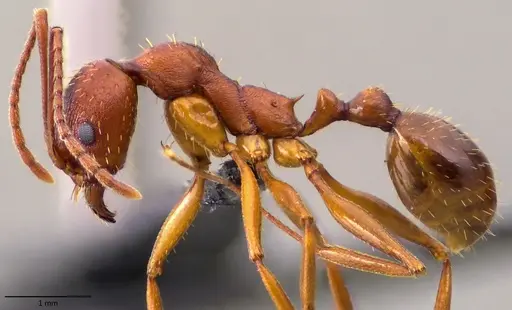
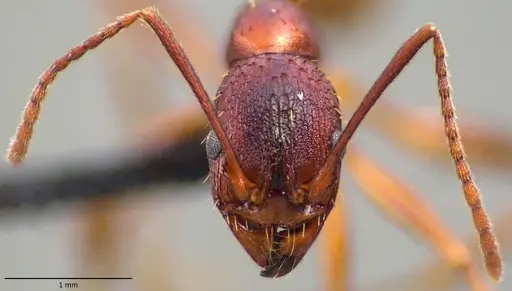
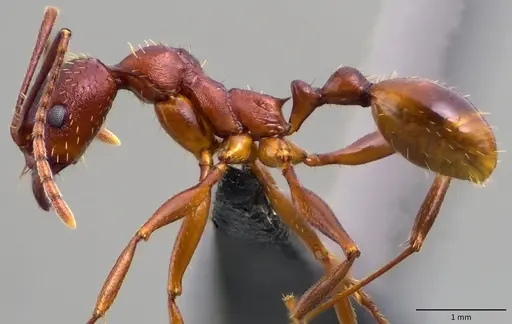
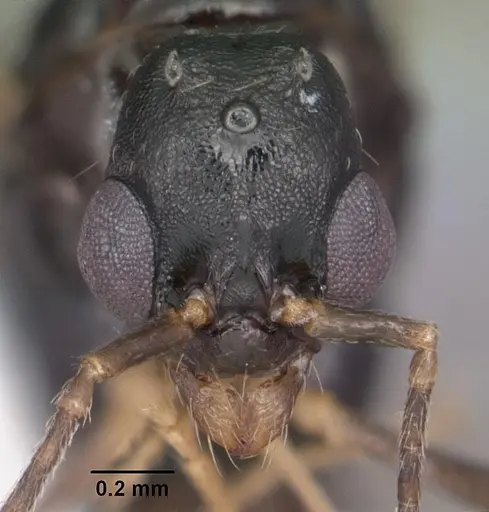
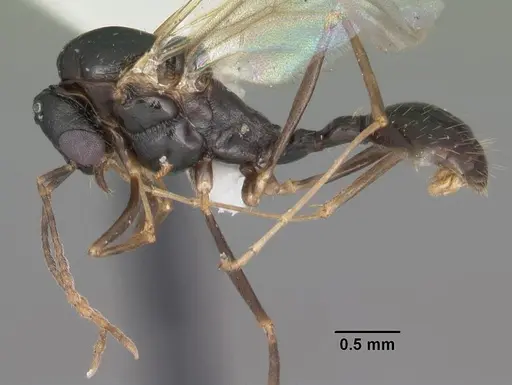
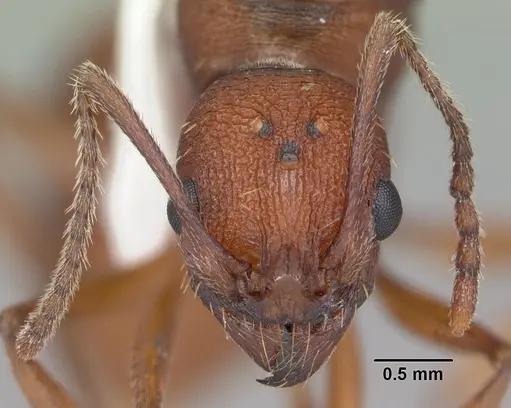
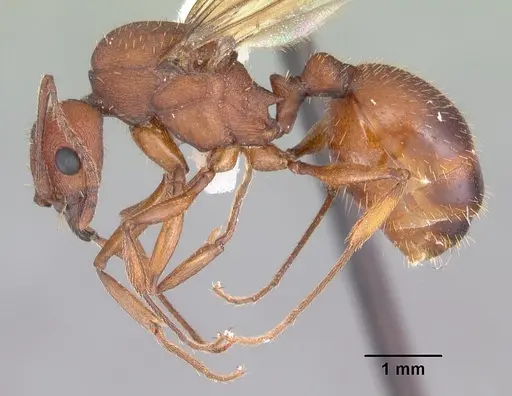
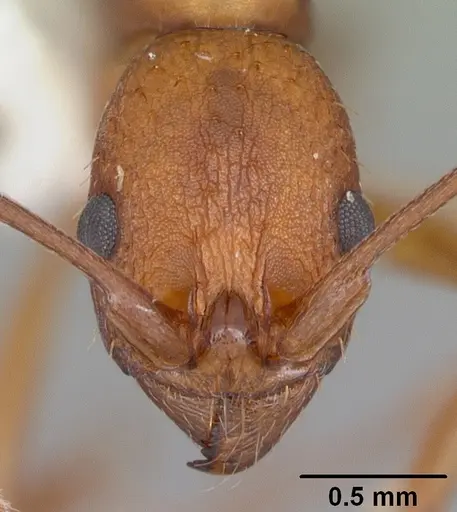
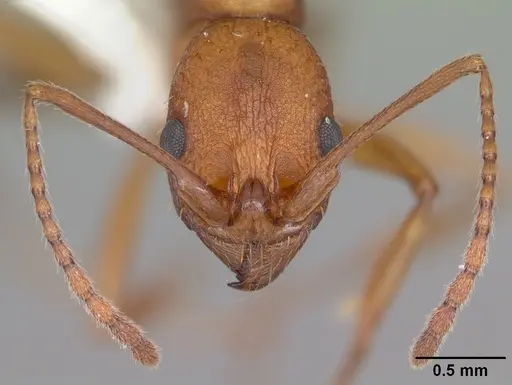
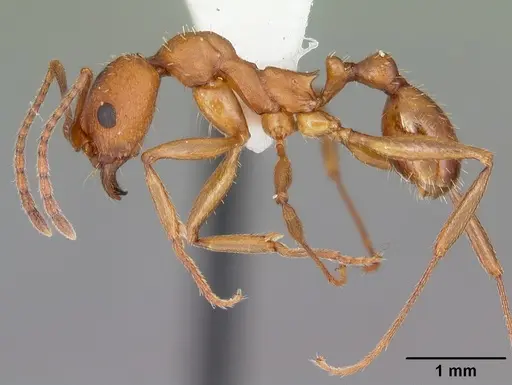
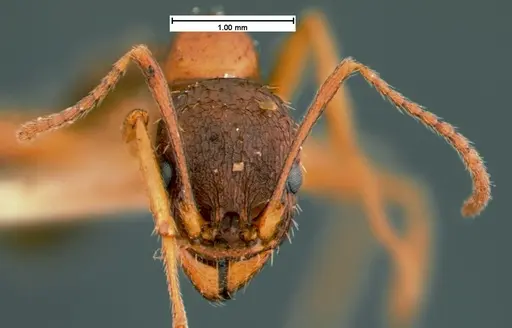
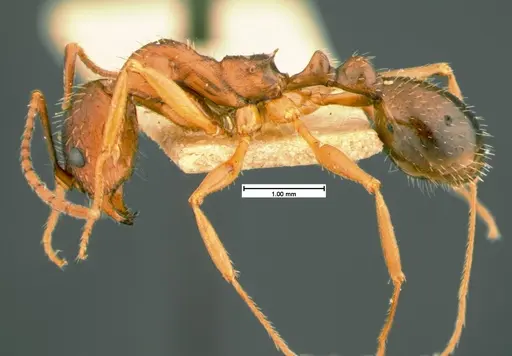
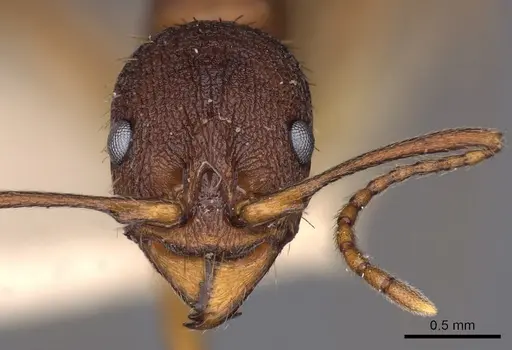
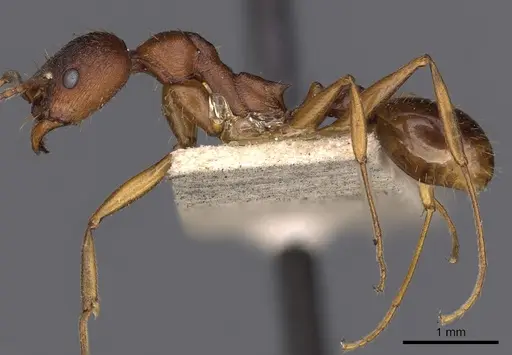
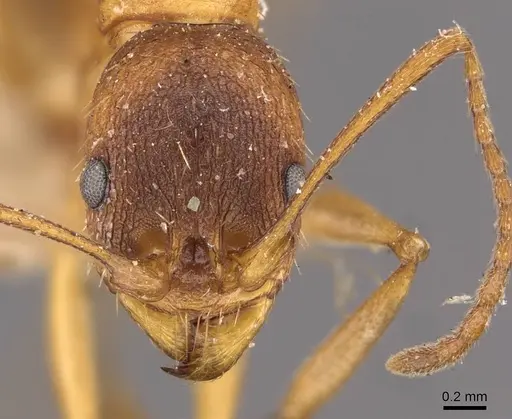
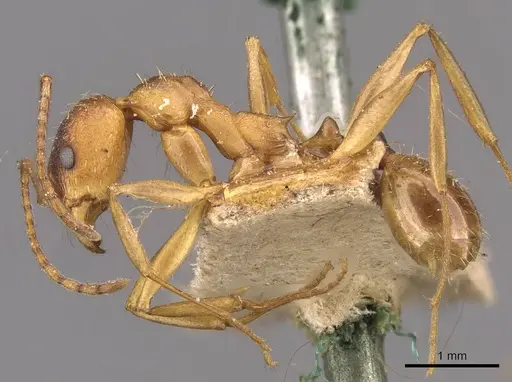
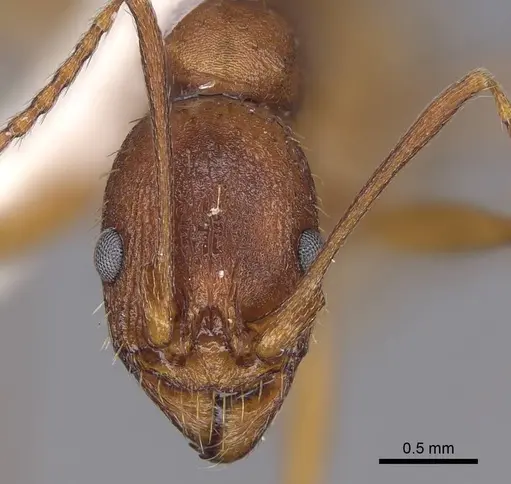
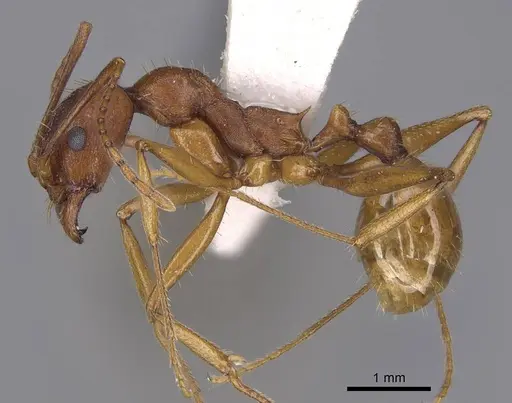
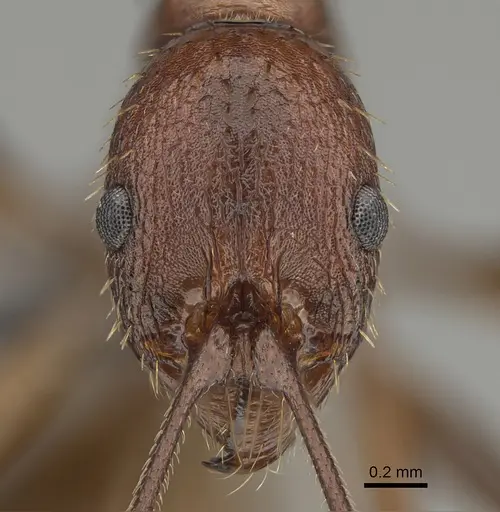
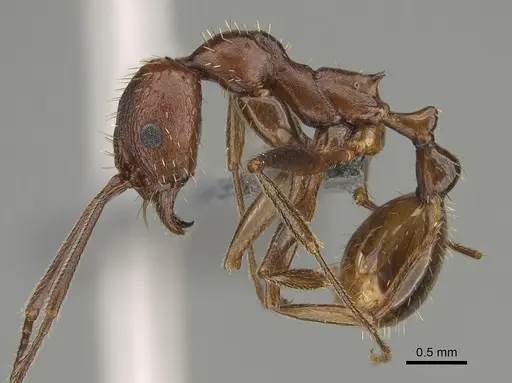
Aphaenogaster treatae is a large, reddish-brown ant named after naturalist Mary Treat, who first sent specimens to Auguste Forel in 1886 [1]. Workers measure 5.0-7.6 mm and carry a distinctive flattened lobe at the base of their antennae that looks like a small shield, making them easy to tell apart from similar species like Aphaenogaster ashmeadi [2][3]. Unlike many woodland Aphaenogaster, this species prefers open, sunny habitats, sandy fields, pine barrens, and grassy prairies stretching from Ontario down to Florida and west to Texas [4][1]. They are important seed dispersers and fearless predators of other insects, often hunting in the cool hours of morning and late afternoon [5][6].
Quick Summary
- Difficulty: Medium
- Origin & Habitat: Eastern North America (Ontario to Florida, west to Texas and Oklahoma), living in sandy uplands, open pine-oak woodlands, fields, and prairies [4][1].
- Colony Type: Single-queen colonies (monogyne) with documented worker replacement reproductives if the queen dies. Colonies average around 682 workers but can reach over 1,600 workers [5][7].
- Colony: Monogyne
- Size & Growth:
- Queen: Estimated 8-10 mm (not directly measured in sources).
- Worker: 5.0-7.6 mm [2][3].
- Colony: Up to 1,662 workers, though typically 600-700 [5].
- Growth: Moderate.
- Development: Estimated 8-10 weeks at 25°C (inferred from related temperate Aphaenogaster species). (Development slows at cooler temperatures typical of their temperate range.)
- Antkeeping:
- Temperature: Keep at 20-25°C with a gentle gradient, they forage naturally at ground temperatures of 21-32°C but avoid midday heat stress [5].
- Humidity: Moderate humidity with well-drained, sandy substrate, damp but never waterlogged, mimicking their sandy upland habitats [1].
- Diapause: Yes, required for temperate populations. Cool to 5-10°C for 3-4 months during winter.
- Nesting: Deep soil nests required, provide 30+ cm of substrate to allow construction of their characteristic deep galleries and thatch-roofed chambers [5].
- Behavior: Diurnal foragers active mornings and late afternoons, aggressive hunters that collect insects and seeds, avoid midday heat. They are not escape artists but are large enough to require secure lids [5][3][6].
- Common Issues: require deep substrate (30+ cm) to build proper nest chambers and avoid stress [5]., sensitive to midday heat, provide shade or cooling during the hottest parts of the day [5]., large size means they need larger prey items than small ant species, but they cannot handle very large insects until the colony grows.
Nest Preferences
In nature, Aphaenogaster treatae builds elaborate nests in well-drained, sandy soil, usually at the base of grass clumps or herbs with a small turret of plant debris marking the entrance [1][5]. The nest architecture is complex: they construct superficial chambers roofed with thatch (dead grass stems and soil pellets) partly above ground, connected to deeper galleries extending up to 40 inches (100 cm) underground [5]. These nests contain 2 to 17 chambers arranged in a labyrinth-like structure, with brood kept in the lower, moister chambers [5]. In captivity, you must provide a deep, sandy-loam substrate at least 30 cm deep in a large formicarium or naturalistic setup. A Y-tong (AAC) nest with deep chambers can work, but they prefer to excavate their own space. Avoid shallow setups, these ants need room to create their multi-level nest architecture.
Feeding and Diet
These ants are opportunistic predators and important seed dispersers. Mary Talbot observed them collecting insects unceasingly during foraging periods, and they also gather grass seeds like Panicum depauperatum [5]. They occasionally collect bits of Russula mushrooms and have been observed removing seeds from plants [1][8]. In captivity, offer small live insects such as fruit flies, pinhead crickets, and small mealworms. Provide grass seeds (panic grass, chia, or canary seed) regularly, as seed collection is a significant part of their natural diet. They may accept sugar water or honey, but focus primarily on protein sources and seeds.
Temperature and Care
Aphaenogaster treatae prefers warm but not extreme temperatures. In Michigan studies, workers foraged when ground temperatures were 70-90°F (21-32°C) and avoided the midday heat when temperatures rose higher [5]. Their nuptial flights occur under precise conditions: 78-88°F (26-31°C) with overcast skies that reduce light intensity [5][9]. Keep your colony at 20-25°C with a heat gradient, place a heating cable on one side of the nest so they can thermoregulate by moving brood to ideal spots. Never let them overheat, unlike desert species, they cannot tolerate sustained high temperatures. For populations from temperate regions (most of their range), you must provide a winter hibernation period at 5-10°C for 3-4 months to mimic their natural cycle.
Behavior and Temperament
Workers are described as fearless hunters that boldly attack when their nest is disturbed [6]. They forage individually rather than in trails, patrolling constantly during active periods and aggressively capturing other insects including winged ants from other species [5]. Their activity is strictly diurnal but crepuscular, they are most active in mornings and late afternoons, retreating during the heat of midday [5][3]. They are not particularly fast or prone to escaping, but their large size means you need secure-fitting lids. They do not possess a painful sting but can bite and spray formic acid like other members of their genus.
Nuptial Flights and Reproduction
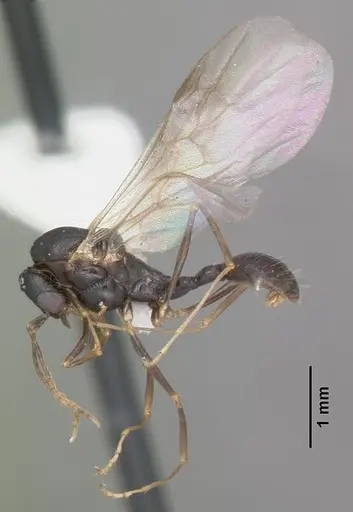
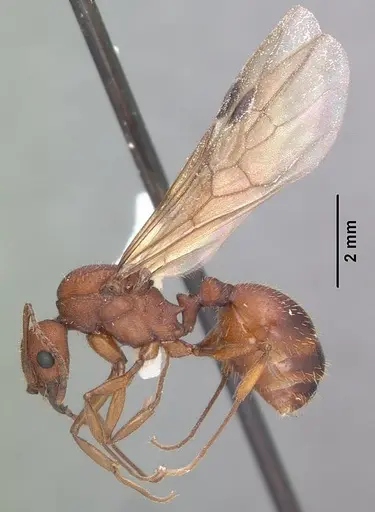
Alates (winged queens and males) are present in nests from mid-May through mid-July [1]. Flights are brief and weather-dependent, occurring when temperatures are 78-88°F but light is reduced by cloud cover [5][9]. Talbot observed that alates wait at the nest entrance and rush out when a cloud obscures the sun, flying for only 1 to 25 minutes before retreating if the sun returns [5]. This unique flight behavior means captive rearing of queens should mimic these conditions, warm temperatures with diffused light rather than bright direct sun.
Colony Founding
Founding behavior is unconfirmed in the scientific literature. Based on patterns seen in other Aphaenogaster species, queens likely found colonies alone (claustral founding), sealing themselves in a chamber and living off stored fat reserves until the first workers hatch. Do not attempt to combine multiple queens, this species is strictly monogyne (single-queen), and queens will fight if placed together [7].
Frequently Asked Questions
Can I keep Aphaenogaster treatae in a test tube?
Yes for the founding stage, but move them to a deep formicarium or naturalistic setup once workers arrive. They need at least 30 cm of substrate to build their characteristic deep nest chambers [5].
How long until first workers for Aphaenogaster treatae?
Expect approximately 8-10 weeks from egg to worker at 25°C. This is an estimate based on related temperate Aphaenogaster species, as direct development times have not been published.
Do Aphaenogaster treatae need hibernation?
Yes, if your colony originates from temperate regions (Ontario to Florida and westward), they require a winter diapause. Cool them to 5-10°C for 3-4 months to maintain healthy colony cycles.
What do Aphaenogaster treatae eat?
They primarily eat insects (including other ants) and grass seeds. Offer small live prey like fruit flies and crickets, plus various grass seeds. They occasionally collect mushroom pieces in nature but do not rely on sugar sources [5][1].
How big do Aphaenogaster treatae colonies get?
Colonies average around 682 workers but can reach up to 1,662 workers in large, mature colonies. They are monogynous (single queen) and grow at a moderate pace [5].
Are Aphaenogaster treatae good for beginners?
They are medium difficulty. Their large size makes them easy to observe and feed, but they require deep nesting substrate and specific temperature management to avoid heat stress. They also need hibernation, which adds complexity for beginners.
Do Aphaenogaster treatae sting?
They possess a stinger but rarely use it on humans. They defend themselves by biting and spraying formic acid. They are not considered dangerous, but their large size means their bite can be noticeable.
Can I keep multiple Aphaenogaster treatae queens together?
No. This species is strictly monogyne (single-queen colonies). Multiple queens will fight, and only one will survive. Combining unrelated queens is not recommended [7].
Why are my Aphaenogaster treatae inactive during the day?
This is normal behavior. They are crepuscular foragers, most active in mornings and late afternoons. They naturally avoid midday heat and will retreat deep into their nest during the hottest hours [5][3].
References

This caresheet is licensed under CC BY-SA 4.0 .
ANTWEB1041591
View on AntWeb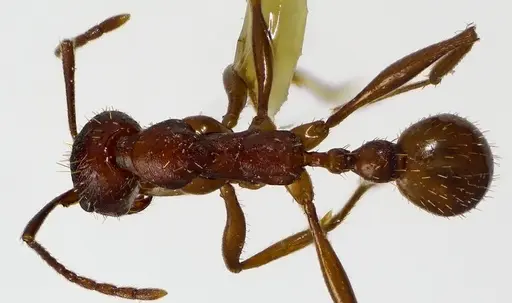
ANTWEB1041771
View on AntWeb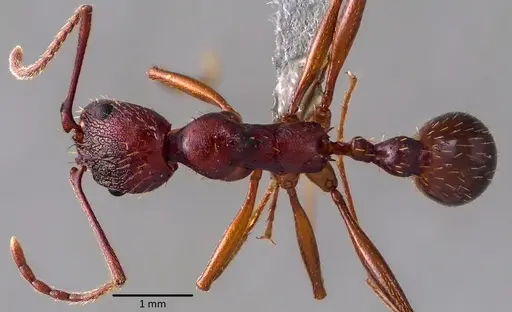
ANTWEB1060062
View on AntWeb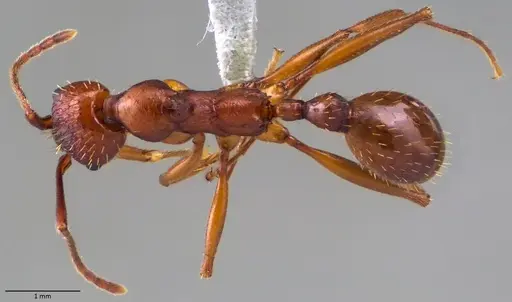
ANTWEB1060126
View on AntWeb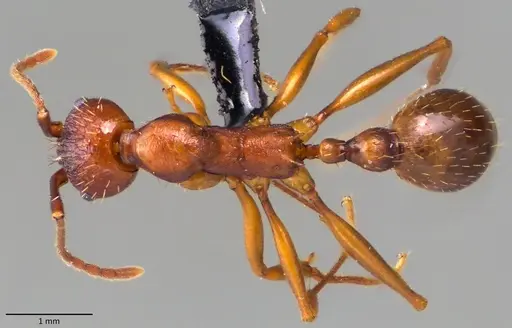
ANTWEB1060132
View on AntWeb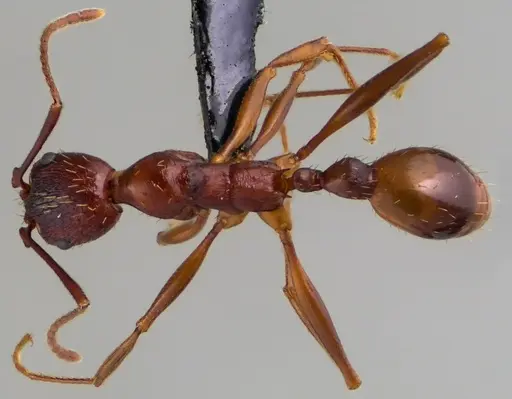
CASENT0103605
View on AntWeb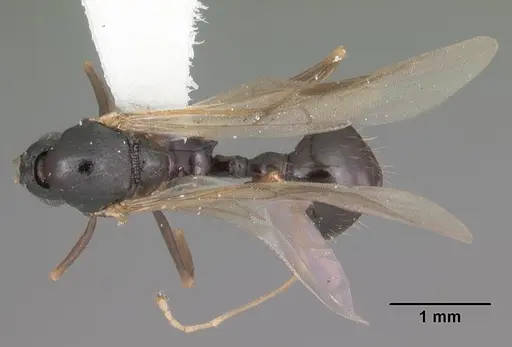
CASENT0103608
View on AntWeb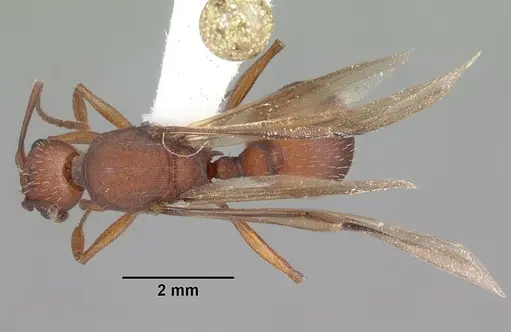
CASENT0103609
View on AntWeb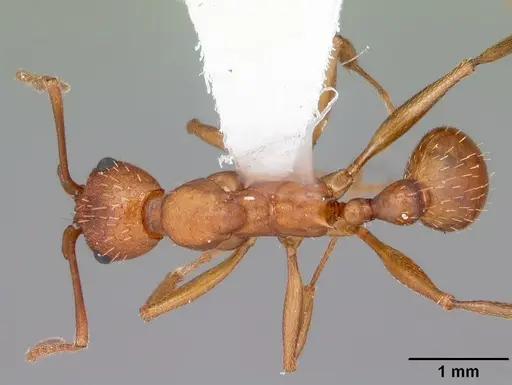
CASENT0105544
View on AntWeb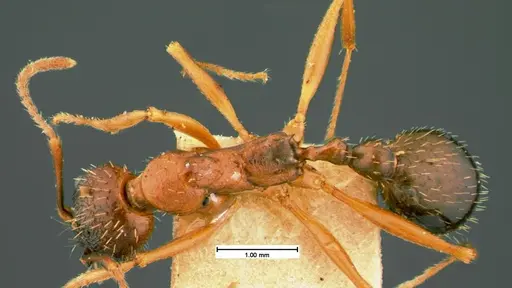
CASENT0900414
View on AntWeb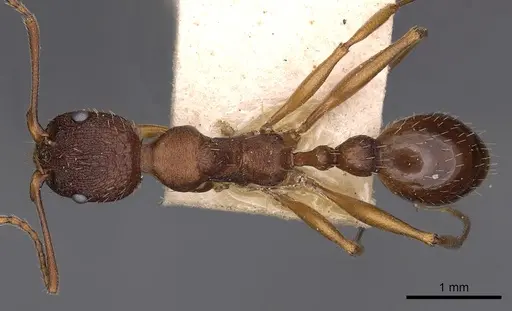
CASENT0907701
View on AntWeb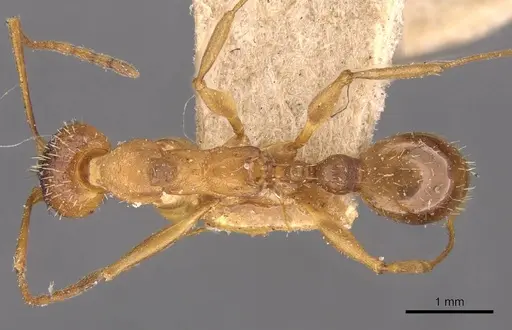
CASENT0914485
View on AntWeb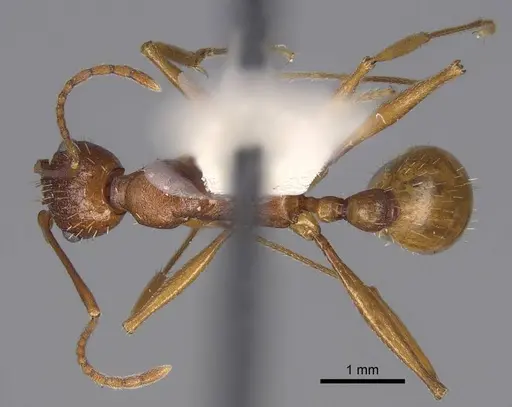
CASENT0923377
View on AntWeb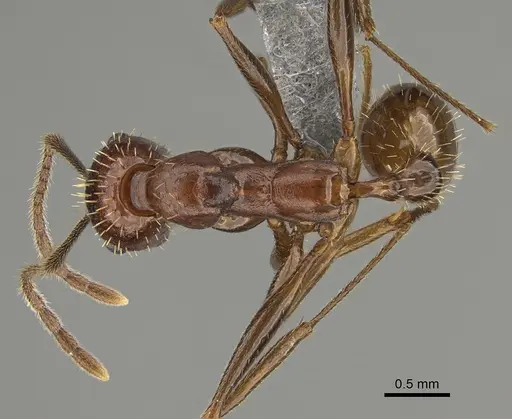
Literature
Loading...Loading products...