

Aphaenogaster ashmeadi
- Scientific Name
- Aphaenogaster ashmeadi
- Tribe
- Stenammini
- Subfamily
- Myrmicinae
- Author
- Emery, 1895
- Common Name
- Ashmead's Collared Ant
- Distribution
- Found in 1 countries
Aphaenogaster ashmeadi Overview
Aphaenogaster ashmeadi (commonly known as the Ashmead's Collared Ant) is an ant species of the genus Aphaenogaster. It is primarily documented in 1 countries , including United States of America. Detailed taxonomic data and occurrence records can be further explored via authoritative databases such as AntWeb or the Global Biodiversity Information Facility (GBIF).
Aphaenogaster ashmeadi - "Ashmead's Collared Ant"
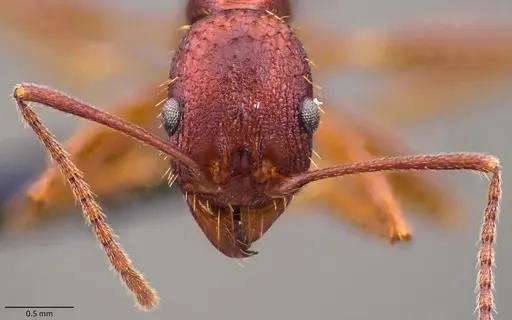
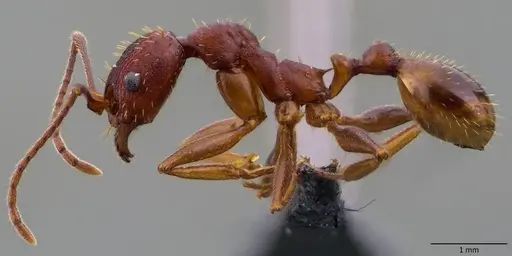
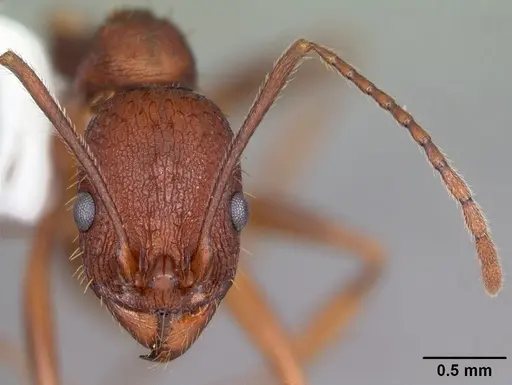
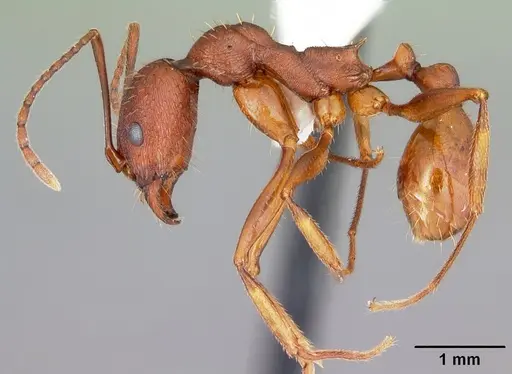
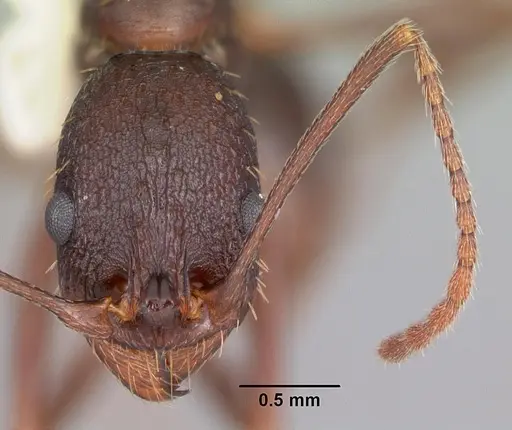
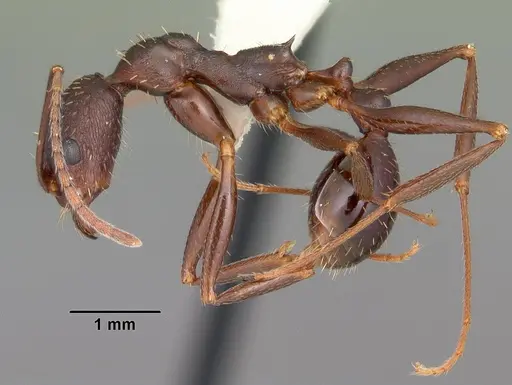
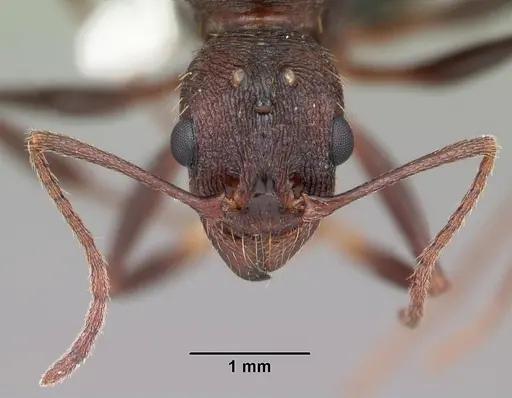
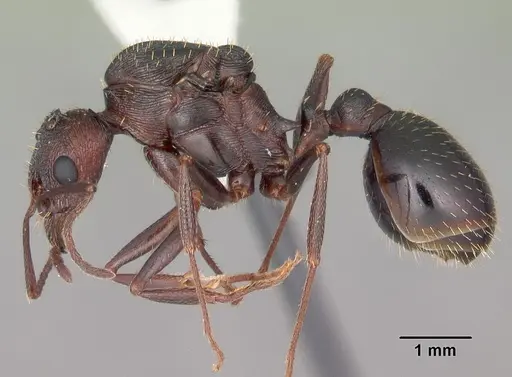
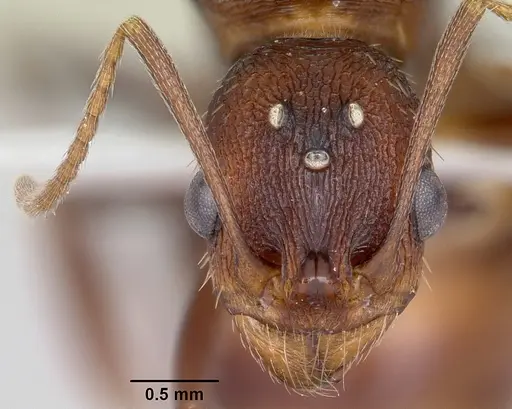
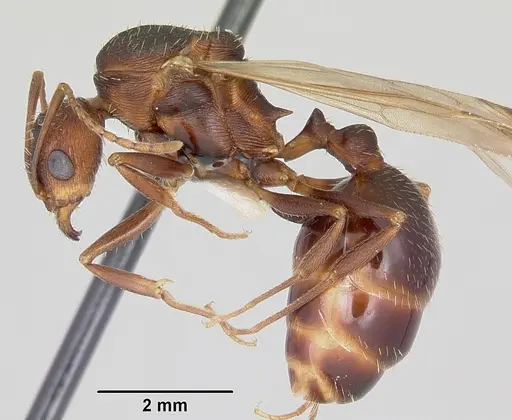
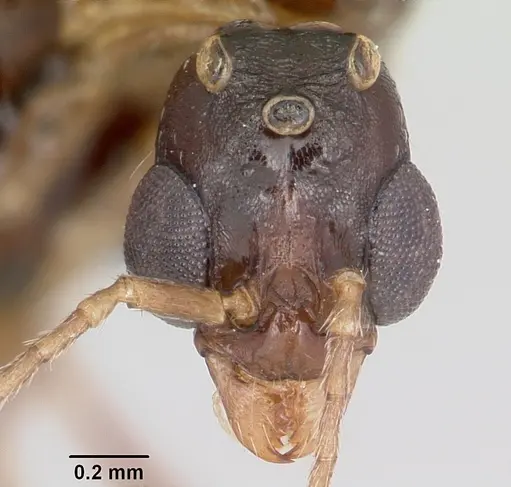
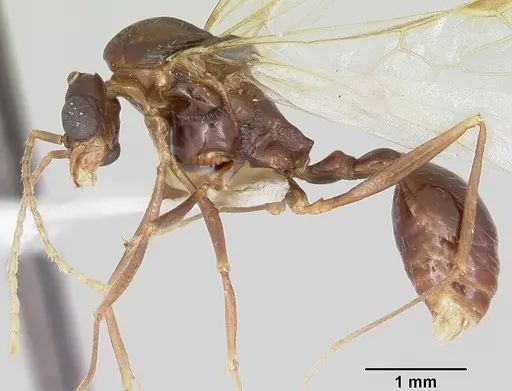
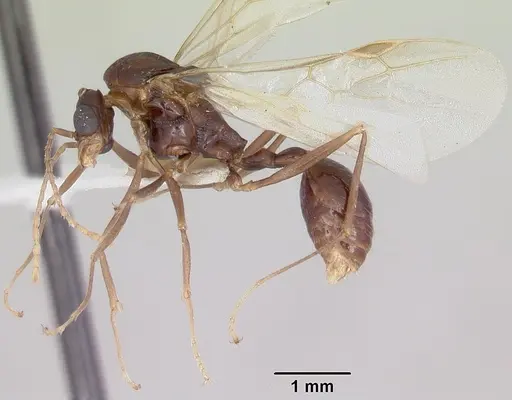
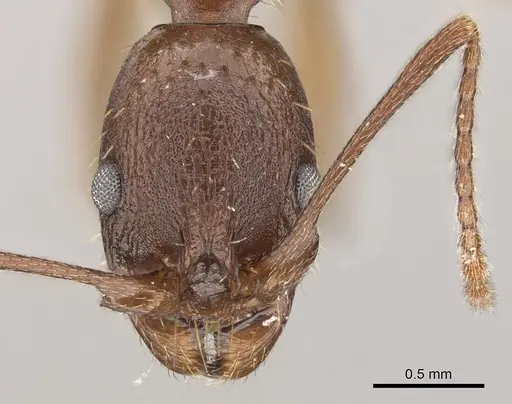
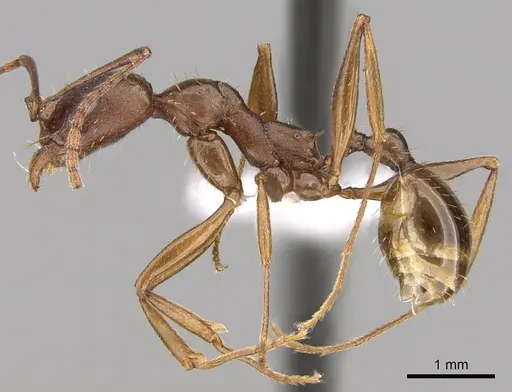
These are large, sturdy ants with workers reaching 7-8 millimeters [1]. You can recognize them by the distinctive expanded lobe at the base of their antennae and their dark brown to blackish coloration in most of Florida, though some western populations show reddish tones [1]. They live in sandy soils across the southeastern United States, from North Carolina down through Florida and west to Texas and Missouri [1][2][3].
What makes these ants stand out is their surprising diet and fierce defense tactics. They don't just hunt insects, they also cut up and carry mushrooms back to their nest, particularly species like Russula and Marasmiellus [1]. When threatened by enemies like fire ants, they rear up and curl their abdomen forward to deliver a sting, often winning fights against much more aggressive species [4].
Quick Summary
- Difficulty: Medium
- Origin & Habitat: Southeastern USA (North Carolina to Florida, west to Texas and Missouri) in sandy pine forests, oak scrub, scrubby flatwoods, and well-drained woodlands [1][2][4].
- Colony Type: Single-queen colonies (monogyne), usually only one queen per nest [4].
- Colony: Monogyne
- Founding: Claustral
- Size & Growth:
- Queen: Not specified in available sources, estimated 8-10mm based on typical Aphaenogaster patterns.
- Worker: 7-8mm [1].
- Colony: Typically 100-250 workers, with the largest documented colony containing 423 workers [1].
- Growth: Moderate [5].
- Development: Likely 8-12 weeks at 25°C based on typical Aphaenogaster patterns (unconfirmed for this species). (Nanitic workers may emerge slightly faster than subsequent broods.)
- Antkeeping:
- Temperature: Keep at 20-26°C during the active season. They require a winter rest period at 10-15°C for 3-4 months based on climate data showing natural lows of 5.8°C [6][1].
- Humidity: Moderate to dry conditions with well-drained sandy substrate. The nest should feel slightly damp but never waterlogged [1].
- Diapause: Yes, required. Colonies slow down or stop activity in winter and need cooling to survive long-term [1][6].
- Nesting: Sandy soil nests are essential. Provide naturalistic setups with sand-clay mixes, or deep plaster nests with sand mixed in. They need 15-25cm depth to build proper chambers [1].
- Behavior: Moderate activity level with workers moving at a steady pace [5]. When alarmed, they freeze or hide under debris rather than fleeing [1]. They forage both day and night in warm weather [1]. They are aggressive defenders that will sting intruders and can temporarily paralyze fire ants during confrontations [4]. Their 7-8mm size means standard escape prevention works, but they can climb smooth surfaces.
- Common Issues: sandy substrate is essential, they cannot build proper chambers in smooth acrylic or pure plaster nests., winter hibernation is required, colonies kept warm year-round often fail., they can deliver painful stings when defending the nest., slow growth means patience is required, colonies max out at only a few hundred workers.
Nest Preferences and Setup
In nature, Aphaenogaster ashmeadi nests in sandy soil with the entrance hidden under stones or wood, or camouflaged with a short turret made of plant debris and insect remains [1]. The nest typically has 5-7 chambers arranged vertically, including a superficial chamber for pupae, a refuse chamber, and a deeper chamber about 25cm below the surface where the queen lives [1].
In captivity, you must provide a sandy substrate. A naturalistic setup with a sand and clay mixture works best, allowing them to excavate their own chambers. If using a formicarium, choose one with deep, sandy plaster or a soil mix rather than smooth acrylic. They need space to dig 15-20cm deep to satisfy their nesting instincts. Keep the substrate slightly moist but well-drained, soggy soil kills colonies quickly.
Feeding and Diet
These ants are opportunistic predators that hunt both day and night in warm weather, usually staying on the surface of leaf litter [1]. Their primary diet is live and dead arthropods, they can subdue caterpillars, small spiders, flies, grasshoppers, and smaller ants [1].
Uniquely, they also collect mushrooms, particularly from the genera Russula and Marasmiellus, cutting them up and carrying pieces back to the nest [1]. In captivity, offer small live or freshly killed insects like fruit flies, pinhead crickets, and small mealworms. You can experiment with small pieces of fresh mushroom, though they will survive fine on insect protein alone. Provide sugar water or honey water as a carbohydrate source.
Temperature and Seasonal Care
Aphaenogaster ashmeadi experiences significant seasonal temperature variation in the wild, with climate data from Florida showing winter lows averaging 5.8°C and summer highs reaching 32.7°C [6]. During the active season (spring through fall), keep your colony at 20-26°C. Workers forage both day and night when weather is warm [1].
Alates (winged reproductives) are present in nests by mid-April, with nuptial flights occurring in June and July [1]. After the breeding season, colonies require a winter rest period (diapause). Cool them to 10-15°C for 3-4 months with reduced feeding. Workers do not forage during winter in the wild [1]. Skipping this winter rest often leads to colony failure within a year or two.
Behavior and Temperament
These ants show a moderate activity tempo, they move steadily but are not frantic [5]. When disturbed, they exhibit a freeze-or-hide response, remaining motionless or ducking under debris rather than running away [1]. This makes them easy to observe but they can be surprisingly hard to spot in the wild.
Despite their calm appearance when disturbed, they are aggressive defenders of their territory. When confronted by threats like fire ants, workers rear up, curl their abdomen beneath their thorax, and deliver stings [4]. They can temporarily paralyze fire ants for 10-20 minutes and have been documented killing large numbers of fire ant workers during confrontations [4]. They can sting humans too, though they are not generally dangerous unless you are allergic.
Colony Founding
Specific founding behavior for this species is unconfirmed in the available research. Based on typical patterns for the genus Aphaenogaster, queens likely found colonies alone (claustral founding), sealing themselves in a chamber and living off stored body fat until the first workers hatch. This means you should house a new queen in a test tube or small container with a sandy substrate and disturb her as little as possible for the first 2-3 months. Do not attempt to feed the queen during this period, she should survive on her reserves.
Growth and Development
Colonies grow at a moderate pace and remain relatively small compared to many ant species [5]. Mature colonies typically contain 100-250 workers, with exceptional colonies reaching just over 400 workers [1]. This modest colony size makes them manageable for home keeping, but means they will never become the massive colonies seen in some other genera.
Development time from egg to worker is not directly documented for this species, but based on related Aphaenogaster species, expect roughly 8-12 weeks at 25°C. The first workers (nanitics) may emerge slightly smaller and faster than subsequent broods. Colonies produce alates by mid-April for June-July flights, so expect sexual brood production in late spring [1].
Frequently Asked Questions
Can I keep Aphaenogaster ashmeadi in a test tube?
Yes, but add clean sand to the tube so the queen can dig a small founding chamber. Pure glass or plastic surfaces do not allow them to nest naturally.
How long until first workers for Aphaenogaster ashmeadi?
Likely 8-12 weeks at 25°C based on typical Aphaenogaster patterns, though this is not directly confirmed for this species. Cooler temperatures will slow development.
Do Aphaenogaster ashmeadi need hibernation?
Yes. They require a winter diapause period of 3-4 months at 10-15°C. Colonies kept warm year-round often fail after a year or two.
What do Aphaenogaster ashmeadi eat?
They eat live and dead insects including caterpillars, spiders, flies, and other ants. They also collect mushrooms in the wild, particularly Russula species. In captivity, provide small insects and sugar water.
Are Aphaenogaster ashmeadi good for beginners?
They are medium difficulty. Their large size makes them easy to observe, but they require sandy nesting substrate and proper winter hibernation care that beginners sometimes struggle to provide.
Can I keep multiple Aphaenogaster ashmeadi queens together?
No. They are monogyne (single-queen) and colonies usually contain only one queen. Combining multiple queens will likely result in fighting and death.
How big do Aphaenogaster ashmeadi colonies get?
Typically 100-250 workers, with the largest documented wild colony containing 423 workers. They remain relatively small compared to many other ant species.
Do Aphaenogaster ashmeadi sting?
Yes, they can sting and will defend their nest aggressively against intruders. They use their stinger effectively against fire ants and other threats. The sting is painful but not dangerous to most people unless allergic.
Why are my Aphaenogaster ashmeadi dying?
Common causes include: lack of sandy substrate for proper nest construction, failure to provide winter hibernation, overly wet conditions causing mold, or inadequate protein supply. Check that your nest material allows for digging and drainage.
References

This caresheet is licensed under CC BY-SA 4.0 .
ANTWEB1060079
View on AntWeb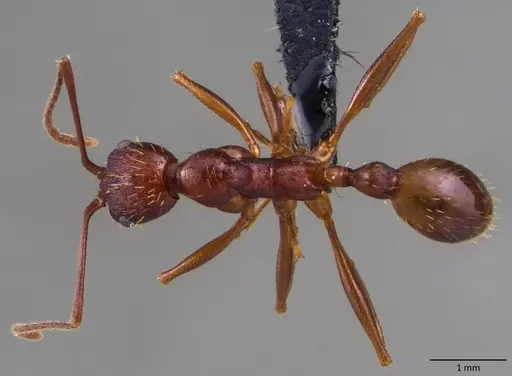
CASENT0103560
View on AntWeb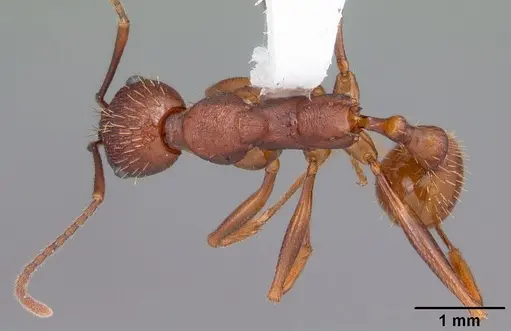
CASENT0103563
View on AntWeb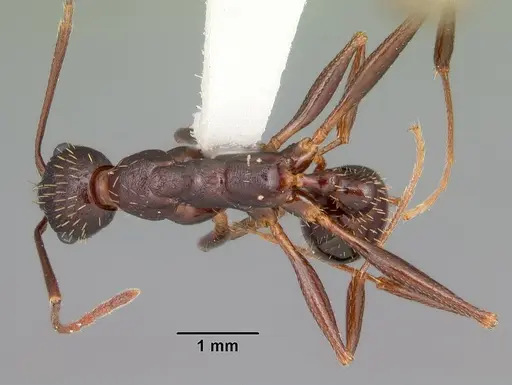
CASENT0103566
View on AntWeb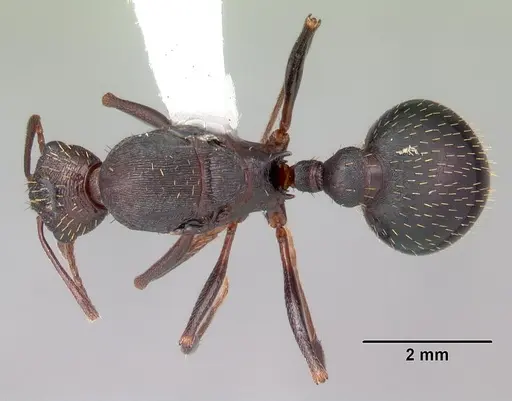
CASENT0104853
View on AntWeb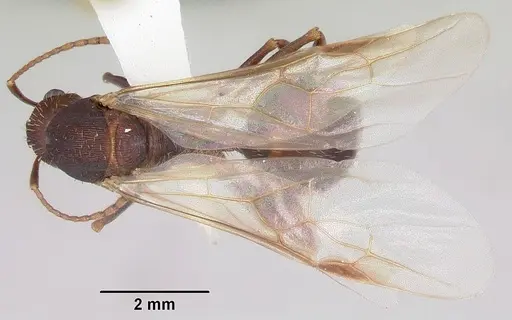
CASENT0104854
View on AntWeb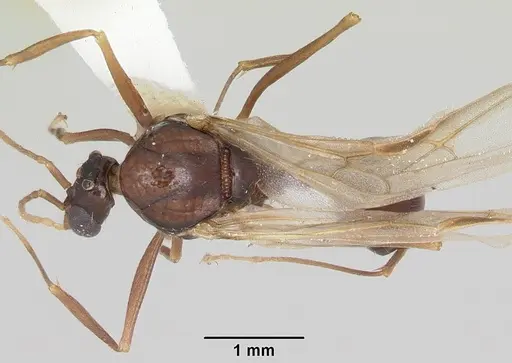
CASENT0281182
View on AntWeb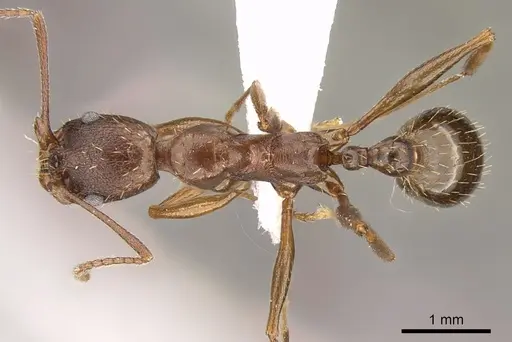
CASENT0923571
View on AntWeb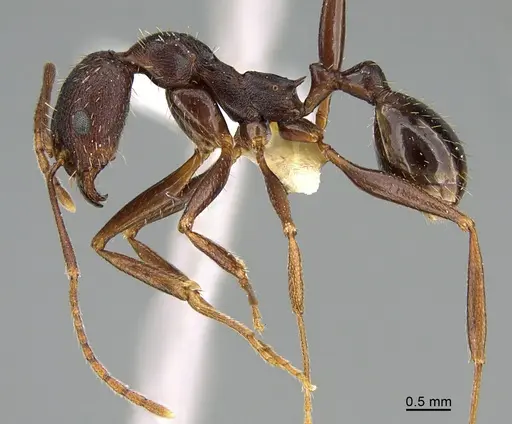
Literature
Loading...Loading products...