

Aphaenogaster testaceopilosa
- Scientific Name
- Aphaenogaster testaceopilosa
- Tribe
- Stenammini
- Subfamily
- Myrmicinae
- Author
- Lucas, 1849
- Distribution
- Found in 6 countries
Aphaenogaster testaceopilosa Overview
Aphaenogaster testaceopilosa is an ant species of the genus Aphaenogaster. It is primarily documented in 6 countries , including Algeria, Spain, Greece. Detailed taxonomic data and occurrence records can be further explored via authoritative databases such as AntWeb or the Global Biodiversity Information Facility (GBIF).
Aphaenogaster testaceopilosa
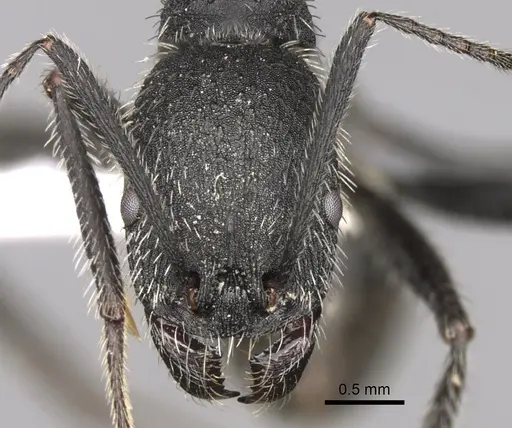
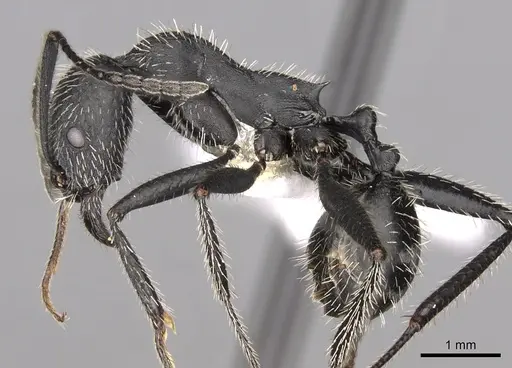
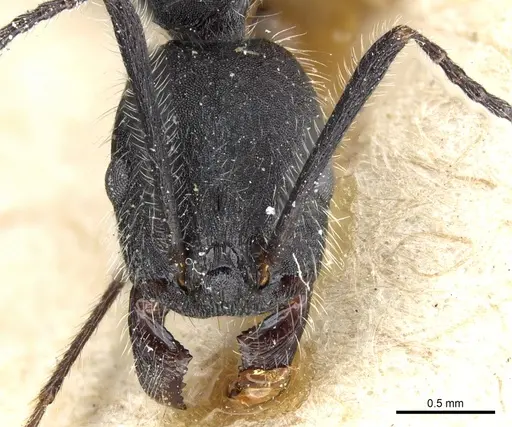
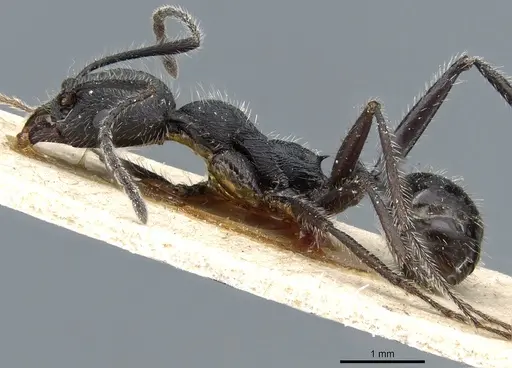
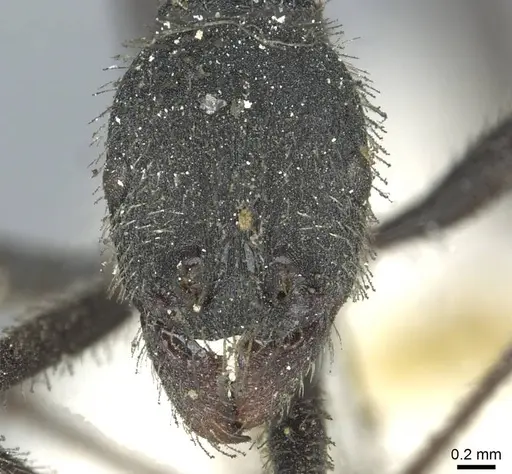
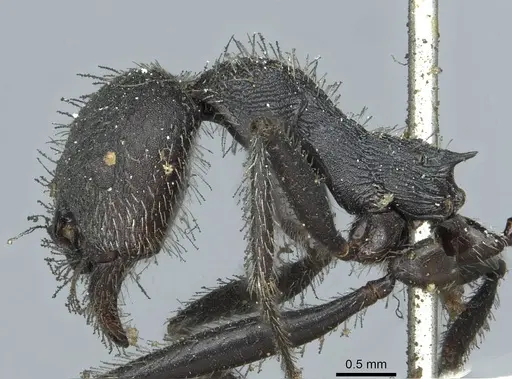
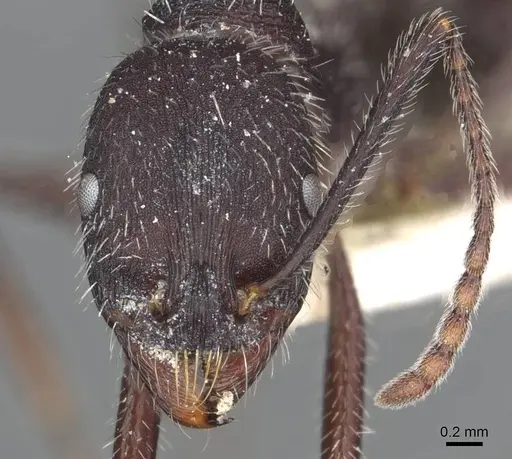
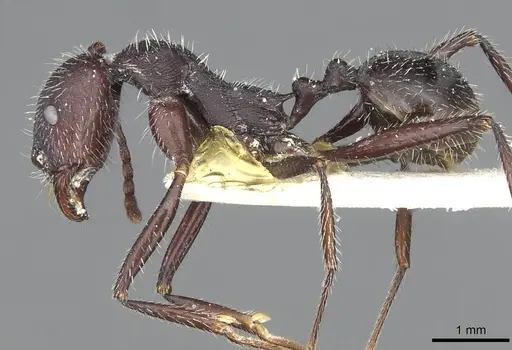
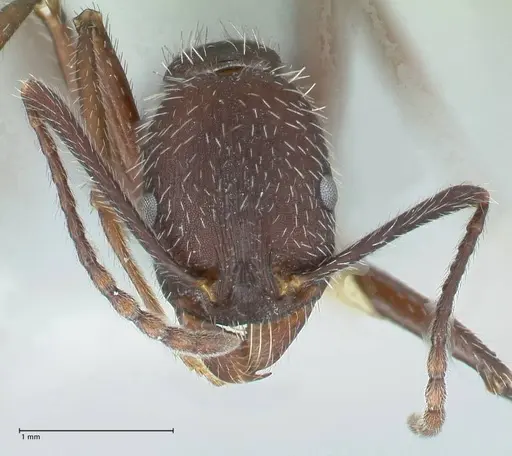
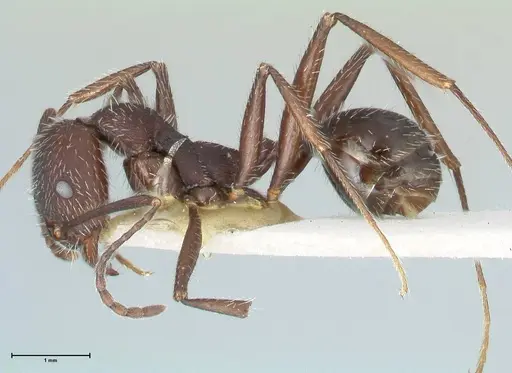
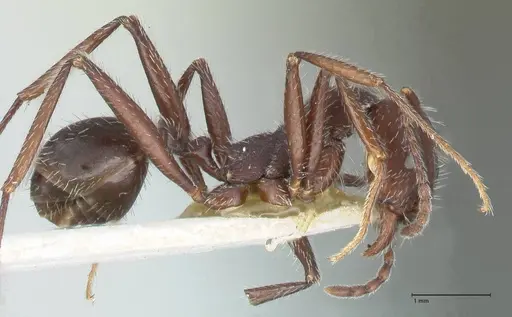
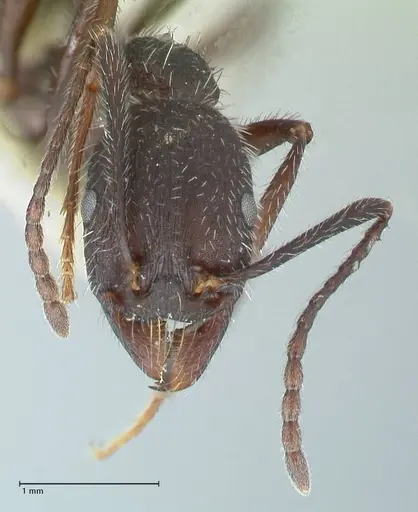
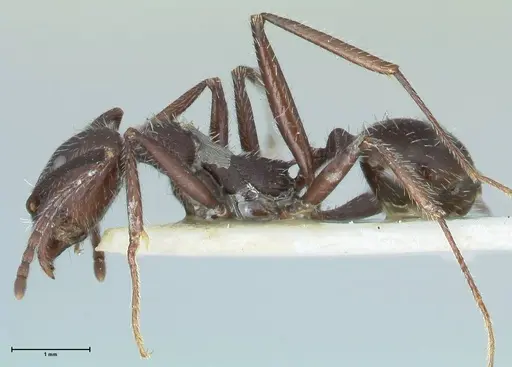
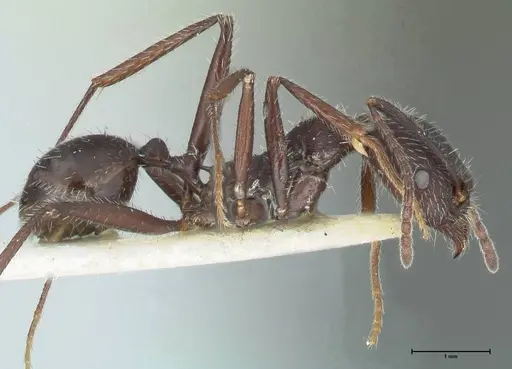
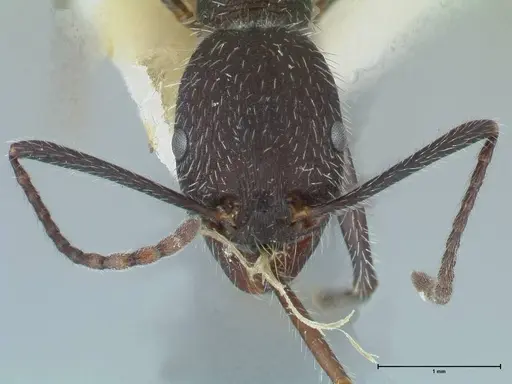
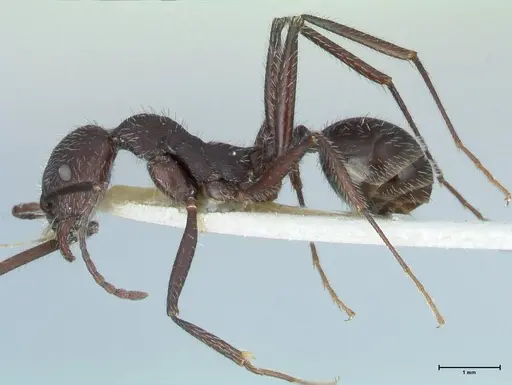
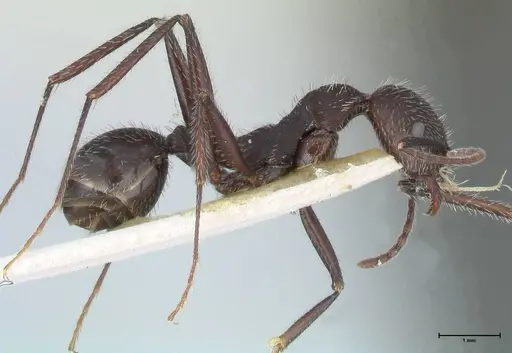
Aphaenogaster testaceopilosa is a medium-sized Mediterranean ant with workers around 5-7mm, typically appearing dull black with long white hairs [1][2]. True populations of this species are restricted to Algeria [3][4], though historical records often confused it with related European species now separated into distinct taxa [5]. Recent genetic work suggests it may be synonymous with Aphaenogaster spinosa, though this relationship remains poorly resolved [6]. In their natural habitat, these ants nest under flat stones and in wall cavities, often leaving telltale debris piles of insect remains near their entrances [7]. They are active, graceful foragers that scavenge dead insects and hunt small live prey [8][7].
Quick Summary
- Difficulty: Medium
- Origin & Habitat: Algeria, specifically the Mediterranean coastal region and Atlas Mountains [3][4]. They inhabit open woodlands, scrubland, and rocky areas where they can nest under stones.
- Colony Type: Likely single-queen (monogyne), though colony structure is not well documented. Observations of related populations suggest queens may sometimes be wingless, potentially complicating founding [9].
- Colony: Monogyne
- Size & Growth:
- Queen: Estimated 7-9 mm (not directly measured in available research).
- Worker: 5-7 mm [2].
- Colony: Estimated up to 1,000-2,000 workers based on genus patterns.
- Growth: Moderate
- Development: Estimated 8-12 weeks at 25°C based on related temperate Aphaenogaster species. (Development time is inferred and may vary with temperature.)
- Antkeeping:
- Temperature: 24-28°C during the active season (spring through autumn). For winter diapause, cool gradually to 10-15°C for 3-4 months [4].
- Humidity: Moderate humidity. Keep nest material slightly moist but not waterlogged, think Mediterranean scrubland rather than tropical forest.
- Diapause: Yes, likely required. As a temperate Mediterranean species, they expect a cool, dry winter rest period.
- Nesting: In nature they nest under flat stones and in wall crevices [7][10]. In captivity, use a Y-tong (AAC) nest with narrow chambers, or a naturalistic setup with flat stones and sandy soil. Avoid tall, open spaces.
- Behavior: Active and graceful foragers that scavenge dead insects and hunt small prey like woodlice [7][8]. They are not particularly aggressive but will defend their nest. Medium size means they can squeeze through small gaps, so use fine mesh barriers [11].
- Common Issues: taxonomic confusion means specimens labeled as A. testaceopilosa may actually be A. spinosa or other related species., founding behavior is unconfirmed, some related populations have wingless queens that cannot fly, making colony founding from single queens potentially impossible., failure to provide winter diapause often leads to colony decline after 1-2 years., medium size allows escape through gaps that larger ants cannot fit through.
Taxonomic Status and Identification
There is significant confusion surrounding Aphaenogaster testaceopilosa. Recent genetic studies using DNA barcoding suggest it may be a junior synonym of Aphaenogaster spinosa, though the evidence is not strongly supported [6]. Additionally, while historical records listed this species across Europe and North Africa, modern taxonomy restricts the true A. testaceopilosa to Algeria [3][5]. Records from Greece, Sardinia, and other European locations likely represent different species within the testaceopilosa species group that require further revision [5]. For antkeepers, this means ants purchased or collected as A. testaceopilosa may actually be A. spinosa or another closely related species, particularly if sourced from European collectors.
Natural History and Nesting
In their native Algeria, these ants typically nest under flat stones or in cavities within walls and rocky outcrops [7][10]. They often create small debris piles near their nest entrances containing the remains of prey items, particularly insect parts and woodlice [7]. They are also known to host numerous myrmecophiles (ant-associated organisms), including specific beetles like Sternocoelis species and silverfish [12][13][14]. Their nests are generally small to medium in size with narrow entrances.
Colony Founding and Queen Biology
The founding behavior of true A. testaceopilosa is unconfirmed. However, observations of populations historically identified as this species in Sardinia revealed that queens were consistently wingless and did not perform nuptial flights [9][15]. If this applies to your colony, founding from a single queen will be impossible, as wingless queens typically reproduce through colony fission (budding) rather than independent founding. You may need to collect an entire colony with workers and brood to establish them in captivity. If your queens have wings, they likely follow the standard Aphaenogaster pattern of claustral founding (sealing themselves in and living off fat reserves until workers hatch).
Feeding and Diet
Aphaenogaster testaceopilosa are generalist predators and scavengers. In nature, they have been observed carrying live woodlice, small Hemiptera, and dead insects back to their nests [7][10]. They will also scavenge dead arthropods found near their nesting sites. In captivity, feed them a varied diet of small insects (fruit flies, pinhead crickets, mealworm pieces) and a carbohydrate source like sugar water or honey. They are not typically seed-collecting ants, so focus on protein sources.
Temperature and Seasonal Care
Coming from the Mediterranean region of Algeria, these ants experience hot, dry summers and mild, wet winters [4]. Keep them at 24-28°C during the active season. They likely require a winter diapause period, gradually cool the colony to 10-15°C for 3-4 months during winter. Without this seasonal cooling, colonies often fail after a year or two. Maintain moderate humidity year-round, the nest material should feel slightly damp but never soggy.
Frequently Asked Questions
Is Aphaenogaster testaceopilosa the same as Aphaenogaster spinosa?
Recent DNA studies suggest A. testaceopilosa may be a junior synonym of A. spinosa, meaning they might be the same species [6]. Additionally, many ants sold as A. testaceopilosa from European sources are actually different species within the testaceopilosa group. True A. testaceopilosa appears restricted to Algeria [3].
Can I start an Aphaenogaster testaceopilosa colony from a single queen?
This is uncertain. While typical Aphaenogaster species have winged queens that found colonies alone (claustral founding), observations of related Mediterranean populations suggest some have wingless queens that cannot fly and require colony fission to reproduce [9]. If your queen has wings, you can likely found her normally, if wingless, you will need to collect an established colony.
Do Aphaenogaster testaceopilosa need to hibernate?
Yes, as a temperate Mediterranean species, they likely require a winter diapause period. Cool them to 10-15°C for 3-4 months during winter. Without this rest period, colonies often die off after a year or two.
What is the best nest type for Aphaenogaster testaceopilosa?
They naturally nest under flat stones and in narrow soil cavities [7]. A Y-tong (AAC) nest with small chambers, or a naturalistic setup with flat stones, sand, and clay works best. They prefer tight spaces and will often block off excess room with debris.
How big do Aphaenogaster testaceopilosa colonies get?
Specific data is unavailable, but based on related Aphaenogaster species, expect colonies to reach several hundred to possibly 2,000 workers over a few years. They are not supercolonial and maintain discrete nest boundaries.
What do Aphaenogaster testaceopilosa eat?
They are generalist predators and scavengers. Feed them small live or dead insects like fruit flies, woodlice, and mealworm pieces [7]. They also accept sugar water or honey for carbohydrates. They do not typically collect seeds.
Are Aphaenogaster testaceopilosa good for beginners?
They are moderate difficulty. While not aggressive, they require proper seasonal cycling (diapause) and their founding behavior is uncertain. Additionally, taxonomic confusion means you may not know exactly which species you have. They are better suited for keepers with some experience.
How long until Aphaenogaster testaceopilosa get their first workers?
Development time is not directly studied, but based on related temperate Aphaenogaster species, expect roughly 8-12 weeks from egg to worker at 25°C. The first workers (nanitics) will be smaller than subsequent generations.
References

This caresheet is licensed under CC BY-SA 4.0 .
CASENT0280967
View on AntWeb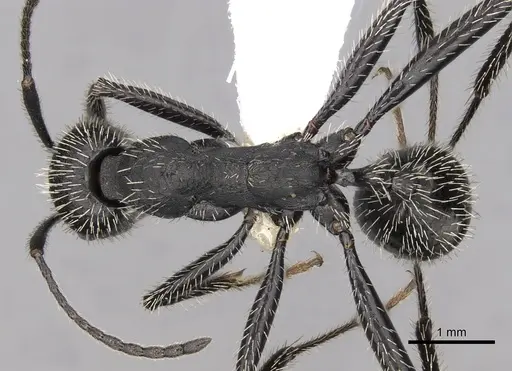
CASENT0904162
View on AntWeb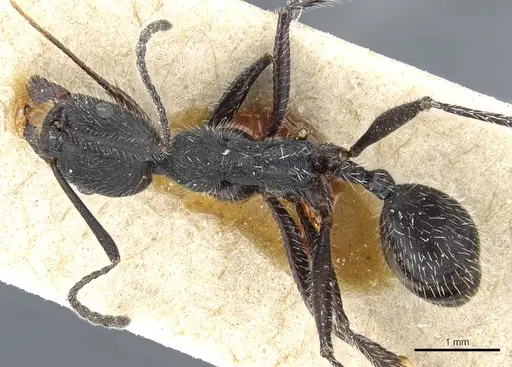
CASENT0913133
View on AntWeb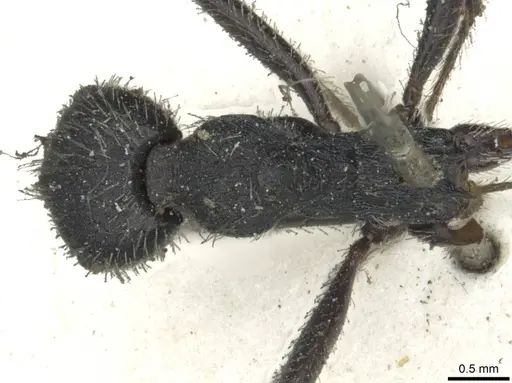
CASENT0913134
View on AntWeb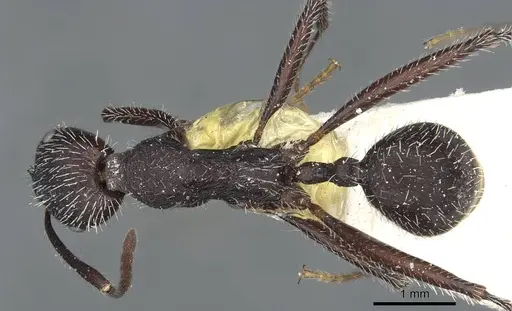
CASENT0915437
View on AntWeb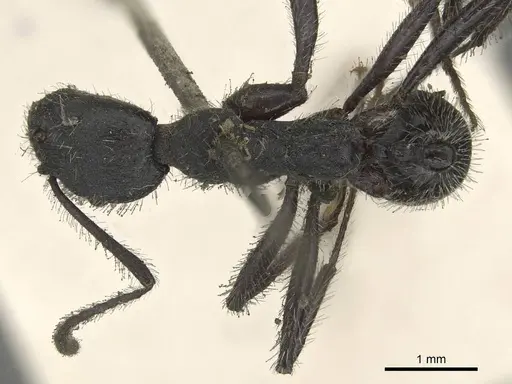
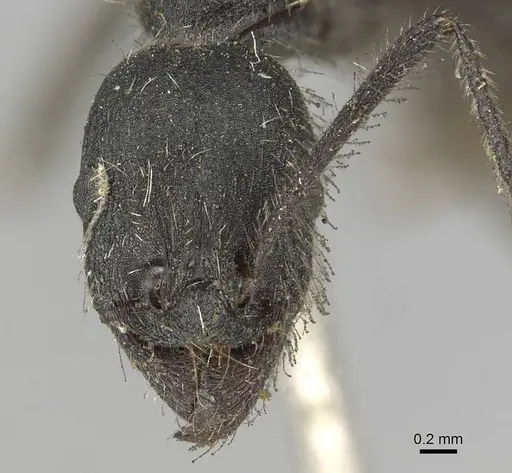
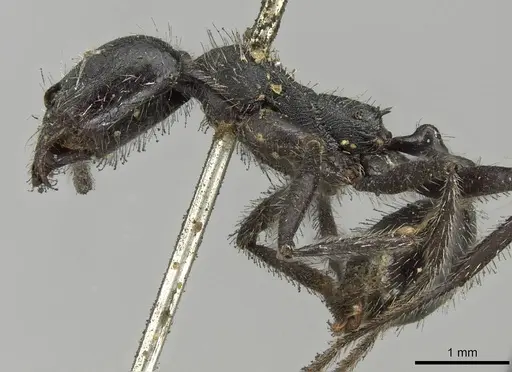
FOCOL1234
View on AntWeb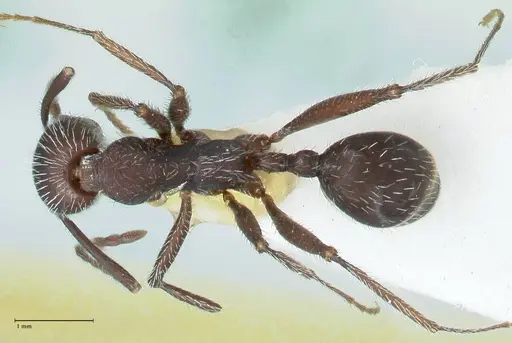
FOCOL1235
View on AntWeb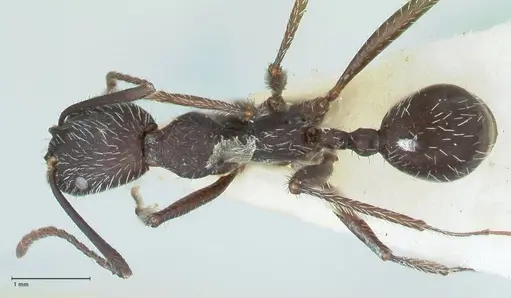
FOCOL1236
View on AntWeb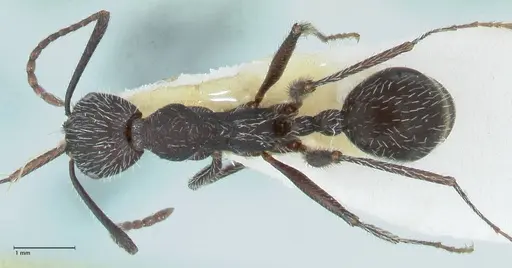
Literature
Loading...Loading products...