

Aphaenogaster subterraneoides
- Scientific Name
- Aphaenogaster subterraneoides
- Tribe
- Stenammini
- Subfamily
- Myrmicinae
- Author
- Emery, 1881
- Distribution
- Found in 3 countries
Aphaenogaster subterraneoides Overview
Aphaenogaster subterraneoides is an ant species of the genus Aphaenogaster. It is primarily documented in 3 countries , including Cyprus, Greece, Türkiye. Detailed taxonomic data and occurrence records can be further explored via authoritative databases such as AntWeb or the Global Biodiversity Information Facility (GBIF).
Aphaenogaster subterraneoides
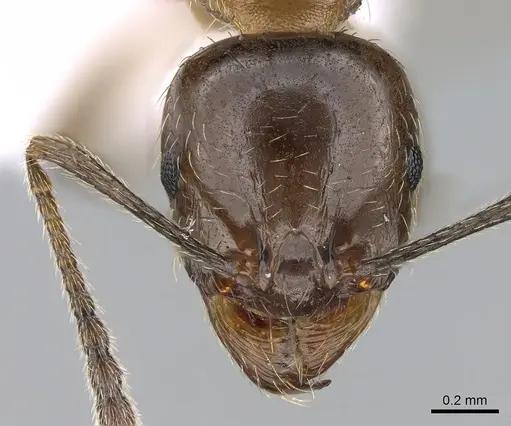
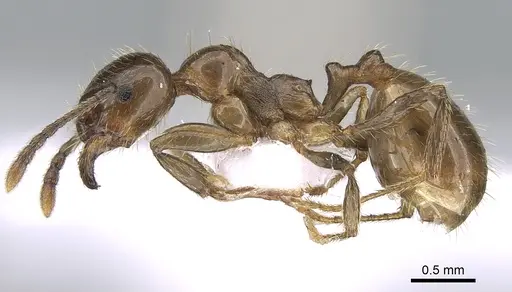
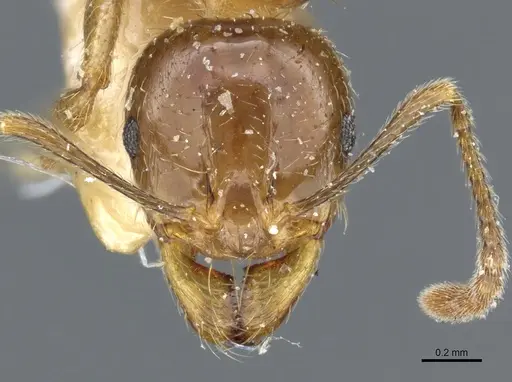
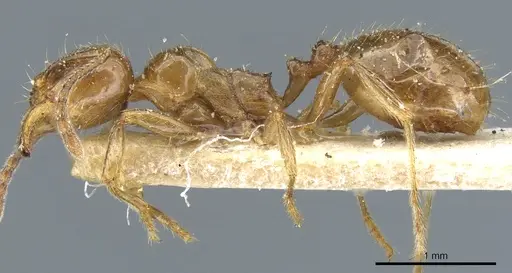
Aphaenogaster subterraneoides is a small, secretive ant found across the Mediterranean and Balkans, from Greece and Bulgaria to Turkey and Ukraine [1][2]. Workers are tiny, with head widths of just 0.73-0.90mm, and can be distinguished from the similar Aphaenogaster pallida by the presence of minute spines on their propodeum (the rear section of the middle body) [3][4]. They inhabit diverse habitats including steppe grasslands, pine forests, and alpine pastures from sea level up to 1120 meters elevation, always nesting in humid soil under stones [5][6].
These ants are strictly nocturnal and cryptic. Researchers have never observed active workers during the day, catching them only in overnight pitfall traps [6]. When you lift their nesting stones, workers immediately burrow into the soil to hide rather than flee or attack [6]. This shy, night-time lifestyle makes them a unique but challenging species to keep, as you will rarely see them during daylight hours.
Quick Summary
- Difficulty: Medium
- Origin & Habitat: Mediterranean and Balkan regions including Greece, Bulgaria, Cyprus, Turkey, Ukraine, and the Caucasus [1][2]. Found in steppe grasslands, forest edges, coastal pine areas, and alpine zones with limestone rocks, always nesting in humid soil under stones at elevations from 7 to 1120 meters [3][5][6].
- Colony Type: Likely monogyne (single-queen colonies) based on typical Aphaenogaster patterns, though this is unconfirmed for this species.
- Size & Growth:
- Queen: Unconfirmed in research, likely 5-7mm based on typical Aphaenogaster proportions.
- Worker: Head width 0.73-0.90mm (approximately 3-4mm body length) [6].
- Colony: Unknown, likely reaches several hundred workers based on genus patterns.
- Growth: Moderate (estimated).
- Development: Unknown, likely 8-12 weeks based on related temperate Aphaenogaster species. (Development time is inferred from similar species, actual timing may vary with temperature.)
- Antkeeping:
- Temperature: 20-25°C (68-77°F) with a gentle gradient. Mediterranean climate species that tolerates mild conditions [7].
- Humidity: High humidity required. Nest substrate should be consistently moist but not waterlogged, mimicking the humid soil under stones they prefer [5].
- Diapause: Likely requires winter rest (hibernation) from November to February at 10-15°C based on their temperate distribution, though specific studies are lacking.
- Nesting: Soil-based nests under stones. In captivity, use Y-tong (aerated concrete), plaster, or naturalistic setups with flat stones and humid substrate [5][6].
- Behavior: Nocturnal and cryptic. Workers are shy, fast-moving, and immediately seek cover when exposed to light [6]. Non-aggressive. Their tiny size makes escape prevention critical.
- Common Issues: tiny size means they can squeeze through the smallest gaps in mesh or lids., nocturnal activity means the colony may appear inactive or dead during daytime observation., require consistent substrate moisture, desiccation is a major risk if the nest dries out., sensitive to disturbance and bright light, frequent nest checks cause stress.
Nest Preferences
In nature, Aphaenogaster subterraneoides always nests in humid soil, most often under medium-sized rocks [5]. They occupy diverse microhabitats from coastal pine forests with phrygana to alpine limestone pastures above 1100 meters elevation [6]. When their stone is lifted, workers immediately attempt to burrow into the soil rather than flee or defend the nest aggressively [6].
In captivity, recreate this cryptic, humid environment. A naturalistic setup with a deep layer of soil or plaster, topped with flat stones or bark pieces, works best. They require dark, humid chambers away from light. Y-tong (aerated concrete) nests with narrow chambers also suit their small size, provided you maintain high humidity. Avoid open acrylic nests with bright lighting, as this stresses these light-sensitive ants.
Feeding and Diet
While specific dietary studies are lacking for this species, Aphaenogaster ants are generalist scavengers and seed collectors. In the wild, they likely consume small dead insects, seeds (myrmecochory is common in the genus), and honeydew from aphids and scale insects.
In captivity, offer small prey appropriate for their size: fruit flies (Drosophila), springtails, or tiny pieces of mealworm or cricket. Provide a constant source of sugar via test tubes with honey water or sugar water diluted on cotton balls. Because they are nocturnal, place food in the outworld in the evening and check for removal in the morning. [7]
Temperature and Care
Coming from Mediterranean and steppe climates, these ants prefer moderate warmth. Keep the nest area at 20-25°C with a heating cable on one side to create a gentle gradient. They can tolerate cooler conditions but growth slows significantly below 20°C.
Given their distribution across temperate regions from Bulgaria to Ukraine, they likely require a winter diapause (hibernation) period. From November to February, gradually reduce the temperature to 10-15°C, stop feeding protein, and maintain slightly reduced humidity. Resume normal care in spring when temperatures rise. [3][2]
Behavior and Temperament
These ants are strictly nocturnal. You will not observe activity during daylight hours unless you disturb the nest, and even then they will seek immediate cover [6]. They are not aggressive and rely on hiding rather than fighting or stinging when threatened.
Their small size (under 4mm) and speed make them excellent escape artists. You must use fine mesh (stainless steel 0.5mm or finer) and excellent barriers like Fluon or talcum powder barriers on all outworld surfaces. Because they are cryptic, beginners may think their colony has died when the ants are simply hiding deep in the substrate during the day.
Identification and Similar Species
Aphaenogaster subterraneoides belongs to the pallida species group and is most easily confused with Aphaenogaster pallida [3][4]. The key difference is the propodeum (the rear part of the thorax): A. subterraneoides has minute propodeal spines, while A. pallida has a rounded propodeum completely lacking spines [3].
This species is the most widespread member of the pallida group across the Balkans and Eastern Mediterranean [3]. Workers have abundant hairs on their scapes (antennae bases) with hairs diverging at approximately 45-degree angles in the distal half [4].
Frequently Asked Questions
Can I keep Aphaenogaster subterraneoides in a test tube?
Yes, a standard test tube setup works for founding colonies, but provide darkness by wrapping the tube in foil or keeping it in a dark drawer. They are sensitive to light and will stress if kept illuminated.
Do Aphaenogaster subterraneoides need hibernation?
Likely yes. Given their temperate distribution across the Balkans and Ukraine, they probably require a winter diapause from November to February at 10-15°C, though specific research on their seasonal cycle is lacking.
What do Aphaenogaster subterraneoides eat?
They are generalist scavengers. Feed small insects like fruit flies, springtails, or tiny pieces of mealworm, plus sugar water or honey. Remove uneaten protein within 24 hours to prevent mold.
How long until first workers for Aphaenogaster subterraneoides?
The egg-to-worker timeline is unconfirmed. Based on related temperate Aphaenogaster species, expect roughly 8-12 weeks at 25°C, though this may vary.
How big do Aphaenogaster subterraneoides colonies get?
Maximum colony size is unknown. Based on typical Aphaenogaster biology, they likely reach several hundred workers, though this is not documented in the available research.
Are Aphaenogaster subterraneoides good for beginners?
They are medium difficulty. While they are not aggressive and have moderate care requirements, their tiny size requires excellent escape prevention, and their nocturnal habits mean you will rarely see them active.
Do Aphaenogaster subterraneoides sting?
They possess a small sting like most Myrmicinae ants, but they are not dangerous to humans due to their small size. They prefer to hide rather than sting when disturbed.
How do I tell Aphaenogaster subterraneoides from Aphaenogaster pallida?
Examine the propodeum (rear thorax) under magnification. Aphaenogaster subterraneoides has minute spines on the propodeum, while A. pallida has a completely rounded propodeum without any spines [3].
Why can't I see my Aphaenogaster subterraneoides workers?
They are strictly nocturnal and cryptic. Workers hide deep in the substrate during the day and only emerge at night [6]. Check the outworld with a red light after dark to observe them.
Can I keep multiple Aphaenogaster subterraneoides queens together?
Not recommended. While the colony structure is unconfirmed for this species, combining unrelated queens is risky unless polygyny (multiple queens) is documented, which it is not for this species.
References

This caresheet is licensed under CC BY-SA 4.0 .
CASENT0281536
View on AntWeb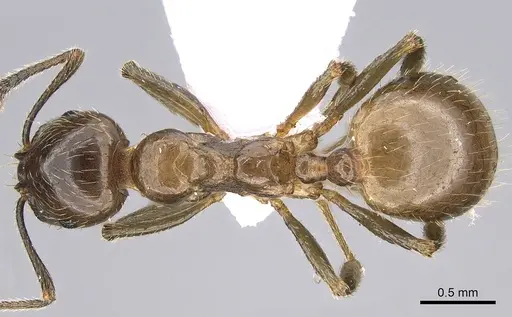
CASENT0904155
View on AntWeb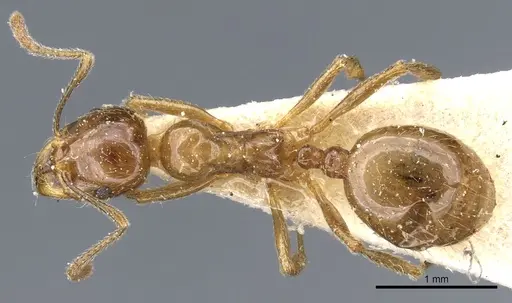
Literature
Loading...Loading products...