

Aphaenogaster pallida
- Scientific Name
- Aphaenogaster pallida
- Tribe
- Stenammini
- Subfamily
- Myrmicinae
- Author
- Nylander, 1849
- Distribution
- Found in 3 countries
Aphaenogaster pallida Overview
Aphaenogaster pallida is an ant species of the genus Aphaenogaster. It is primarily documented in 3 countries , including Algeria, Italy, Tunisia. Detailed taxonomic data and occurrence records can be further explored via authoritative databases such as AntWeb or the Global Biodiversity Information Facility (GBIF).
Aphaenogaster pallida
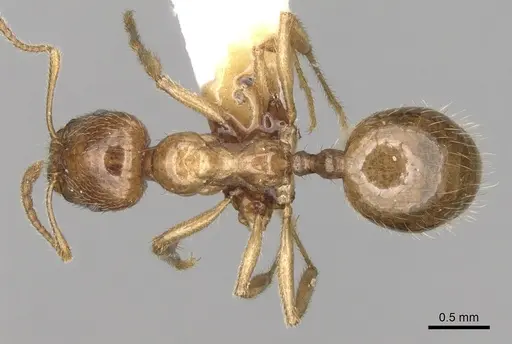
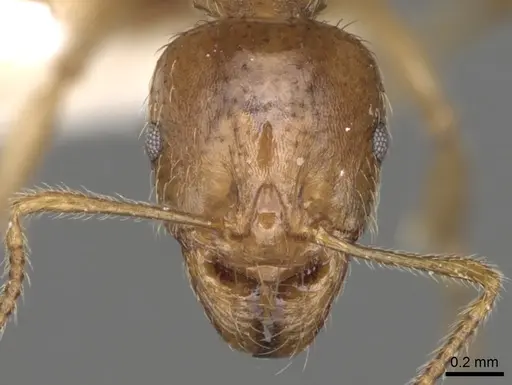
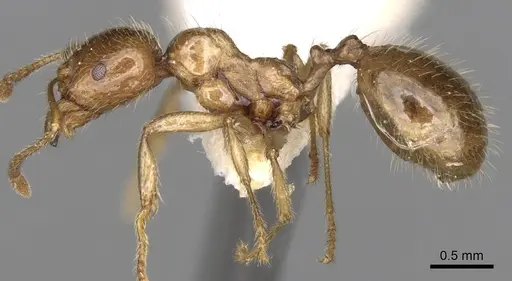
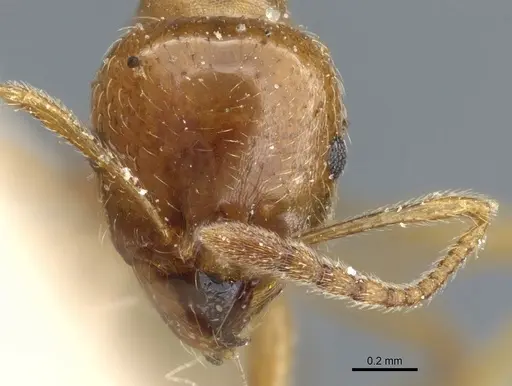
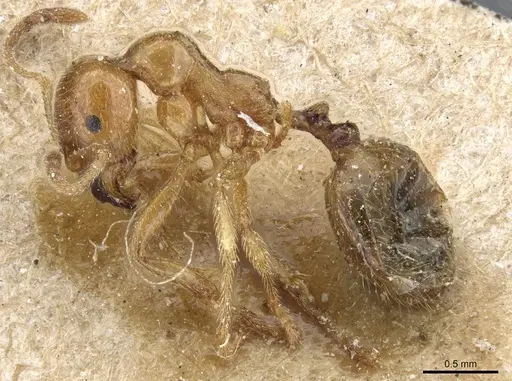
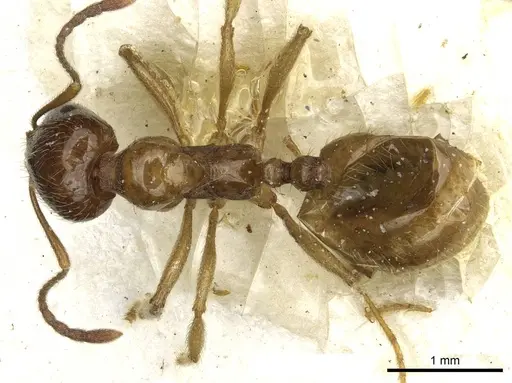
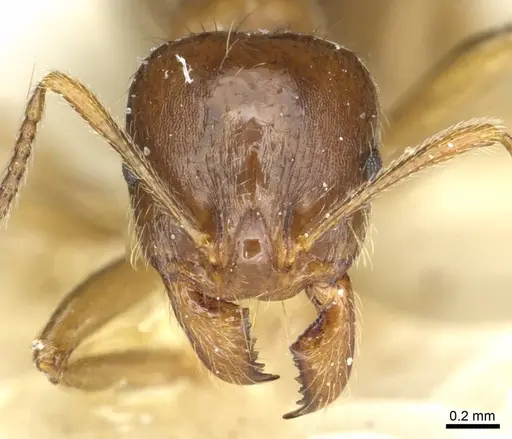
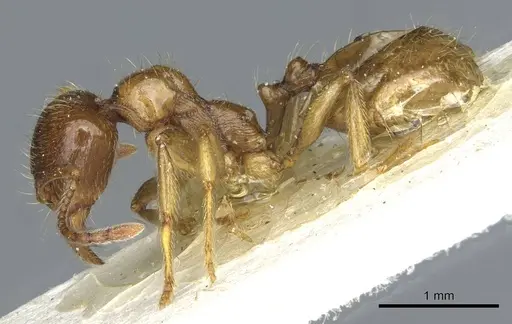
Aphaenogaster pallida is a small Mediterranean ant with a distinctive rounded propodeum, the rear section of the thorax lacks the small spines found in its close relative A. subterraneoides [1]. These ants inhabit the warm, dry landscapes of the Mediterranean basin, from Sicily and mainland Italy across to North Africa (Algeria, Morocco, Tunisia), where they nest under stones in maquis shrubland and olive plantations [2][3][4]. Recent taxonomic revisions have merged the previously separate A. leveillei and its subspecies laurenti into A. pallida, confirming it as a single widespread species across Mediterranean islands and coastlines [3].
Quick Summary
- Difficulty: Medium
- Origin & Habitat: Mediterranean region including Sicily, mainland Italy, Corsica, and North Africa (Algeria, Morocco, Tunisia), found under stones in maquis shrubland, olive plantations, and forested slopes at elevations of 360-700m [2][3][4].
- Colony Type: Unknown from direct research.
- Size & Growth:
- Queen: Unknown from available research.
- Worker: Unknown from available research, described as small and potentially confused with small workers of A. subterranea [5].
- Colony: Unknown.
- Growth: Unknown.
- Development: Unknown. (No development studies are available for this species.)
- Antkeeping:
- Temperature: Warm stable temperatures likely preferred, based on Mediterranean habitat at approximately 37°N latitude, aim for 20-28°C [6].
- Humidity: Moderate humidity with well-drained substrate, wild colonies found under stones in habitats ranging from dry maquis to olive plantations [2].
- Diapause: Unknown, Mediterranean species may experience winter slowdown but specific requirements are undocumented.
- Nesting: Naturalistic setups with flat stones or artificial nests with tight chambers, in nature they nest exclusively under stones [2][3].
- Behavior: Insectivorous diet documented in wild populations [7], slow deliberate foragers typical of the genus Aphaenogaster, small size presents moderate to high escape risk.
- Common Issues: small size means escapes are likely without fine mesh barriers or Fluon., development timeline is completely unknown, requiring patience and careful observation., easily confused with Aphaenogaster subterraneoides, verify the propodeum is rounded without spines before purchasing [1].
Taxonomy and Identification
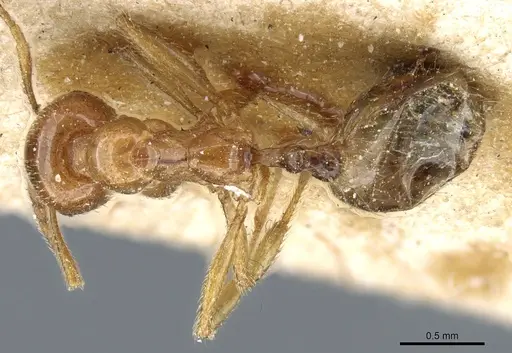
Aphaenogaster pallida belongs to the pallida-group within the genus. You can distinguish it from the very similar A. subterraneoides by examining the propodeum, which is the rear section of the thorax: A. pallida has a rounded propodeum completely lacking spines, while A. subterraneoides possesses minute propodeal spines [1]. Recent research has clarified that A. leveillei (previously considered a separate species or subspecies) and its form laurenti are actually junior synonyms of A. pallida, meaning they are now considered the same species, making A. pallida more widespread than previously thought [3]. Queens are described as very hairy with dense hairs on the gaster and postpetiole [8].
Distribution and Natural Habitat
This species ranges across the Mediterranean basin, from Sicily and mainland Italy (including Corsica and the Aeolian Islands) to North Africa (Algeria, Morocco, Tunisia) [2][3][4][9]. They occupy warm, dry habitats including maquis shrubland, olive plantations, and forested slopes, typically at elevations between 360-700 meters [2]. In all these locations, they show a strong preference for nesting under stones [2][3], suggesting they require secure, tight-fitting nest sites with moderate humidity and good drainage.
Feeding and Diet
Wild populations are documented as insectivorous [7]. In captivity, you should provide small live insects such as fruit flies, springtails, or tiny cricket nymphs. While sugar acceptance has not been specifically documented for this species, most Aphaenogaster will take sugar water or honey water, so offer these occasionally but prioritize protein sources.
Nesting and Captive Housing
In nature they nest exclusively under stones [2][3], so replicate this with a naturalistic setup using flat stones over a soil or plaster substrate, or use a Y-tong nest with a tight-fitting cover. They likely prefer moderate humidity with good drainage, avoid waterlogged conditions. Because they nest under stones, they probably prefer darker, more enclosed spaces over open areas. Ensure excellent escape prevention due to their small size.
Temperature and Seasonal Care
Coming from Mediterranean climates at approximately 37°N latitude [6], these ants likely prefer warm, stable temperatures between 20-28°C. They have been collected across all seasons including winter months (December through February) [3], suggesting they remain somewhat active year-round in mild conditions, though specific hibernation requirements are unconfirmed. If keeping them in cooler climates, you may observe winter slowdown, reduce feeding during cooler periods.
Frequently Asked Questions
Can I keep Aphaenogaster pallida in a test tube?
Founding behavior is unconfirmed for this species. Most Aphaenogaster are semi-claustral, meaning the queen leaves the nest to forage during the founding period. If this holds true for A. pallida, a standard test tube setup would be inappropriate, use a small container with substrate and food access instead.
How long does Aphaenogaster pallida take from egg to worker?
The egg-to-worker timeline is completely unknown for Aphaenogaster pallida. Be prepared to wait several weeks to months without specific guidance.
Do Aphaenogaster pallida need hibernation?
Winter care requirements are unconfirmed. They are active in winter in their native Mediterranean habitats [3], so they may not need full hibernation, but you can reduce temperatures slightly in winter if desired.
What does Aphaenogaster pallida eat?
They are insectivorous in the wild [7]. Feed small live insects in captivity, with occasional sugar water.
How do I identify Aphaenogaster pallida?
Check the propodeum, which is the rear part of the thorax. A. pallida has a rounded propodeum without spines, while the similar A. subterraneoides has small spines [1].
Can I keep multiple Aphaenogaster pallida queens together?
Colony structure is unknown. Do not attempt to combine multiple queens unless you have specific evidence this species accepts multiple queens.
Are Aphaenogaster pallida good for beginners?
They are likely medium difficulty, not because they are hard to keep, but because specific care parameters are undocumented. They require patience and careful observation.
Where does Aphaenogaster pallida come from?
The Mediterranean region, including Sicily, mainland Italy, Corsica, and North Africa (Algeria, Morocco, Tunisia) [2][3][4].
References

This caresheet is licensed under CC BY-SA 4.0 .
Literature
Loading...Loading products...