

Aphaenogaster sangiorgii
- Scientific Name
- Aphaenogaster sangiorgii
- Tribe
- Stenammini
- Subfamily
- Myrmicinae
- Author
- Emery, 1901
- Common Name
- Finzi's Collared Ant
- Distribution
- Found in 4 countries
Aphaenogaster sangiorgii Overview
Aphaenogaster sangiorgii (commonly known as the Finzi's Collared Ant) is an ant species of the genus Aphaenogaster. It is primarily documented in 4 countries , including Greece, Croatia, Italy. Detailed taxonomic data and occurrence records can be further explored via authoritative databases such as AntWeb or the Global Biodiversity Information Facility (GBIF).
Aphaenogaster sangiorgii - "Finzi's Collared Ant"
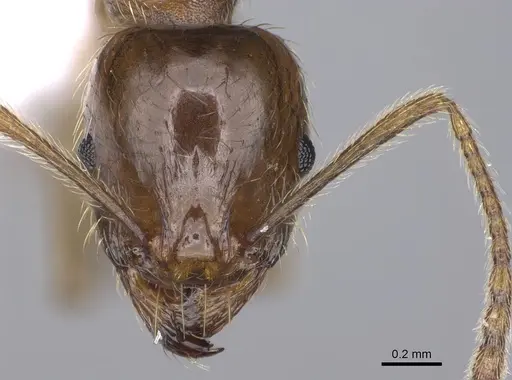
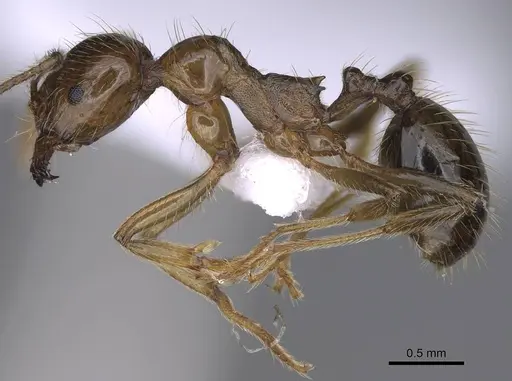
Aphaenogaster sangiorgii is a small, pale ant from the Mediterranean region. Workers are light yellowish-brown with a shiny appearance and distinct propodeal spines, measuring roughly 3-4 mm in length [1][2]. They live across the Balkans, Greece, Turkey, and Bulgaria, where they nest under large stones in shaded oak and conifer forests as well as in open grasslands and chestnut woodlands [3][2]. This species has a complicated taxonomic history, it was previously described under the names Aphaenogaster sangiorgii and Aphaenogaster sangiorgii until recent research confirmed they are all the same species [4]. They are strictly nocturnal and cryptic, quickly hiding under soil or debris when exposed to light [3][2].
Quick Summary
- Difficulty: Medium
- Origin & Habitat: Balkans, Greece, Turkey, and Bulgaria, found under stones in shaded forests and open grasslands from sea level to 1500m elevation [3][1][2]
- Colony Type: Unconfirmed, likely single-queen based on genus patterns, but not documented for this species
- Size & Growth:
- Queen: Approximately 5-6 mm total length (head width 1.15-1.20 mm) [1]
- Worker: Approximately 3-4 mm total length (mesosoma length 1.18-1.52 mm) [1][2]
- Colony: Unknown, likely moderate based on related Aphaenogaster species
- Growth: Unknown, estimated moderate
- Development: Unknown, estimated 8-12 weeks based on related Aphaenogaster species (Timeline inferred from genus patterns, temperature dependent)
- Antkeeping:
- Temperature: 20-25°C during activity period, likely requires winter diapause around 10-15°C based on temperate distribution
- Humidity: Moderate to high, nest substrate should remain moist but not waterlogged, mimicking forest floor conditions [3][5]
- Diapause: Likely yes, winter diapause expected based on temperate Mediterranean distribution and elevation range, though unconfirmed
- Nesting: Tight spaces under flat stones, captives do well in Y-tong nests with narrow chambers or naturalistic setups with stone shelters [2]
- Behavior: Nocturnal and cryptic, workers hide immediately when exposed to light. Non-aggressive but fast-moving. Small size requires excellent escape prevention [3][2]
- Common Issues: tiny workers can escape through the smallest gaps in mesh or lids., nocturnal behavior makes them difficult to observe during daylight hours., stress from excessive light or disturbance may cause colonies to fail., substrate drying out quickly in open outworlds due to small nest size.
Taxonomic History and Identification
Aphaenogaster sangiorgii was first described in 1901 from a single queen collected on Kephalonia Island in Greece [4]. For over a century, this species was confused with two other names: Aphaenogaster sangiorgii (described from Croatia in 1921) and Aphaenogaster sangiorgii (described from Turkey in 2008). Recent genetic and morphological work confirmed that all three represent the same species, with A. sangiorgii being the oldest name and therefore the correct one [4]. Workers belong to the Aphaenogaster pallida group and can be recognized by their shiny yellowish-brown bodies, very long hairs, and distinctive propodeal spines that are wide at the base and pointed at the tip [1][3].
Natural History and Behavior
In Greece, nests are found under large stones in shaded coniferous and oak forests at elevations between 600 and 840 meters [3][2]. When researchers lift these stones, the workers immediately rush to hide in the soil, showing their cryptic nature [2]. In Turkey and Bulgaria, they also inhabit open grasslands, chestnut forests, and streamside vegetation [3][1]. The species is strictly nocturnal, foraging at night and remaining hidden during the day [3]. This combination of nocturnal activity and cryptic behavior means captive colonies may appear inactive during daylight hours even when healthy.
Housing and Nest Design
Because they naturally live in tight spaces under flat stones, Aphaenogaster sangiorgii needs narrow chambers and good hiding places in captivity. A Y-tong (autoclaved aerated concrete) nest with small chambers, or a naturalistic setup with flat stones placed on a soil substrate, works well [2]. Provide plenty of dark hiding spots, these ants stress easily under bright light. Due to their small size (3-4 mm), escape prevention must be excellent. Use fine mesh (stainless steel or fiberglass) for ventilation, and ensure all gaps are sealed with Fluon or petroleum jelly barriers.
Temperature and Seasonal Care
This species inhabits Mediterranean climates from sea level up to 1470 meters in Turkey, suggesting they tolerate a range of temperatures [1]. During the active season (spring through autumn), keep them at 20-25°C. Because they come from temperate regions with distinct winters, they likely require a diapause period at 10-15°C for several months, though this has not been formally documented. Watch for reduced activity in autumn as a sign to begin cooling.
Feeding and Diet
Like other Aphaenogaster species, they are generalist predators and scavengers. In captivity, feed small live prey such as fruit flies, springtails, or tiny pieces of mealworms and crickets. They will also accept sugar water or honey water. Because they are nocturnal, place food in the outworld in the evening and check for removal in the morning. Remove uneaten protein within 24 hours to prevent mold. [5]
Frequently Asked Questions
Can I keep Aphaenogaster sangiorgii in a test tube?
Yes, a standard test tube setup works well for founding. Keep the tube in a dark place, as these ants are sensitive to light. Move them to a proper nest when the colony reaches 10-20 workers.
How long until Aphaenogaster sangiorgii first workers arrive?
The exact timeline is unconfirmed, but based on related Aphaenogaster species, expect roughly 8-12 weeks from egg to worker at 20-25°C.
Do Aphaenogaster sangiorgii need hibernation?
Likely yes. Given their temperate Mediterranean distribution and mountain habitats, they probably require a winter diapause at 10-15°C for 2-3 months, though this has not been formally documented.
What is the best nest type for Aphaenogaster sangiorgii?
Y-tong nests with narrow chambers or naturalistic setups with flat stones and soil work best. They need tight spaces to feel secure and dark covers to reduce stress.
How big do Aphaenogaster sangiorgii colonies get?
The maximum colony size is unknown. Based on related species in the pallida group, they likely reach moderate sizes of several hundred workers over a few years.
Are Aphaenogaster sangiorgii good for beginners?
They are medium difficulty. While they are not particularly aggressive, their small size requires excellent escape prevention, and their nocturnal habits make them harder to observe than day-active species.
Why are my Aphaenogaster sangiorgii always hiding?
This is normal behavior. They are strictly nocturnal and cryptic, spending daylight hours hidden under stones or in soil. They will emerge at night to forage.
Do Aphaenogaster sangiorgii ants sting?
They possess a stinger but are small (3-4 mm) and not aggressive. They are unlikely to sting humans, and if they did, it would be barely noticeable.
Can I keep multiple Aphaenogaster sangiorgii queens together?
Not recommended. The colony structure is unconfirmed for this species, and combining unrelated queens risks fighting. Start with a single queen.
What do Aphaenogaster sangiorgii eat?
They are generalist predators. Feed small insects like fruit flies, springtails, or tiny cricket pieces, plus sugar water or honey water.
References

This caresheet is licensed under CC BY-SA 4.0 .
CASENT0904171
View on AntWeb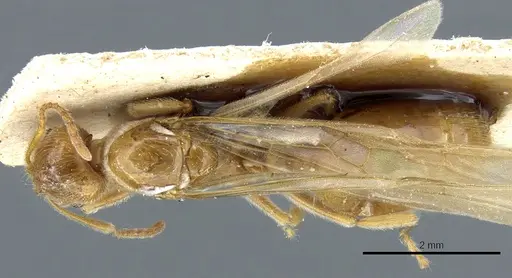
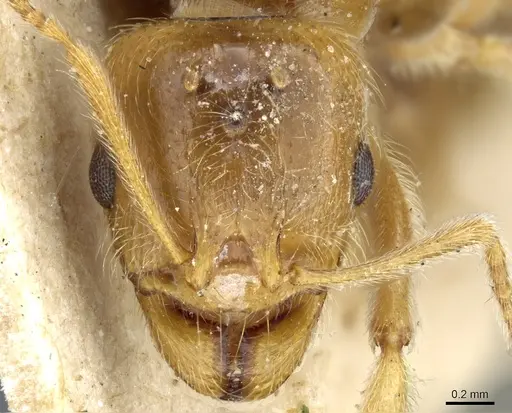
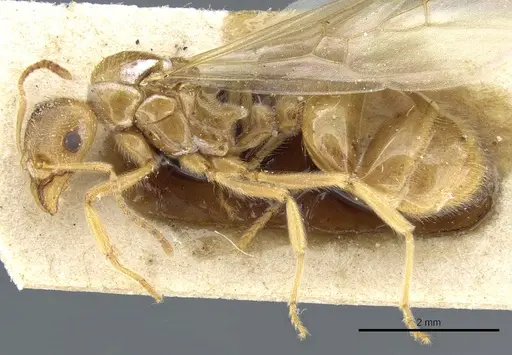
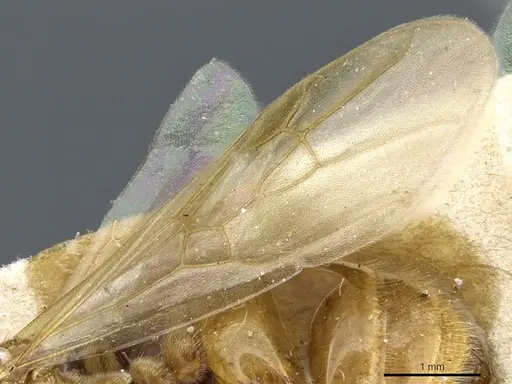
CASENT0914232
View on AntWeb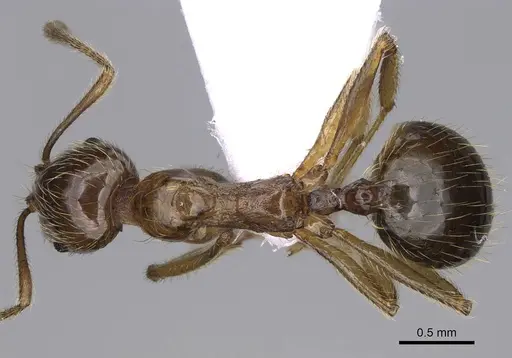
Literature
Loading...Loading products...