

Aphaenogaster patruelis
- Scientific Name
- Aphaenogaster patruelis
- Tribe
- Stenammini
- Subfamily
- Myrmicinae
- Author
- Forel, 1886
- Distribution
- Found in 2 countries
Aphaenogaster patruelis Overview
Aphaenogaster patruelis is an ant species of the genus Aphaenogaster. It is primarily documented in 2 countries , including Mexico, United States of America. Detailed taxonomic data and occurrence records can be further explored via authoritative databases such as AntWeb or the Global Biodiversity Information Facility (GBIF).
Aphaenogaster patruelis
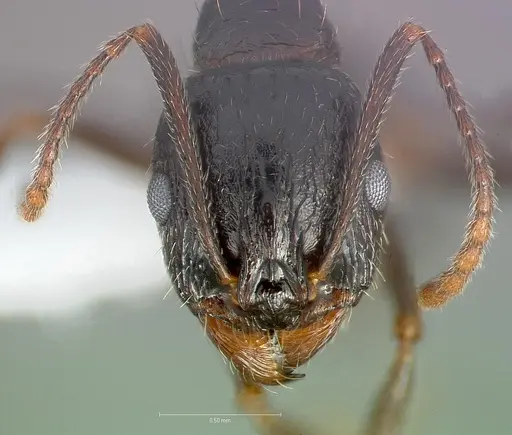
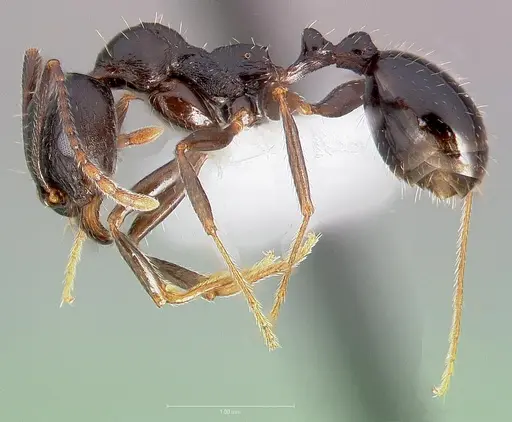
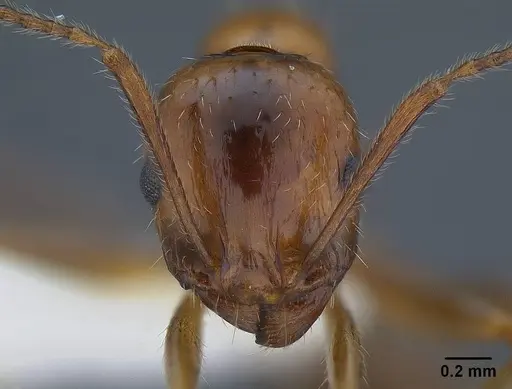
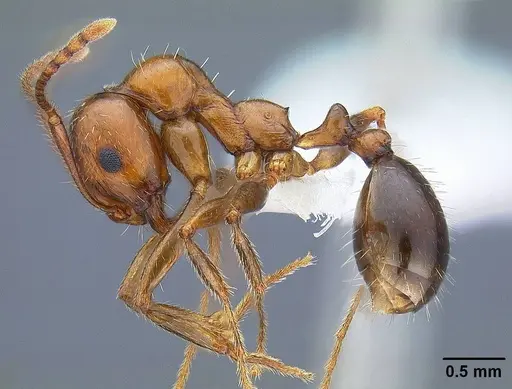
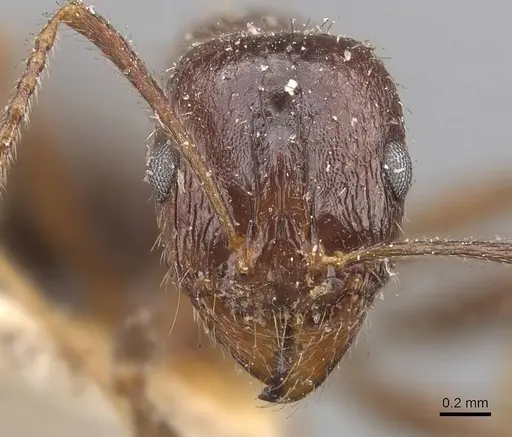
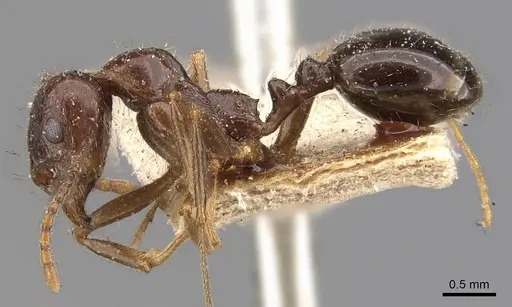
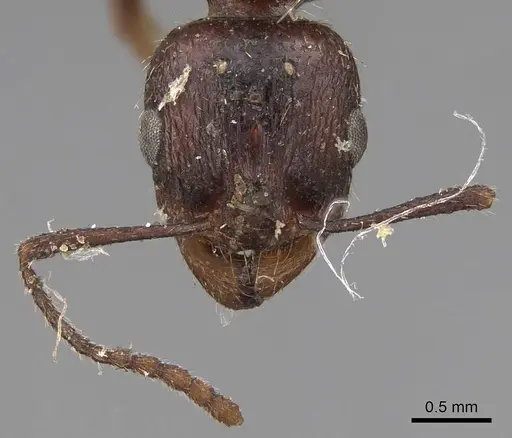
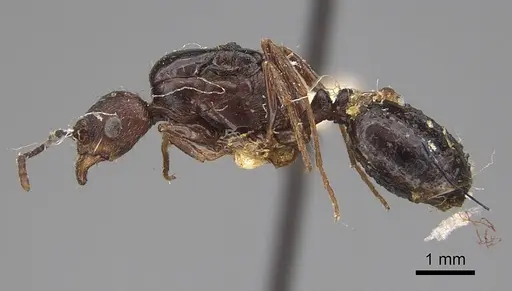
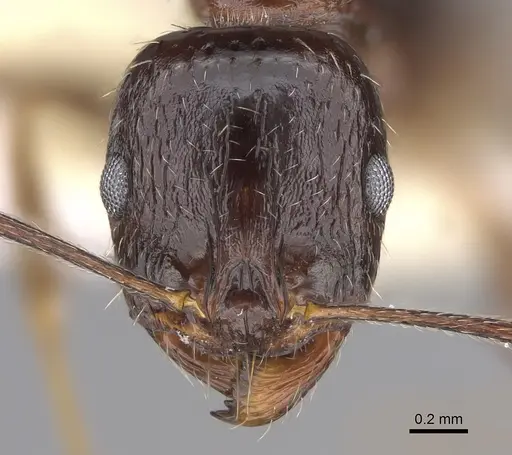
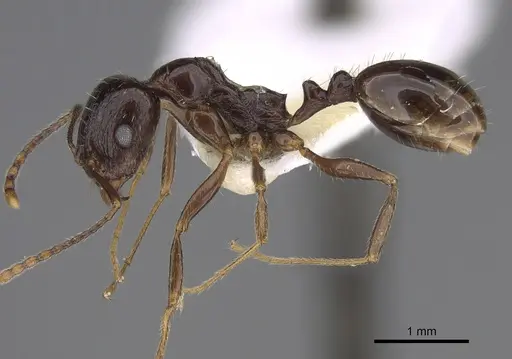
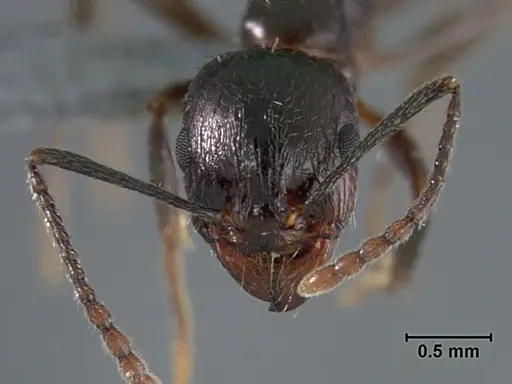
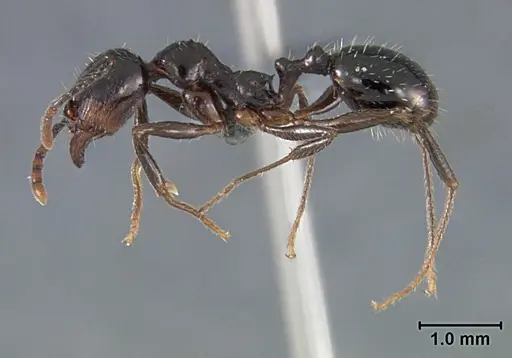
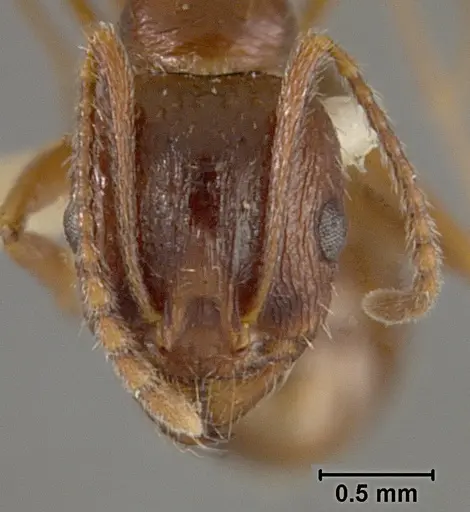
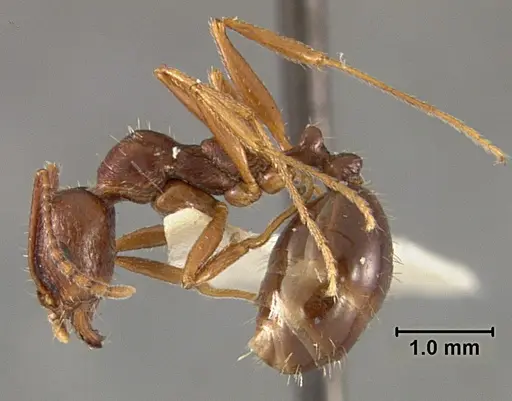
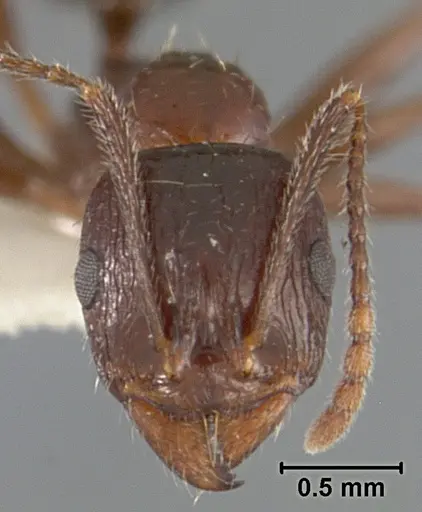
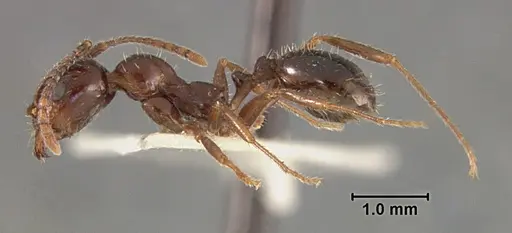
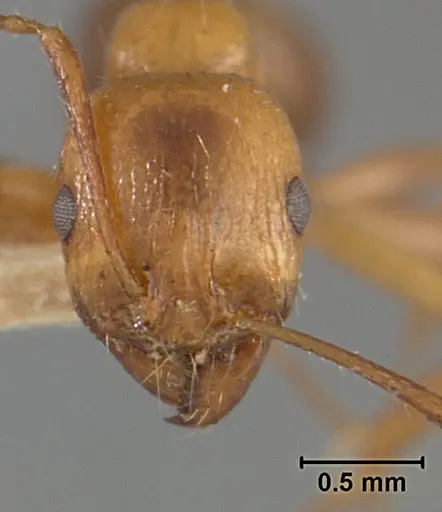
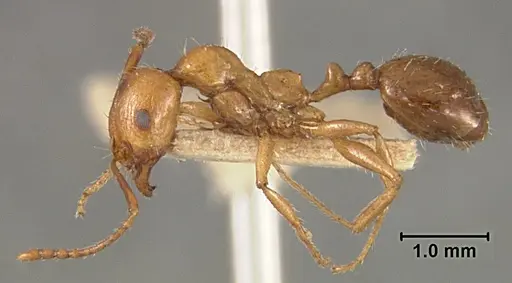
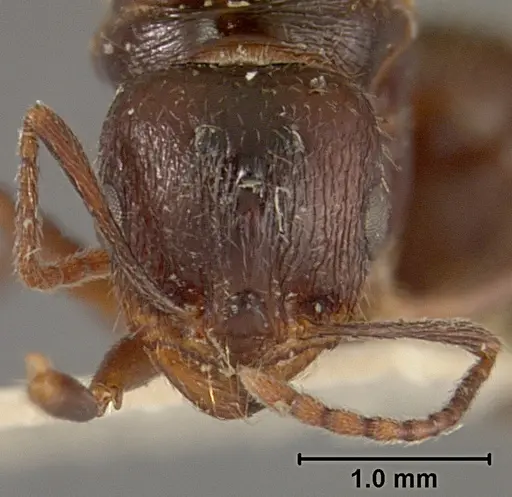
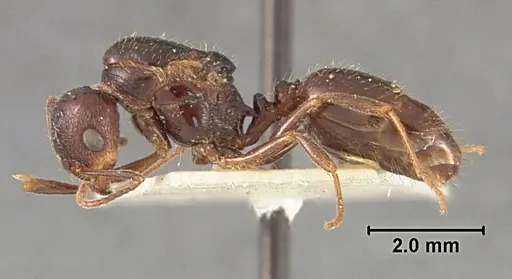
Aphaenogaster patruelis is a small, dark ant found only on the Channel Islands of California and Isla Guadalupe off the Mexican coast [1][2][3]. These island endemics range from dark brown to black with noticeably lighter legs [4]. Workers have a mesosoma (middle body section) length of about 1.44 mm, making them compact ants [5]. They sport minute spines on their rear thorax that are smaller than the width of their breathing holes [4]. Unlike strictly nocturnal relatives, these ants show variable foraging activity and possess the dark coloration typical of daytime-active species [5]. Their restricted island distribution makes them unique, but also means they are rarely available in the antkeeping trade and may face conservation protections.
Quick Summary
- Difficulty: Medium to Hard
- Origin & Habitat: Channel Islands of California (USA) and Isla Guadalupe, Mexico [1][2][3]. Coastal scrub, chaparral, and island woodland.
- Colony Type: Likely single-queen (monogyne) based on typical Aphaenogaster patterns, but unconfirmed for this species
- Colony: Monogyne
- Size & Growth:
- Queen: Unknown, likely 5-7mm based on typical Aphaenogaster patterns
- Worker: Mesosoma 1.44mm [5], estimated total length 3-5mm
- Colony: Unknown, likely small to moderate (hundreds of workers) based on genus patterns
- Growth: Moderate
- Development: Unknown, likely 8-12 weeks at 20-25°C based on temperate climate patterns (Estimate based on latitude 33°N and related temperate Aphaenogaster species)
- Antkeeping:
- Temperature: 20-25°C during activity season, provide winter rest at 10-15°C
- Humidity: Moderate, keep nest substrate damp but not waterlogged, with dry outworld areas available
- Diapause: Likely required, provide 2-3 months winter rest
- Nesting: Soil or rotting wood in nature. Use Y-tong, plaster, or naturalistic nests with small chambers sized for 3-5mm ants.
- Behavior: Slow-moving, non-aggressive foragers. Dark coloration suggests diurnal activity but foraging times are variable [5]. They show typical Aphaenogaster scavenging behavior.
- Common Issues: collection from wild populations is likely restricted or illegal due to island endemic status and conservation concerns, small size requires excellent escape prevention, use fine mesh and Fluon barriers, specific island microclimate may require careful humidity and temperature management compared to mainland species
Island Endemism and Legal Considerations
Aphaenogaster patruelis occurs only on specific islands: San Clemente, Catalina, San Nicolas, and Santa Barbara Islands in California, plus Isla Guadalupe in Mexico [1][2][3]. As island endemics, their natural range is extremely restricted. This means wild collection is likely prohibited or requires special permits due to conservation concerns. If you encounter these ants for sale, ensure they come from legal captive-bred lines rather than wild-collected stock. Their island origin also suggests they may be sensitive to environmental changes, so maintain stable conditions in captivity.
Nest Preferences
In nature, Aphaenogaster species typically nest in soil, under stones, or in rotting wood. For A. patruelis, provide nest materials that accommodate their small size, workers have a mesosoma length of only 1.44 mm [5]. Y-tong nests, plaster nests, or naturalistic setups with soil and flat stones work well. Ensure chambers and tunnels are small (2-3mm diameter) rather than spacious. They prefer moist nest substrate but need ventilation to prevent mold.
Temperature and Seasonal Care
Found at approximately 33°N latitude, these ants experience temperate Mediterranean conditions [6]. During the active season (spring through fall), keep them at 20-25°C. They likely require a winter rest period (diapause) at cooler temperatures around 10-15°C for 2-3 months, though this is unconfirmed for this specific species. Watch for reduced activity in winter as a cue to cool them down. Provide a gentle heat gradient if possible, with the warm side around 25°C and cooler areas around 20°C during the active season.
Feeding and Diet
Based on typical Aphaenogaster behavior, these are generalist scavengers. Offer small live or freshly killed insects such as fruit flies, springtails, or small pieces of mealworms and crickets. They likely accept sugar sources such as honey water or sugar water. Some Aphaenogaster species collect seeds, so you can experiment with small seeds like chia or poppy seeds. Feed small amounts frequently rather than large boluses that could mold. [4]
Behavior and Temperament
These ants are slow-moving and not aggressive, making them manageable for observation. Their dark coloration suggests they are active during the day, though research shows their foraging times are actually quite variable [5]. They are unlikely to sting humans given their small size. However, their tiny workers can squeeze through surprisingly small gaps, so use fine mesh (fine enough to stop 1mm openings) and apply Fluon or similar barriers to outworld walls.
Frequently Asked Questions
Can I keep Aphaenogaster patruelis in a test tube?
Yes, standard test tube setups with water reservoirs work well for founding colonies, provided the queen is indeed claustral (seals herself in) as expected for this genus. Use small test tubes (16mm diameter or less) given their small worker size.
How long until first workers for Aphaenogaster patruelis?
The exact timeline is unknown. Based on related temperate Aphaenogaster species at 20-25°C, expect roughly 8-12 weeks from egg to first worker. Nanitic (first generation) workers may emerge slightly faster but will be very small.
Do Aphaenogaster patruelis need hibernation?
Likely yes. Coming from temperate islands at 33°N latitude, they probably require a winter rest period at 10-15°C for 2-3 months. Reduce feeding and gradually cool them down when you notice decreased activity in fall.
Are Aphaenogaster patruelis dangerous?
No. They are small ants (workers around 3-5mm) and are not aggressive. They may have stingers typical of the genus, but these are too small to penetrate human skin.
Can I collect Aphaenogaster patruelis from the wild?
Probably not legally. They are endemic to specific islands with restricted ranges, making them potentially protected. Collection from Channel Islands or Isla Guadalupe likely requires permits. Only acquire these through legal captive breeding.
What do Aphaenogaster patruelis eat?
They are likely generalist scavengers. Feed small insects like fruit flies, springtails, and tiny cricket pieces, plus sugar water or honey water. They may also collect seeds.
How big do Aphaenogaster patruelis colonies get?
The maximum colony size is unknown. Based on typical Aphaenogaster patterns, they likely reach small to moderate sizes of a few hundred workers rather than thousands.
Are Aphaenogaster patruelis good for beginners?
No. Their rarity, potential legal restrictions on collection, and specific island-adapted needs make them better suited for experienced keepers. Beginners should start with more common species like Lasius niger or Tetramorium species.
Can I keep multiple Aphaenogaster patruelis queens together?
Not recommended. Combining unrelated queens has not been documented for this species. Most Aphaenogaster are single-queen species, and introducing multiple queens usually leads to fighting.
References

This caresheet is licensed under CC BY-SA 4.0 .
CASENT0005726
View on AntWeb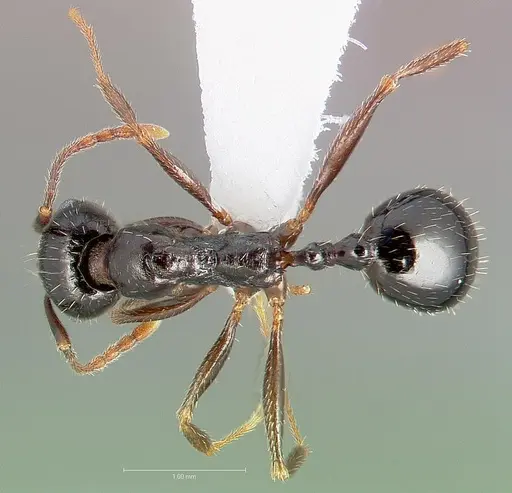
CASENT0844126
View on AntWeb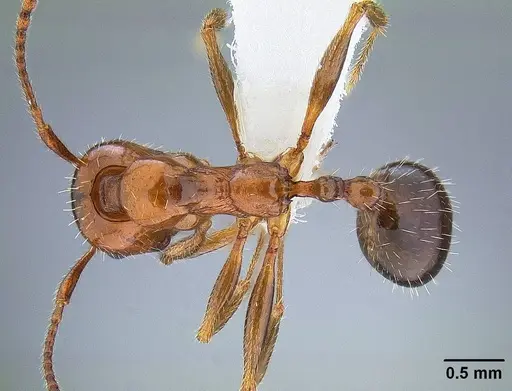
CASENT0907691
View on AntWeb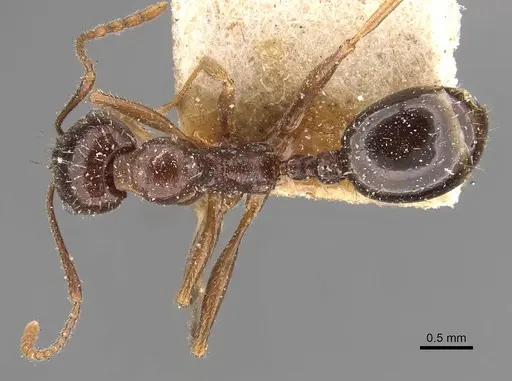
CASENT0923025
View on AntWeb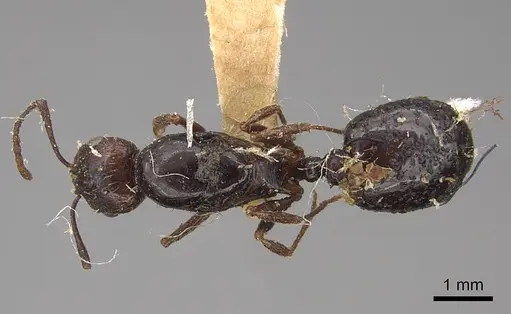
CASENT0923366
View on AntWeb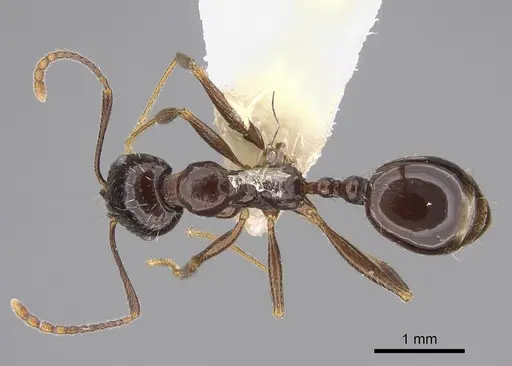
CASTYPE03684
View on AntWeb

USNMENT01129589
View on AntWeb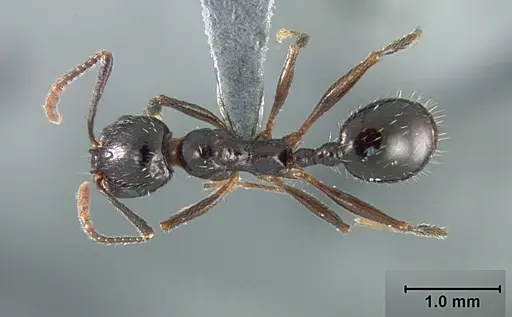
USNMENT01129594
View on AntWeb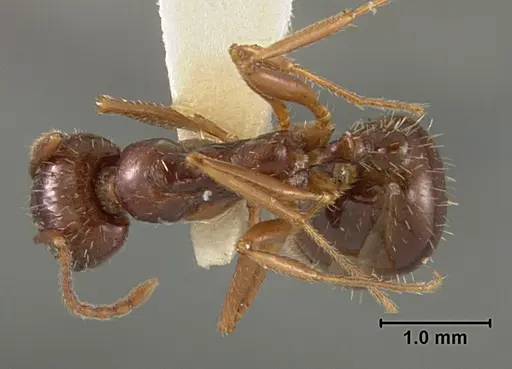
USNMENT01129597
View on AntWeb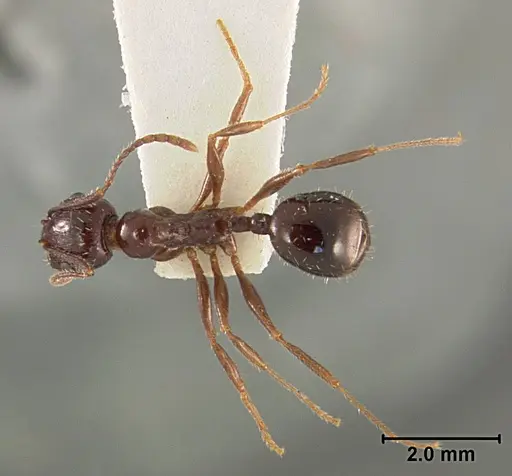
USNMENT01129598
View on AntWeb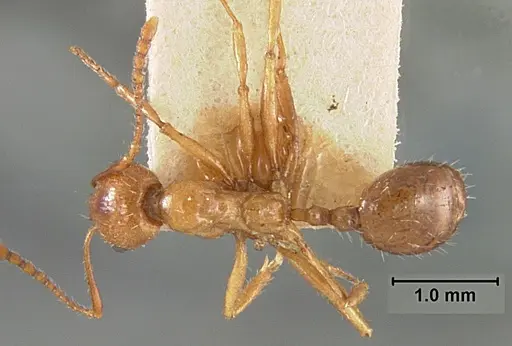
USNMENT01129599
View on AntWeb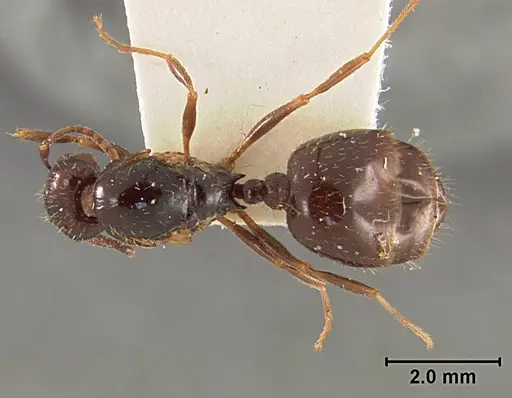
Literature
Loading...Loading products...