

Aphaenogaster obsidiana
- Scientific Name
- Aphaenogaster obsidiana
- Tribe
- Stenammini
- Subfamily
- Myrmicinae
- Author
- Mayr, 1861
- Distribution
- Found in 2 countries
Aphaenogaster obsidiana Overview
Aphaenogaster obsidiana is an ant species of the genus Aphaenogaster. It is primarily documented in 2 countries , including Greece, Türkiye. Detailed taxonomic data and occurrence records can be further explored via authoritative databases such as AntWeb or the Global Biodiversity Information Facility (GBIF).
Aphaenogaster obsidiana
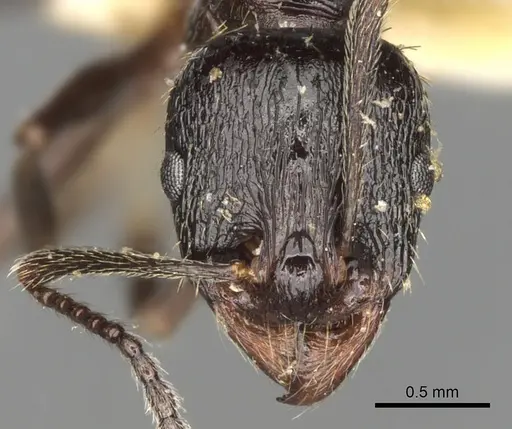
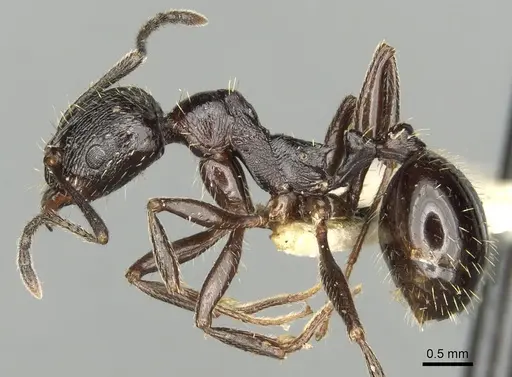
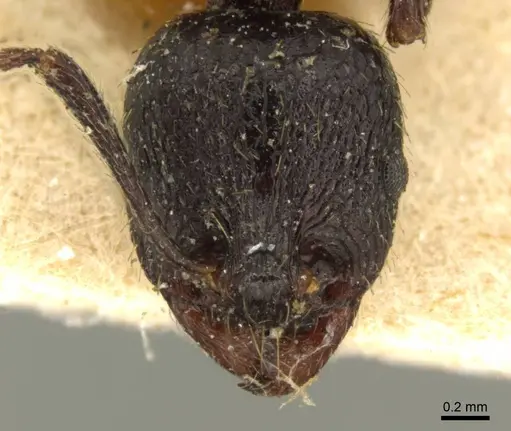
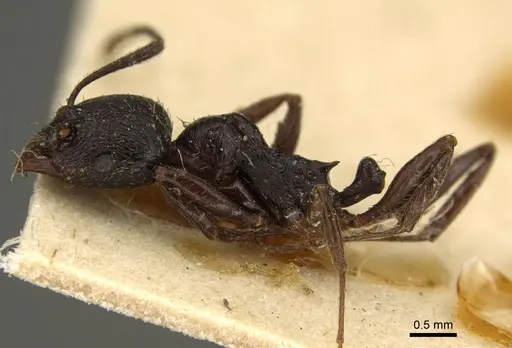
Aphaenogaster obsidiana is a medium-sized, jet-black ant native to the mountainous regions of the Caucasus, Turkey, and Iran. Workers measure roughly 4-5mm with distinctly rugulose (wrinkled) bodies and relatively long legs and antennae compared to close relatives [1][2]. Queens are larger at around 6-7mm [1]. The species inhabits high-altitude mountain forests, nesting under stones in deciduous woodlands and rhododendron thickets between 900-2100 meters elevation [1][3].
Recent research has revealed this species is quite distinct from its lookalike Aphaenogaster epirotes, with previous records from Greece actually being misidentifications of that species [1]. Genetically, Aphaenogaster obsidiana sits in an uncertain position within the genus, it is polyphyletic with low support, meaning it does not fit neatly into the obsidiana species group as once thought [4]. For keepers, this means you are housing a true mountain specialist that has adapted to cool, stable conditions in the Caucasus ranges.
Quick Summary
- Difficulty: Medium
- Origin & Habitat: Caucasus region (Russia, Georgia, Azerbaijan), Turkey, Iran. Mountain deciduous forests, rhododendron thickets, and orchards at 380-2100m elevation [1][3][5].
- Colony Type: Likely single-queen (monogyne) based on typical Aphaenogaster patterns, though not directly confirmed.
- Colony: Monogyne
- Founding: Claustral
- Size & Growth:
- Queen: ~6-7mm (head width 1.26-1.30mm) [1]
- Worker: ~4-5mm (head width 0.94-1.19mm) [1]
- Colony: Unknown, likely moderate (hundreds to low thousands) based on related Aphaenogaster species.
- Growth: Moderate to Slow.
- Development: Unknown, estimate 8-12 weeks at 20-22°C based on temperate Aphaenogaster patterns. (Development likely slows significantly at cooler mountain temperatures. Nanitics (first workers) may emerge slightly faster than subsequent brood.)
- Antkeeping:
- Temperature: Keep at 18-22°C during the activity season. This is a mountain species requiring cooler conditions than tropical ants. Provide winter hibernation at 5-10°C for 3-4 months.
- Humidity: Moderate to high. The nest substrate should feel damp but not waterlogged, mimicking the moist soil under stones in mountain forests.
- Diapause: Yes, required. As an extratropical mountain species, they need a winter rest period to maintain colony health.
- Nesting: In nature they nest under stones in mountain habitats. In captivity, provide flat stones, a naturalistic setup with rock slabs, or a formicarium with tight, low chambers that mimic the space beneath stones [1].
- Behavior: Generally calm and slow-moving compared to tropical species. They are not known for aggressive stinging behavior typical of some Myrmicinae, though they may bite if threatened. Escape risk is moderate, while not escape artists like some smaller species, their 4-5mm size means standard barriers are sufficient.
- Common Issues: overheating the colony by keeping them at tropical temperatures above 25°C, which stresses this mountain species., skipping hibernation leads to colony decline and reduced brood production in subsequent seasons., mold growth in cool, damp nest conditions without adequate ventilation., purchasing misidentified specimens, this species is often confused with Aphaenogaster epirotes, particularly in older collections [1].
Taxonomy and Identification
Aphaenogaster obsidiana is part of a taxonomically confusing group that has only recently been clarified. For decades, records from Greece were attributed to this species, but a 2025 monographic review confirmed these were all misidentifications of Aphaenogaster epirotes [1]. True Aphaenogaster obsidiana has longer antennae and legs relative to body size, with a distinctly microreticulated (finely wrinkled) texture on the mesonotum and propodeum, whereas Aphaenogaster epirotes appears dull and shiny in those areas [4].
Genetically, Aphaenogaster obsidiana is problematic, it is polyphyletic with low statistical support (posterior probability: 0.52), meaning it does not group cleanly with other obsidiana-group species in phylogenetic analyses [4]. The species is solid black in coloration with a rugulose body surface [2]. When purchasing colonies, verify the origin, true Aphaenogaster obsidiana comes from the Caucasus and Turkey, not Greece.
Natural History and Habitat
This is a true mountain specialist. In Turkey, colonies have been found in mountain deciduous forests at 2060 meters elevation. In the Caucasus, they inhabit thickets of rhododendrons between 1500-2100 meters, while in Georgia they have been collected from orchards at lower elevations of 380-770 meters [1]. In Montenegro, they are found only above 900 meters [3].
Across all locations, they nest under stones [1]. This petrophilous (stone-loving) nesting habit provides stable temperature and humidity conditions, the stones warm in the sun but retain moisture, and the spaces beneath offer tight, protected chambers. They are distributed across the Caucasus region, including Russia (North Caucasus), Georgia, Azerbaijan, Turkey, and Iran [6][7].
Temperature and Seasonal Care
As an extratropical species from latitude 39°N and high altitudes, Aphaenogaster obsidiana requires cooler conditions than most commonly kept pet ants [5]. During the active season (spring through autumn), maintain temperatures between 18-22°C. They can tolerate brief warmer periods, but sustained heat above 25°C will stress the colony.
You must provide a winter hibernation period. Cool the colony gradually in autumn to 5-10°C for 3-4 months. A wine cooler or unheated garage (if frost-free) works well. During this diapause period, the ants will become inactive and stop brood development. Keep the nest slightly moist during hibernation, not dry, but not wet enough to encourage mold. Return them to room temperature in early spring to trigger renewed activity.
Nest Preferences
In nature, Aphaenogaster obsidiana nests exclusively under stones [1]. This means they prefer tight, protected spaces with solid overhead cover. In captivity, recreate this with a naturalistic setup featuring flat slate or ceramic tiles placed over a soil or plaster substrate. Alternatively, a formicarium with low ceiling height and narrow chambers will make them feel secure.
Provide a humidity gradient, keep one side of the nest damper while allowing the other to dry slightly. This lets the colony regulate their microenvironment by moving brood to optimal conditions. Because they are from cool, mountainous regions, avoid excessive ventilation that would dry the nest too quickly, but ensure some air movement to prevent mold in the cool, damp conditions they prefer.
Feeding and Diet
While specific dietary studies are lacking for this species, Aphaenogaster ants are generally omnivorous scavengers. They collect seeds, feed on dead insects, and tend aphids for honeydew in the wild. In captivity, offer a varied diet including small seeds (millet, chia), sugar water or honey water, and protein sources like fruit flies, small crickets, or mealworm pieces.
Feed small amounts twice weekly during the active season, removing uneaten food within 24 hours to prevent mold in their cool, humid nest environment. During hibernation, stop feeding entirely and only ensure minimal moisture is available.
Frequently Asked Questions
Can I keep Aphaenogaster obsidiana in a test tube?
Yes, for founding colonies. Use a standard test tube setup with water reservoir and cotton plug. Keep the tube in a cooler area (18-20°C) rather than a warm spot. Once the colony reaches 20-30 workers, move them to a small formicarium or naturalistic setup with flat stones to better mimic their natural under-stone nesting preferences.
Do Aphaenogaster obsidiana need hibernation?
Yes. This is a mountain species from the Caucasus region that experiences cold winters. You must provide a winter rest period (diapause) at 5-10°C for 3-4 months. Without this cooling period, the colony will gradually decline and may eventually die.
How long does Aphaenogaster obsidiana take from egg to worker?
The exact timeline is unconfirmed. Based on related temperate Aphaenogaster species, expect roughly 8-12 weeks at 20-22°C. Development will be slower at cooler temperatures and faster if kept warmer, though you should not exceed 24°C for this mountain species.
Can I keep multiple Aphaenogaster obsidiana queens together?
Not recommended. Aphaenogaster obsidiana is likely monogyne (single-queen), meaning queens will fight if housed together. While unrelated queen combination has not been specifically documented for this species, the genus typically does not tolerate multiple queens.
Are Aphaenogaster obsidiana good for beginners?
They are medium difficulty. While not aggressive and relatively easy to feed, they require cooler temperatures and mandatory hibernation, which adds complexity for beginners used to tropical species. They also grow slowly compared to species like Lasius niger.
How do I tell Aphaenogaster obsidiana from Aphaenogaster epirotes?
Aphaenogaster obsidiana has longer antennae and legs relative to its body size, and the top of the middle body section (mesonotum) has a finely wrinkled (microreticulated) texture rather than being dull and shiny. Also, true Aphaenogaster obsidiana does not occur in Greece, any Greek specimens sold as this species are likely Aphaenogaster epirotes.
What temperature do Aphaenogaster obsidiana need?
Keep them at 18-22°C during the active season. This is cooler than most pet ants. They need a winter hibernation at 5-10°C. Avoid keeping them above 25°C for extended periods.
Where do Aphaenogaster obsidiana come from?
They are native to the Caucasus region (Russia, Georgia, Azerbaijan), Turkey, and Iran. They are found in mountain areas, typically nesting under stones in deciduous forests and rhododendron thickets at elevations between 900-2100 meters.
Why did my Aphaenogaster obsidiana colony die?
The most common causes are overheating (keeping them too warm for too long) and skipping hibernation. This is a mountain species adapted to cool conditions. If kept at tropical temperatures year-round without a winter cooling period, they will eventually fail.
What do Aphaenogaster obsidiana eat?
They are generalist scavengers. Feed them small seeds, sugar water or honey water, and small insects like fruit flies or pieces of mealworms. Remove uneaten food quickly to prevent mold in their preferred humid conditions.
References

This caresheet is licensed under CC BY-SA 4.0 .
CASENT0280957
View on AntWeb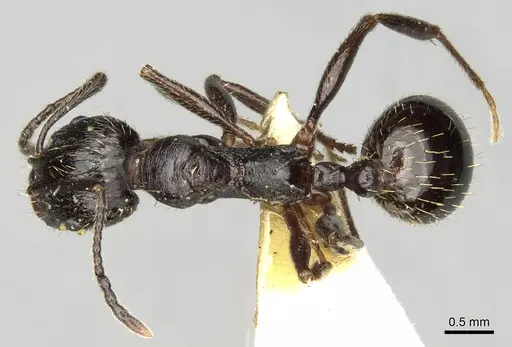
CASENT0916077
View on AntWeb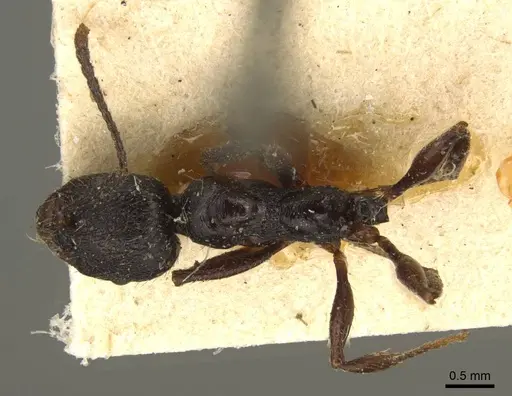
Literature
Loading...Loading products...