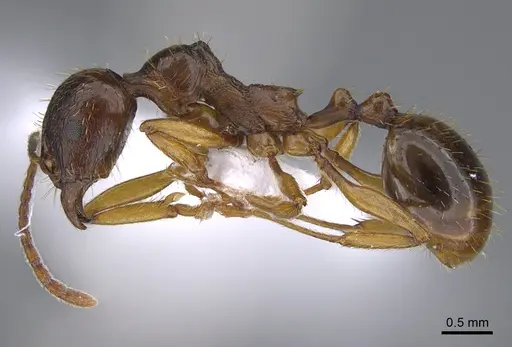
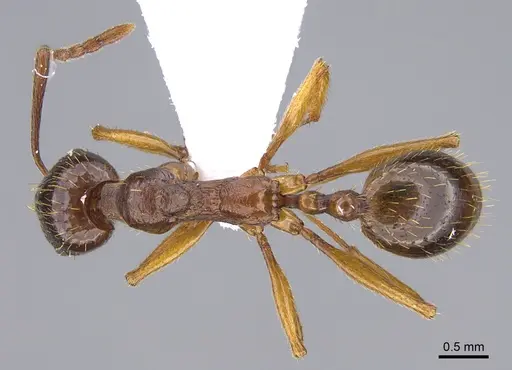
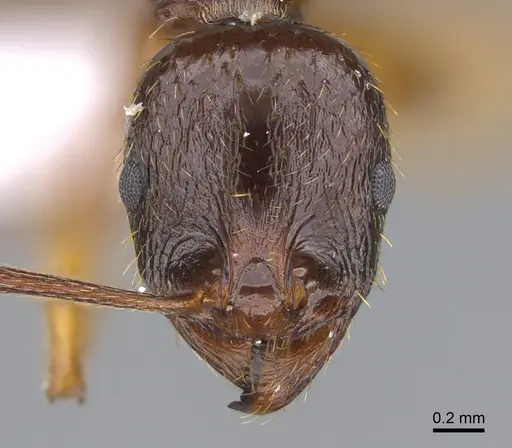
Aphaenogaster kurdica - "Kurdish Ant"
Aphaenogaster kurdica is a captivating ant species, generally characterized by its dark red coloration. Queens typically measure between 6-7mm, while the workers are slightly smaller, ranging from 4-5mm. This species does not exhibit a soldier caste, meaning all workers are monomorphic. They are known to be primarily nocturnal in their natural habitat and are quite shy, rarely foraging far from their nests. A notable behavior is their association with root aphids, from which they are believed to obtain honeydew, and they also consume insects that fall into the funnel-like entrances of their nests. The taxonomic status of A. kurdica has been a subject of study, and it was originally described as a subspecies of Aphaenogaster subterranea.
- Difficulty: Easy
- Origin & Habitat: Iran, Armenia, Southern Russia, Azerbaijan, Georgia. in Forests, under stones, and in rotting logs..
- Colony Type: Monogyne, claustral founding.
- Size & Growth:
- Queen: 6-7mm
- Worker: 4-5mm
- Colony: Medium (thousands). Slow initially, then medium to fast, reaching hundreds in the second year. growth.
- Antkeeping:
- Temperature: Maintain temperatures around 25°C (77°F) for optimal development. It's crucial not to exceed this temperature when heating the nest..
- Humidity: While specific humidity percentages for A. kurdica are not widely documented, other Aphaenogaster species generally prefer mid-level humidity (30-65%). It's important to provide a nest that can retain humidity well..
- Diapause: Required. 3-5 months at 10-15°C.
- Nesting: This species can thrive in various nest setups, including acrylic, 3D printed, grout, and Ultracal nests. They naturally nest in soil, under stones, or in rotting logs..
- Behavior: Low (towards handler, medium towards food or other ants) aggressiveness.
- Common Issues: Mold in nest, Colony stalling (especially during founding), Humidity fluctuations, Overfeeding leading to waste.
Aphaenogaster kurdica are known for their somewhat shy nature and are primarily active at night. In the wild, they don't typically forage far from their nests, often relying on honeydew from root aphids and opportunistic feeding on insects that fall into their distinctive funnel-shaped nest entrances. This means your colony might not be as overtly active in an outworld during daylight hours as some other species. Consider providing food directly inside or very close to the nest entrance, especially during their active periods, to encourage feeding.
Unlike many common ant species, Aphaenogaster species, including A. kurdica, are believed to lack a social stomach, or at least one that's used for trophallaxis. This is a crucial point for antkeepers, as it means workers cannot easily share liquid food by regurgitation. Therefore, it's vital to provide protein and carbohydrate sources in solid or semi-solid forms that can be carried back to the brood directly. Insects cut into small, manageable pieces are ideal, and while they may take some liquid sugars, solid sources are generally preferred and more effectively utilized.
Humidity management is key for Aphaenogaster kurdica. While general humidity preferences for this specific species aren't extensively documented, other Aphaenogaster species tend to favor moderate humidity levels. Providing a nest with good humidity retention, such as those made from plaster, Ytong, or specific setups designed to hold moisture, will greatly benefit their health and brood development. However, ensure there are also drier areas within the nest to prevent mold growth, which can be a common issue in humid environments.
Frequently Asked Questions
What should I feed my Aphaenogaster kurdica colony?
These ants thrive on a diet of feeder insects like mealworms, crickets, or fruit flies. Since they don't primarily rely on a social stomach for liquid sharing, offer solid protein sources cut into small, manageable pieces. They can also take honey water, but solid food is essential.
Do Aphaenogaster kurdica need to hibernate?
Yes, Aphaenogaster kurdica generally requires a period of diapause, or hibernation. A light hibernation around 10-15°C (50-59°F) for 3-5 months is usually sufficient to ensure the colony's long-term health and reproductive cycle.
What kind of nest is best for Aphaenogaster kurdica?
They are quite adaptable and can do well in various setups, including acrylic, 3D printed, grout, or Ultracal nests. The key is to ensure the nest retains humidity well while also offering some drier areas to prevent mold.
How large do Aphaenogaster kurdica colonies get?
While specific numbers for A. kurdica can be elusive, other Aphaenogaster species can reach colony sizes in the thousands, with some growing into moderately large to very large colonies. Initial growth can be slow, but they tend to pick up speed after the first year.
Are Aphaenogaster kurdica aggressive?
Aphaenogaster kurdica are generally considered to have low aggressiveness towards their keepers. However, they will defend their nest if disturbed and can be quite aggressive when it comes to securing food items.
What are the ideal temperature and humidity for Aphaenogaster kurdica?
Aim for a temperature around 25°C (77°F). Avoid exceeding this temperature when providing heating. For humidity, a moderate level between 30-65% is generally suitable, with careful attention to proper ventilation to prevent mold.
How do I prevent my Aphaenogaster kurdica from escaping?
Like many ant species, Aphaenogaster kurdica can be adept escape artists. Barriers such as talcum powder mixed with rubbing alcohol, or a coating of Fluon (PTFE) on the upper edges of your outworld, are effective methods.
Do Aphaenogaster kurdica have majors or soldiers?
No, Aphaenogaster kurdica workers are monomorphic, meaning there is only one worker caste, without distinct majors or soldiers.
Why isn't my Aphaenogaster kurdica colony growing fast?
Initial growth for many Aphaenogaster species can be slow, especially during the founding stage. Ensure they have consistent access to appropriate protein sources, stable temperature and humidity, and minimal disturbances. Patience is key, as growth often accelerates after the first year.
Are Aphaenogaster kurdica suitable for beginners?
Yes, they are generally considered a low-difficulty species for antkeepers. Their relatively modest colony size and straightforward care requirements make them a good choice for those new to the hobby, though their shy nature might mean less visible activity.