Aphaenogaster illyrica - "Illyrian Spiny Ant"
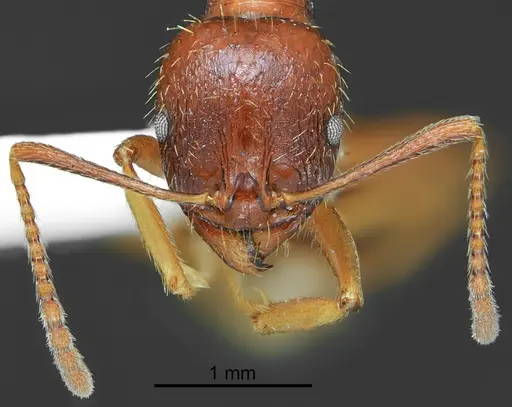
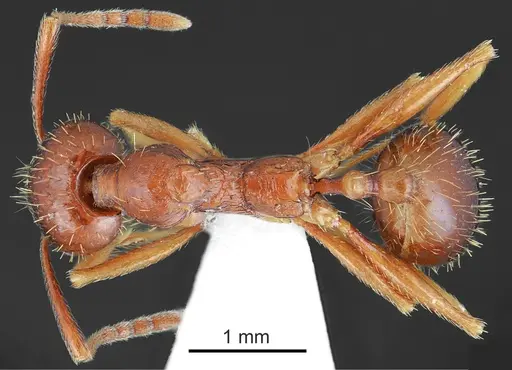
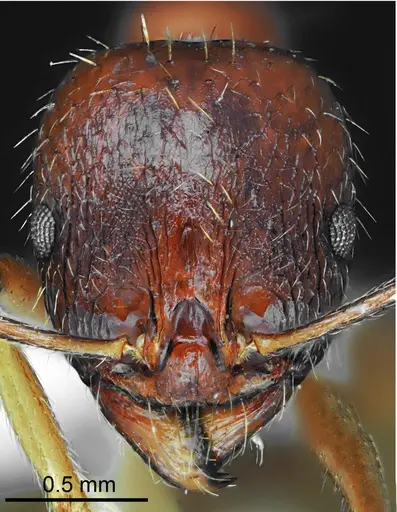
Aphaenogaster illyrica is a medium-sized ant species, distinguished by its yellowish-brown to rusty-brown body coloration. Workers have an elongated mesosoma with the mesonotum clearly raised, and notably long, thin propodeal spines. They are a ground-dwelling species, known to be somewhat subterranean, often found nesting deep in the soil among rocks. This species is part of the Aphaenogaster subterranea group and shares morphological similarities with Aphaenogaster graeca, though it has a brighter, more uniform color and weaker head sculpture.
- Difficulty: Medium
- Origin & Habitat: Balkan Peninsula (Slovenia, Croatia, Greece, North Macedonia, Bulgaria) in Mountainous areas (500-1420m a.s.l.) in beech forests, wet sites near streams, karstic grasslands with sparse trees and shrubs, and subterranean within limestone rocks..
- Colony Type: Monogyne, claustral founding.
- Size & Growth:
- Queen: Not specified
- Worker: 1.64mm+
- Colony: Medium (thousands). Medium growth.
- Antkeeping:
- Temperature: This species tolerates lower temperatures, as it's found at high altitudes and in beech forests. Optimal temperatures for brood development are likely in the range of 20-25°C, with some tolerance for cooler periods, as observed in their natural habitat..
- Humidity: They are found in wet sites close to streams and subterranean environments, indicating a preference for relatively high humidity. A gradient with both humid and drier areas in the nest is advisable..
- Diapause: Required. 2-4 months at 4-10°C.
- Nesting: Given their subterranean nature and preference for nesting among limestone rocks and in rotting wood, a plaster, Ytong, or naturalistic setup with deep substrate and rock formations would be ideal. They are also known to move their nests seasonally in response to temperature changes, suggesting flexibility in nesting sites..
- Behavior: Medium (towards handler, food or other ants) aggressiveness.
- Common Issues: Mold in nest, Humidity fluctuations, Queen stress, Colony stalling.
Aphaenogaster illyrica, like many members of its genus, exhibits a fascinating ground-dwelling and somewhat subterranean lifestyle. Observing their natural behavior of nesting deep within the soil and among rocks can guide antkeepers in providing an appropriate setup. Mimicking these conditions with a suitable substrate depth and rock structures within a formicarium will greatly benefit the colony's well-being and allow for observations of their tunneling habits. Remember that these ants are naturally found in areas with harsh winters and wet summers, so replicating these environmental cues can be beneficial for long-term colony health.
One interesting aspect of Aphaenogaster species is their foraging behavior. While direct information for A. illyrica is limited, other Aphaenogaster are known to be omnivores, collecting dead insects, tending to aphids on roots, or even utilizing funnel-shaped nest entrances to trap arthropods. They don't have a social stomach, meaning food needs to be brought directly back to the nest. Offering a varied diet of insects and sugar sources, and placing food close to the nest entrance, will cater to their specific feeding habits. Some Aphaenogaster have even been observed using bits of cotton or earth as tools to transport liquids, a unique and engaging behavior to watch for.
Colony growth for Aphaenogaster species can sometimes start slowly, especially during the founding stage. New antkeepers should exercise patience and avoid disturbing a founding queen too frequently, as stress can lead to brood consumption. Providing a dark, quiet test tube setup initially and minimizing checks will give the queen the best chance to establish her first batch of workers. Once a colony is established, they tend to grow at a medium pace, eventually reaching hundreds to a few thousand workers.
Humidity is key for Aphaenogaster illyrica, mirroring their natural habitat in wet, often stream-adjacent environments. Ensuring the nest has a consistent moisture gradient, perhaps with a slightly drier outworld, will be crucial. Subterranean species often rely on the stable humidity deep within the earth. A formicarium that allows for a stable moisture level without becoming waterlogged will be ideal for these ants, preventing common issues like mold. Regular monitoring of the nest's hydration levels is recommended to prevent the substrate from drying out.