

Aphaenogaster afra
- Scientific Name
- Aphaenogaster afra
- Tribe
- Stenammini
- Subfamily
- Myrmicinae
- Author
- Santschi, 1933
- Common Name
- Collared Ants
- Distribution
- Found in 1 countries
Aphaenogaster afra Overview
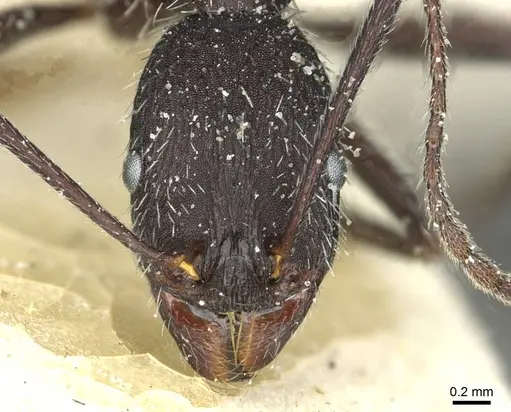
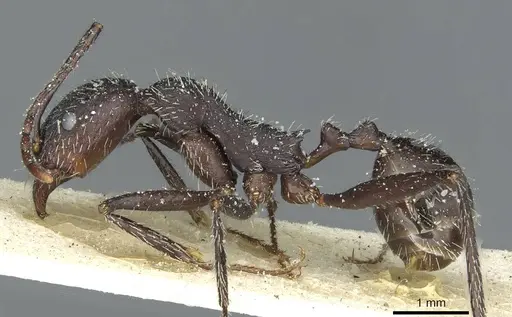
Aphaenogaster afra (commonly known as the Collared Ants) is an ant species of the genus Aphaenogaster. It is primarily documented in 1 countries , including Algeria. Detailed taxonomic data and occurrence records can be further explored via authoritative databases such as AntWeb or the Global Biodiversity Information Facility (GBIF).
Aphaenogaster afra - "Collared Ants"
Aphaenogaster afra is a rarely encountered ant species native to the mountains of North Africa. First described in 1933 as a subspecies of Aphaenogaster depilis, it was elevated to full species status in 2006 [1][2]. These ants inhabit Algeria and Morocco, with confirmed records from the Beni Snassen mountain range [1]. As a Mediterranean mountain species, they likely experience distinct seasonal cycles in their natural habitat, though specific biological details remain poorly documented in scientific literature.
Quick Summary
- Difficulty: Medium
- Origin & Habitat: Mountains of Algeria and Morocco, including the Beni Snassen range [1][2]
- Colony Type: Unconfirmed, likely single-queen based on typical Aphaenogaster patterns
- Size & Growth:
- Queen: Unknown, likely 6-8mm based on related Aphaenogaster species
- Worker: Unknown, likely 4-6mm based on genus patterns
- Colony: Unknown, likely moderate (hundreds to low thousands) based on genus patterns
- Growth: Unknown, estimated moderate
- Development: Unknown, estimated 6-10 weeks at 25°C based on related Aphaenogaster species (Timeline is inferred from genus patterns, actual development may vary significantly)
- Antkeeping:
- Temperature: Likely 20-25°C during active season with cooler winter period around 15-18°C based on Mediterranean mountain habitat [1]
- Humidity: Moderate humidity with gradient, provide moist nest area and dry outworld
- Diapause: Likely yes, winter rest period probable given mountain distribution, though unconfirmed
- Nesting: Unknown, likely under stones or in soil based on genus habits and mountain collection sites [1]
- Behavior: Typical Aphaenogaster foraging behavior, scavengers that collect seeds and dead insects. Moderate speed, not particularly aggressive. Escape risk is moderate, they are not extremely small but can climb smooth surfaces.
- Common Issues: very limited species-specific care data requires careful observation and adjustment, likely need seasonal temperature variation but exact requirements remain unconfirmed, slow growth possible if kept too cool or without proper seasonal cues, rarity in captivity means troubleshooting resources are scarce
Distribution and Natural History
Aphaenogaster afra is restricted to North Africa, specifically the mountainous regions of Algeria and Morocco [1][2]. The species was originally described from Mascara, Algeria, and has since been recorded from the Beni Snassen mountains in Morocco [1]. As a member of the Aphaenogaster genus, they likely nest in soil or under stones in these Mediterranean mountain habitats, though specific nesting behavior has not been documented. The climate in these regions features hot, dry summers and cool, wet winters, suggesting these ants may require seasonal temperature adjustments in captivity.
Colony Founding and Structure
The founding behavior of Aphaenogaster afra has not been directly observed. Based on patterns seen throughout the Aphaenogaster genus, queens likely seal themselves in a chamber and raise the first generation of workers using stored body fat reserves (claustral founding). Colony structure is similarly unconfirmed, though most Aphaenogaster species maintain single-queen colonies. Keepers should assume single-queen founding until proven otherwise, and avoid combining multiple queens.
Temperature and Seasonal Care
Given their origin in Mediterranean mountains, Aphaenogaster afra likely prefer moderate temperatures around 20-25°C during the active season [1]. They probably require a winter rest period (diapause) at cooler temperatures around 15-18°C for several months, though this has not been confirmed. Start with a heating cable on one side of the nest to create a gradient, allowing the ants to choose their preferred temperature. If the colony slows down significantly in winter, reduce feeding and maintain cooler temperatures rather than keeping them constantly warm.
Feeding and Diet
While specific dietary preferences are unknown, Aphaenogaster species are generally omnivorous scavengers. They typically collect seeds (granivory) and hunt or scavenge small insects. Offer a varied diet including small live prey (fruit flies, springtails, small crickets), dead insects, and seeds such as chia or flax. Provide sugar water or honey water in a test tube or liquid feeder. Remove uneaten protein within 24-48 hours to prevent mold.
Housing and Nest Setup
Specific nest preferences are undocumented, but Aphaenogaster afra likely appreciate nest materials that mimic their natural mountain habitat. A naturalistic setup with soil, sand, and flat stones may work well, or a standard plaster or Y-tong nest with moderate humidity. Provide tight-fitting lids and barriers (Fluon or baby powder/alcohol barrier) as they can climb smooth surfaces. The nest should have a humid section for brood and a dry section for food storage.
Frequently Asked Questions
What is Aphaenogaster afra?
Aphaenogaster afra is a species of ant native to the mountains of Algeria and Morocco. It was originally described as a subspecies of Aphaenogaster depilis in 1933 but was raised to full species status in 2006 [1][2]. It is rarely kept in captivity due to limited availability and scarce care information.
Where do Aphaenogaster afra come from?
They come from North Africa, specifically the mountainous regions of Algeria and Morocco. They have been recorded from the Beni Snassen mountains in Morocco and the Mascara region in Algeria [1][2].
Do Aphaenogaster afra need hibernation?
Likely yes, though unconfirmed. Given their origin in Mediterranean mountains with seasonal climate variations, they probably require a winter rest period at cooler temperatures (around 15-18°C) for several months. Watch for reduced activity in winter as a cue to provide cooler conditions.
What do Aphaenogaster afra eat?
Their specific diet is unstudied, but based on typical Aphaenogaster behavior, they are likely omnivorous scavengers. Feed them a mix of seeds (chia, flax), sugar water or honey water, and small protein sources like fruit flies, springtails, or pieces of crickets and mealworms.
How long until Aphaenogaster afra get their first workers?
The development timeline is unknown for this species. Based on related Aphaenogaster species, expect approximately 6-10 weeks from egg to worker at 25°C, though this is only an estimate. First workers (nanitics) may emerge slightly faster but smaller than subsequent workers.
Are Aphaenogaster afra good for beginners?
Probably not ideal for complete beginners due to the lack of specific care information. While Aphaenogaster species are generally manageable, the uncertainty around this species' specific needs makes it better suited to keepers with some experience who can observe and adapt care based on colony response.
How big do Aphaenogaster afra colonies get?
Maximum colony size is unknown. Based on related Aphaenogaster species, they likely reach moderate sizes of several hundred to a few thousand workers, though this is speculative.
Can I keep multiple Aphaenogaster afra queens together?
Not recommended. While the natural colony structure is unconfirmed, most Aphaenogaster species are single-queen (monogyne). Combining unrelated queens typically leads to fighting and death. Start with a single queen unless you have specific evidence that this species accepts multiple queens.
What temperature do Aphaenogaster afra need?
Start with 20-25°C during the active season, with a heating gradient across the nest. They likely benefit from cooler winter temperatures around 15-18°C for several months to simulate their natural Mediterranean mountain cycle [1].
References

This caresheet is licensed under CC BY-SA 4.0 .
CASENT0913111
View on AntWeb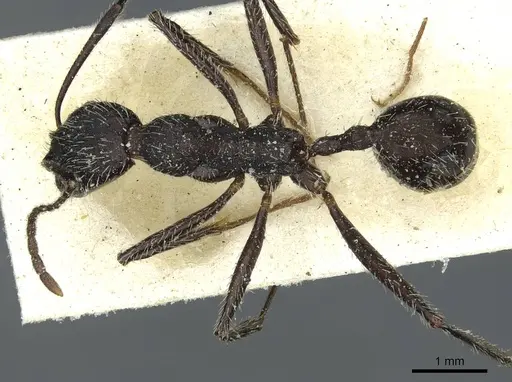
Literature
Loading...Loading products...