

Aphaenogaster huachucana
- Scientific Name
- Aphaenogaster huachucana
- Tribe
- Stenammini
- Subfamily
- Myrmicinae
- Author
- Creighton, 1934
- Distribution
- Found in 2 countries
Aphaenogaster huachucana Overview
Aphaenogaster huachucana is an ant species of the genus Aphaenogaster. It is primarily documented in 2 countries , including Mexico, United States of America. Detailed taxonomic data and occurrence records can be further explored via authoritative databases such as AntWeb or the Global Biodiversity Information Facility (GBIF).
Aphaenogaster huachucana
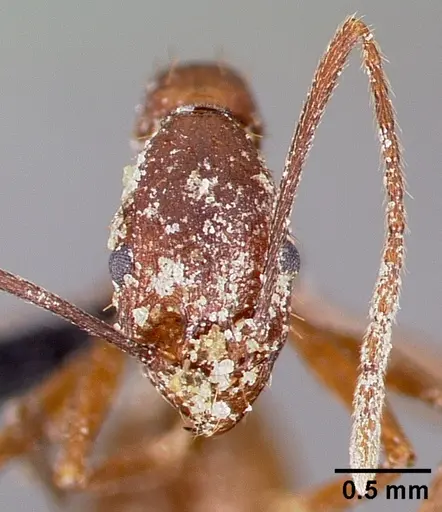
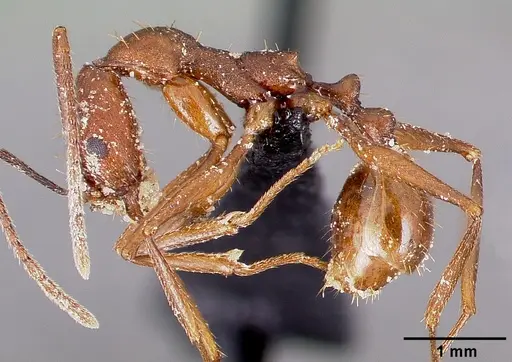
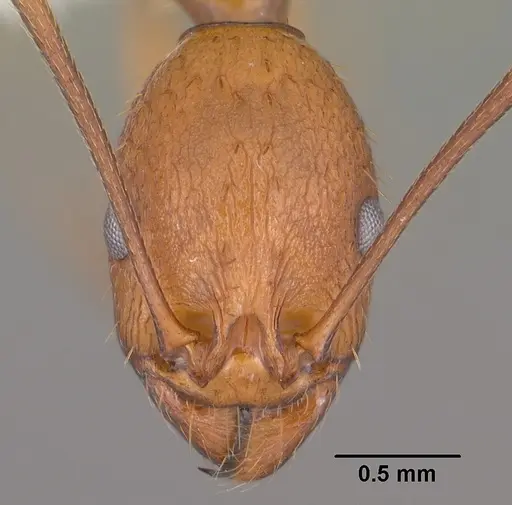
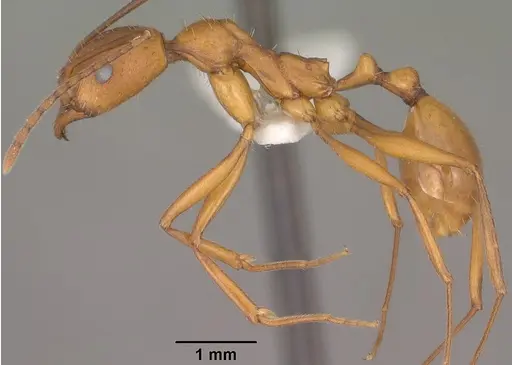
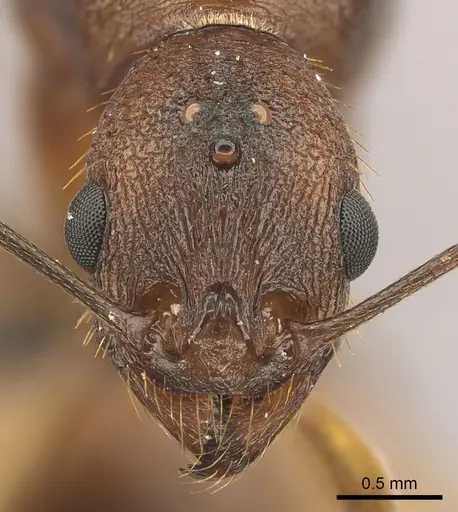
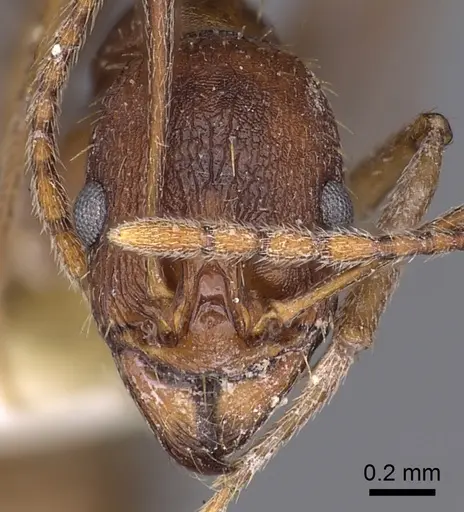
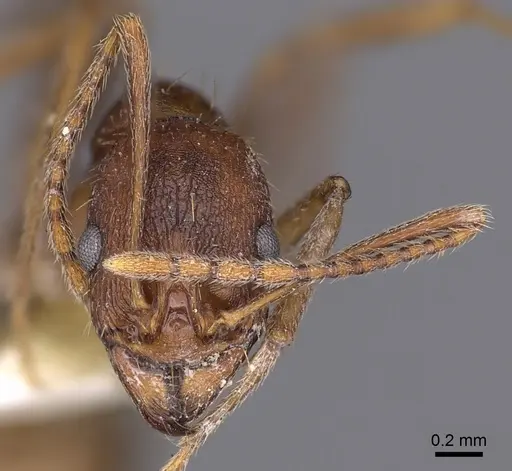
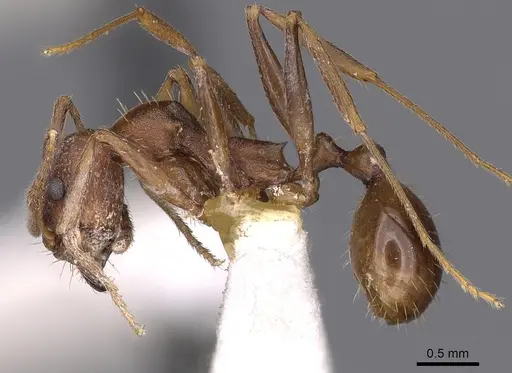
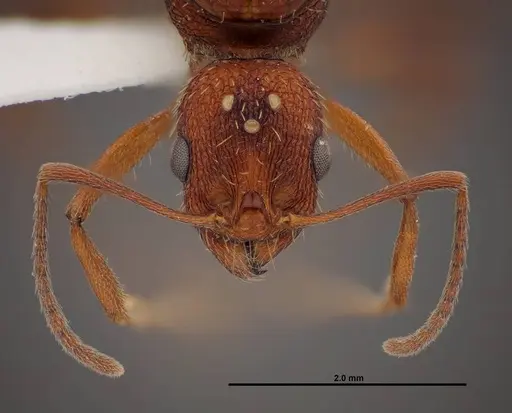
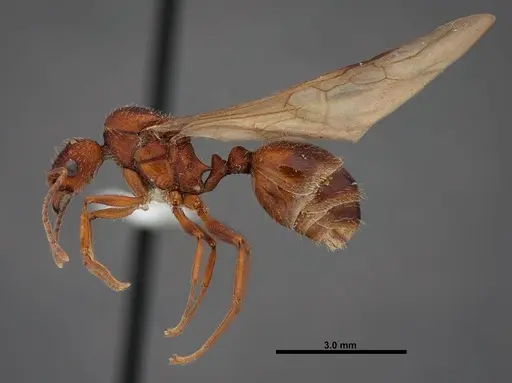
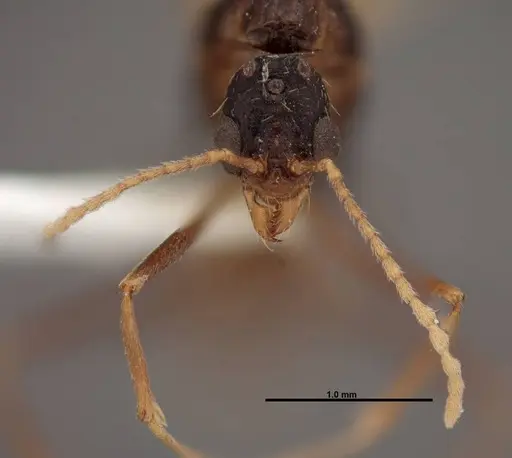
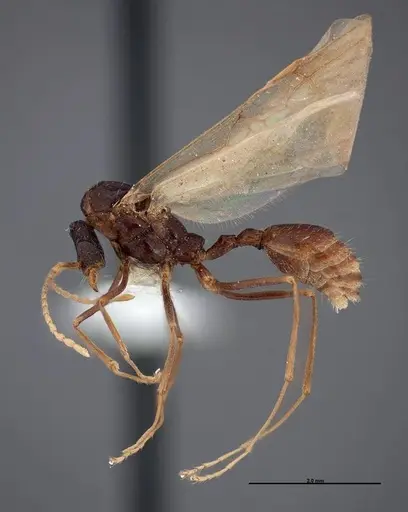
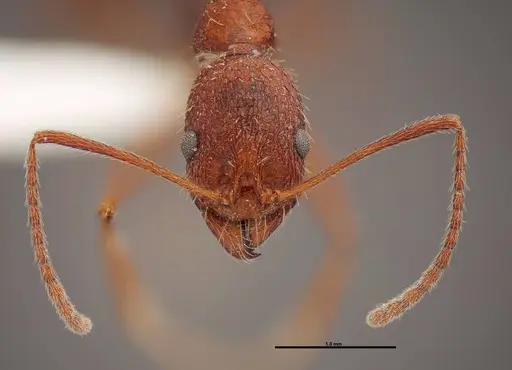
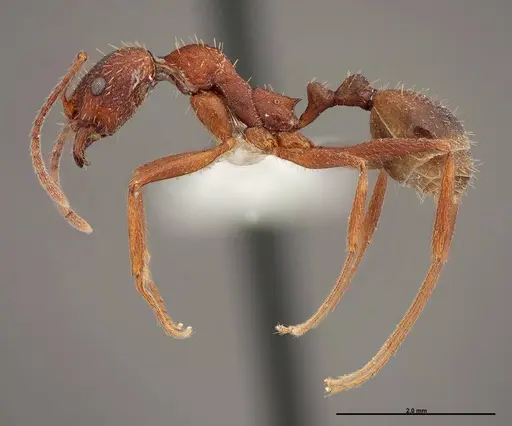
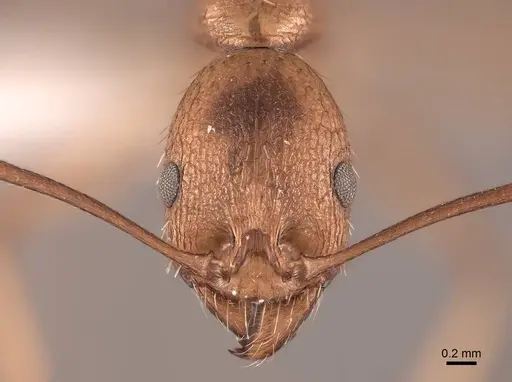
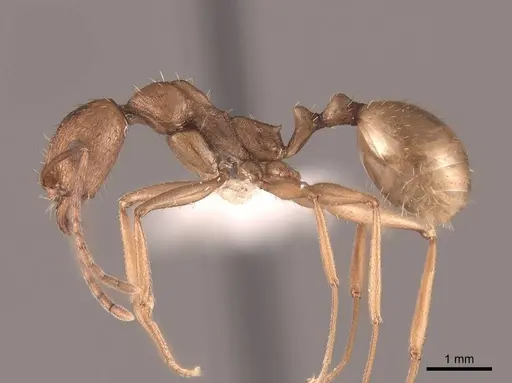
Aphaenogaster huachucana is a medium-sized ant native to the mountainous regions of the southwestern United States and northern Mexico. Workers are noticeably bulkier than their close relative Aphaenogaster texana, with antennae that extend about one-third of their length past the back of the head [1]. They show the typical Aphaenogaster build, slender bodies with long legs and antennae, colored in earthy browns that blend into their rocky surroundings.
What makes this species stand out is their strict nocturnal lifestyle and love of steep, rocky terrain. While many ants forage during the day, these ants wait for dusk and darkness to emerge, navigating rocky slopes and stone accumulations under the cover of night [1]. In nature, they nest in soil under covering stones or in dirt packed between rocks on steep slopes, often in pine-oak-juniper forests at elevations around 7,000 feet [2][3].
Quick Summary
- Difficulty: Medium
- Origin & Habitat: Southeastern Arizona, New Mexico, and northern Mexico (Sonora, Morelos). Found in rocky slopes and pine-oak-juniper forests at elevations around 7,000 feet [2][3][4].
- Colony Type: Likely single-queen colonies (monogyne), though specific colony structure remains unconfirmed.
- Colony: Monogyne
- Size & Growth:
- Queen: Unknown, estimated 6-8mm based on typical Aphaenogaster patterns.
- Worker: Larger than A. texana, estimated 5-7mm [1][5].
- Colony: Unknown, likely moderate (hundreds of workers) based on genus patterns.
- Growth: Moderate (estimated).
- Development: Unknown, estimated 8-12 weeks at 25°C based on related Aphaenogaster species. (Timeline is inferred from genus patterns, actual development may vary with temperature.)
- Antkeeping:
- Temperature: Keep at 20-26°C during the season, with a slight gradient. Provide winter diapause at 10-15°C for 3-4 months based on their montane origin.
- Humidity: Moderate humidity with well-drained substrate. Nest material should feel damp but not waterlogged, matching rocky soil conditions [1].
- Diapause: Likely required, cool winter rest period recommended from November to February based on high elevation distribution.
- Nesting: Soil and stone nests in captivity. Use naturalistic setups with rock shelters, soil substrate, and tight spaces between flat stones [1].
- Behavior: Strictly nocturnal foragers, active at dusk and throughout the night. Generally calm but quick-moving. Escape risk is moderate, standard barriers work well given their size [1].
- Common Issues: nocturnal schedule means foraging happens at night, you may miss activity if checking only during the day., rocky habitat specialists may stress in plain test tubes without stone textures or soil to excavate., high elevation origin means they likely need winter cooling or diapause to remain healthy long-term., desiccation risk in dry conditions, maintain substrate moisture despite their mountain origin.
Nest Preferences and Setup
In the wild, Aphaenogaster huachucana nests in steep, rocky areas, specifically in soil under covering stones or in dirt accumulated between rocks in rock slides [1]. They tolerate various light conditions from shady aspen groves to full sun, but the key is the rocky structure itself.
For captives, skip plain test tubes. Instead, set up a naturalistic enclosure with a soil-sand mix and plenty of flat stones or slate pieces they can hide under. They need tight spaces, gaps between rocks or narrow chambers rather than open spaces. A Y-tong (AAC) nest with a soil-filled outworld works well, or a plaster nest with texture added. Provide a dark nest area since they are nocturnal and likely photophobic during the day.
Make sure the substrate drains well. Mountain rocky soils don't stay soggy, but they retain some moisture deep in the cracks. Aim for damp-to-the-touch substrate that isn't muddy.
Feeding and Diet
These ants forage at dusk and into the night, so don't expect to see activity during the day [1]. As generalist omnivores typical of the genus, they likely accept a variety of foods including dead insects, sugar water, and honeydew sources.
Offer small prey items like fruit flies, cricket parts, or mealworms in the evening. Remove uneaten protein in the morning to prevent mold. Provide a sugar source constantly, honey water or sugar water in a test tube setup or liquid feeder. Since they forage at night, check for food removal or storage in the morning rather than expecting to see them eat.
Because they nest in rocky areas, they may also appreciate small seeds or plant material, though this is unconfirmed for this specific species.
Temperature and Seasonal Care
Coming from high elevation Arizona mountains (around 7,000 feet), these ants experience significant seasonal temperature swings [2]. During the active season (spring through fall), keep them at 20-26°C with a gentle heat gradient, warm side and cool side.
Given their montane distribution, they almost certainly require a winter diapause (hibernation). From November through February, gradually cool them to 10-15°C and stop feeding protein. Keep the nest slightly drier during this period but don't let it completely desiccate. Return to normal temperatures in March.
If you skip diapause, colonies may fail after a year or two as the workers age without replacement brood cycling properly.
Behavior and Nocturnal Habits
Aphaenogaster huachucana is strictly nocturnal, emerging to forage at dusk and remaining active through the night [1]. This means you'll need to adjust your care routine, offer food in the evening and check for activity using a red light if you want to observe them without disturbing their natural rhythm.
They are not typically aggressive ants and rarely sting, but they can move quickly when disturbed. Their long legs make them adept climbers, so use a barrier like Fluon or baby powder on the outworld walls. Given their size (larger than A. texana), standard escape prevention should suffice [1][5].
They are solitary foragers rather than swarm hunters, sending individual workers out to find food and return to recruit others if they find something substantial.
Colony Founding
Founding behavior for this specific species is unconfirmed. Based on typical Aphaenogaster patterns, queens are likely semi-claustral, meaning the queen may leave the nest to forage during the founding stage rather than sealing herself in completely. However, this is an inference, not confirmed fact.
If you obtain a founding queen, provide a small, dark chamber with soil substrate and offer food regularly. Don't assume she will survive without food like a fully claustral queen. Watch for eggs after 2-4 weeks, with first workers (nanitics) potentially emerging in 8-12 weeks depending on temperature.
Frequently Asked Questions
Can I keep Aphaenogaster huachucana in a test tube?
Standard test tubes are not ideal long-term. While you can house a founding queen in a test tube temporarily, add some soil or sand to the tube and keep it dark. They prefer nesting in soil under stones, so move them to a naturalistic setup or Y-tong nest as soon as possible.
How long until Aphaenogaster huachucana gets its first workers?
The exact timeline is unknown for this species. Based on related Aphaenogaster species, expect roughly 8-12 weeks from egg to first worker at 25°C. First workers (nanitics) may be smaller than subsequent workers.
Do Aphaenogaster huachucana need hibernation?
Likely yes. They come from high elevation mountains in Arizona (7,000 feet) where winters are cold [2]. Provide a diapause period at 10-15°C for 3-4 months during winter to keep the colony healthy long-term.
Why aren't my Aphaenogaster huachucana foraging?
They are strictly nocturnal, foraging at dusk and throughout the night [1]. Check for activity with a red light after dark. If they still aren't foraging, check that temperature is adequate (20-26°C) and that they have a proper dark nest area.
Can I keep multiple Aphaenogaster huachucana queens together?
Not recommended. While the exact colony structure is unconfirmed, most Aphaenogaster species are single-queen (monogyne). Combining unrelated queens will likely result in fighting and death.
What do Aphaenogaster huachucana eat?
They are generalist omnivores. Offer small dead insects like fruit flies or cricket pieces, and provide sugar water or honey water constantly. Feed in the evening since they forage at night.
Are Aphaenogaster huachucana good for beginners?
They are medium difficulty. While not aggressive, their nocturnal habits and need for diapause make them better suited to keepers with some experience. They also require more specialized nesting (soil/stone) than simple test tube species.
How big do Aphaenogaster huachucana colonies get?
Colony size is unknown for this species. Based on the genus, expect moderate-sized colonies of several hundred workers rather than thousands.
References

This caresheet is licensed under CC BY-SA 4.0 .
CASENT0000089
View on AntWeb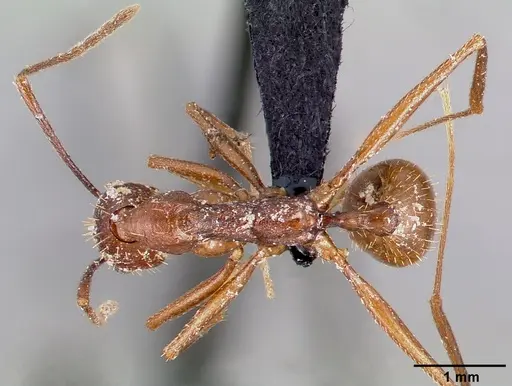
CASENT0102825
View on AntWeb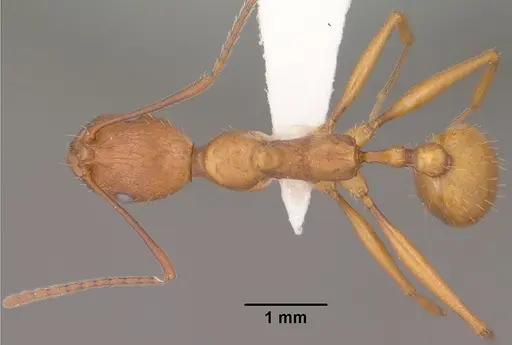
CASENT0260082
View on AntWeb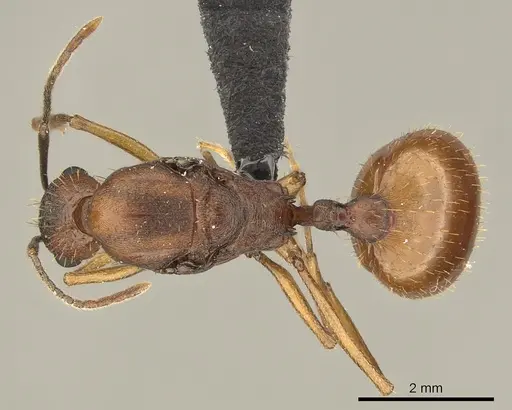
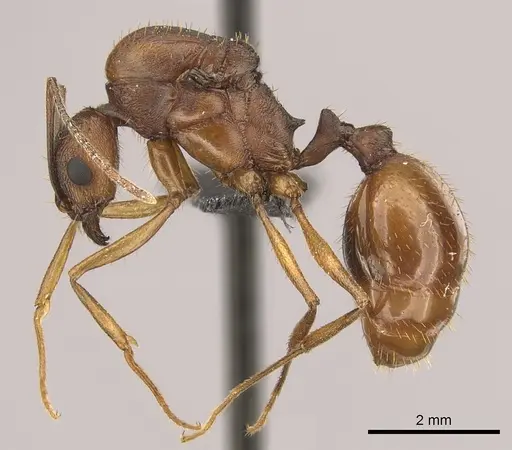
CASENT0900415
View on AntWeb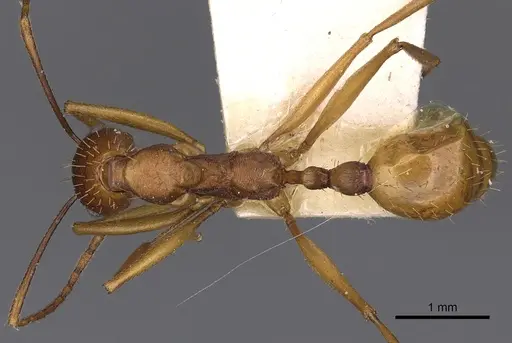
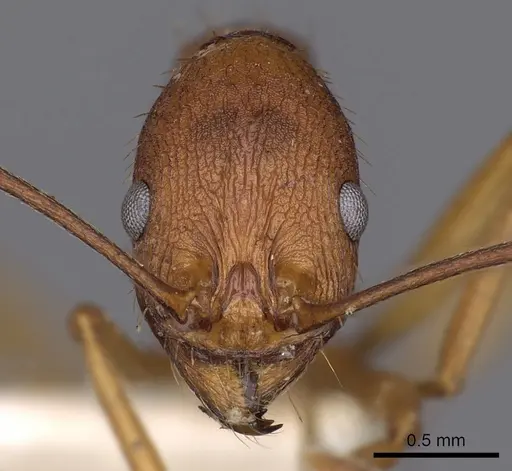
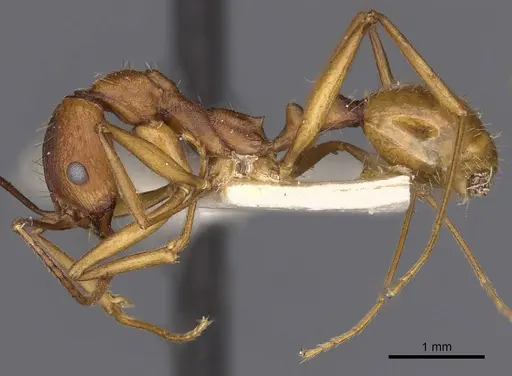
CASENT0900421
View on AntWeb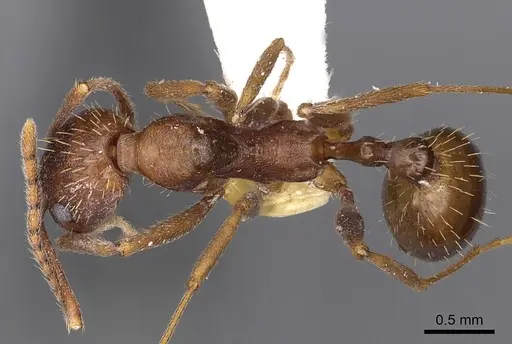
FMNHINS0000083014
View on AntWeb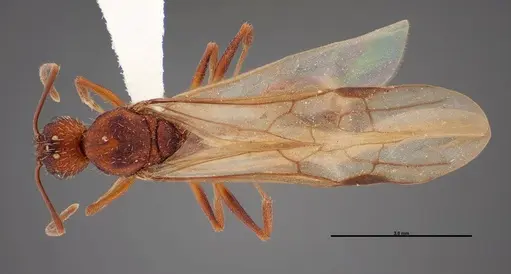
FMNHINS0000083015
View on AntWeb
FMNHINS0000083016
View on AntWeb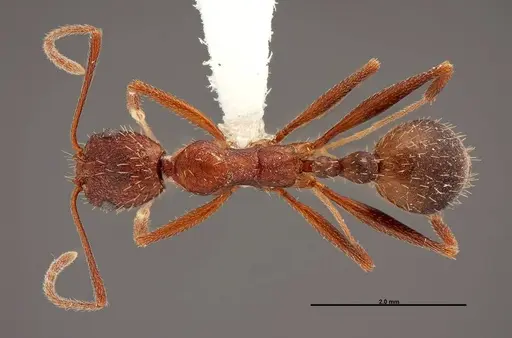
FMNHINS0000083028
View on AntWeb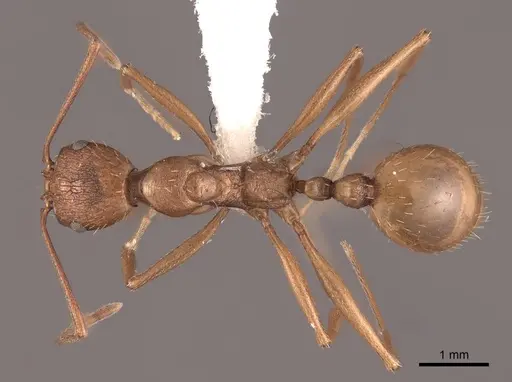
Literature
Loading...Loading products...