

Aphaenogaster texana
- Scientific Name
- Aphaenogaster texana
- Tribe
- Stenammini
- Subfamily
- Myrmicinae
- Author
- Wheeler, 1906
- Common Name
- Texas Collared Ant
- Distribution
- Found in 2 countries
Aphaenogaster texana Overview
Aphaenogaster texana (commonly known as the Texas Collared Ant) is an ant species of the genus Aphaenogaster. It is primarily documented in 2 countries , including Mexico, United States of America. Detailed taxonomic data and occurrence records can be further explored via authoritative databases such as AntWeb or the Global Biodiversity Information Facility (GBIF).
Aphaenogaster texana - "Texas Collared Ant"
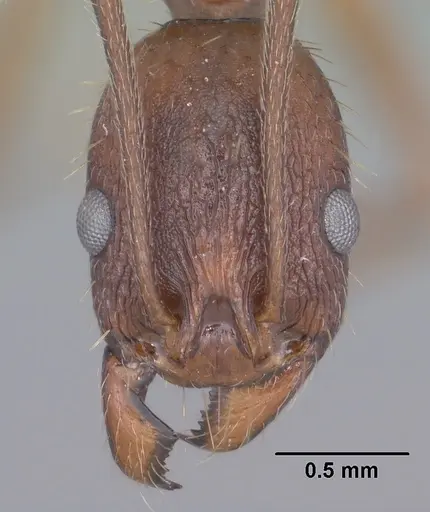
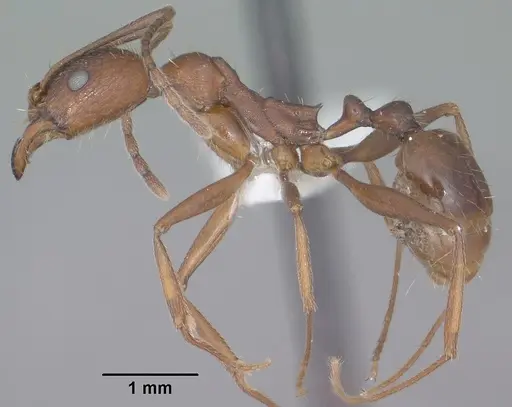
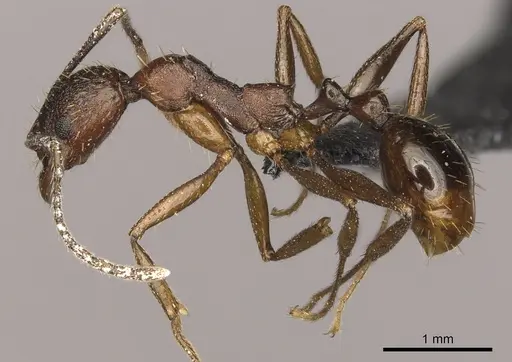
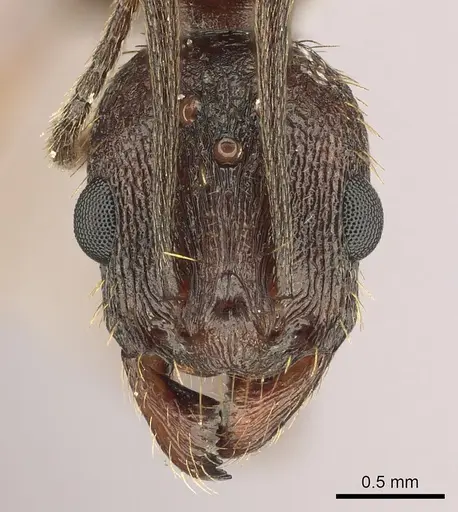
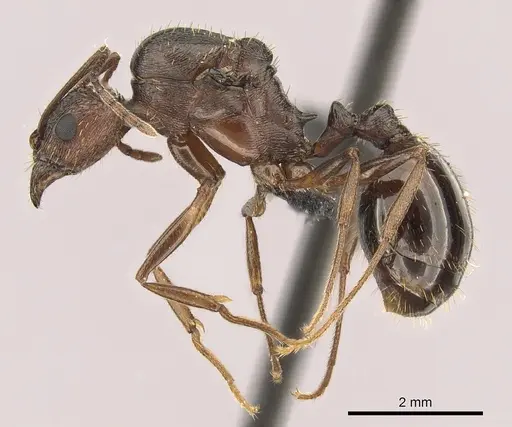
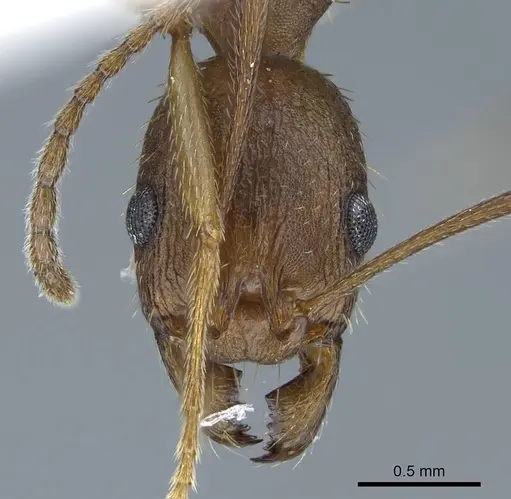
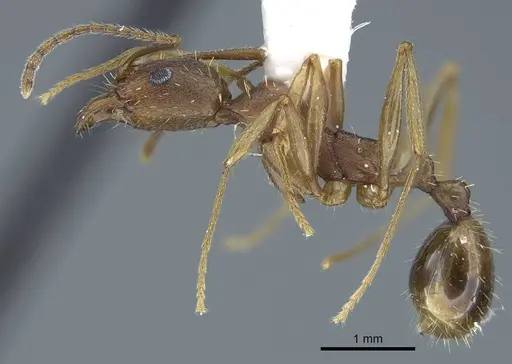
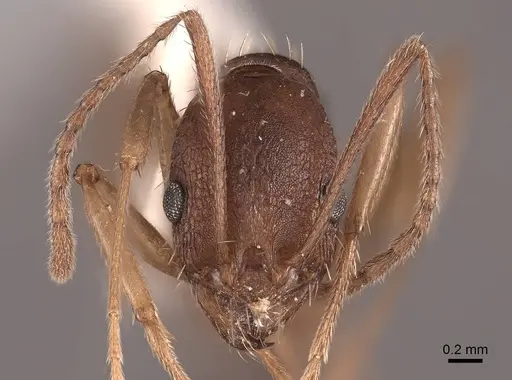
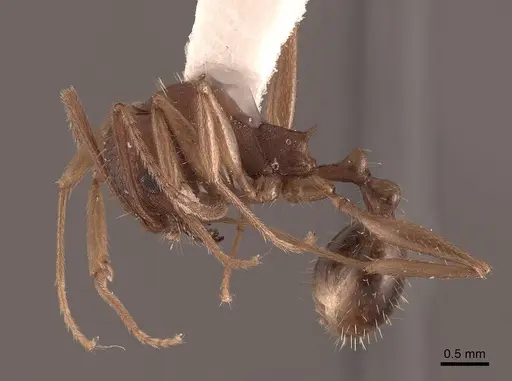
Workers of Aphaenogaster texana measure 4.0-5.5 mm and vary widely in color from yellowish brown to dark brown [1][2]. They have exceptionally long legs for their body size and distinctive propodeal spines [2]. You will find this species from Arkansas west through Texas, New Mexico and Arizona, extending south into northern Mexico, with scattered populations east to North Carolina and Indiana [3][4][1].
These ants nest under stones and rocks in moist, rocky soil, typically in middle elevation oak-pine forests and protected canyon slopes [5][3][1]. Colonies remain relatively small, averaging 126 to 750 workers, and excavate simple tunnels 2-35 cm deep with a small mound beside the entrance [6].
Quick Summary
- Difficulty: Medium
- Origin & Habitat: South-central United States and northern Mexico, nests under stones in moist, rocky soil of oak-pine forests and canyon slopes [3][5]
- Colony Type: Likely single-queen (monogyne) based on typical Aphaenogaster patterns, though specific studies on queen number are unconfirmed
- Colony: Monogyne
- Size & Growth:
- Antkeeping:
- Temperature: 20-25°C during activity season, provide winter rest at 10-15°C for 2-3 months [7]
- Humidity: Moderate to moist, nest substrate should feel damp but not waterlogged [5]
- Diapause: Likely yes, temperate species expected to require winter dormancy, though specific requirements unconfirmed
- Nesting: Under stones in soil, naturalistic setups with flat stones or formicaria with moist substrate work well [3][1]
- Behavior: Moderately active foragers that hunt individually in leaf litter [1][8]. They show high efficiency in discovering food resources compared to other Texas ants [8]. When threatened by fire ants, they exhibit a distinctive defense posture raising their antennae and lowering their bodies [6]. Small size requires excellent escape prevention.
- Common Issues: colonies stay small (under 800 workers), which may disappoint keepers expecting massive colonies., require consistent moisture, nests dry out easily in captivity without proper hydration., small worker size (4-5 mm) means excellent escape prevention is essential., slow growth rate requires patience during founding and early colony development.
Nest Preferences
Natural nests occur under stones and rocks in moist, rocky soil, particularly in mesic oak-pine forests and protected canyon bottoms [3][5]. In nature, they excavate simple tunnels 2-35 cm deep and often build a small soil mound beside the entrance [6]. For captive colonies, recreate these conditions with a naturalistic setup featuring flat stones over a moist substrate, or use a formicarium with moderate humidity and tight-fitting chambers. The nest area should offer damp soil or plaster that retains moisture without flooding.
Feeding and Diet
Workers forage actively in leaf litter and have been observed feeding on plant sap exuding from elm trees [9][1]. They are efficient resource discoverers, showing one of the highest per capita discovery rates among Texas ant species [8]. In captivity, offer sugar water or honey water constantly, and provide small live or freshly killed insects such as fruit flies, springtails, or small cricket pieces twice weekly. They likely accept a variety of protein sources given their opportunistic foraging behavior.
Temperature and Care
As a temperate species occurring from Texas to North Carolina, these ants experience seasonal temperature variation [7][4]. Keep active colonies at 20-25°C during the spring and summer months. As a temperate species, they likely require a winter diapause period at 10-15°C for 2-3 months to maintain healthy brood cycles, though specific diapause studies are unconfirmed. Provide a gentle heat gradient within the nest so workers can thermoregulate by moving brood to preferred zones.
Behavior and Temperament
Aphaenogaster texana shows moderate activity levels with workers foraging individually rather than in trails [8]. They display a distinctive antennal raising and lowering defense posture when confronted by competitors like fire ants [6]. These ants are not escape artists by nature, but their 4-5 mm size means you must use fine mesh barriers and tight-fitting lids to prevent escapes. They are generally peaceful toward other ants but will defend their territory.
Growth and Development
Colonies remain small by ant standards, typically housing between 126 and 750 workers [6]. Growth is steady but slow compared to fast-growing species like Solenopsis. Development time from egg to worker is not directly documented for this species, but based on related temperate Myrmicinae, expect approximately 8-12 weeks at 24°C. First workers (nanitics) may emerge slightly smaller and faster than subsequent generations.
Frequently Asked Questions
Can I keep Aphaenogaster texana in a test tube?
Yes, founding queens can be housed in standard test tube setups with a water reservoir, though provide a dark cover as these ants prefer dim nest conditions.
How long until first workers for Aphaenogaster texana?
Development time is unconfirmed for this species, but based on related temperate ants, expect 8-12 weeks at optimal temperatures around 24°C.
Do Aphaenogaster texana need hibernation?
Likely yes. As a temperate species from regions with cold winters, you should provide a winter rest period at 10-15°C for 2-3 months, though specific diapause requirements are unconfirmed.
Can I keep multiple Aphaenogaster texana queens together?
Not recommended. Aphaenogaster species are typically monogyne (single-queen), meaning colonies have only one reproductive queen. Combining queens usually results in fighting. Pleometrosis (cooperative founding) has not been documented for this species.
What do Aphaenogaster texana eat?
They feed on plant sap and prey items in nature. In captivity, provide sugar water constantly and small protein sources like fruit flies, springtails, or cricket pieces twice weekly.
Are Aphaenogaster texana good for beginners?
They are medium difficulty, manageable size and peaceful temperament, but their small colony size and slow growth require patience. They are not as forgiving as Lasius or Camponotus species.
When should I move my Aphaenogaster texana colony to a formicarium?
Move them when the colony reaches 20-30 workers or when they outgrow the test tube, typically after the first year. Ensure the new nest has moist substrate and tight chambers sized to their small workers.
Do Aphaenogaster texana ants sting?
They possess a stinger but are small (4-5 mm) and not aggressive toward humans. Stings are unlikely to penetrate skin and are not considered dangerous.
References

This caresheet is licensed under CC BY-SA 4.0 .
CASENT0102827
View on AntWeb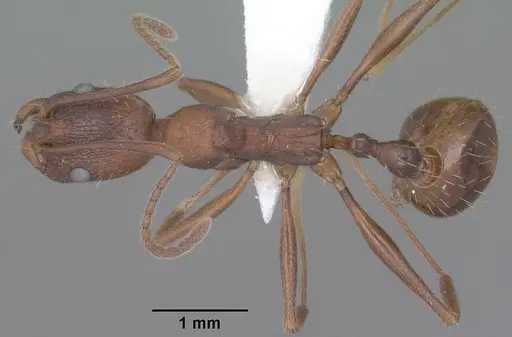
CASENT0105547
View on AntWeb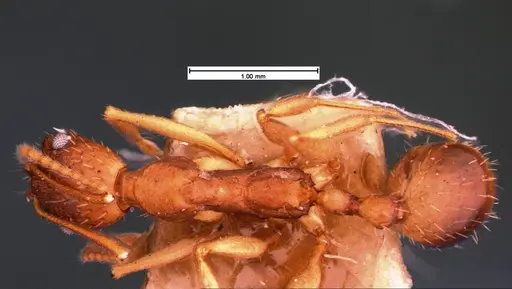
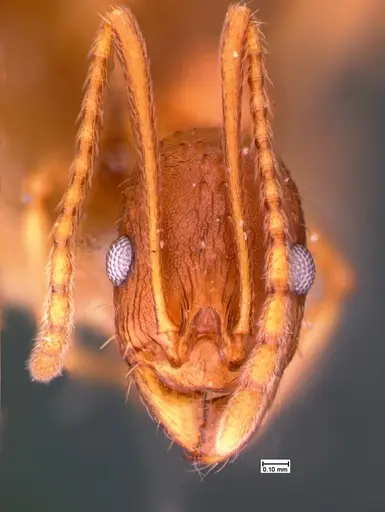
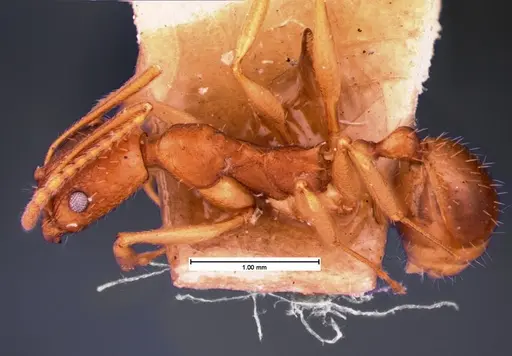
CASENT0270854
View on AntWeb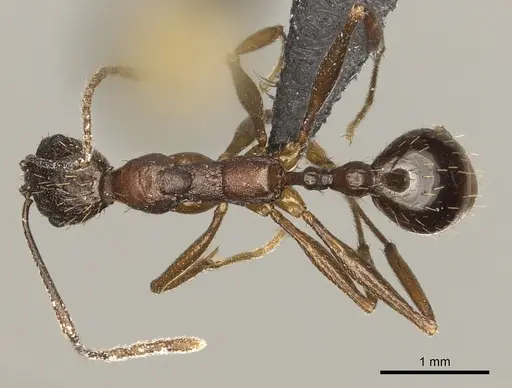
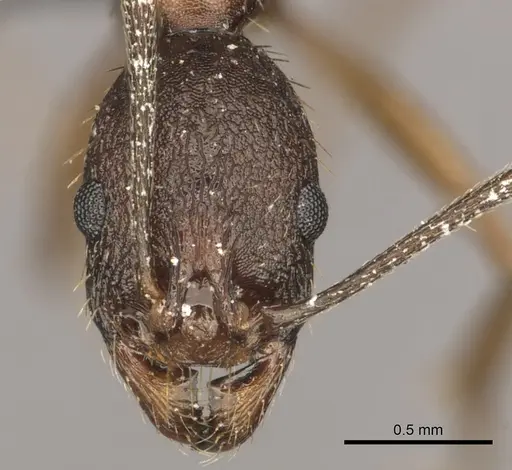
CASENT0270968
View on AntWeb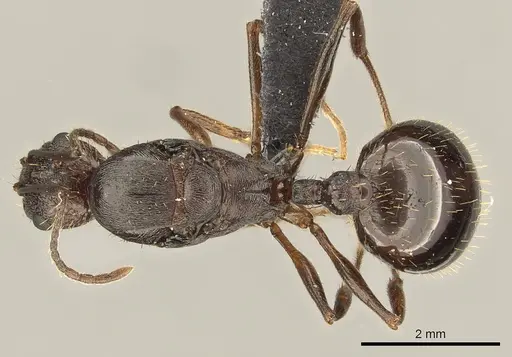
CASENT0914471
View on AntWeb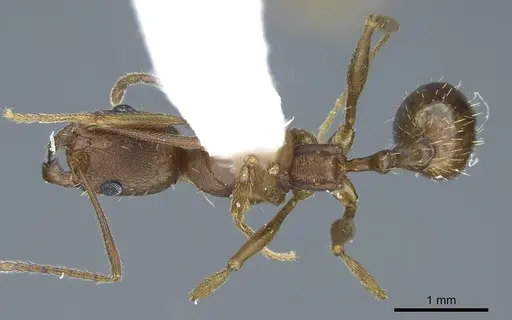
FMNHINS0000062927
View on AntWeb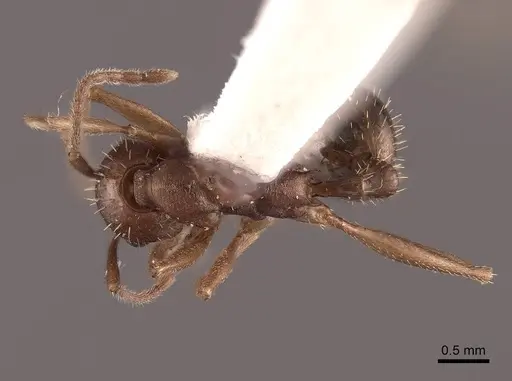
Literature
Loading...Loading products...