

Anonychomyrma itinerans
- Scientific Name
- Anonychomyrma itinerans
- Tribe
- Leptomyrmecini
- Subfamily
- Dolichoderinae
- Author
- Lowne, 1865
- Distribution
- Found in 1 countries
Anonychomyrma itinerans Overview
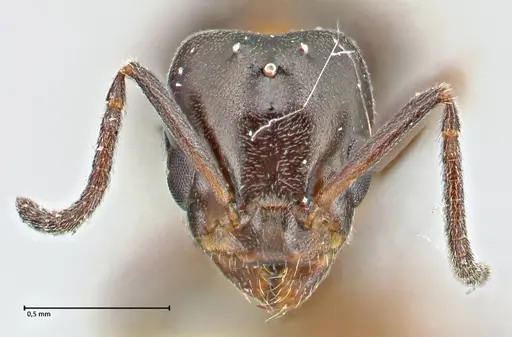
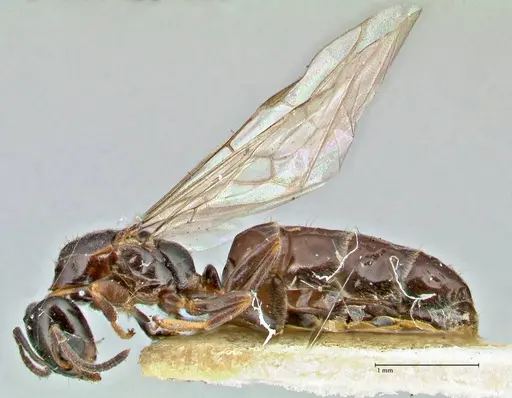
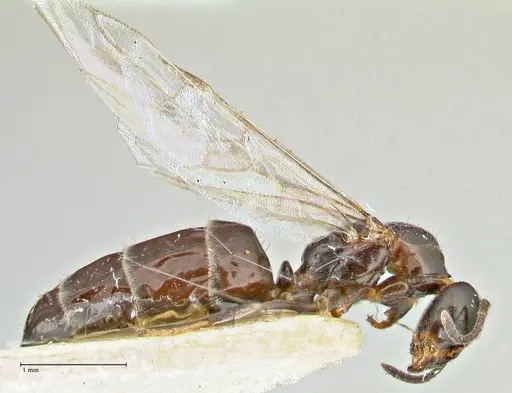
Anonychomyrma itinerans is an ant species of the genus Anonychomyrma. It is primarily documented in 1 countries , including Australia. Detailed taxonomic data and occurrence records can be further explored via authoritative databases such as AntWeb or the Global Biodiversity Information Facility (GBIF).
Anonychomyrma itinerans
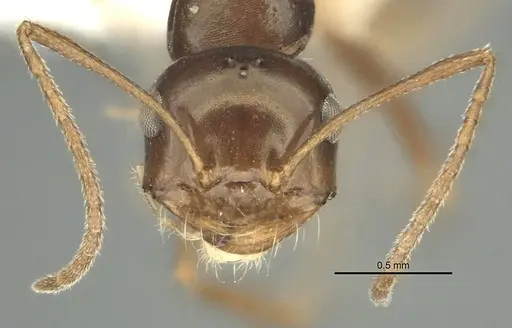
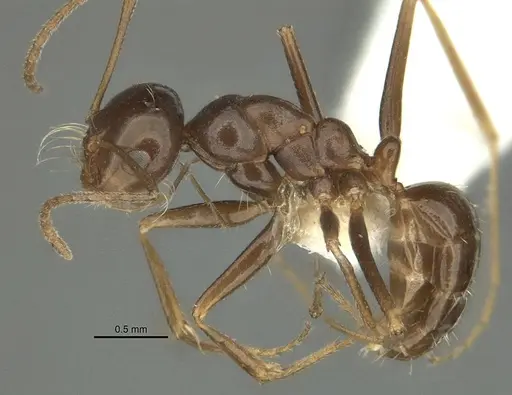
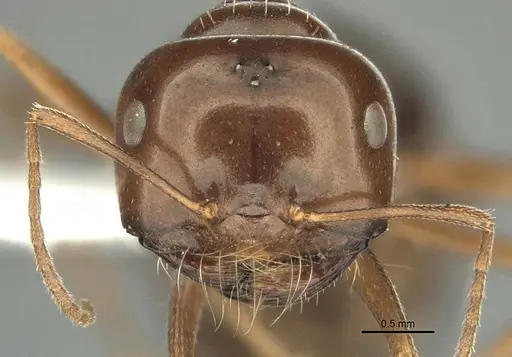
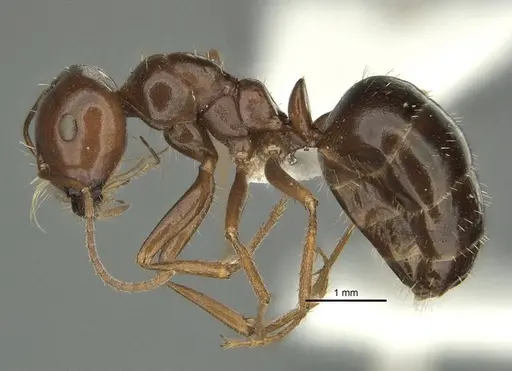
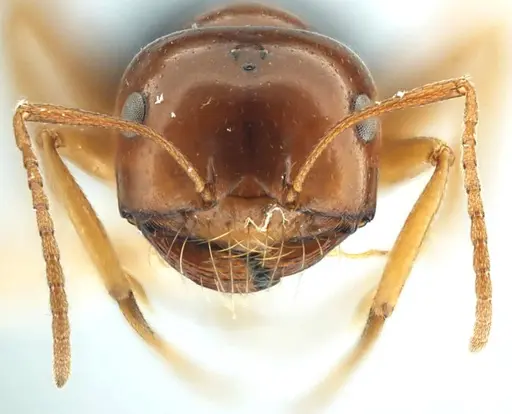
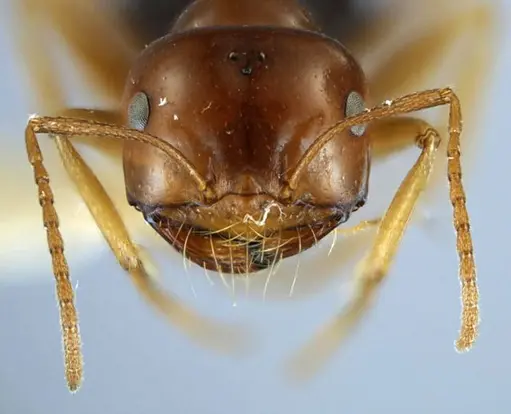
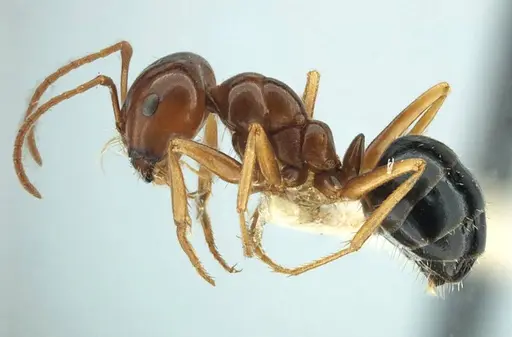
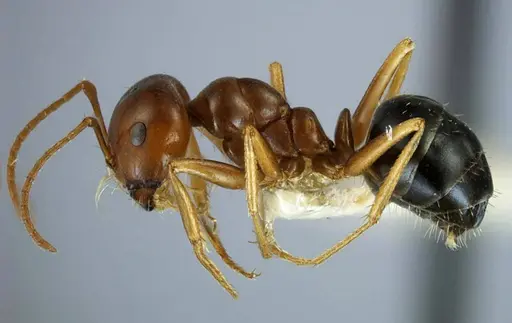
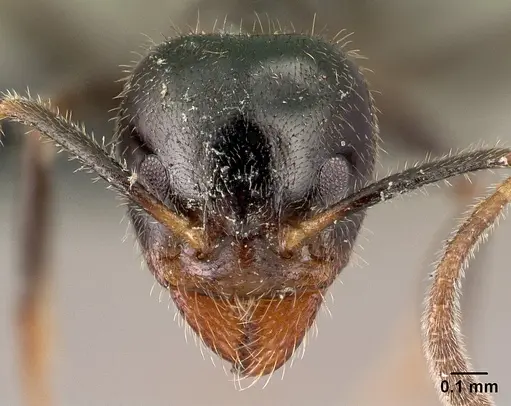
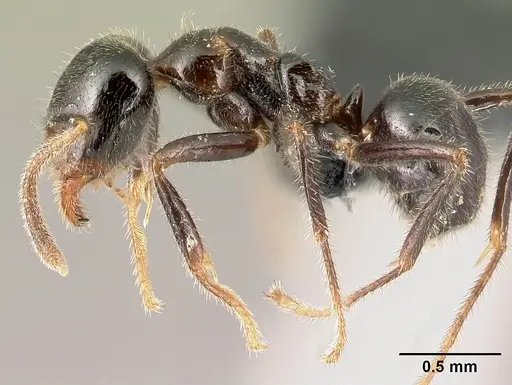
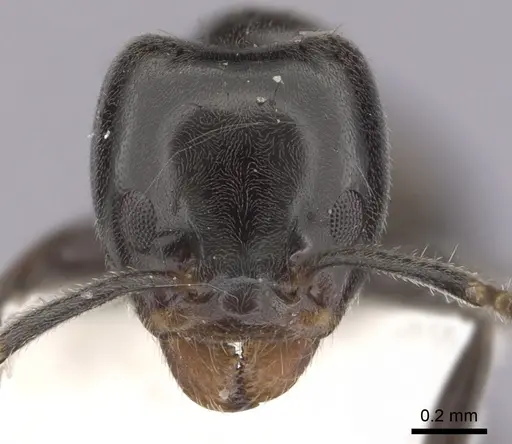
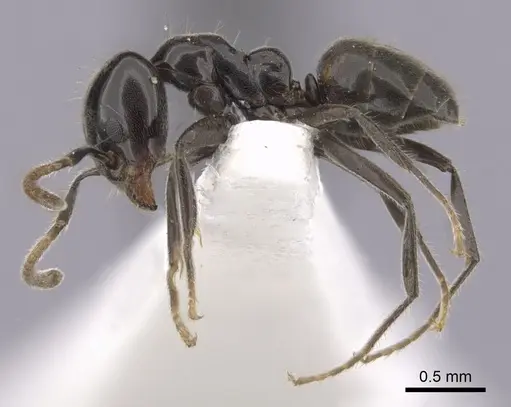
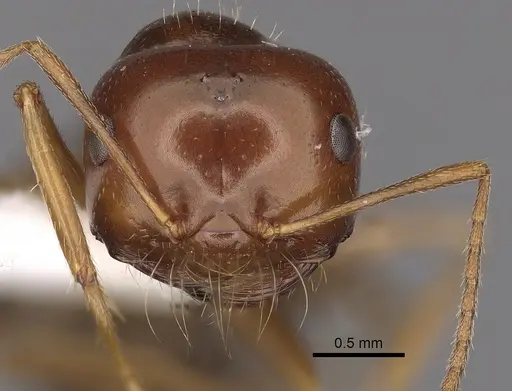
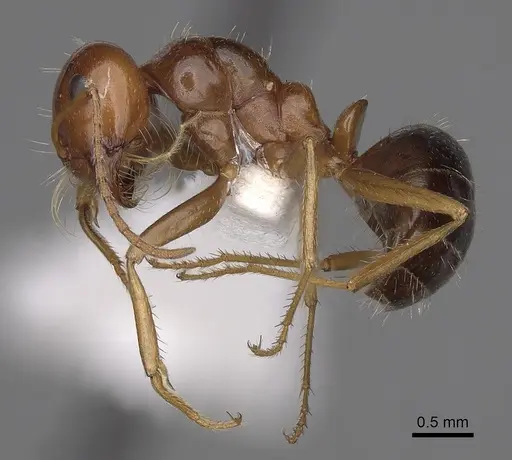
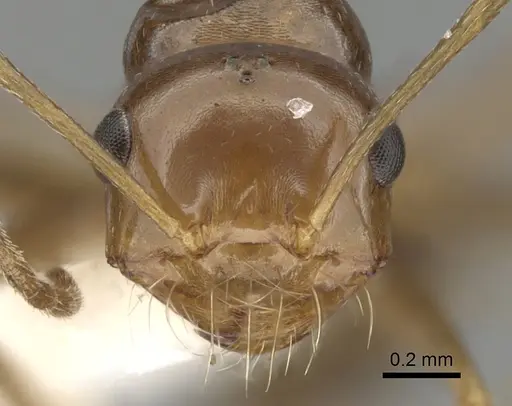
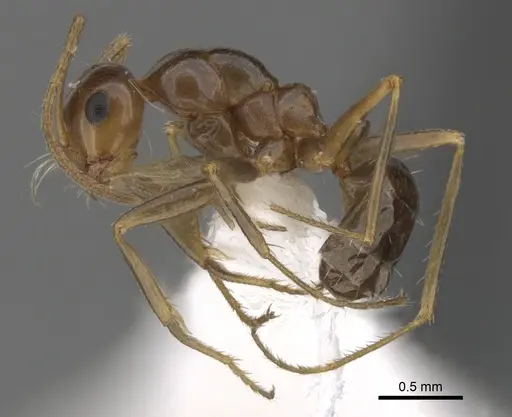
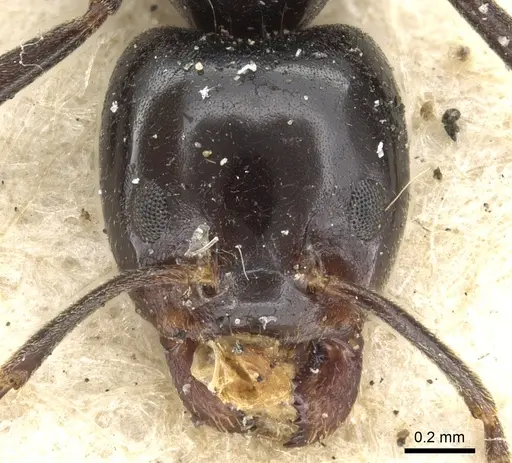
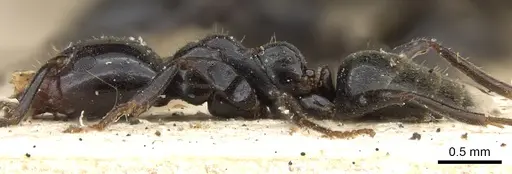
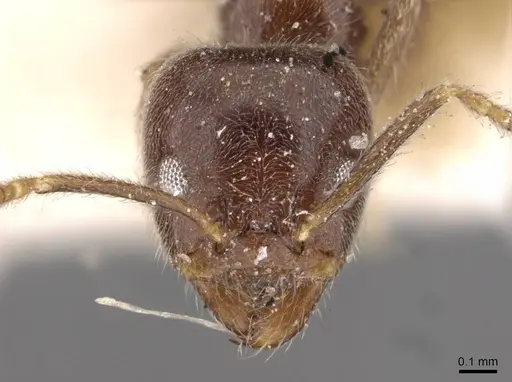
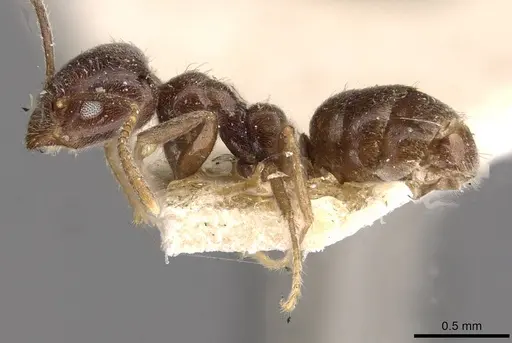
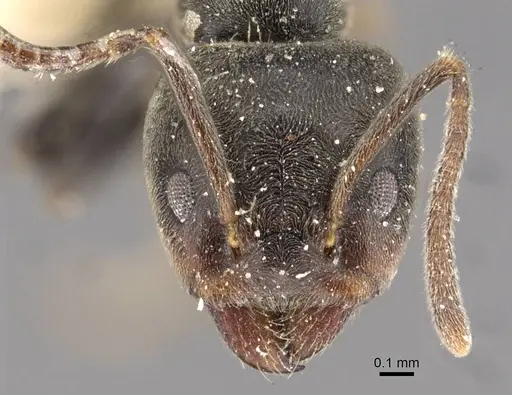
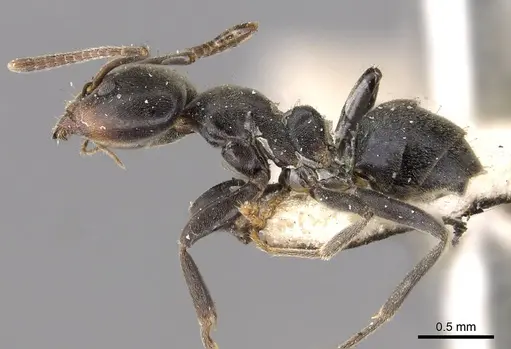
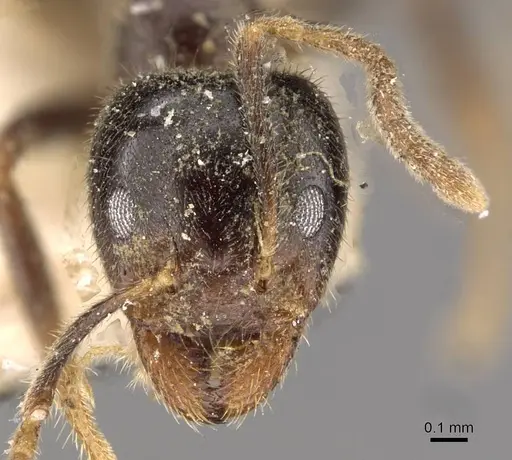
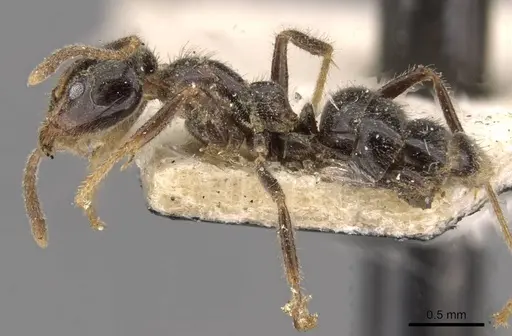
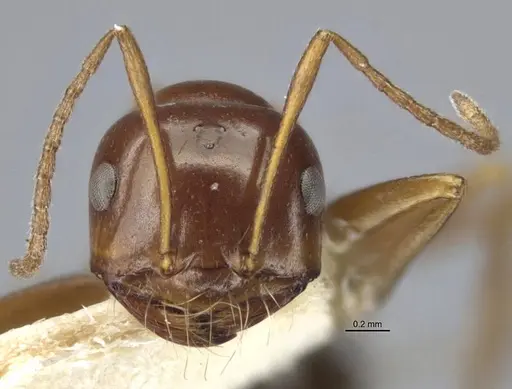
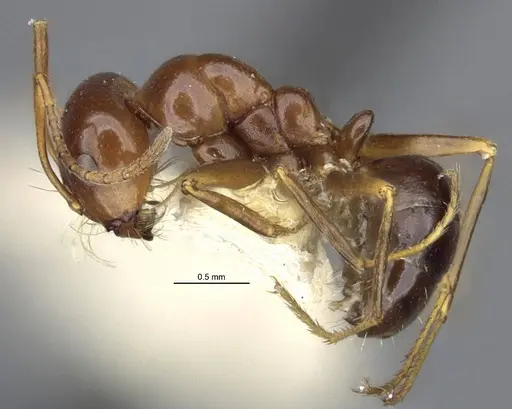
Anonychomyrma itinerans builds distinctive turret nests that rise like tiny chimneys from sandy soils, particularly in the Perth region of Western Australia [1]. Their workers have smooth, shiny bodies and move with a slow, deliberate pace quite unlike the frantic scrambling of many other ants [1]. These ants inhabit woodlands with hard-leaved vegetation and open forests across a wide swathe of Australia, from New South Wales and Queensland through Tasmania to Western Australia, typically favoring sandy soils in moister areas [2][1][3].
Their turret nests represent remarkable architectural skill, constructed from sand particles and soil to form chimney-like structures around the nest entrance [1]. This specialized nesting behavior means you must provide sandy soil to see their natural construction behaviors in captivity.
Quick Summary
- Difficulty: Medium
- Origin & Habitat: Australia (New South Wales, Queensland, Tasmania, Western Australia), woodlands with hard-leaved vegetation, open forests, sandy soils in wetter areas [2][1][3]
- Colony Type: Unconfirmed (founding behavior not documented)
- Size & Growth:
- Queen: Unknown
- Worker: Unknown
- Colony: Unknown
- Growth: Unknown
- Development: Unknown (Development timeline has not been documented for this species.)
- Antkeeping:
- Temperature: 20-25°C (estimated based on wide geographic range from Tasmania to Queensland, adjust based on population source) [2][1]
- Humidity: Moderate to high, species prefers wetter areas within its range [1]
- Diapause: Unknown, southern populations may require winter cooling but this is unconfirmed
- Nesting: Sandy soil essential for natural turret nest construction [1]
- Behavior: Slow, deliberate movement, smooth shiny appearance [1]. Generally peaceful (Dolichoderinae lack stings).
- Common Issues: turret nest construction requires specific sandy soil not found in standard ant farms., slow movement can mask health issues, lethargy is normal but makes illness harder to spot., wide geographic distribution means temperature preferences may vary significantly by population source.
Nest Preferences and Turret Construction
In nature, Anonychomyrma itinerans constructs characteristic turret nests on sandy soils, particularly in the Perth region where these structures become defining landscape features [1]. The ants build chimney-like towers from sand particles and soil around their nest entrance.
In captivity, provide a deep sandy soil mixed with fine particles to allow this natural behavior. A clear container section lets you observe the tunnel architecture, though the turret itself forms at the surface entrance. Standard plaster or Y-tong nests may not satisfy their digging instincts unless you provide a substantial sand-filled outworld or naturalistic setup.
Keep the sand moderately damp but not waterlogged. The species prefers wetter areas within its range, so allow the lower layers to stay moist while the surface can dry slightly [1].
Temperature and Seasonal Care
This species spans a huge range from Tasmania through Queensland and Western Australia, suggesting flexible temperature tolerance [2][1]. Keep them at moderate room temperatures around 20-25°C.
If your colony originates from Tasmania, they may benefit from a cooler winter period around 15°C for several months, though this is unconfirmed. Populations from Queensland and Western Australia likely prefer stable warm conditions year-round.
Watch your colony's activity levels to gauge comfort. They should maintain their slow, deliberate movement without becoming completely lethargic. If they slow down significantly in winter and stop brood production, consider cooling them to 15°C for 2-3 months, then returning to 22-25°C.
Behavior and Temperament
Unlike the frantic energy of many ants, Anonychomyrma itinerans workers move slowly and deliberately with a smooth, shiny appearance [1]. This is normal for the species and not a sign of illness.
They are generally peaceful and lack stings, characteristic of the Dolichoderinae subfamily [4]. They may release defensive chemicals if threatened, but cannot sting humans. Their deliberate pace makes them excellent for observation, as they spend considerable time at tasks rather than rushing.
Because they move slowly, they may struggle with large or fast prey items. Offer smaller, slower prey or pre-killed insects.
Feeding and Diet
While specific dietary studies are not provided in the available research, as Dolichoderinae they likely feed on honeydew from sap-sucking insects and general sweet liquids, plus small prey items [4].
Offer sugar water or honey water consistently. Provide small live prey like fruit flies or pinhead crickets, or pre-killed insects. Their slow movement suggests they may prefer easier prey or scavenging over active hunting [1].
Remove uneaten food promptly to prevent mold in the humid conditions they prefer.
Colony Founding
Founding behavior is unconfirmed for this species. Most Dolichoderinae queens seal themselves in (claustral founding) and raise first workers on stored body fat, but this has not been documented specifically for Anonychomyrma itinerans.
If attempting to found a colony, provide a standard test tube setup with water reservoir and keep undisturbed at moderate temperatures around 22-25°C. Do not disturb the queen frequently, as this may cause her to abandon the brood.
Frequently Asked Questions
Can I keep Anonychomyrma itinerans in a test tube?
Yes, standard test tube setups work for founding colonies, though you will eventually need to provide sandy soil for their characteristic turret nest behavior [1].
How long until first workers for Anonychomyrma itinerans?
The egg to worker timeline is unconfirmed for this species. Based on related Dolichoderinae, expect 6-10 weeks at 25°C, but this is an estimate.
Do Anonychomyrma itinerans need hibernation?
It is unknown. Populations from Tasmania may benefit from winter cooling, while Queensland populations likely do not. If your colony slows significantly in winter, reduce temperature to 15°C for 2-3 months [2].
Can I keep multiple Anonychomyrma itinerans queens together?
Combining unrelated queens is not recommended and has not been documented for this species. Most colonies likely start with a single queen.
What do Anonychomyrma itinerans eat?
They likely accept sugar water, honey water, and small insects. As sand-dwelling ants from open woodlands, they probably forage for honeydew and small prey [1][3].
Are Anonychomyrma itinerans good for beginners?
They are moderately difficult due to specific soil needs for turret nesting and slow growth rates. They are not commonly kept in the hobby, so care requirements are less documented than species like Lasius niger.
Why do my Anonychomyrma itinerans move so slowly?
This is normal behavior. They are described as moving slowly and deliberately compared to other ants [1]. Only worry if they stop moving entirely or show signs of fungus.
Do Anonychomyrma itinerans need sand?
To express their natural turret-nesting behavior, yes. They build characteristic chimney-like structures from sand particles [1]. Without sand, they will survive but won't show this natural behavior.
References

This caresheet is licensed under CC BY-SA 4.0 .
ANIC32-032237-1
View on AntWeb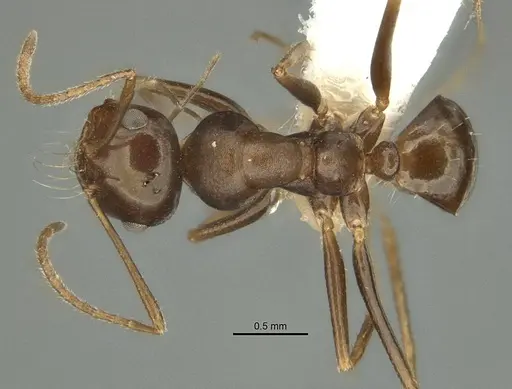
ANIC32-032237-2
View on AntWeb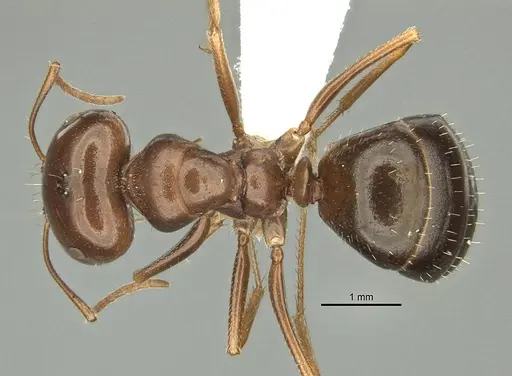
ANTWEB1038575
View on AntWeb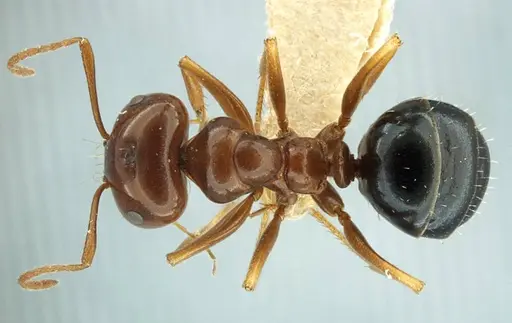
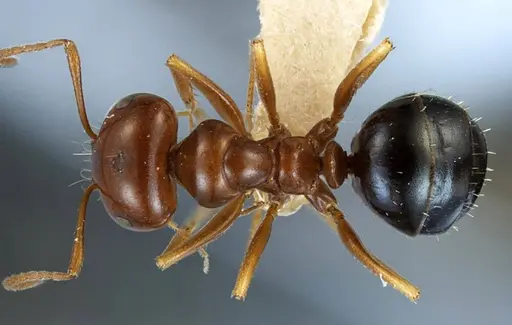
CASENT0009959
View on AntWeb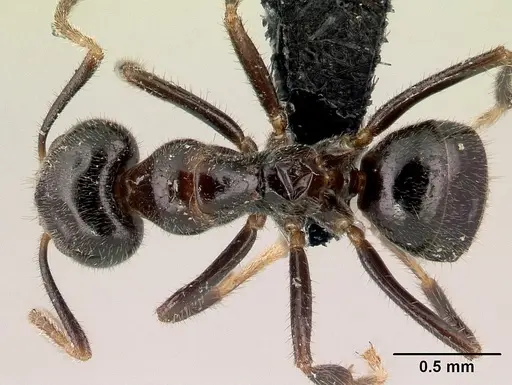
CASENT0249512
View on AntWeb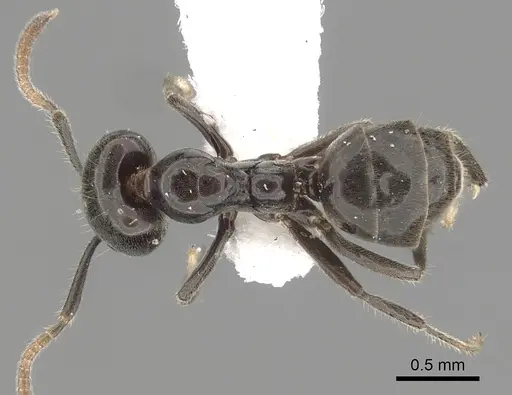
CASENT0280482
View on AntWeb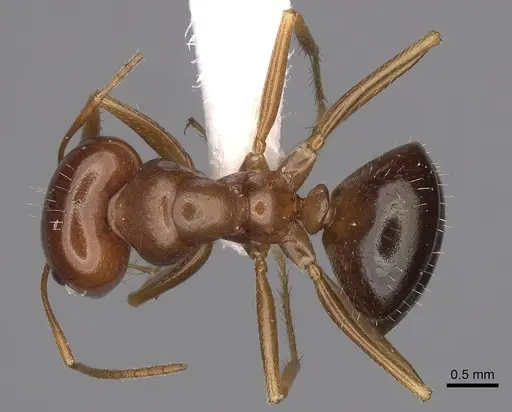
CASENT0280483
View on AntWeb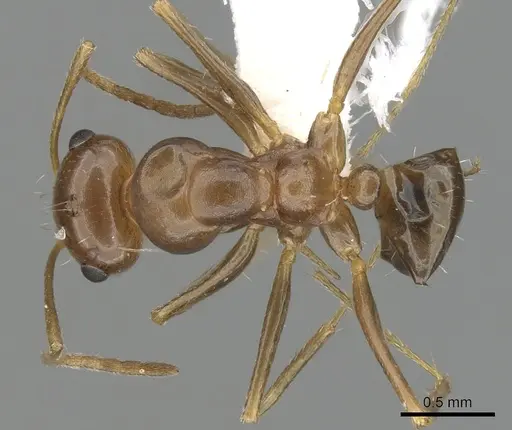
CASENT0902994
View on AntWeb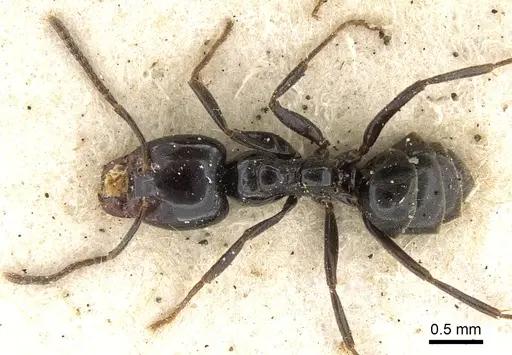
CASENT0909541
View on AntWeb
CASENT0909542
View on AntWeb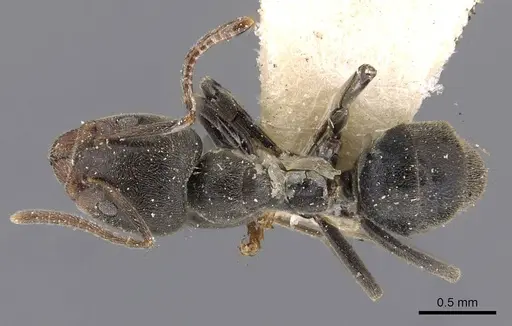
CASENT0909544
View on AntWeb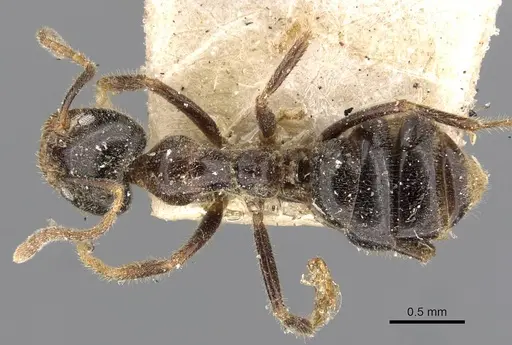
FOCOL2830
View on AntWeb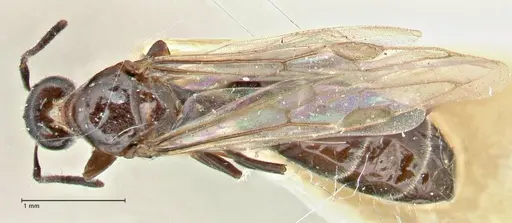
MCZ-ENT00303602-2
View on AntWeb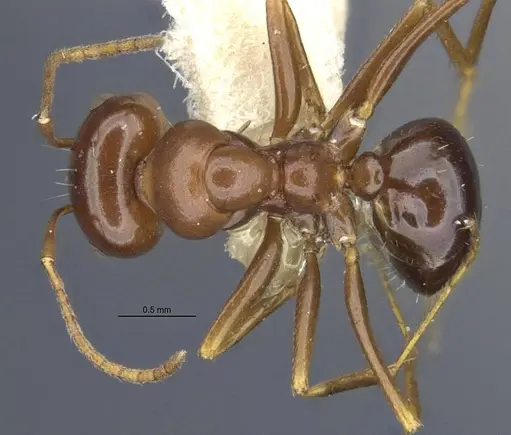
Literature
Loading...Loading products...