

Anochetus striatulus
- Scientific Name
- Anochetus striatulus
- Tribe
- Ponerini
- Subfamily
- Ponerinae
- Author
- Emery, 1890
- Distribution
- Found in 3 countries
Anochetus striatulus Overview
Anochetus striatulus is an ant species of the genus Anochetus. It is primarily documented in 3 countries , including Colombia, Costa Rica, Mexico. Detailed taxonomic data and occurrence records can be further explored via authoritative databases such as AntWeb or the Global Biodiversity Information Facility (GBIF).
Anochetus striatulus
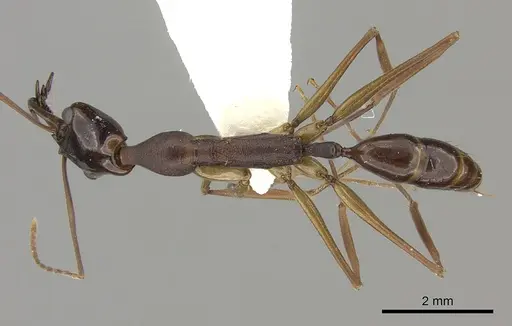
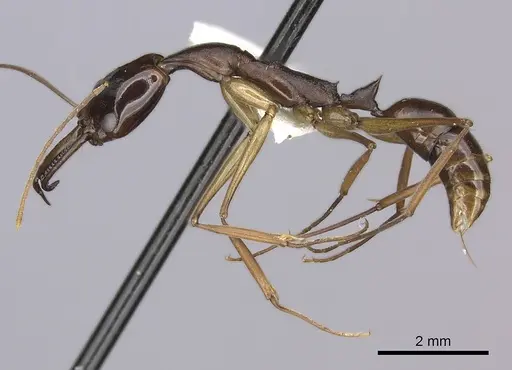
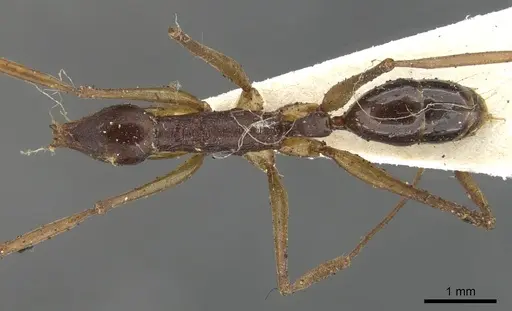
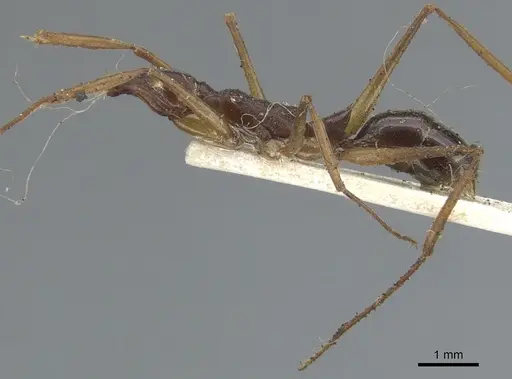
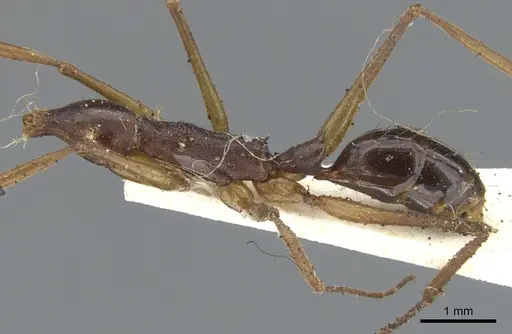
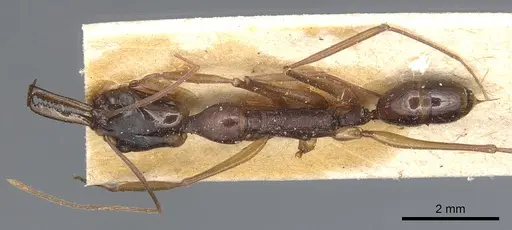
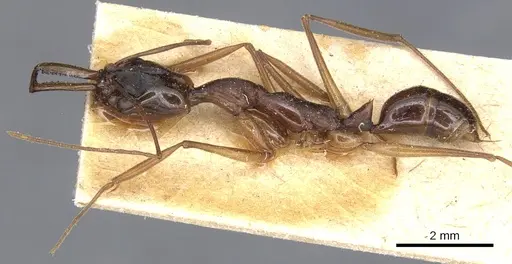
Anochetus striatulus is a slender, reddish-brown trap-jaw ant native to the Neotropical region, with confirmed records in Costa Rica, Colombia, Venezuela, and Mexico [1][2]. Workers are relatively robust for the genus, with combined head and mesosoma length exceeding 2.8 mm, featuring a high petiole node with finely grooved and shiny upper surfaces plus distinctive long, sharp spines at the apex [1][3]. Unlike ground-nesting ants, these are arboreal hunters that live in trees and above-ground vegetation [4]. They belong to the taxonomically confusing emarginatus species complex and may represent the same species as Anochetus emarginatus, which complicates their classification in scientific literature [5].
Quick Summary
- Difficulty: Medium
- Origin & Habitat: Neotropical region including Costa Rica, Colombia, Venezuela, and Mexico (Quintana Roo), arboreal habitats in tropical forests [1][6][4].
- Colony Type: Single-queen colonies likely, though specific colony structure is unconfirmed in available research.
- Size & Growth:
- Queen: Unknown, not documented in provided research.
- Worker: Approximately 4-5 mm total length (head plus mesosoma exceeding 2.8 mm) [1][3].
- Colony: Unknown, based on typical Anochetus patterns, likely under 100 workers.
- Growth: Slow
- Development: Unknown, likely 8-12 weeks based on related Anochetus species at tropical temperatures. (Development time is unconfirmed for this species. Tropical trap-jaw ants typically develop slowly with small colony sizes.)
- Antkeeping:
- Temperature: 24-28°C (inferred from tropical distribution). Provide a gentle heat gradient.
- Humidity: High humidity required, nest substrate should remain consistently moist but not waterlogged, mimicking tropical arboreal conditions.
- Diapause: No, tropical species that remains active year-round.
- Nesting: Arboreal setup required: vertical cork bark, wood blocks with tunnels, or plaster nests with climbing surfaces. Avoid flat test tube setups.
- Behavior: Arboreal trap-jaw hunters that use lightning-fast mandible strikes to capture prey. Generally shy but capable of stinging when threatened. Excellent climbers that require vertical surfaces [4]. Small size requires excellent escape prevention.
- Common Issues: arboreal nature makes them unsuitable for standard horizontal test tube setups, they need vertical climbing surfaces., slow colony growth requires patience and risks overfeeding by eager keepers., high humidity needs combined with arboreal setups can lead to mold without adequate ventilation., small worker size means standard mesh barriers may be insufficient for escape prevention.
Nest Preferences and Arboreal Housing
Anochetus striatulus is classified as an arboreal species, meaning they naturally nest in trees and above-ground vegetation rather than soil [4]. In captivity, this translates to housing requirements that differ significantly from ground-dwelling ants. You should provide a vertical or tilted setup with cork bark, rotting wood, or specialized arboreal formicaria that offer climbing surfaces. Standard horizontal test tubes often stress arboreal species and should be avoided except for temporary transport. The nest material should retain moisture well, think tropical tree bark conditions, but must also allow for some air circulation to prevent mold. If using a naturalistic setup, include twigs, moss, and vertical cork pieces that allow the ants to establish chambers at various heights. Because they are arboreal, they will spend much of their time on the walls and lid of the outworld rather than on the floor, so ensure your barrier (Fluon or talcum powder) covers all upper surfaces thoroughly.
Feeding and Trap-Jaw Hunting
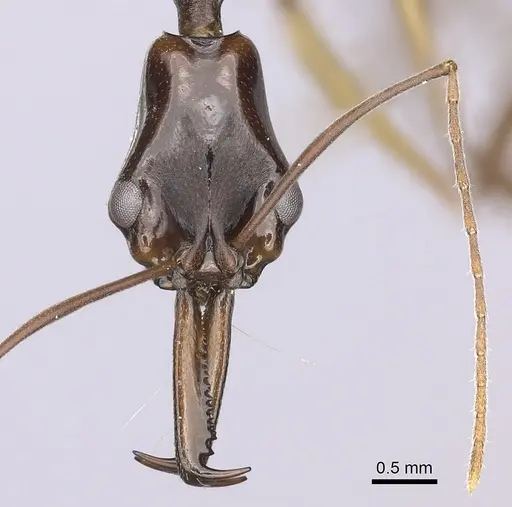
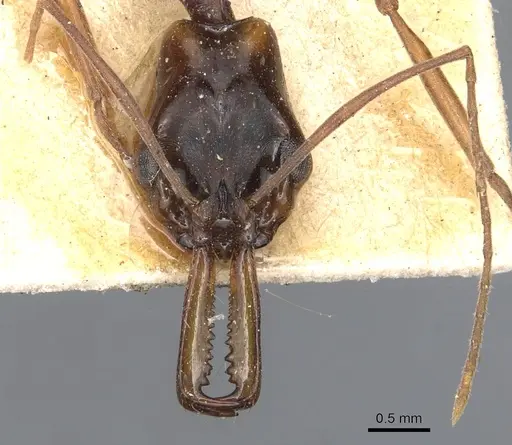
Like all Anochetus, this species possesses the famous trap-jaw mechanism, spring-loaded mandibles that snap shut at incredible speeds to capture prey. They are specialized predators that hunt small arthropods. In captivity, feed them small live prey such as springtails, fruit flies, or tiny crickets. The prey should be small enough for the workers to handle safely, roughly their own size or smaller. While they may accept sugar water or honeydew sources, protein should form the bulk of their diet given their predatory nature. Feed small amounts frequently rather than large boluses, as their small colony size means they cannot process large prey items quickly. Remove uneaten prey within 24 hours to prevent mold in the humid conditions they require.
Temperature and Tropical Care
Coming from tropical regions of Central and South America, Anochetus striatulus requires warm, stable temperatures year-round [1][2]. Keep them between 24-28°C with minimal fluctuation. Unlike temperate ant species, they do not require and should not receive a winter hibernation or diapause period, cooling them down may stress or kill the colony. Use a heating cable or heat mat attached to one side of the nest (preferably the top rather than bottom to avoid condensation issues) to create a gentle gradient. Monitor the colony's response: if workers cluster near the heat source, they want more warmth, if they avoid it, reduce the temperature slightly. Because they are tropical, room temperature in most homes (20-22°C) is likely too cool for optimal brood development.
Behavior and Temperament
Anochetus striatulus displays typical trap-jaw ant behavior, they are generally reclusive, slow-moving until hunting, and rely on their powerful mandibles for defense and prey capture. When disturbed, they may open their mandibles wide in a threat display or snap them shut audibly against the substrate. They can sting, as is typical for the Ponerinae subfamily, though they are not particularly aggressive and prefer to flee or freeze when disturbed. Their arboreal nature means they are excellent climbers and will explore vertical surfaces readily. They are not escape artists in the sense of actively seeking exits, but their small size means any gap is a potential escape route. Activity patterns are likely crepuscular or nocturnal, though this is unconfirmed for this specific species.
Taxonomic Notes and Identification
Identification of Anochetus striatulus requires attention to specific morphological details. Workers are characterized by their dark reddish-brown bodies with yellowish-brown legs, and most notably by the finely grooved (striated) and shiny upper part of the anterior face of the petiole node, combined with long, sharp petiolar spines [1][3][5]. They are part of the emarginatus species complex and may be synonymous with Anochetus emarginatus according to some taxonomic treatments [5]. When acquiring this species, be aware that misidentification within the emarginatus group is common, and the care requirements described here apply to the emarginatus complex generally.
Frequently Asked Questions
Can I keep Anochetus striatulus in a test tube?
Standard horizontal test tubes are not recommended for this species. As arboreal ants, they need vertical climbing surfaces and will become stressed in flat setups. Use vertical cork bark tubes or arboreal formicaria instead.
How long until Anochetus striatulus gets its first workers?
The exact timeline is unconfirmed for this species. Based on related Anochetus trap-jaw ants, expect approximately 8-12 weeks from egg to first worker at tropical temperatures (25-28°C).
Do Anochetus striatulus need hibernation or diapause?
No. This is a tropical species from Central and South America that remains active year-round. Do not cool them down for winter.
What do Anochetus striatulus eat?
They are specialized predators that hunt small live prey. Feed them springtails, fruit flies, or tiny crickets. Protein should form the majority of their diet, though they may occasionally accept sugar water.
Are Anochetus striatulus good for beginners?
They are best suited for keepers with some experience. Their arboreal requirements, small colony size, slow growth, and need for consistent tropical conditions make them more challenging than beginner species like Lasius or Camponotus.
Can I keep multiple Anochetus striatulus queens together?
Not recommended. While the exact colony structure is unconfirmed, Anochetus species are typically monogyne (single queen). Combining unrelated queens will likely result in fighting and death.
How big do Anochetus striatulus colonies get?
The maximum colony size is unknown for this species, but based on typical Anochetus patterns, they likely remain small, probably under 100 workers even when mature.
What temperature do Anochetus striatulus need?
Keep them warm and stable, around 24-28°C. Use a heating cable on one side of the nest to create a gradient, and avoid letting temperatures drop below 20°C.
Why are my Anochetus striatulus dying?
Common causes include: keeping them too cool (they need tropical heat), using horizontal test tubes instead of vertical arboreal setups, overfeeding leading to mold in humid enclosures, or escape-related stress. Check your setup against their arboreal, tropical requirements.
References

This caresheet is licensed under CC BY-SA 4.0 .
Literature
Loading...Loading products...