

Anochetus emarginatus
- Scientific Name
- Anochetus emarginatus
- Tribe
- Ponerini
- Subfamily
- Ponerinae
- Author
- Fabricius, 1804
- Distribution
- Found in 7 countries
Anochetus emarginatus Overview
Anochetus emarginatus is an ant species of the genus Anochetus. It is primarily documented in 7 countries , including Brazil, Belize, Colombia. Detailed taxonomic data and occurrence records can be further explored via authoritative databases such as AntWeb or the Global Biodiversity Information Facility (GBIF).
Anochetus emarginatus
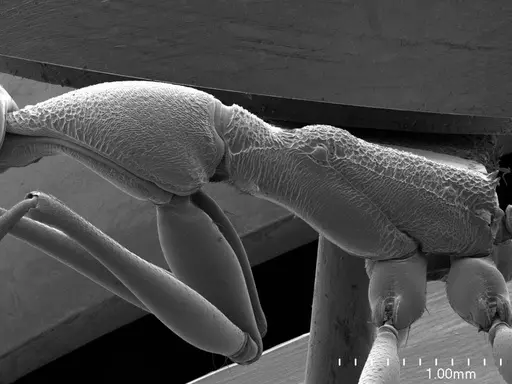
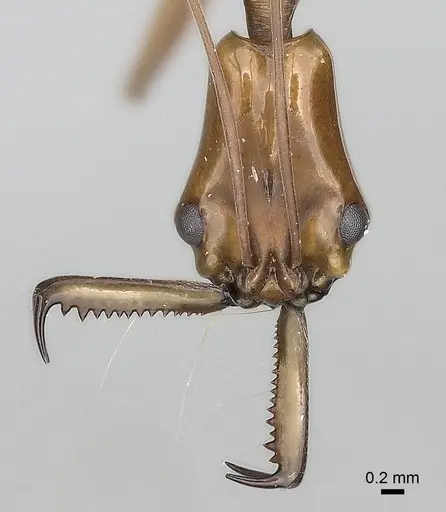
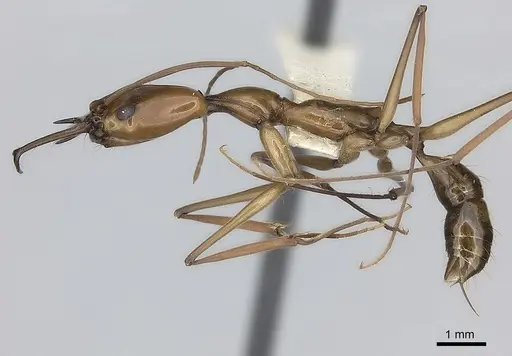
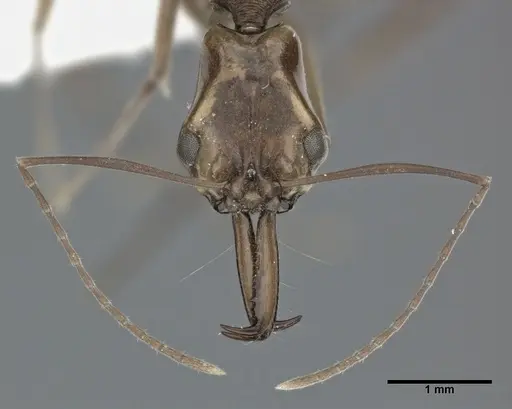
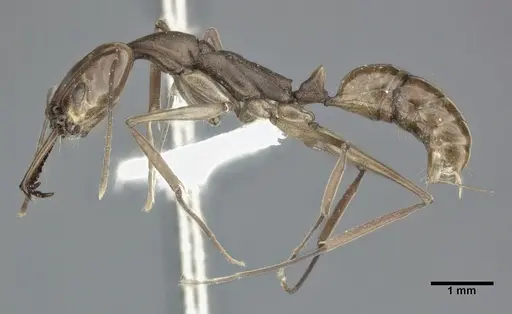
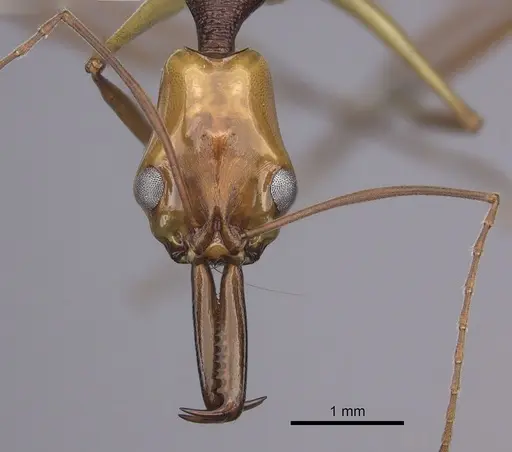
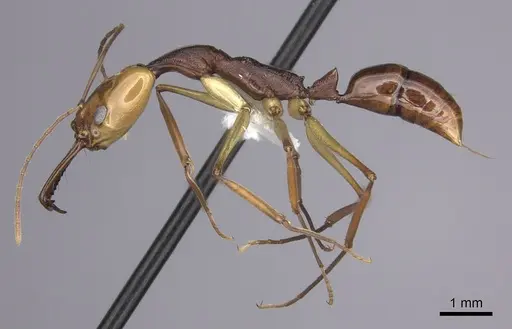
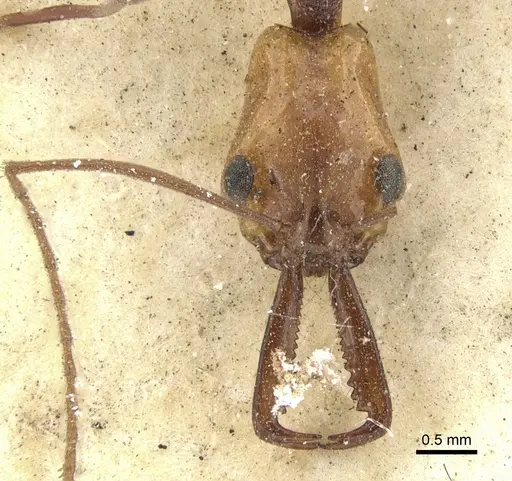
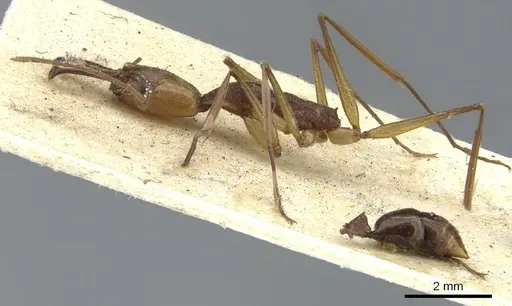
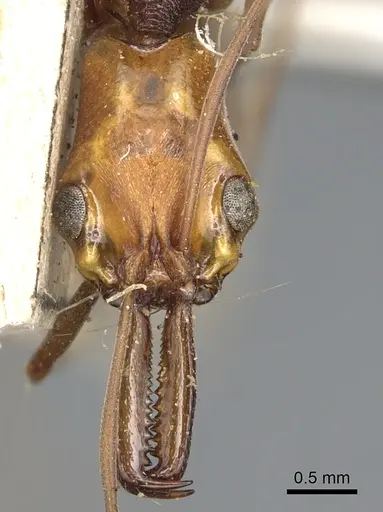
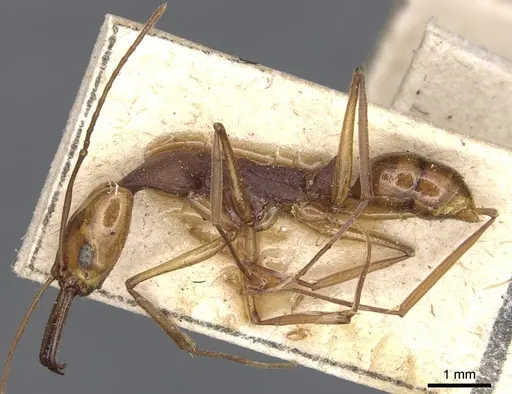
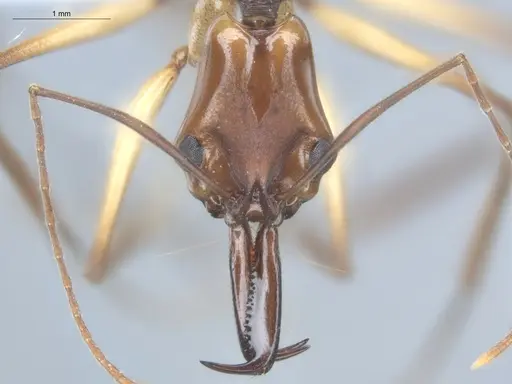
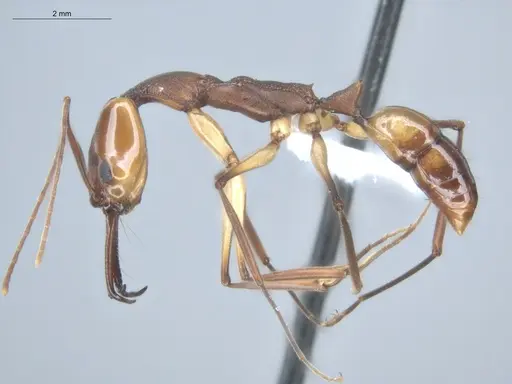
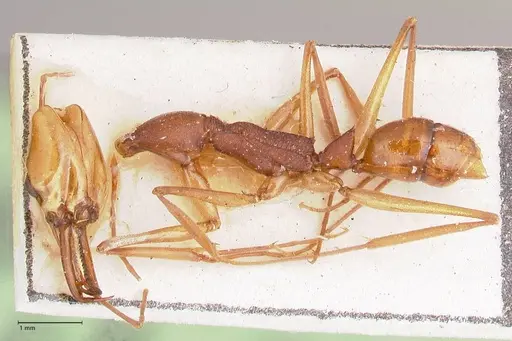
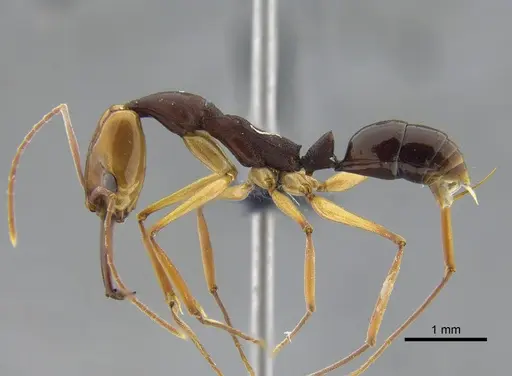
Anochetus emarginatus is a large trap-jaw ant, with workers reaching 10-12 mm in length [1]. They show striking color variation, typically sporting a pale yellow head and legs that contrast sharply against a dark reddish-brown thorax and petiole [2]. These ants inhabit the Neotropical region across Brazil, Colombia, the Guianas, Trinidad, and throughout the Caribbean islands [3][4].
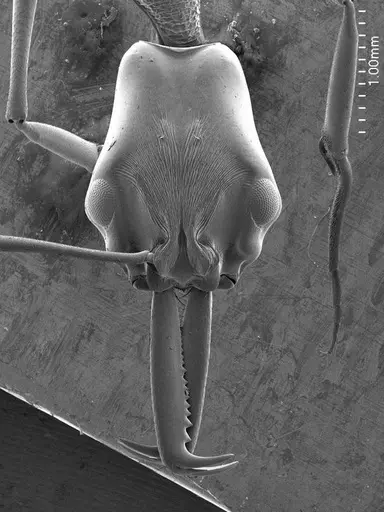
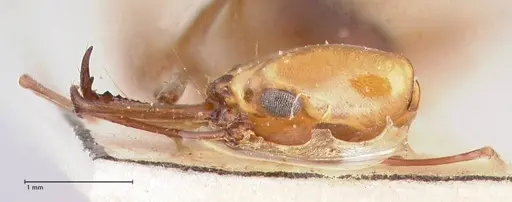
Unlike their famous relatives in Odontomachus, these trap-jaws strike relatively slowly, though their mandibles still use power amplification to snap shut on prey [5]. They live high above the ground, nesting in hollow branches, epiphytes, and between palm leaf bases [5]. Their diet specializes on Nasutitermes termites [6][7], and uniquely, they reproduce using wingless (ergatoid) queens rather than the typical winged form [8].
Quick Summary
- Difficulty: Hard
- Origin & Habitat: Neotropical rainforests and forests across Brazil, Colombia, the Guianas, Trinidad, Tobago, and the Caribbean [3][4]. They are arboreal, nesting in hollow branches, epiphytes, and palm leaf bases well above ground level [5].
- Colony Type: Likely single-queen colonies, documented to reproduce with non-alate (wingless) ergatoid queens [8]. Multi-queen colonies are unconfirmed.
- Colony: Monogyne
- Size & Growth:
- Antkeeping:
- Temperature: 24-28°C (tropical arboreal species).
- Humidity: High humidity 70-80%, substrate should remain moist but not waterlogged.
- Diapause: No, tropical species active year-round.
- Nesting: Arboreal setups required, vertical branches, hollow twigs, or cork tubes. Standard horizontal formicariums are unsuitable [5].
- Behavior: Predatory trap-jaw hunters specialized on termites. Arboreal foragers rarely seen on the ground. Can deliver a painful sting via venom containing neurotoxic peptides [9][10]. Their large size reduces escape risk but their climbing ability requires secure lids.
- Common Issues: specialized diet requiring live termites or small insects may be difficult to source consistently., arboreal nesting requirements mean standard test tube setups are unsuitable, they need vertical space and branch-like structures., high humidity in arboreal setups can lead to mold without excellent ventilation., slow colony growth and unknown founding behavior make colony establishment challenging.
Nest Preferences and Arboreal Housing
In the wild, Anochetus emarginatus nests in hollow branches, epiphytes, and between palm leaf bases high above the forest floor [5]. They are not ground-nesters. In captivity, you must replicate this arboreal lifestyle. Use vertical cork tubes, hollow bamboo branches, or custom arboreal formicariums with climbing surfaces. The nest needs high humidity (70-80%) but also excellent ventilation to prevent mold in these moist, enclosed spaces. Provide plenty of vertical climbing surfaces and avoid standard horizontal setups.
Feeding and Specialized Diet
These ants are specialist predators of Nasutitermes termites [6][7]. While they may accept other small live insects like fruit flies or springtails, termites appear to be their preferred prey. As trap-jaw ants, they use their power-amplified mandibles to strike and impale prey [5]. Offer live prey regularly, they are unlikely to accept dead insects or sugar sources. Ensure prey is small enough for them to handle but large enough to trigger their hunting response.
Temperature and Environmental Needs
Coming from tropical rainforests across the Amazon and Caribbean, these ants need steady warmth between 24-28°C year-round [3][4]. They do not require diapause or cooling periods. Maintain high humidity around 70-80%, but ensure your arboreal setup has adequate ventilation to prevent stagnant air and mold growth. A heating cable on one side of the setup can create a gentle gradient, but avoid overheating these humidity-dependent ants.
Behavior and Trap-Jaw Mechanics
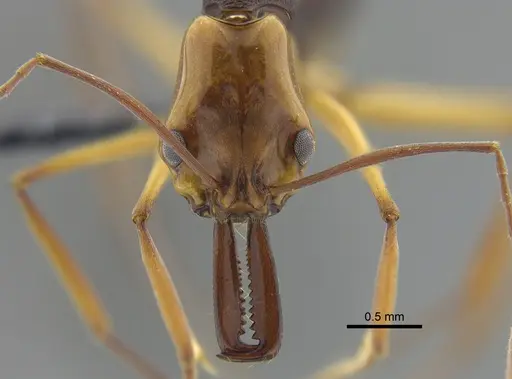
Anochetus emarginatus possesses the famous trap-jaw mechanism, though studies show their strikes are slower than other Anochetus and Odontomachus species, reaching mean maximum rotational velocities around 1.3×10^4 rad s^-1 [5]. Their mandibles are power-amplified, storing energy to snap shut on prey. They are arboreal foragers, hunting in trees rather than on the ground. They possess a functional stinger and venom containing neurotoxic peptides (poneritoxin Aela) that can paralyze prey [9][10]. While not dangerous to humans, the sting is painful.
Reproduction and Queen Type
Unlike most ants that have winged queens, Anochetus emarginatus has been documented reproducing with non-alate (wingless) queens, also called ergatoid queens [8]. These wingless reproductives may serve as replacement queens if the primary dies, or they may be the primary reproductives in some populations. This unusual trait means you may encounter wingless queens in established colonies. The implications for colony founding are unclear, as these ergatoid queens may not fly or found colonies in the typical manner.
Colony Founding Challenges
The founding behavior of Anochetus emarginatus remains unconfirmed. Given their ergatoid queens and arboreal habits, they likely do not follow the standard claustral founding model where a winged queen seals herself in a chamber. They may be semi-claustral (queen forages) or use alternative strategies like budding from established colonies. Until documented, founding new colonies from single queens is unpredictable. Wild-caught colonies or waiting for confirmed captive founding methods is recommended.
Frequently Asked Questions
Can I keep Anochetus emarginatus in a test tube?
No. These are arboreal ants that nest in hollow branches and epiphytes. They need vertical space and branch-like structures, not horizontal test tubes.
What do Anochetus emarginatus eat?
They specialize in hunting Nasutitermes termites. They may accept other small live insects, but termites are their documented preferred prey.
How long until Anochetus emarginatus get their first workers?
The exact timeline is unknown. Based on related tropical Ponerinae, expect roughly 8-12 weeks at 25-28°C, but this is an estimate.
Do Anochetus emarginatus need hibernation?
No. They are tropical ants from the Amazon and Caribbean. Keep them warm year-round at 24-28°C.
Can I keep multiple Anochetus emarginatus queens together?
Not recommended. They appear to be single-queen species that use wingless (ergatoid) replacement queens, not multiple primary queens.
Are Anochetus emarginatus good for beginners?
No. They require specialized arboreal housing, a diet of live termites, and have unknown founding behaviors. They are challenging even for experienced keepers.
What is the best nest type for Anochetus emarginatus?
Vertical arboreal setups with cork tubes, hollow bamboo, or custom branch nests. They need climbing surfaces and high humidity with good ventilation.
Why are my Anochetus emarginatus dying?
Common causes include incorrect horizontal housing (they need vertical arboreal setups), lack of live termite prey, low humidity, or poor ventilation leading to mold.
How big do Anochetus emarginatus colonies get?
Colony size is unknown for this species, but arboreal trap-jaw ants typically maintain small to moderate colonies, likely under a few hundred workers.
References

This caresheet is licensed under CC BY-SA 4.0 .
ANTWEB1008504
View on AntWeb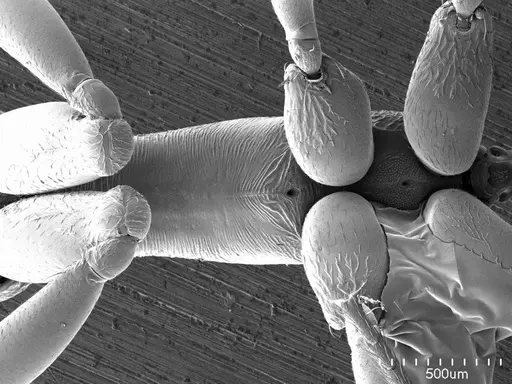
CASENT0217503
View on AntWeb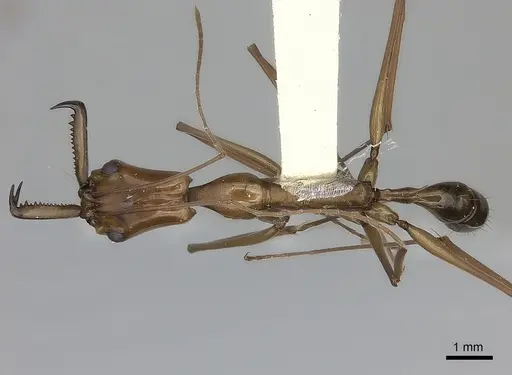
CASENT0246168
View on AntWeb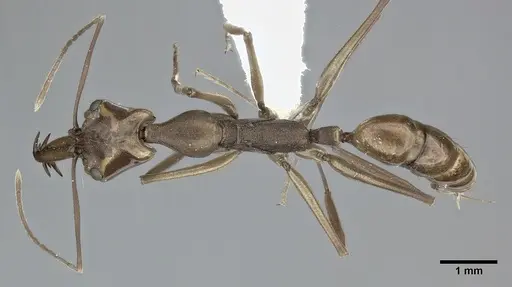
CASENT0260493
View on AntWeb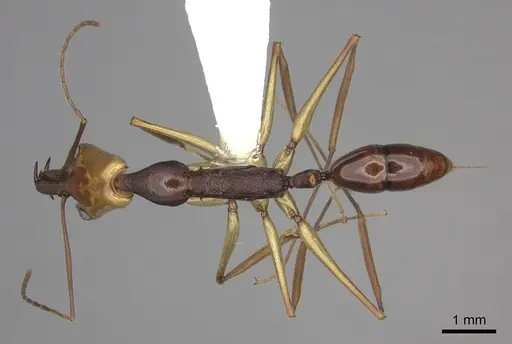
CASENT0902431
View on AntWeb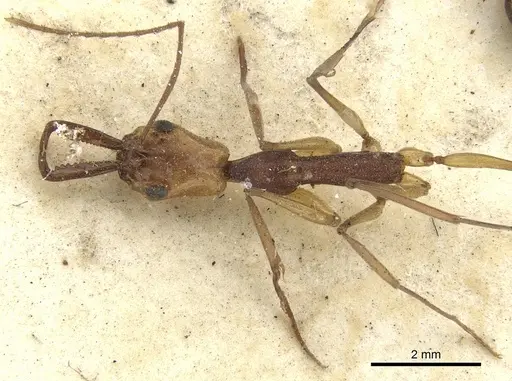
CASENT0903990
View on AntWeb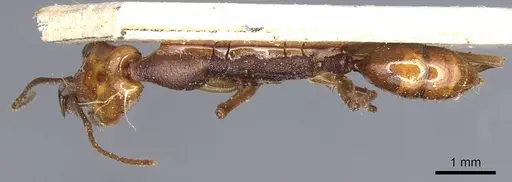
ECOFOG-HC-0045-03
View on AntWeb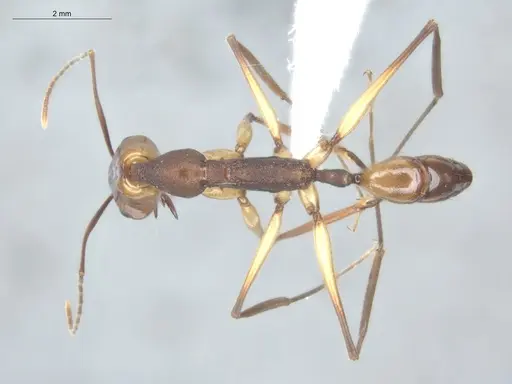
FOCOL1046
View on AntWeb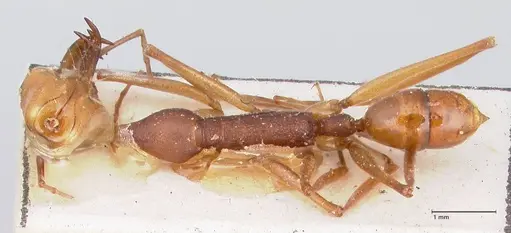
IAVH-E-264099
View on AntWeb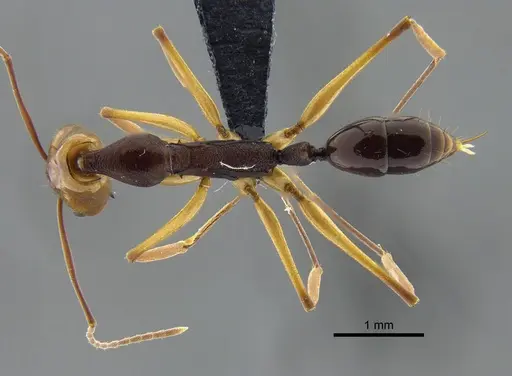
Literature
Loading...Loading products...