

Anochetus rectangularis
- Scientific Name
- Anochetus rectangularis
- Tribe
- Ponerini
- Subfamily
- Ponerinae
- Author
- Mayr, 1876
- Distribution
- Found in 1 countries
Anochetus rectangularis Overview
Anochetus rectangularis is an ant species of the genus Anochetus. It is primarily documented in 1 countries , including Australia. Detailed taxonomic data and occurrence records can be further explored via authoritative databases such as AntWeb or the Global Biodiversity Information Facility (GBIF).
Anochetus rectangularis
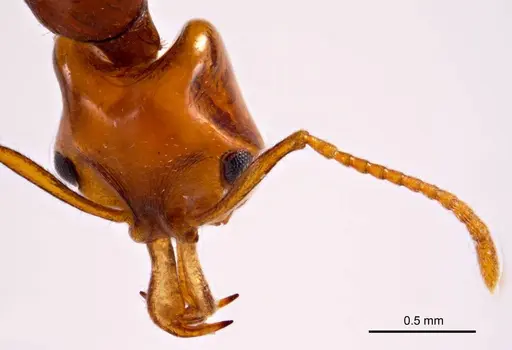
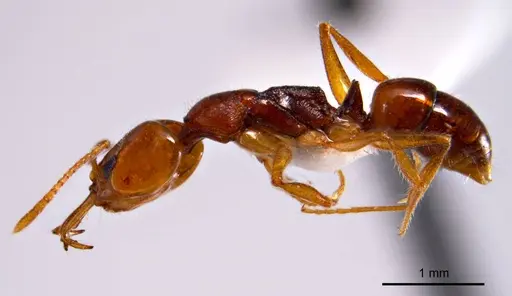
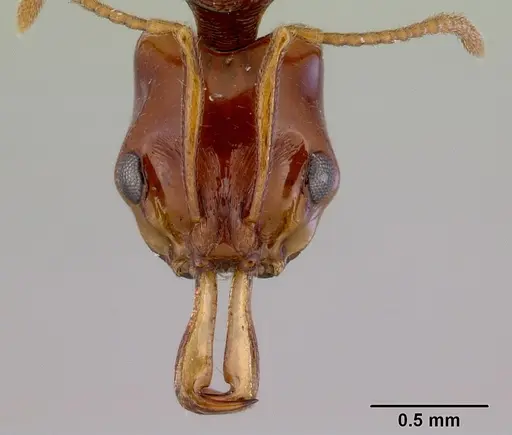
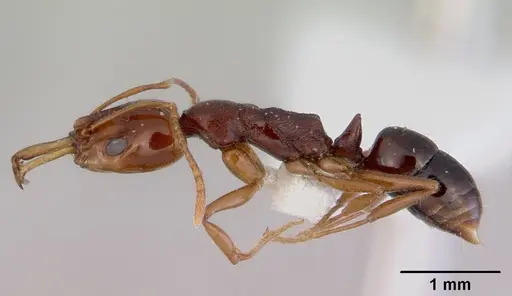
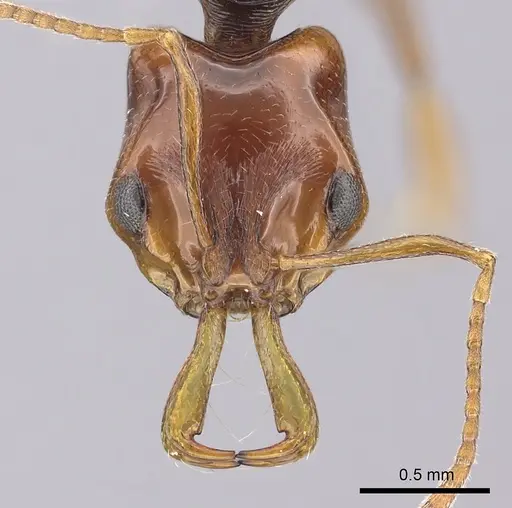
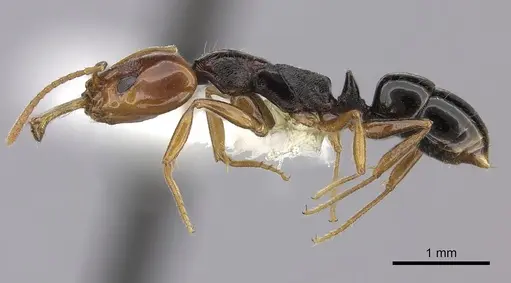
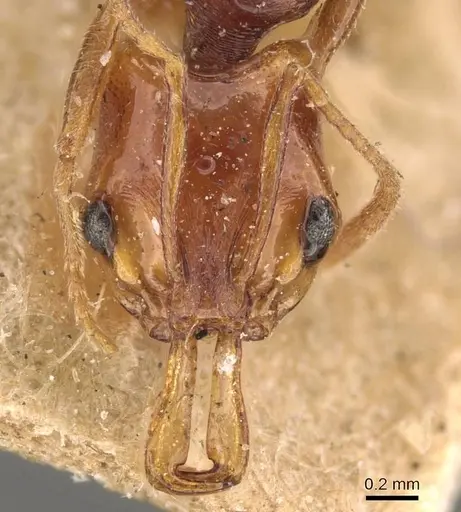
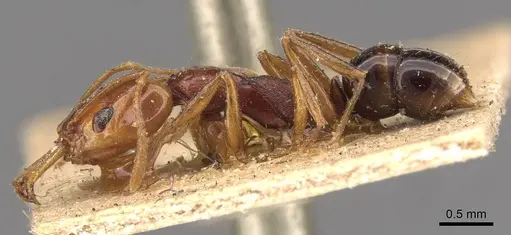
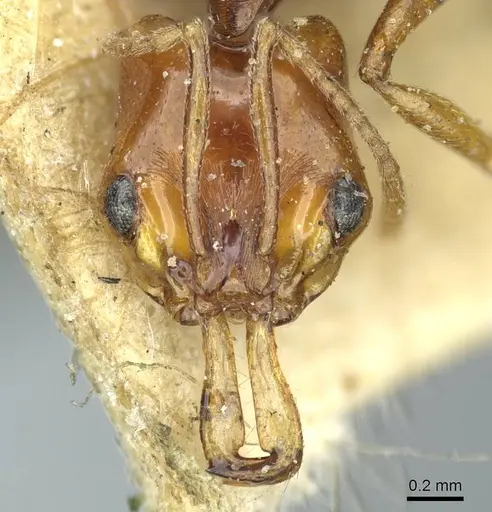
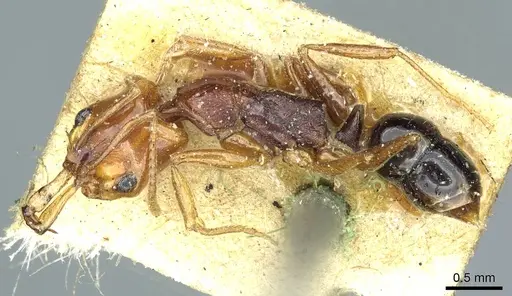
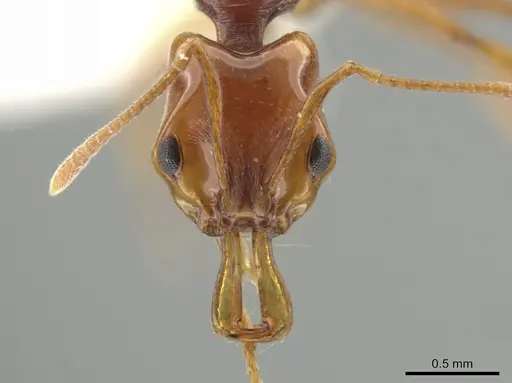
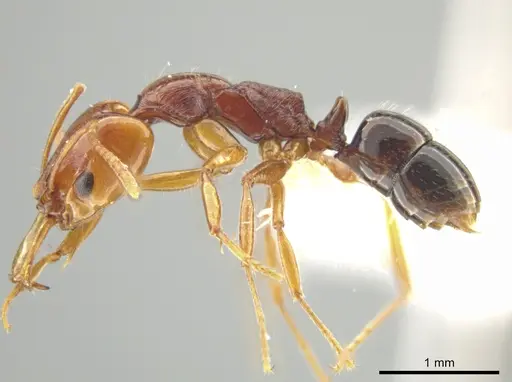
Anochetus rectangularis is a small trap-jaw ant from northern Australia. Workers measure roughly 4-5mm and show yellow-brown to dark brown coloration, with a distinctive petiole that tapers gradually to an inverted V-shaped apex when viewed from the side [1][2]. You will find them in dry sclerophyll and savannah woodlands across north-western Western Australia, the Top End of the Northern Territory, and from Cape York down into south-eastern Queensland [1][3]. These ants are flexible nesters in the wild, living in soil under rocks or logs, but also moving into abandoned termite mounds or empty nests of the meat ant Iridomyrmex purpureus [1].
Quick Summary
- Difficulty: Medium
- Origin & Habitat: Northern Australia (Western Australia, Northern Territory, Queensland) in dry sclerophyll and savannah woodlands [1][3]
- Colony Type: Single-queen colonies likely, but structure unconfirmed
- Size & Growth:
- Queen: Unknown, estimated 6-7mm based on typical Anochetus proportions
- Worker: 4-5mm (head length 1.08-1.18mm, mesosoma 1.30-1.40mm) [1]
- Colony: Unknown, likely under 200 workers based on related trap-jaw ants
- Growth: Moderate to slow
- Development: 8-12 weeks (estimated based on similar Anochetus species) (Timeline is unconfirmed, tropical temperatures may speed development)
- Antkeeping:
- Temperature: 24-28°C (warmth-loving). Start at 25°C and adjust based on activity levels [3]
- Humidity: Moderate humidity. Keep nest substrate slightly moist but not wet, provide a dry outworld [3]
- Diapause: No, this is a tropical species from northern Australia [3]
- Nesting: Naturalistic soil setups with flat stones, or Y-tong nests with narrow chambers. They need secure hiding spots [1]
- Behavior: Solitary hunters with trap-jaw mandibles. They are not aggressive toward keepers but will snap at prey. Their small size means excellent escape prevention is essential [1]
- Common Issues: tiny workers can squeeze through the smallest gaps in lids or mesh., trap-jaw ants often refuse dead prey and need small live insects., colonies may grow slowly, requiring patience and consistent care., wild-caught colonies from termite mounds may carry mites or parasites.
Nest Preferences
In nature, Anochetus rectangularis nests in soil under rocks or logs, and occasionally occupies abandoned termite mounds or empty Iridomyrmex purpureus nests [1]. This suggests they need secure, enclosed spaces with some structural integrity. In captivity, a naturalistic setup with a soil substrate and flat stones works well, or a Y-tong nest with narrow chambers that mimic the tight spaces under bark. The nest should offer darkness and security, as these ants naturally hide under objects. Provide a slight moisture gradient, keep the nesting area moderately moist while allowing the outworld to stay drier, matching their dry woodland habitat [3].
Feeding and Diet
As trap-jaw ants, Anochetus rectangularis are specialized predators. They hunt using their spring-loaded mandibles to strike prey. You should offer small live insects such as fruit flies, springtails, or tiny crickets. Prey should be small enough for workers to handle individually given their 4-5mm size [1]. While they may accept sugar water or honey, protein is essential for colony growth. Feed small amounts frequently rather than large prey items that could rot in the humid nest.
Temperature and Care
Coming from northern Australia's warm regions, these ants need stable warmth. Keep them at 24-28°C with a slight gradient if possible [3]. They do not require hibernation (diapause) as they are tropical [3]. Use a heating cable or mat on one side of the nest to create a warm spot, but ensure it does not dry out the substrate completely. Room temperature (20-22°C) may slow their metabolism and growth significantly.
Behavior and Temperament
Anochetus rectangularis shows typical trap-jaw behavior, workers hunt alone and use their mandibles to snap shut on prey or to jump away from threats. They are not particularly aggressive toward humans and their small size means they cannot deliver a painful sting, though they may try to bite if handled [1]. Because workers are only 4-5mm long, they are excellent escape artists. You must use fine mesh (less than 1mm) and barriers like Fluon or talcum powder to prevent escapes [1].
Colony Founding
Founding behavior for Anochetus rectangularis has not been documented in research. Based on patterns in the genus Anochetus, queens may be semi-claustral (meaning the queen leaves the nest to forage during founding) or fully claustral (sealing herself in). Until confirmed, treat founding as unconfirmed. If you obtain a queen, provide her with a small, secure chamber and offer food regularly in case she needs to forage.
Frequently Asked Questions
Can I keep Anochetus rectangularis in a test tube?
Yes, a test tube setup works for founding, but ensure the cotton plug is secure and the tube is placed in a dark, warm spot. Because their founding behavior is unconfirmed, offer small amounts of food near the tube entrance in case the queen needs to forage.
How long until Anochetus rectangularis gets its first workers?
The egg-to-worker timeline is unconfirmed for this species. Based on related trap-jaw ants, expect roughly 8-12 weeks at 25-28°C, but this could vary significantly.
Can I keep multiple Anochetus rectangularis queens together?
Not recommended. While the exact colony structure is unconfirmed, most Anochetus species are single-queen (monogyne). Combining unrelated queens risks fighting and colony failure.
What do Anochetus rectangularis eat?
They are specialized predators with trap-jaw mandibles. Feed small live prey like fruit flies, springtails, or tiny crickets. They may accept sugar water, but protein is essential.
Do Anochetus rectangularis need hibernation?
No. They come from tropical northern Australia and remain active year-round. Keep them warm consistently [3].
Are Anochetus rectangularis good for beginners?
They are medium difficulty. While hardy, their small size requires excellent escape prevention, and their specialized predatory diet (needing live prey) makes them more challenging than species that accept dead insects.
Why are my Anochetus rectangularis dying?
Common causes include: escapes due to inadequate barriers, starvation from offering only dead prey, overly wet conditions causing fungal issues, or temperature drops below 20°C slowing metabolism too much.
References

This caresheet is licensed under CC BY-SA 4.0 .
ANTWEB1008609
View on AntWeb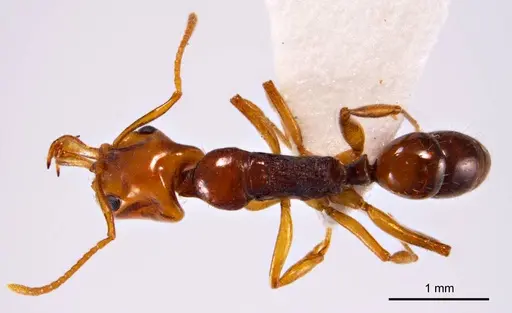
CASENT0172379
View on AntWeb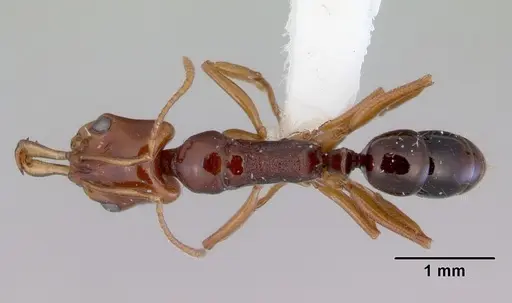
CASENT0260505
View on AntWeb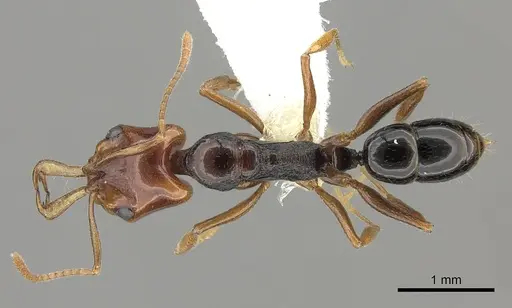
CASENT0907410
View on AntWeb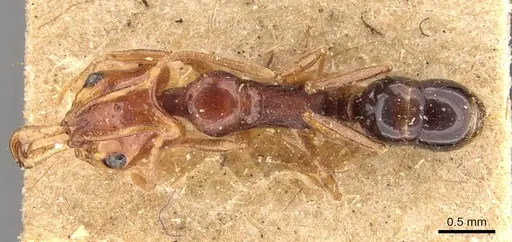
CASENT0915895
View on AntWeb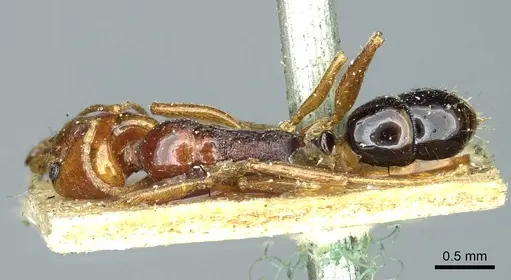
JTLC000008642
View on AntWeb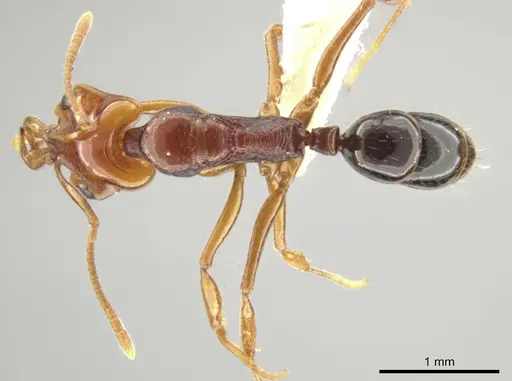
Literature
Loading...Loading products...