

Anochetus princeps
- Scientific Name
- Anochetus princeps
- Tribe
- Ponerini
- Subfamily
- Ponerinae
- Author
- Emery, 1884
- Distribution
- Found in 3 countries
Anochetus princeps Overview
Anochetus princeps is an ant species of the genus Anochetus. It is primarily documented in 3 countries , including Indonesia, Malaysia, Viet Nam. Detailed taxonomic data and occurrence records can be further explored via authoritative databases such as AntWeb or the Global Biodiversity Information Facility (GBIF).
Anochetus princeps
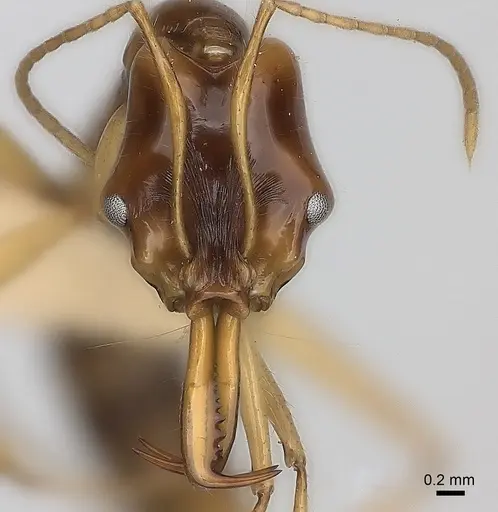
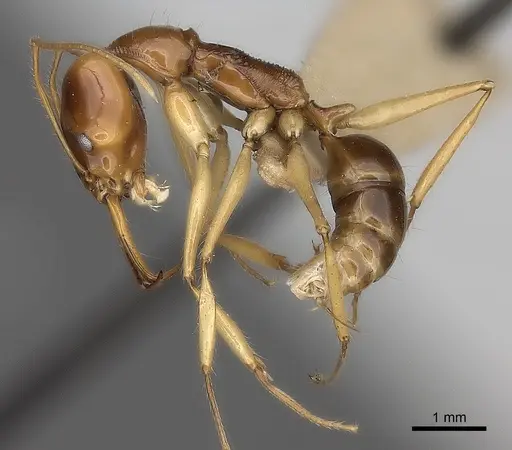
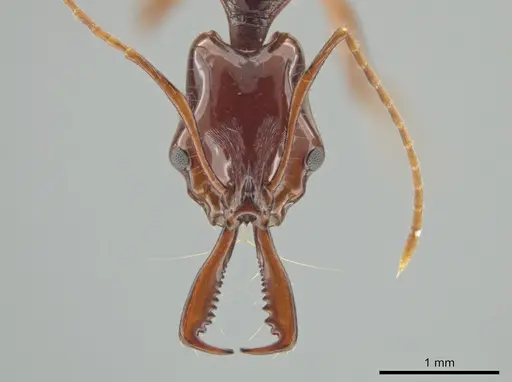
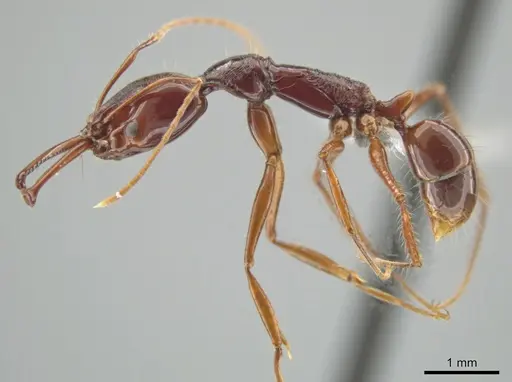
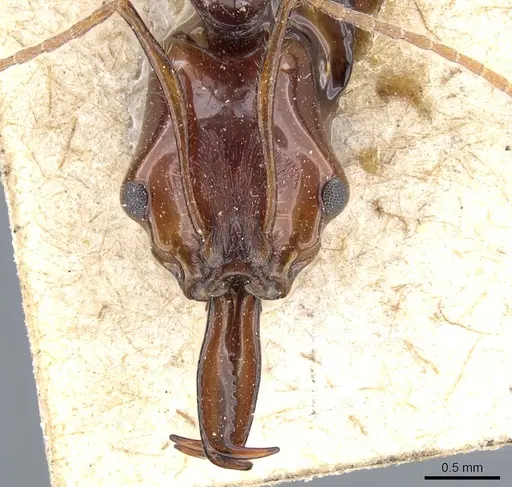
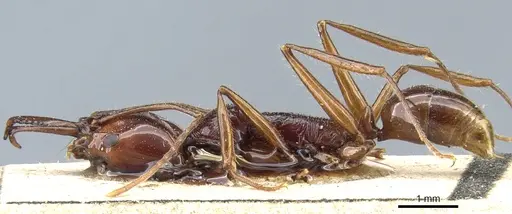
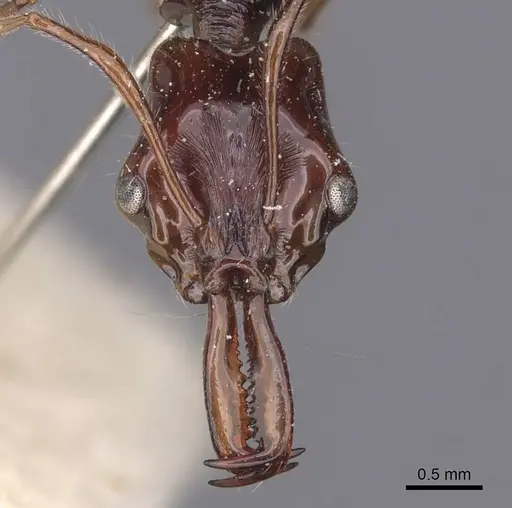
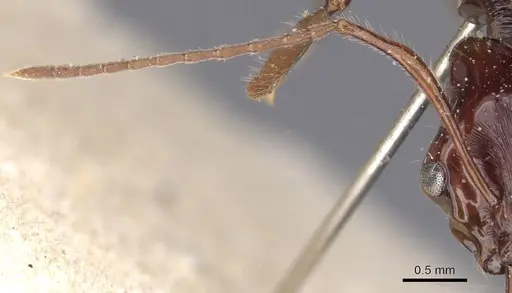
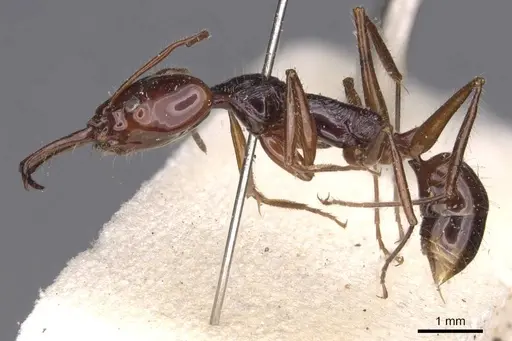
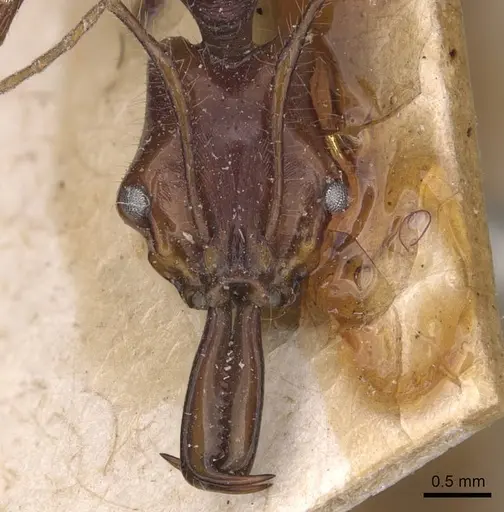
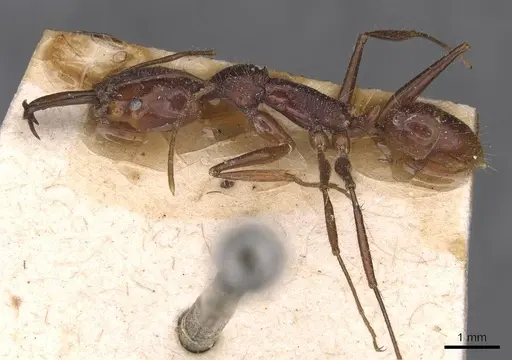
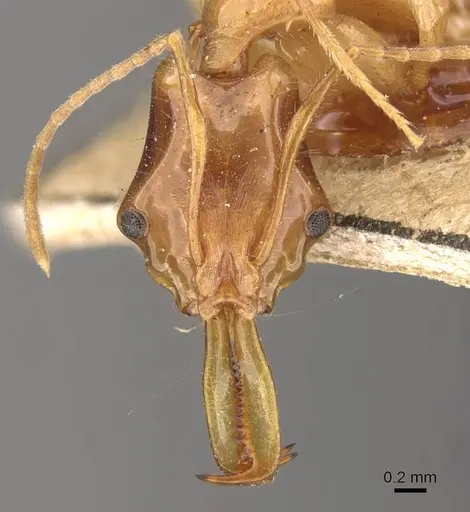
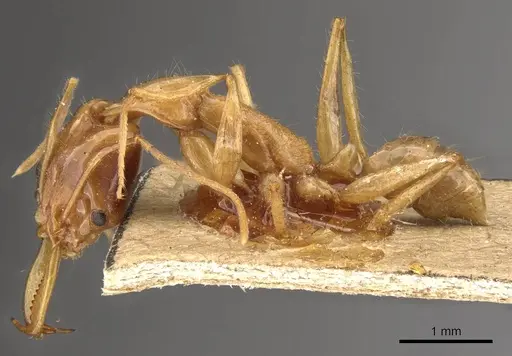
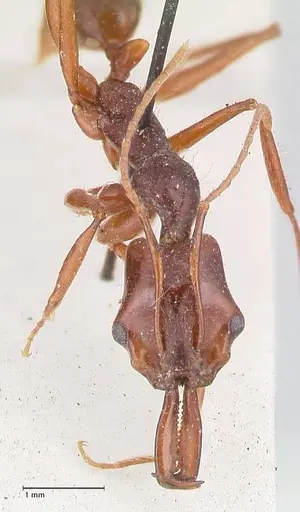
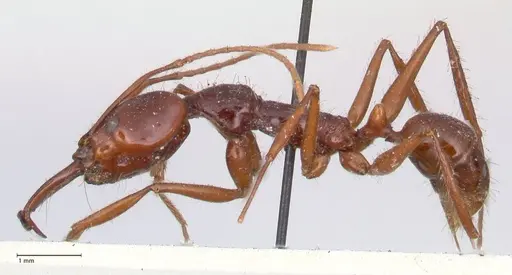
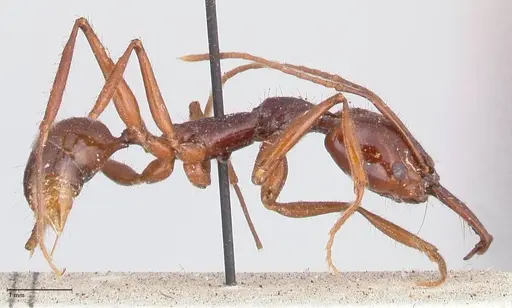
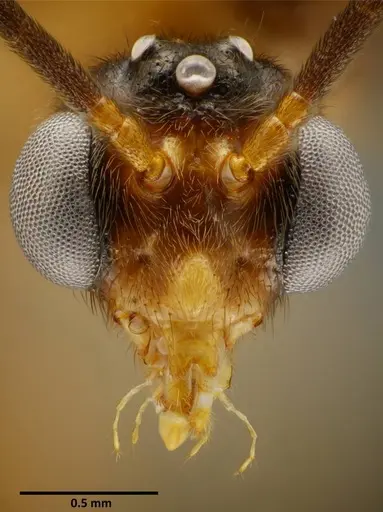
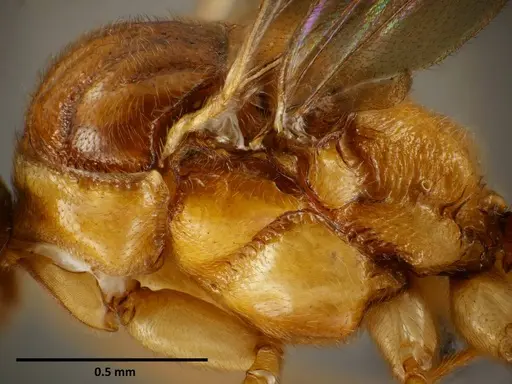
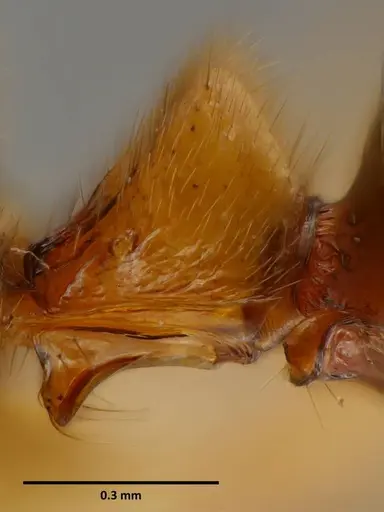
Anochetus princeps is a medium-sized trap-jaw ant from the rainforests of Southeast Asia. Workers measure 7.5-8 mm and display a distinctive rusty-brown, shiny coloration with smooth pronotal discs that distinguish them from their rough-textured relatives [1][2]. They belong to the rugosus species group, sporting unique bread-knife-shaped mandibles armed with a single sharp, toothed inner margin perfect for their lightning-fast predatory strike [3]. These ants inhabit moist lowland dipterocarp forests across Java, Borneo, the Philippines, Thailand, and Vietnam, nesting in rotting wood and clay banks [4][5][6].
Unlike many ground-dwelling trap-jaws, A. princeps shows signs of living high in the forest canopy. Researchers collected them exclusively through canopy fogging, 13 individuals dropped from the trees, while standard ground baiting and pitfall traps caught none [7]. This arboreal tendency suggests they hunt small arthropods among the branches rather than on the forest floor. Their smooth pronotal disc provides a quick visual cue to separate them from similar species like Anochetus mixtus, which has a coarsely textured thorax [2].
Quick Summary
- Difficulty: Expert
- Origin & Habitat: Southeast Asia including Java, Borneo, Philippines, Thailand, Vietnam, and Brunei, moist lowland dipterocarp forests, rotting wood, and clay banks [5][6][4].
- Colony Type: Unconfirmed, likely single-queen based on typical Anochetus patterns
- Size & Growth:
- Queen: Unknown, estimated 9-11 mm based on typical Anochetus patterns
- Worker: 7.5-8 mm [1]
- Colony: Unknown, likely under 100 workers based on typical Anochetus patterns
- Growth: Unknown, likely slow
- Development: Unknown, estimated 8-12 weeks based on tropical Ponerinae patterns (Development timeline is unconfirmed for this species, tropical trap-jaw ants typically develop slowly compared to formicines)
- Antkeeping:
- Temperature: Likely requires tropical temperatures around 24-28°C, specific requirements are unconfirmed but lowland origin suggests warmth [5][4]
- Humidity: High humidity required, substrate should remain consistently moist but not waterlogged to match their moist forest origins [4]
- Diapause: No, tropical species that remains active year-round [4]
- Nesting: Naturalistic setups with rotting wood or porous stone, moist substrate with good ventilation to prevent mold [4]
- Behavior: Predatory trap-jaw hunters with specialized mandibles for striking prey [3], possibly arboreal based on canopy fogging records [7], likely nocturnal.
- Common Issues: Queens are extremely difficult to obtain because they nest in rotting wood and clay banks, and likely in forest canopies, most available specimens are workers from fogging or pitfall traps rather than founding queens [7][5]., Require consistent high humidity to match their moist forest origins, dry conditions quickly kill colonies while soggy nests promote fungal growth [4]., Trap-jaw hunting mechanism requires live prey movement to trigger, colonies may starve if offered only dead insects or sugary foods without appropriate live prey., Slow growth rate means colonies remain small for years, beginners often overfeed or disturb colonies due to lack of visible activity.
Nest Preferences
In nature, Anochetus princeps nests in rotting logs and clay banks within moist forests [4]. They have been collected from lowland dipterocarp forests in Brunei and Vietnam, suggesting a preference for mature tropical forest habitats with consistent moisture [5][6]. The canopy fogging records indicate they may also inhabit tree holes or epiphytes high above the ground [7]. For captive colonies, recreate these conditions with naturalistic setups featuring rotting wood, porous stone, or Y-tong nests that retain moisture while providing ventilation. The substrate should feel damp to the touch but not soggy, with drainage to prevent standing water.
Feeding and Diet
As trap-jaw ants, Anochetus princeps are specialized predators equipped with spring-loaded mandibles shaped like bread knives with single sharp edges [3]. These mandibles strike with incredible speed to stun or kill small prey. Based on typical Anochetus patterns, they likely hunt small live arthropods such as springtails, mites, fruit flies, and tiny insect larvae. The trap-jaw mechanism requires movement to trigger, so colonies generally need live prey and may not accept dead insects or sugary foods reliably. Offer small live prey items appropriate to their 7.5-8 mm worker size [1].
Temperature and Care
Anochetus princeps originates from tropical lowland regions across Southeast Asia, including Java, Borneo, and the Philippines [4][5]. While specific thermal requirements are unconfirmed, their lowland dipterocarp forest habitat suggests they prefer warm, stable temperatures likely between 24-28°C [5]. As a tropical species, they do not require hibernation or diapause and remain active year-round. Provide a gentle heat gradient using a heating cable on one side of the nest, allowing the ants to self-regulate their temperature preferences.
Behavior and Temperament
These ants display the characteristic trap-jaw behavior of their genus, using their specialized mandibles for both predation and defense [3]. Workers are likely solitary hunters rather than mass recruiters, typical of many Ponerinae. The collection of specimens via canopy fogging but not ground pitfall traps suggests they may be arboreal or at least frequently forage in vegetation [7]. Their smooth, shiny pronotal discs provide a distinguishing feature from similar species, making identification easier for keepers [2]. They are not generally aggressive toward humans but can likely deliver a sting typical of the subfamily.
Growth and Development
The colony growth rate and development timeline for Anochetus princeps are unconfirmed. Based on patterns from other tropical Ponerinae trap-jaw ants, expect slow development with egg-to-worker timelines potentially ranging from 8-12 weeks at optimal temperatures. Colonies likely remain small, possibly under 100 workers, for extended periods. This slow growth requires patience from keepers, as colonies may take years to reach mature sizes. Nanitic workers (first generation) may be smaller than the typical 7.5-8 mm size [1] and develop faster than subsequent generations.
Frequently Asked Questions
Can I keep Anochetus princeps in a test tube?
Yes, founding queens can be housed in standard test tubes with water reservoirs, though founding behavior is unconfirmed for this species. Provide a dark, warm environment around 24-28°C. Because they likely require high humidity, ensure the cotton plug remains moist but not moldy.
How long until first workers for Anochetus princeps?
The egg-to-worker timeline is unconfirmed. Based on related tropical trap-jaw ants, expect approximately 8-12 weeks at warm temperatures (25-28°C), though this could vary significantly.
What do Anochetus princeps eat?
They require live prey such as springtails, fruit flies, or small crickets. Their trap-jaw mandibles are specialized for hunting live small arthropods and may not trigger on dead insects. Sugary foods like honey water may be ignored.
Do Anochetus princeps need hibernation?
No. As a tropical species from Southeast Asia, they remain active year-round and do not require diapause or hibernation. Keep them at stable warm temperatures throughout the year.
How big do Anochetus princeps colonies get?
Maximum colony size is unknown. Based on typical Anochetus patterns, they likely remain small, possibly under 100 workers, though this is unconfirmed for this specific species.
Are Anochetus princeps good for beginners?
No. They are recommended for expert keepers only due to their likely need for live prey, high humidity requirements, slow growth, and difficulty obtaining founding queens.
Can I keep multiple Anochetus princeps queens together?
Not recommended. Colony structure is unconfirmed, but combining multiple unrelated queens has not been documented and likely leads to fighting. Most Anochetus species are monogyne (single-queen).
References

This caresheet is licensed under CC BY-SA 4.0 .
CASENT0217511
View on AntWeb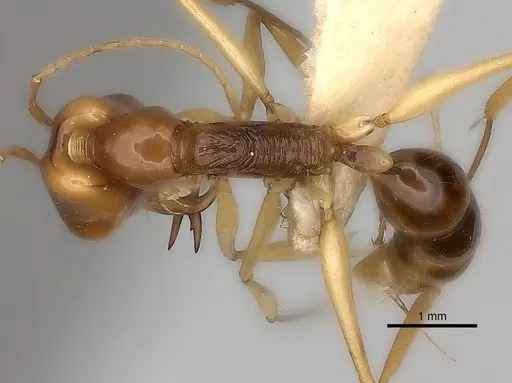
CASENT0634783
View on AntWeb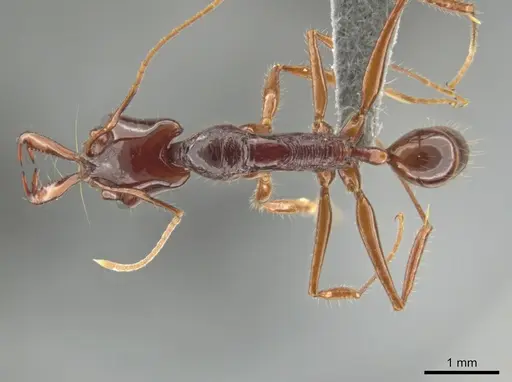
CASENT0903980
View on AntWeb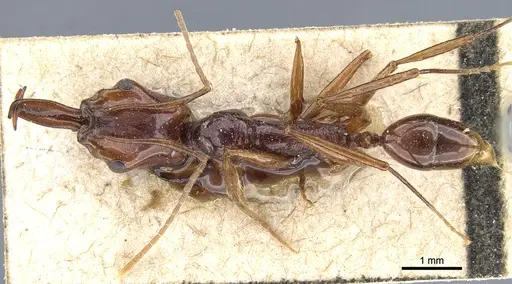
CASENT0907402
View on AntWeb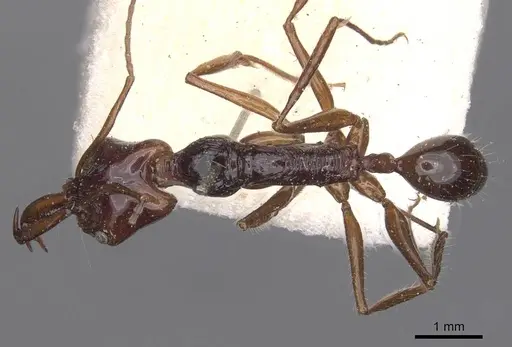
CASENT0907403
View on AntWeb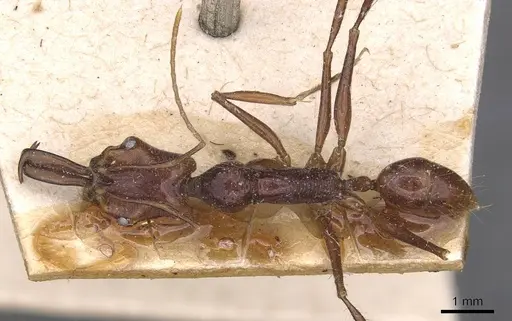
CASENT0907408
View on AntWeb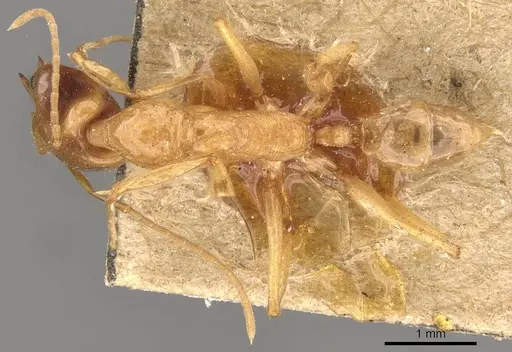
FOCOL1042
View on AntWeb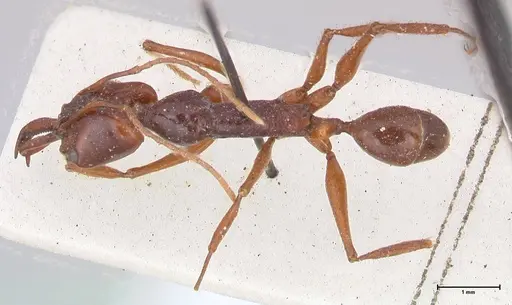
SEMUT20160525I
View on AntWeb
SEMUT20160711A
View on AntWeb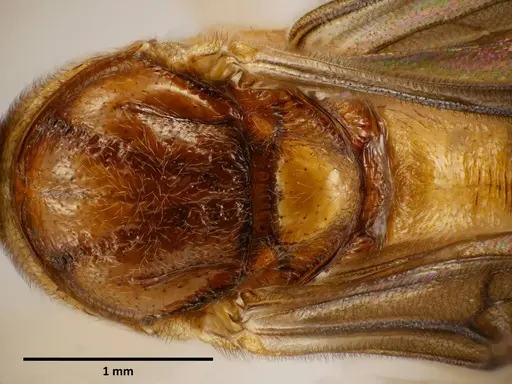
Literature
Loading...Loading products...