

Anochetus mixtus
- Scientific Name
- Anochetus mixtus
- Tribe
- Ponerini
- Subfamily
- Ponerinae
- Author
- Radchenko, 1993
- Distribution
- Found in 2 countries
Anochetus mixtus Overview
Anochetus mixtus is an ant species of the genus Anochetus. It is primarily documented in 2 countries , including China, Viet Nam. Detailed taxonomic data and occurrence records can be further explored via authoritative databases such as AntWeb or the Global Biodiversity Information Facility (GBIF).
Anochetus mixtus
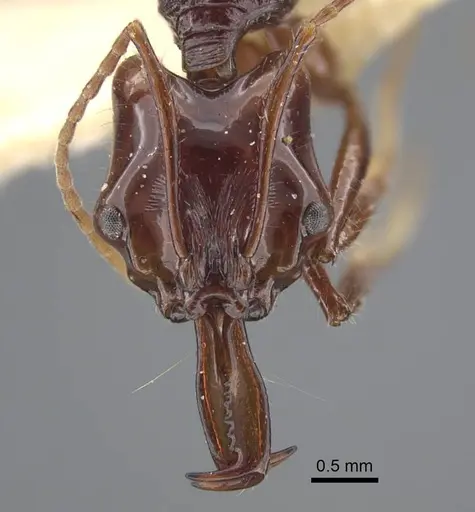
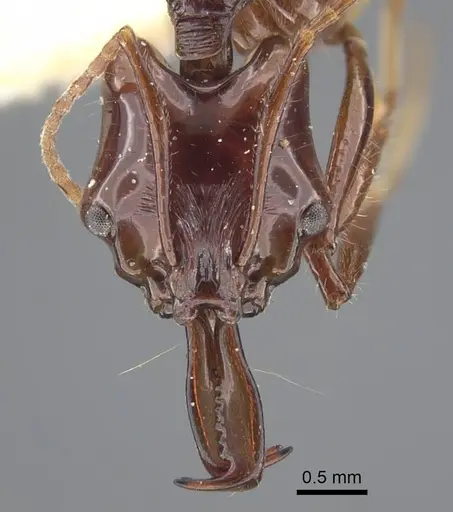
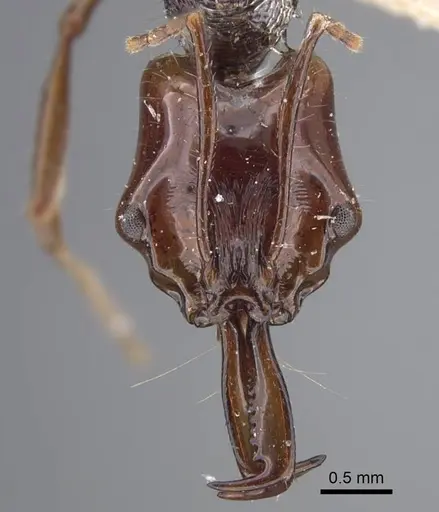
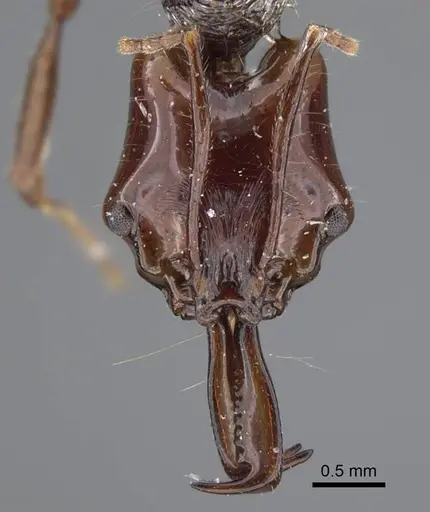
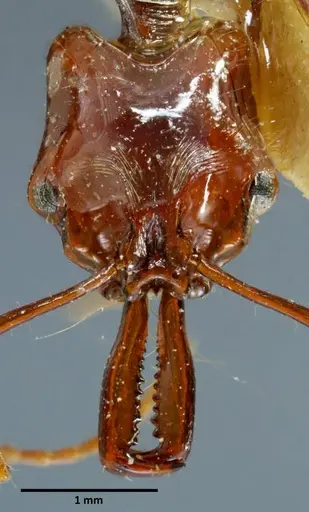
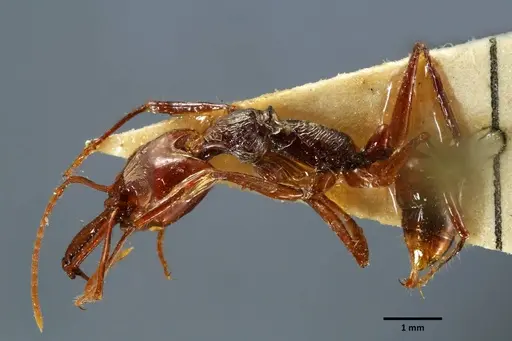
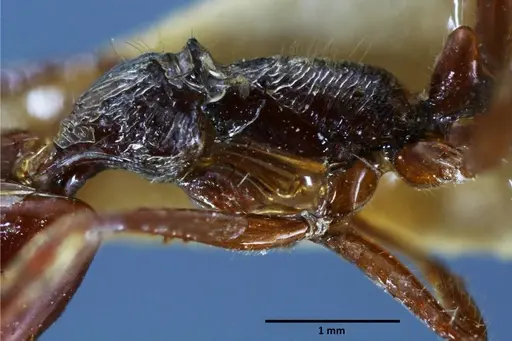
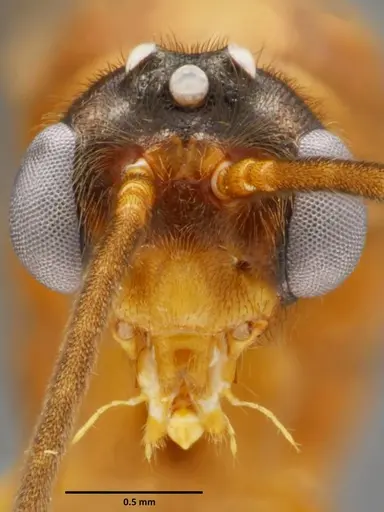
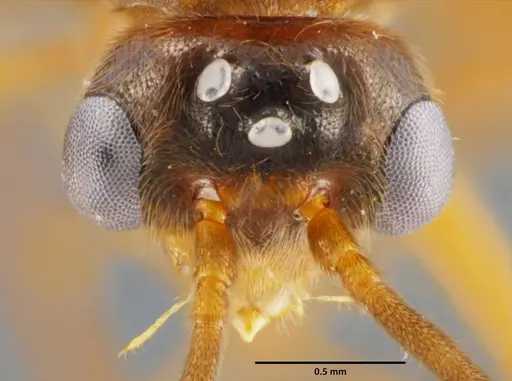
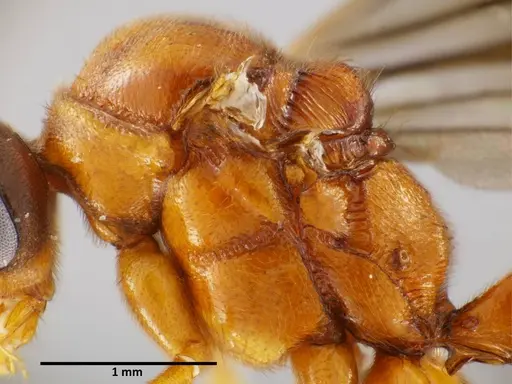
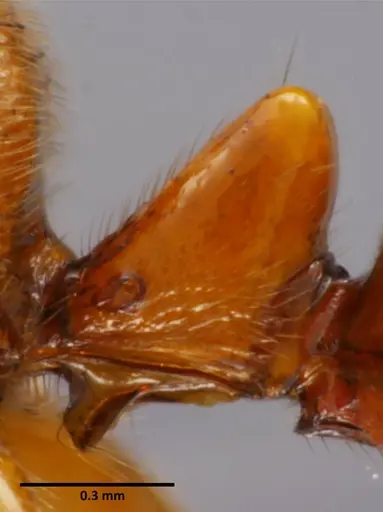
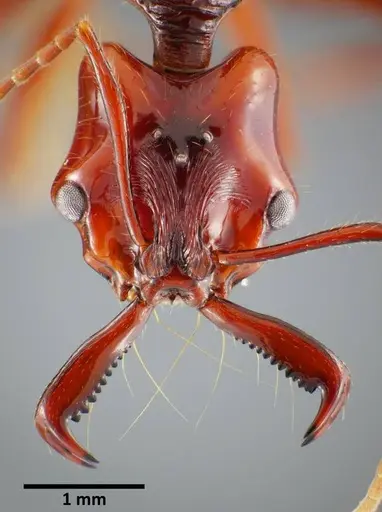
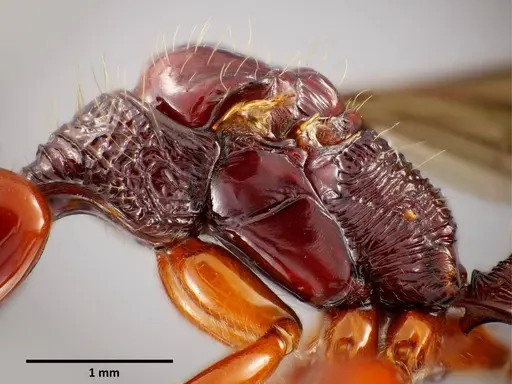
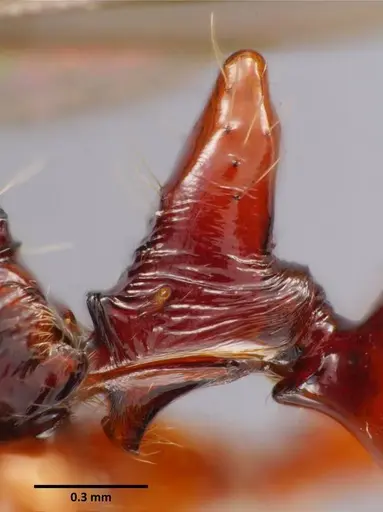
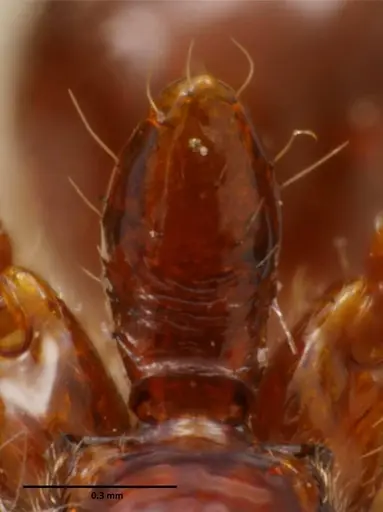
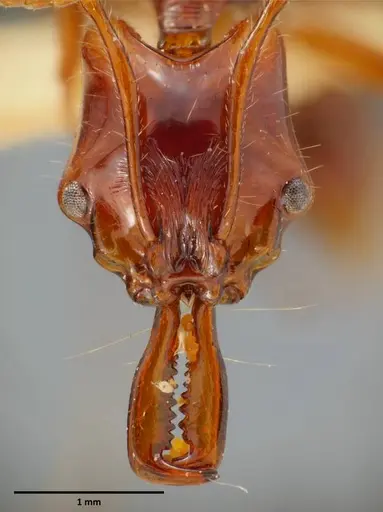
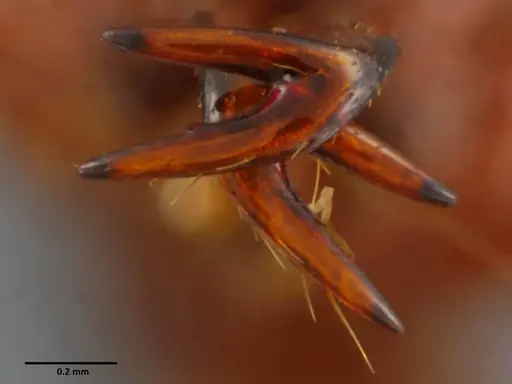
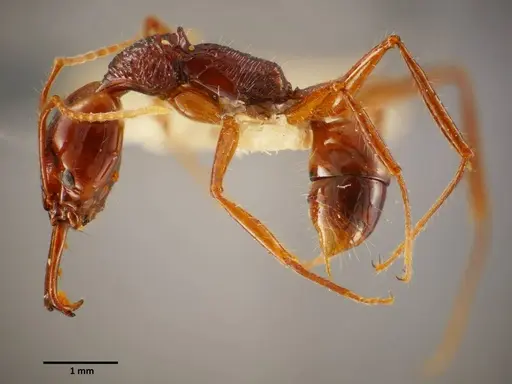
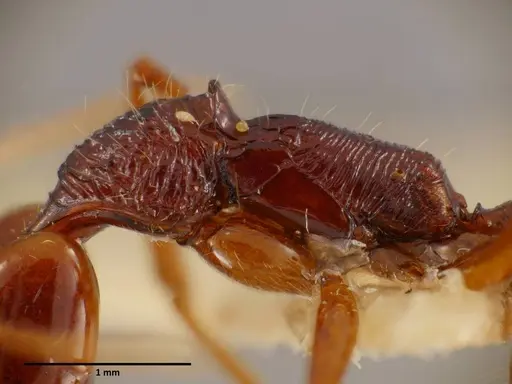
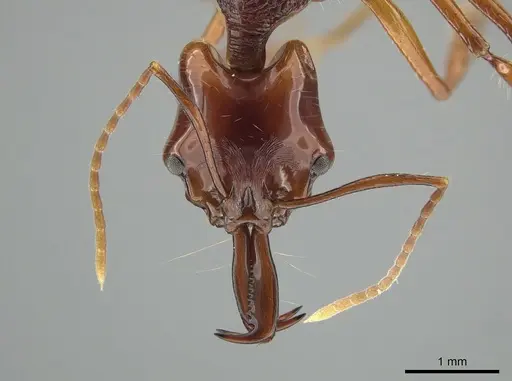
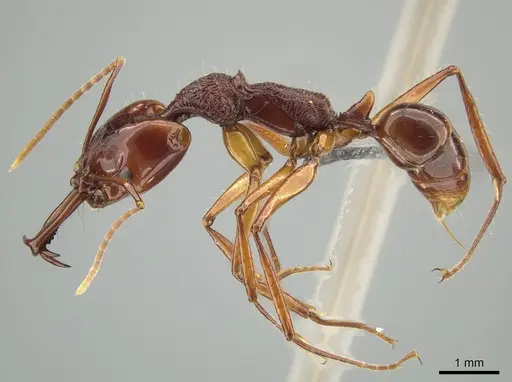
Anochetus mixtus is a relatively large trap-jaw ant from the forests of Vietnam and southern China. Workers measure around 8 to 9 millimeters and display a striking reddish-brown coloration, with the middle section of their body slightly darker than the head and abdomen [1][2]. They belong to the rugosus species group, characterized by their long, toothed mandibles and sculptured bodies, the head is mostly smooth and shiny while the pronotum has a coarse, wrinkled texture [1]. In nature, these ants are habitat specialists found in primary and secondary forests from lowlands up to highland areas, where they nest exclusively in rotting wood or under the bark of decaying logs [1][3].
Like other members of their genus, Anochetus mixtus possesses the famous trap-jaw mechanism, their long mandibles can snap shut with incredible speed to capture prey. They are considered a primary forest specialist, meaning they are rarely found in disturbed habitats like rubber plantations, which makes them particularly sensitive to environmental changes in the wild [3]. For keepers, this specialization means you will need to replicate their humid, wooded habitat carefully in captivity.
Quick Summary
- Difficulty: Medium
- Origin & Habitat: Vietnam and southern China (Yunnan, Guangxi, Hainan), inhabiting primary and secondary forests from lowlands to highlands [1][2][3]
- Colony Type: Unknown, single-queen colonies are typical for the genus but unconfirmed for this species
- Size & Growth:
- Queen: Approximately 9-10 mm (based on measurements and genus patterns) [1]
- Worker: 8.0-9.0 mm [1][2]
- Colony: Unknown, likely moderate (under 200 workers) based on related Anochetus species
- Growth: Moderate, inferred from tropical forest habitat
- Development: 10-14 weeks (estimated based on genus patterns, no direct studies available) (Development likely faster at warmer temperatures around 26-28°C)
- Antkeeping:
- Temperature: 24-28°C (inferred from tropical forest habitat), provide a gradient with a warm spot around 27-28°C
- Humidity: High humidity required, keep nest material damp but not waterlogged, similar to rotting wood conditions [1]
- Diapause: Likely not required, tropical/subtropical species, but highland populations may slow down in cooler months [1]
- Nesting: Naturalistic setups with rotting wood, or Y-tong nests with humid chambers, avoid dry setups [1]
- Behavior: Predatory trap-jaw hunters, likely solitary foragers that ambush or stalk prey. Their large eyes suggest good vision for hunting. They are not typically aggressive toward humans but can bite and likely possess a sting typical of the subfamily [4].
- Common Issues: humidity drops can stress the colony, monitor substrate moisture daily in dry climates., escape prevention is essential, their size and climbing ability mean tight-fitting lids are mandatory., prey size must be appropriate, trap-jaw mechanics work best on prey that triggers the sensory hairs on mandibles., limited captive data means you are pioneering care methods, document what works., wild-caught colonies from primary forest may carry mites or parasites.
Nest Preferences
In nature, Anochetus mixtus nests in rotting wood or beneath the bark of decaying logs in primary and secondary forests [1]. This means you should provide a humid, wood-based nest in captivity. Y-tong (aerated concrete) nests work well because they hold moisture while providing the textured surfaces these ants prefer. You can also use naturalistic setups with pieces of rotting wood or cork bark buried in a soil mix. Avoid dry acrylic nests that lack humidity retention. The nest material should feel damp to the touch but not have standing water.
Feeding and Diet
As members of the trap-jaw ant genus Anochetus, they are specialized predators [4]. Their long mandibles contain trigger hairs that, when touched by prey, cause the jaws to snap shut with incredible speed. Feed them small live insects such as fruit flies, springtails, or pinhead crickets. You can also try small mealworms cut into pieces. While they may accept sugar water or honey, protein is essential for their development. Offer food every 2-3 days, removing any uneaten prey before it molds.
Temperature and Humidity
Anochetus mixtus comes from tropical and subtropical forests in Vietnam and southern China, ranging from lowlands to highlands [1]. Keep your colony warm, around 24-28°C, with a slight gradient so they can choose their preferred spot. Because they nest in rotting wood, they require high humidity. Keep the nest material consistently damp, think forest floor after rain, not swamp. You may not need to hibernate these ants, though highland populations might slow down if temperatures drop below 20°C.
Behavior and Hunting
These ants possess the famous trap-jaw mechanism, their mandibles can open 180 degrees and snap shut in milliseconds when prey touches the sensitive trigger hairs. They are visual hunters with large eyes, likely stalking or ambushing prey rather than relying on chemical trails alone. Workers are solitary foragers in the wild. In captivity, they may show some activity during the day due to their visual hunting style. They are not particularly aggressive toward humans but will defend themselves if handled. [4]
Colony Founding
Founding behavior is unconfirmed for this species. While many Anochetus queens are semi-claustral and must forage during founding, this has not been documented for Anochetus mixtus. To be safe, provide any founding queen with access to food and monitor whether she hunts. Set her up in a small naturalistic container with rotting wood and offer tiny prey items.
Growth and Development
Development timelines and maximum colony size are unknown for Anochetus mixtus. Based on related species in the genus, colonies likely remain small to moderate, possibly under 200 workers, and development from egg to worker may take 10-14 weeks at 26-28°C. These are estimates only, you should document your own colony's growth to help future keepers.
Frequently Asked Questions
Can I keep Anochetus mixtus in a test tube?
You can start a founding queen in a test tube, but it is not ideal long-term. These ants naturally nest in rotting wood and need textured, humid environments [1]. Move them to a Y-tong or naturalistic nest once you have a few workers.
How long until Anochetus mixtus colonies get their first workers?
The timeline is unconfirmed. Based on related Anochetus species, expect roughly 10 to 14 weeks from egg to worker at 26-28°C.
How big do Anochetus mixtus colonies get?
Maximum colony size is unknown. They likely remain small to moderate, possibly under 200 workers, based on patterns seen in other Anochetus species.
What do Anochetus mixtus eat?
They are predatory trap-jaw ants. Feed them small live insects like fruit flies, springtails, or pinhead crickets. They may also accept sugar water, but protein is essential [4].
Do Anochetus mixtus need hibernation?
Probably not. They come from tropical and subtropical forests in Vietnam and China and likely do not require true hibernation. Keep them above 20°C year-round [1].
Are Anochetus mixtus good for beginners?
No. While their large size makes them easy to observe, there is very little captive breeding data available. They require specific humidity conditions and are better suited to keepers with some experience.
Can I keep multiple Anochetus mixtus queens together?
Not recommended. Combining multiple queens has not been documented for this species, and most Anochetus are single-queen species. Attempting to combine queens will likely result in fighting.
Why are my Anochetus mixtus dying?
Check humidity first, these are primary forest ants that need damp conditions [1]. Also ensure they are getting enough protein and that the temperature is not too low.
What is the best nest type for Anochetus mixtus?
Y-tong (aerated concrete) nests or naturalistic setups with rotting wood pieces work best. They need humid microhabitats with textured surfaces [1].
References

This caresheet is licensed under CC BY-SA 4.0 .
CASENT0917205
View on AntWeb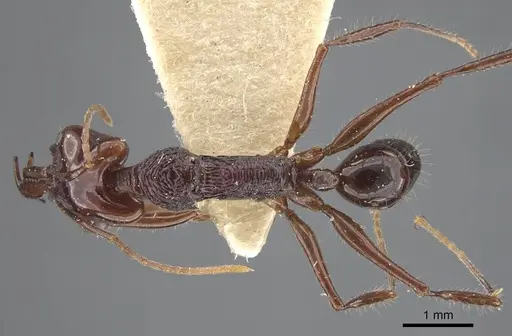
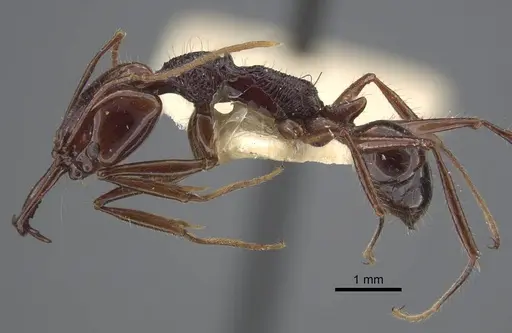
CASENT0917356
View on AntWeb
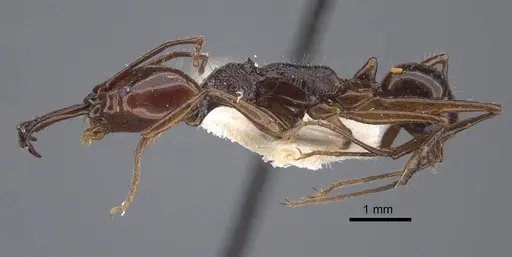
SEMUT20160428B
View on AntWeb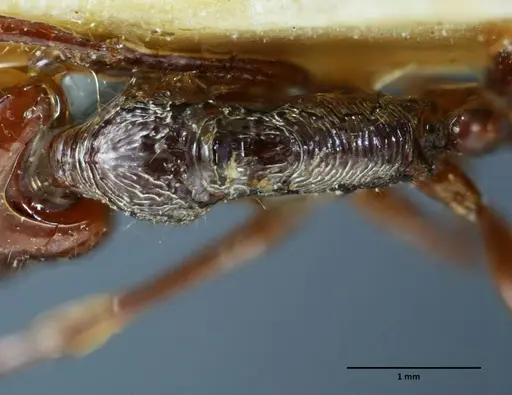
SEMUT20160520A
View on AntWeb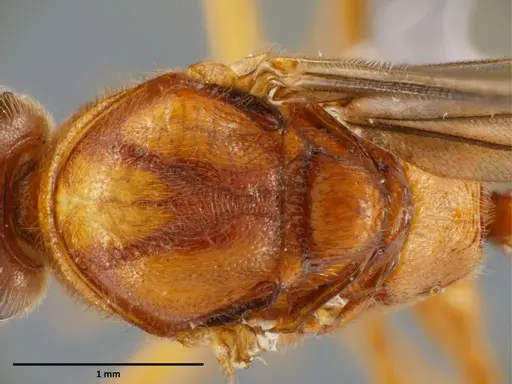
SEMUT20160520B
View on AntWeb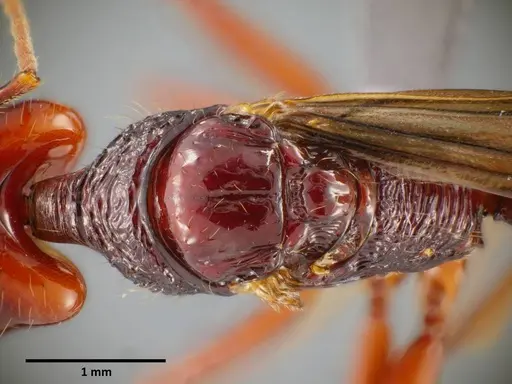
SEMUT20160525H
View on AntWeb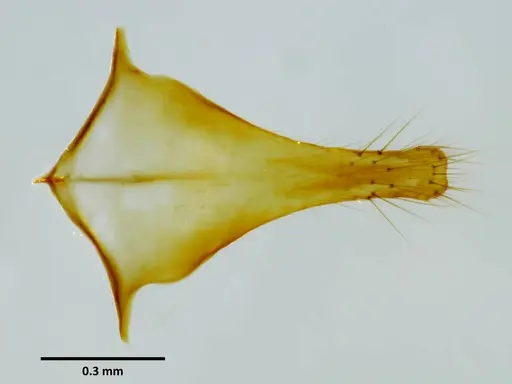
SEMUT20160608A
View on AntWeb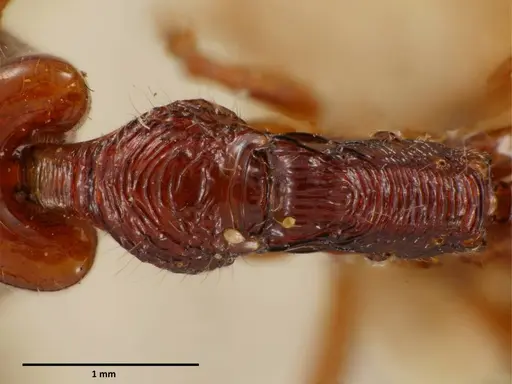
ZRC
View on AntWeb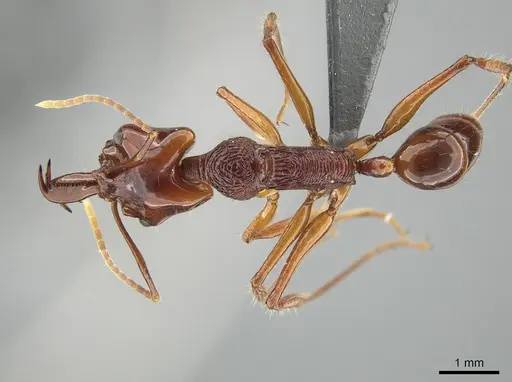
Literature
Loading...Loading products...