

Anochetus paripungens
- Scientific Name
- Anochetus paripungens
- Tribe
- Ponerini
- Subfamily
- Ponerinae
- Author
- Brown, 1978
- Distribution
- Found in 1 countries
Anochetus paripungens Overview
Anochetus paripungens is an ant species of the genus Anochetus. It is primarily documented in 1 countries , including Australia. Detailed taxonomic data and occurrence records can be further explored via authoritative databases such as AntWeb or the Global Biodiversity Information Facility (GBIF).
Anochetus paripungens
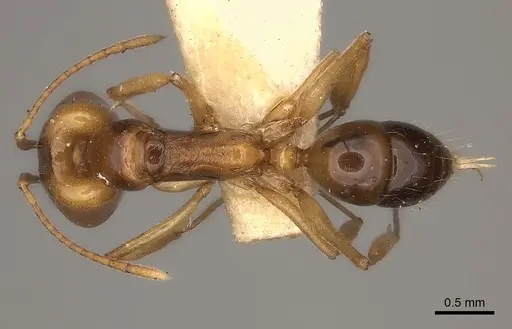
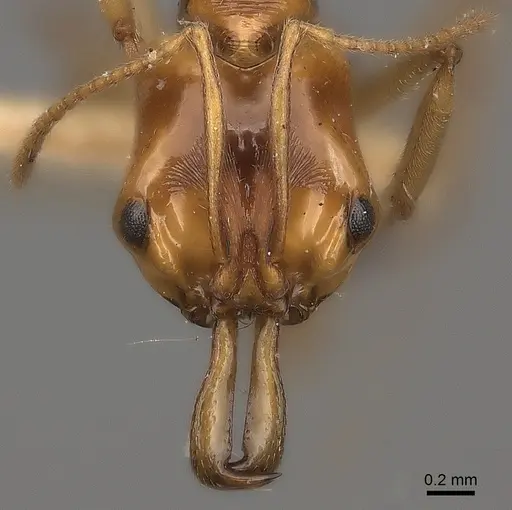
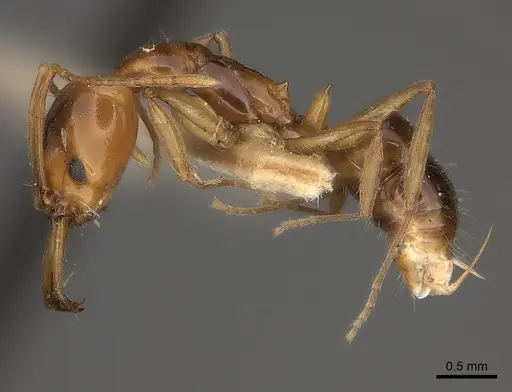
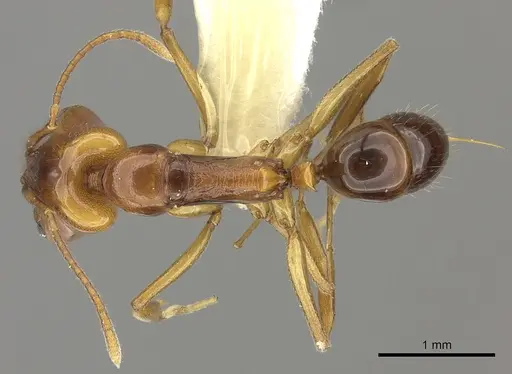
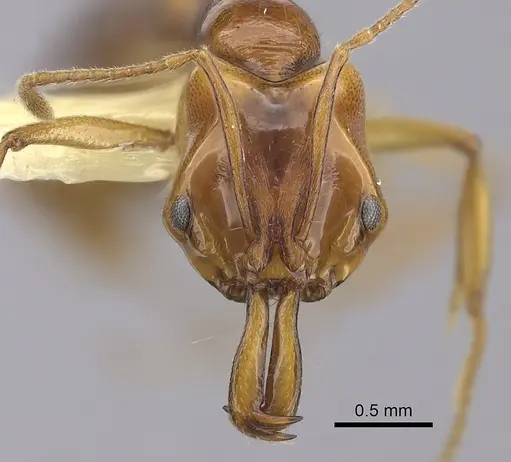
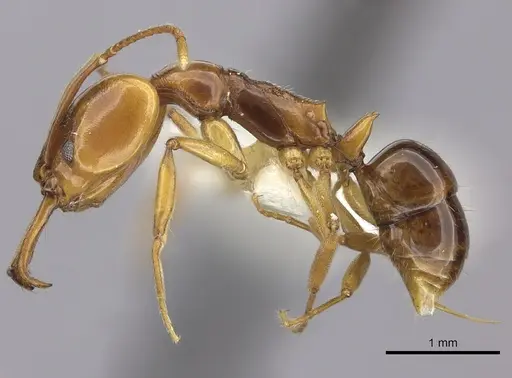
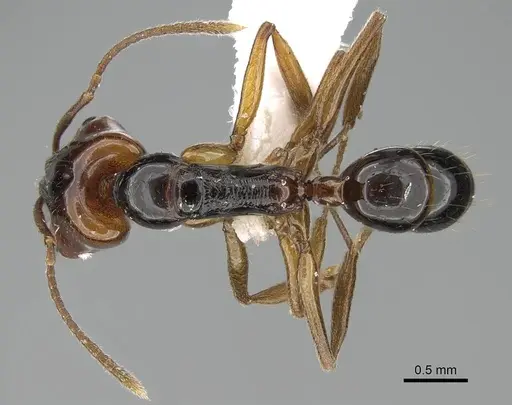
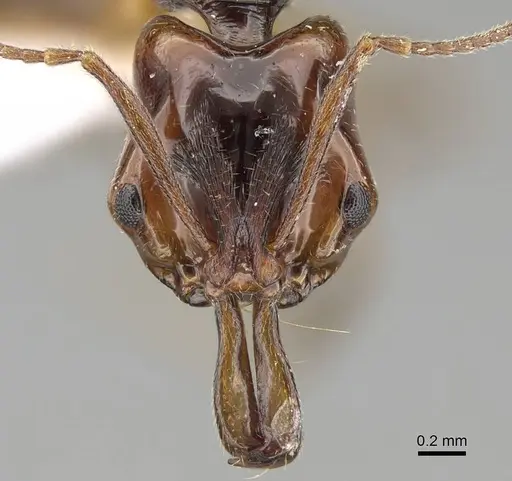
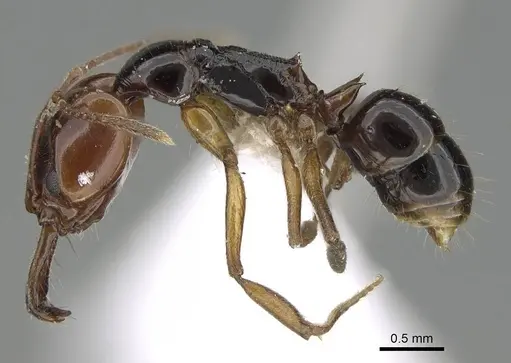
Anochetus paripungens is a small trap-jaw ant found only in the Top End of Australia's Northern Territory [1]. Workers measure about 5mm long and have a brown body with yellow legs and antennae [1]. They get their name from the distinctive spines on their propodeum, the rear section of their middle body, which point slightly backward [1]. These ants are built for speed. Their mandibles snap shut with incredible force, reaching rotational accelerations similar to the famous Odontomachus trap-jaws [2]. In the wild, they hunt in the leaf litter of rainforests, nesting in rotten wood, under stones, or inside termite mounds [1].
Quick Summary
- Difficulty: Expert
- Origin & Habitat: Top End of the Northern Territory, Australia, primarily rainforest sites with occasional records from savannah woodlands [1].
- Colony Type: Unknown, queens and males remain undescribed by science [2].
- Size & Growth:
- Queen: Unknown, queen caste undescribed [2].
- Worker: 5.0-5.2 mm total length [1].
- Colony: Likely under 100 workers based on typical Anochetus patterns, but unconfirmed.
- Growth: Unknown, likely slow based on specialized predatory lifestyle.
- Development: Estimated 10-14 weeks based on related Anochetus patterns, but unconfirmed for this species. (Development time is inferred from genus patterns. Actual timing may vary significantly with temperature.)
- Antkeeping:
- Temperature: Warm tropical conditions, start around 25-28°C and adjust based on activity levels (inferred from rainforest habitat).
- Humidity: Moderate to high, keep nest substrate damp but not waterlogged, similar to their rainforest leaf litter habitat [1].
- Diapause: Unknown, likely not required as they come from tropical northern Australia [1].
- Nesting: Soil under objects, rotten wood, or termite nests in nature [1]. In captivity, use Y-tong (aerated concrete) with narrow chambers or naturalistic setups with rotten wood and leaf litter.
- Behavior: Specialized trap-jaw predators that hunt in leaf litter. They use their extremely fast mandible strikes to capture small prey. At only 5mm long, they require excellent escape prevention with fine mesh barriers.
- Common Issues: queens are undescribed by science, making captive founding impossible and wild collection the only current option., trap-jaw mechanism requires live prey to function properly, dead insects may not trigger hunting behavior., tiny size means standard escape prevention may fail, they need fine mesh and tight-fitting lids., rainforest humidity requirements can lead to mold if ventilation is inadequate.
Natural History and Distribution
Anochetus paripungens lives in the Top End of the Northern Territory, specifically around Darwin and the Howard Springs area [1]. They prefer rainforest habitats but occasionally appear in savannah woodlands [1]. Most specimens are found wandering in the leaf litter rather than at nest entrances [1]. Their nests are typically in soil under objects like rocks or logs, inside rotten wood, or even within termite nests [1]. The original type series was discovered in a rotten log that they shared with another ant species, Anochetus graeffei [1].
Trap-Jaw Hunting Biology
Anochetus paripungens belongs to the trap-jaw ant group. Their mandibles can snap shut at astonishing speeds, studies show they achieve mean maximum rotational velocities around 37,000 radians per second and accelerations around 850 million radians per second squared [2]. This makes them among the fastest-moving animals on Earth. In captivity, this means they require live prey to trigger their hunting response. They typically hunt small springtails, mites, and other tiny soil arthropods in the leaf litter.
Nesting Requirements
In nature, they use pre-existing cavities rather than digging extensive tunnels themselves. They occupy rotten logs, spaces under bark, soil chambers under stones, and termite nests [1]. For captive keeping, provide small, tight-fitting chambers that mimic these natural spaces. Y-tong (aerated concrete) nests with narrow chambers, or naturalistic setups with rotten wood and leaf litter work best. They do not need large open spaces.
Feeding and Diet
As specialized predators with trap-jaw mandibles, they require live prey. Offer small live insects appropriate to their size, springtails, fruit flies, or very small crickets. The prey must be small enough for their 5mm bodies to handle. They may also accept sugar water or honeydew, but protein from live prey is essential for colony growth.
Temperature and Humidity
Coming from tropical northern Australia, they need warm, stable temperatures. Start with 25-28°C and observe activity levels. They likely need moderate to high humidity given their rainforest habitat [1], but their nests in soil and wood suggest they avoid waterlogged conditions. Keep the nest substrate slightly damp but not wet, with good ventilation to prevent mold.
Captive Challenges
This species is currently impossible to start from a single queen because science has not yet described the queen caste [2]. All captive colonies would need to be collected as mature colonies from the wild, which is generally discouraged for rare species. Additionally, their specialized trap-jaw predation makes them difficult to feed compared to generalist ants.
Frequently Asked Questions
Can I keep Anochetus paripungens in a test tube?
Unknown. Since queens have never been described, founding behavior is unconfirmed. Wild colonies would need larger setups with soil or wood to accommodate their natural nesting habits.
How long until Anochetus paripungens get their first workers?
Unknown. Development time has not been documented for this species. Based on related Anochetus patterns, estimate 10-14 weeks at warm temperatures, but this is speculative.
What do Anochetus paripungens eat?
They are specialized predators that hunt live prey using their trap-jaw mandibles. Feed small live insects like springtails or fruit flies.
Are Anochetus paripungens good for beginners?
No. They are expert-level due to undescribed queens, specialized dietary needs requiring live prey, and rarity in captivity.
Do Anochetus paripungens need hibernation?
Probably not. They come from tropical northern Australia where temperatures remain warm year-round.
How big do Anochetus paripungens colonies get?
Unknown. Based on related Anochetus species, they likely remain small, possibly under 100 workers.
Can I keep multiple Anochetus paripungens queens together?
Unknown. Since queens are undescribed, colony structure remains unconfirmed. Combining unrelated queens is not recommended without evidence of polygyny.
References

This caresheet is licensed under CC BY-SA 4.0 .
Literature
Loading...Loading products...