

Anochetus graeffei
- Scientific Name
- Anochetus graeffei
- Tribe
- Ponerini
- Subfamily
- Ponerinae
- Author
- Mayr, 1870
- Distribution
- Found in 16 countries
Anochetus graeffei Overview
Anochetus graeffei is an ant species of the genus Anochetus. It is primarily documented in 16 countries , including Australia, Cook Islands, China. Detailed taxonomic data and occurrence records can be further explored via authoritative databases such as AntWeb or the Global Biodiversity Information Facility (GBIF).
Anochetus graeffei
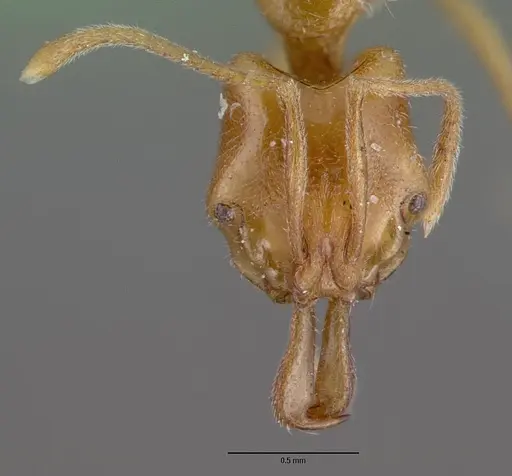
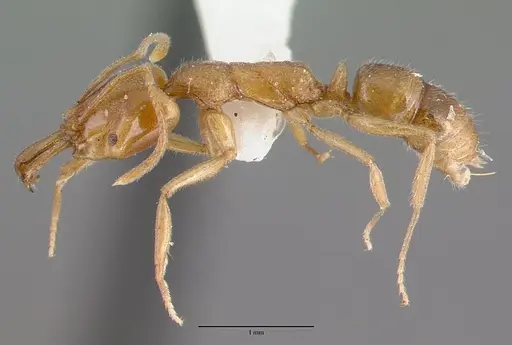
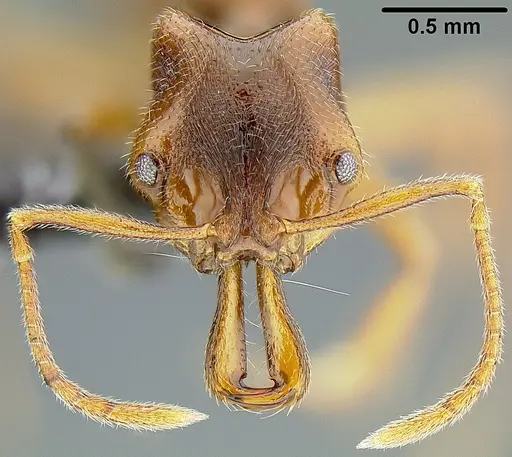
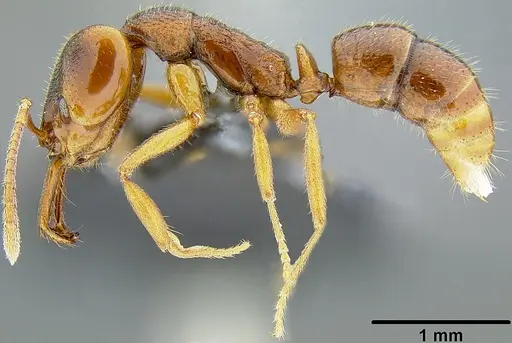
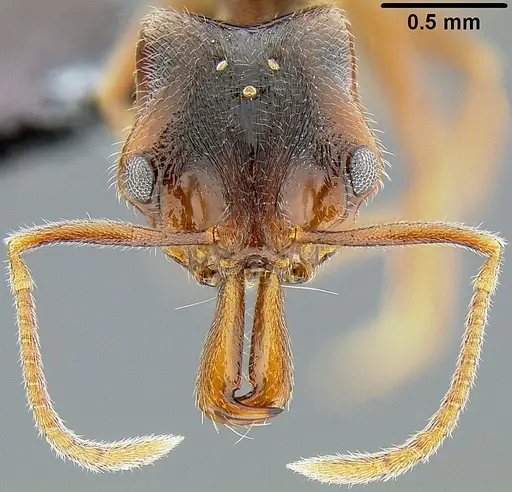
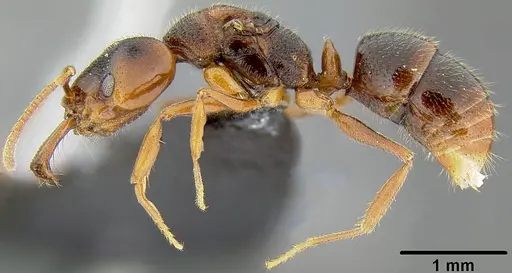
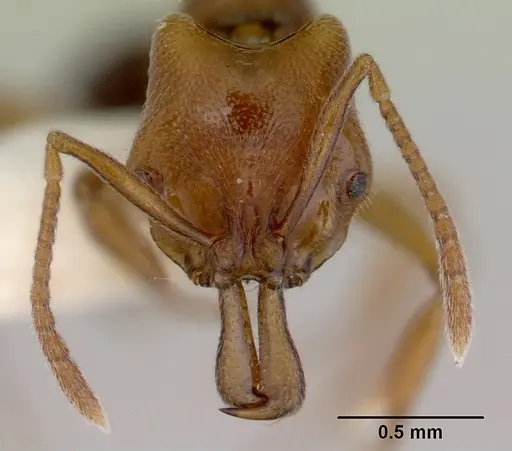
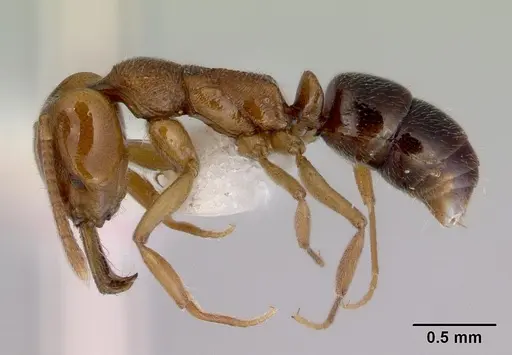
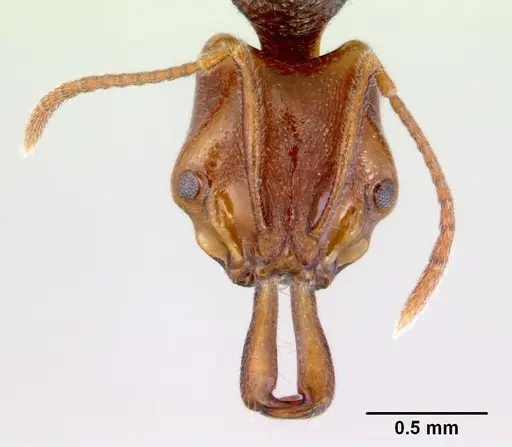
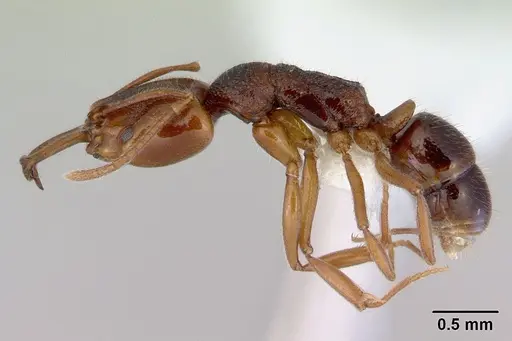
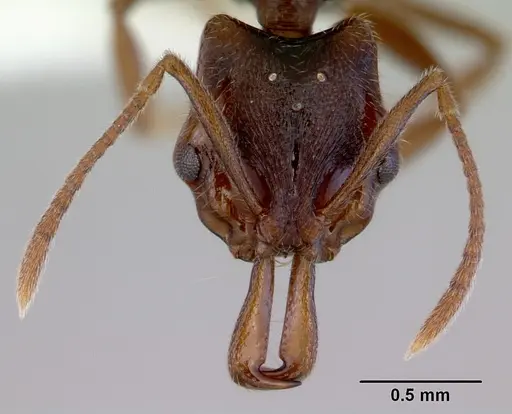
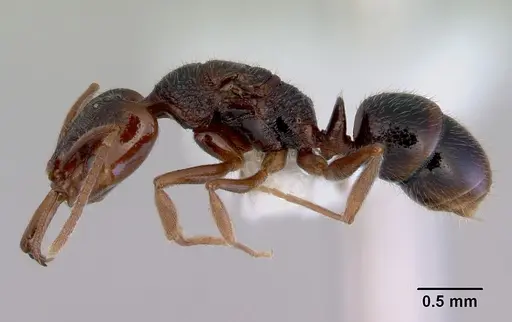
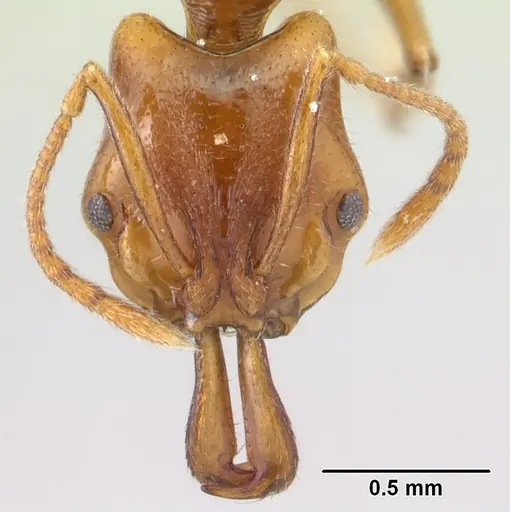
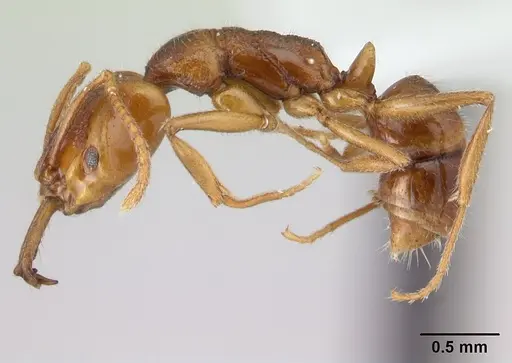
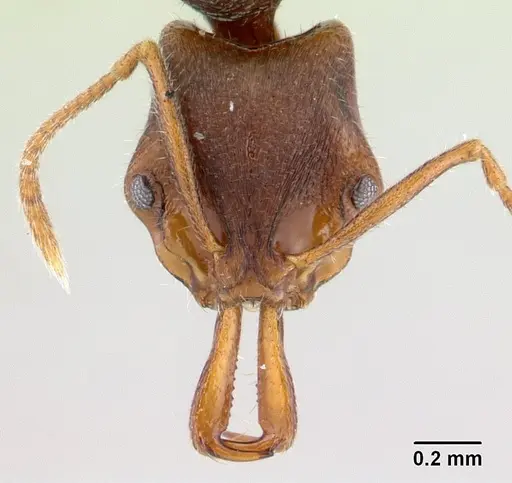
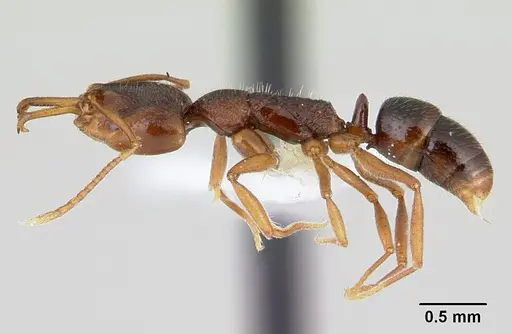
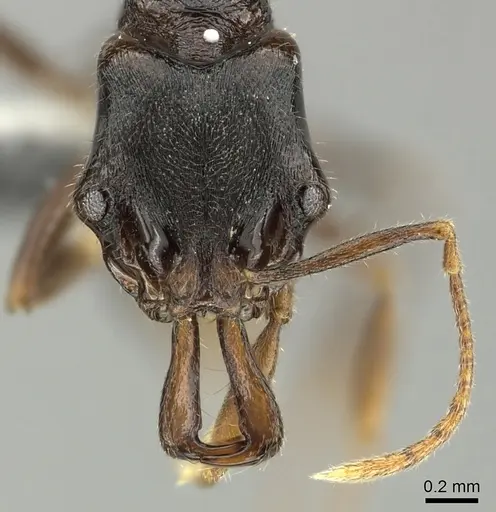
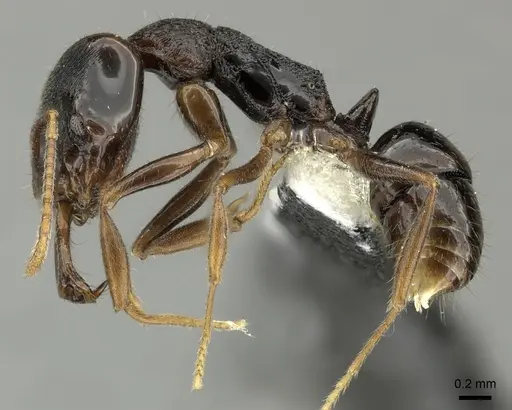
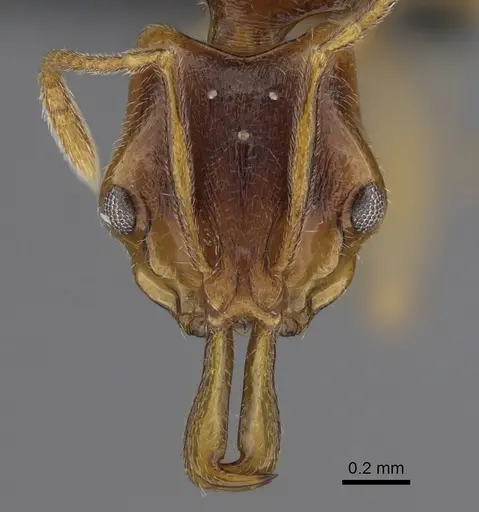
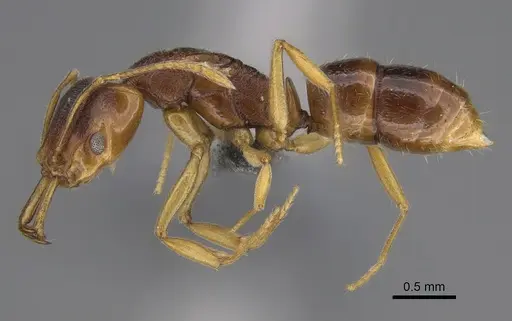
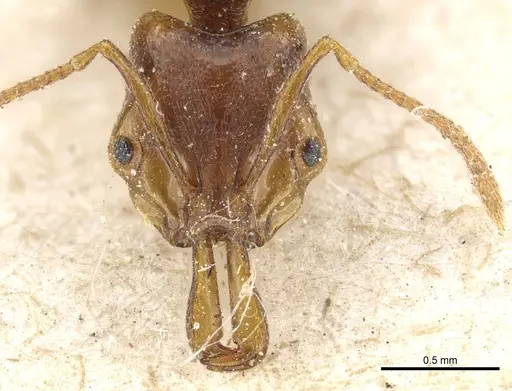
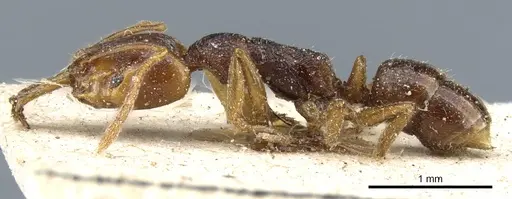
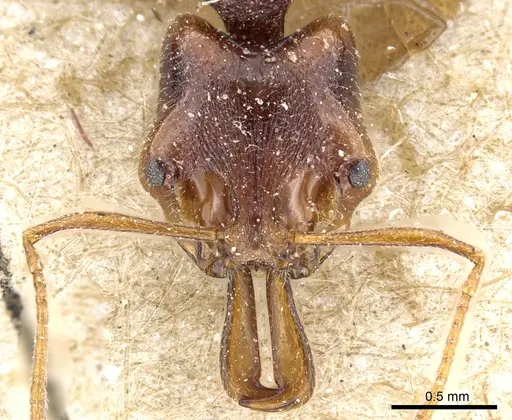
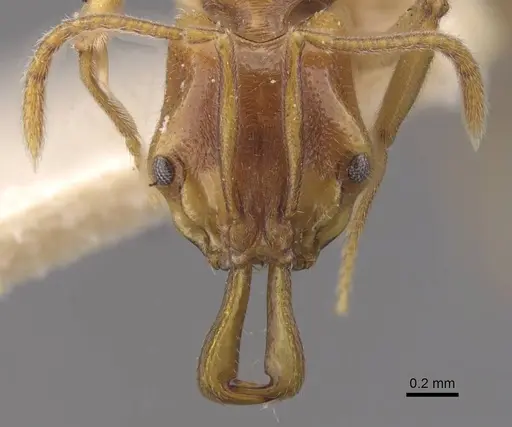
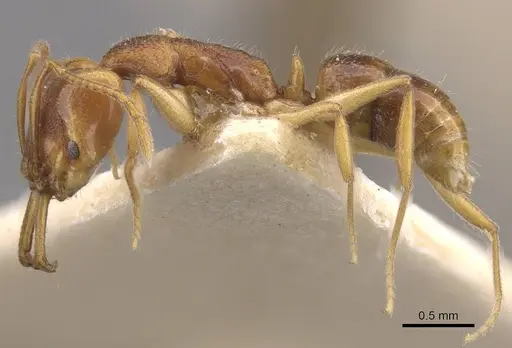
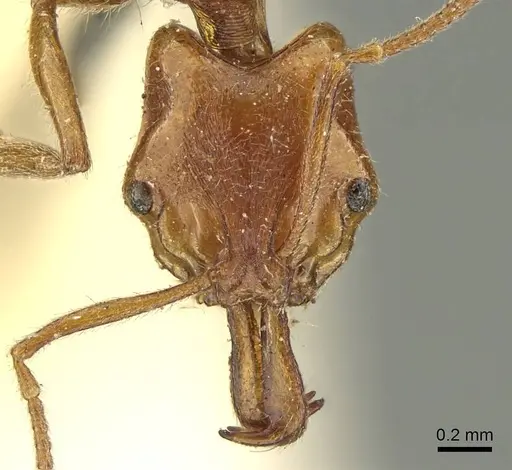
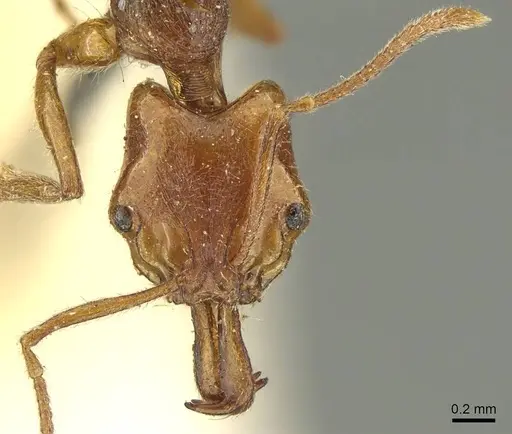
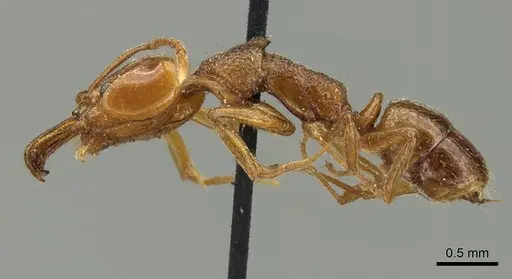
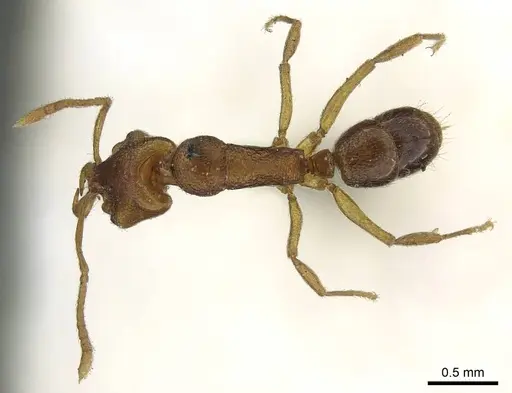
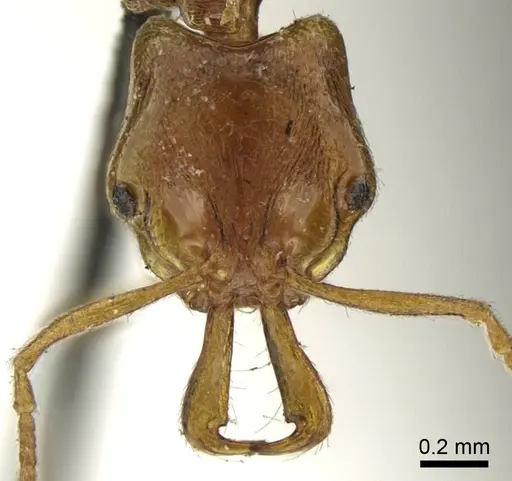
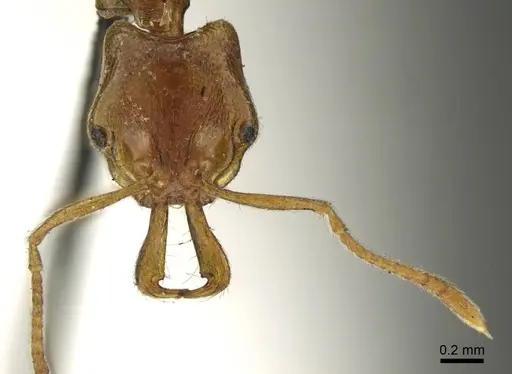
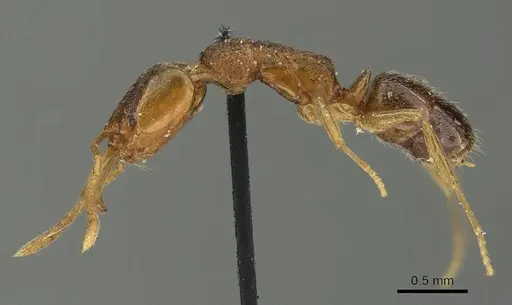
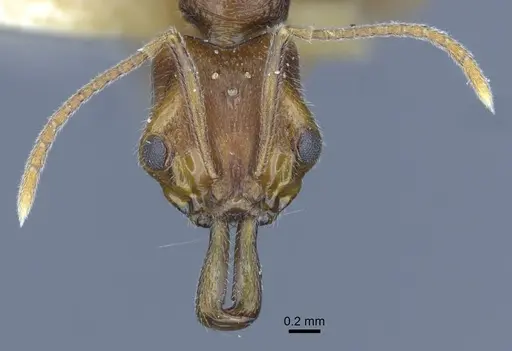
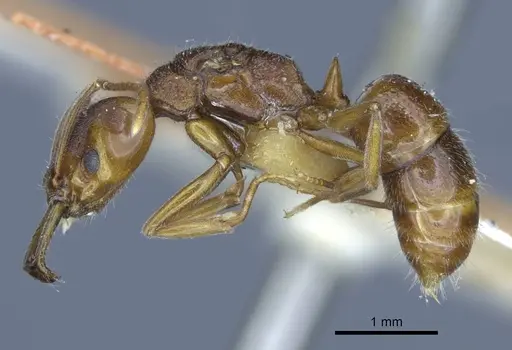
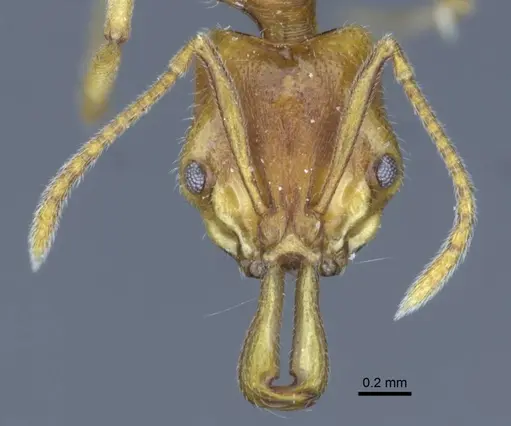
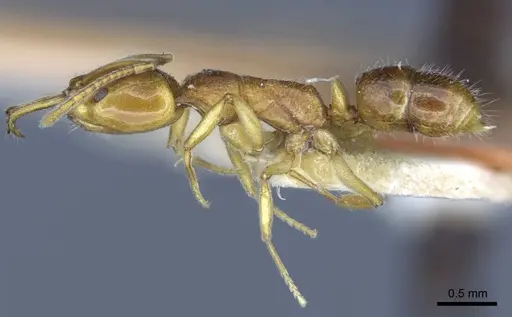
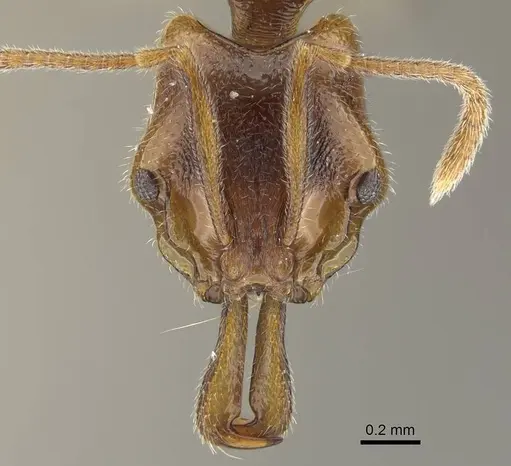
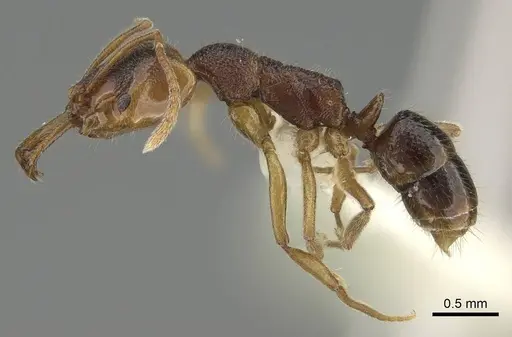
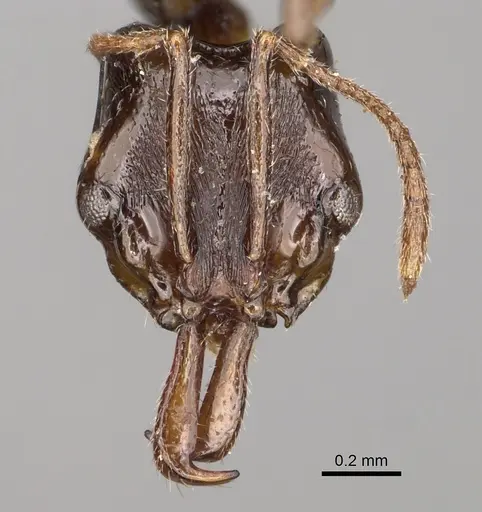
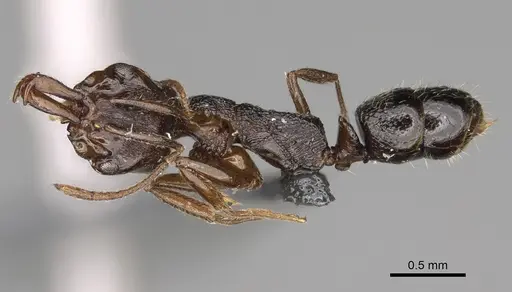
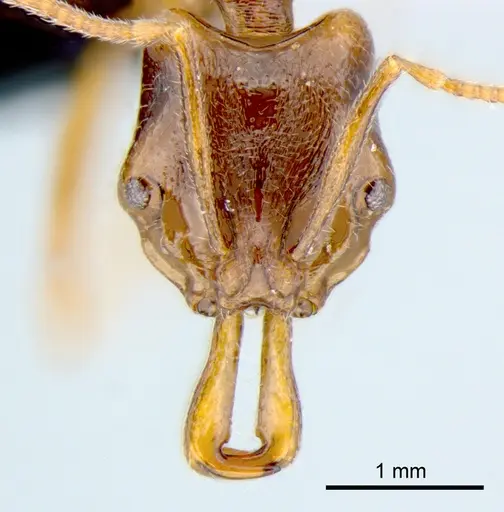
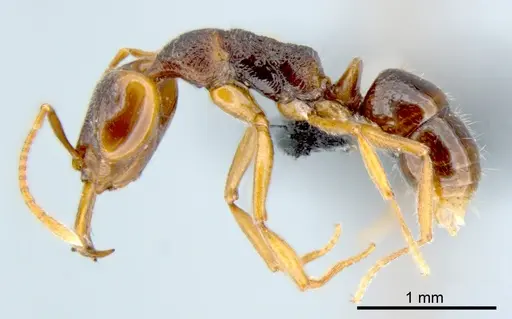
Anochetus graeffei is a small trap-jaw ant with workers measuring 3.5-4.5 mm long. They have heavily sculptured bodies, tiny eyes, and coloration ranging from yellow-brown to dark brown depending on the population [1][2]. This is one of the most widely distributed species in its genus, spanning from southern India east through Southeast Asia to Australia and across the Pacific to the Cook Islands [1]. It is also one of the most morphologically variable ants in the region, with noticeable differences in size and sculpture across its range [3].
Interestingly, while native to most of its range, this species has been introduced to several Pacific islands including New Caledonia and French Polynesia, likely arriving via ship ballast in the early 20th century [4][5]. In these introduced ranges, they live in leaf litter and feed on small arthropods using their trap-jaw mandibles [5]. They form small colonies of fewer than 100 workers and are rarely found outside forested habitats [1][2].
Quick Summary
- Difficulty: Medium
- Origin & Habitat: Tropical and subtropical forests from India through Southeast Asia to Australia and the Pacific islands, including rainforests and dry sclerophyll woodlands [1][2]
- Colony Type: Primarily monogyne (single queen), though colonies with 2-3 queens are occasionally reported [2]
- Colony: Monogyne, Oligogyne
- Size & Growth:
- Queen: Unknown (not measured in available sources)
- Worker: 3.5-4.5 mm [6][3][1]
- Colony: Typically fewer than 100 workers [2]
- Growth: Slow
- Development: Unknown, estimated 6-10 weeks at 25-28°C based on similar small ponerine species (Development time is not documented for this species. The estimate is inferred from related small trap-jaw ants.)
- Antkeeping:
- Temperature: Keep warm and stable, roughly 24-28°C. This species inhabits tropical regions across India, Southeast Asia, and the Pacific, so avoid cool temperatures [1][2]
- Humidity: High humidity with damp substrate. Keep the nest material moist but not waterlogged, mimicking their rainforest and woodland habitats [1]
- Diapause: Not required. This is a tropical species found in warm regions year-round [1][7]
- Nesting: Provide small chambers with narrow entrances. In nature they nest under rocks, in soil, rotten wood, or termite nests [1][2]. A naturalistic setup with flat stones, or a small Y-tong nest with tight chambers, works well.
- Behavior: These are specialist predators that hunt small insects using their trap-jaw mandibles. They are not attracted to sugar baits [8] and feed exclusively on small prey like termites, earwigs, and springtails [2]. They are ground-dwelling and active both day and night [9]. Workers are very small and can squeeze through tiny gaps, so you must use excellent escape prevention [1].
- Common Issues: tiny size means workers can escape through the smallest gaps, use fine mesh and tight-fitting lids., specialized diet of small live prey is difficult to maintain in captivity, they will not accept honey or sugar water [8]., colonies remain small (under 100 workers) and grow slowly, requiring patience., wild-caught colonies from introduced populations (such as New Caledonia or French Polynesia) may carry parasites or pathogens [4][5].
Natural History and Distribution
Anochetus graeffei has one of the largest ranges of any trap-jaw ant, occurring from southern India east through Southeast Asia to Australia and across the Pacific to the Cook Islands [1]. Within Australia, they are found from the Kimberleys through the Top End and down the east coast to northeastern New South Wales, primarily in rainforests but also in dry sclerophyll woodlands [1]. They have been introduced to several Pacific islands including New Caledonia, where they arrived via ship ballast, and French Polynesia, where they are now established in leaf litter habitats [4][5]. This species shows remarkable morphological variation across its range, with differences in size, color, and body sculpture that led to earlier descriptions of multiple synonyms now collapsed under A. graeffei [3][1].
Nest Preferences and Housing
In nature, these ants nest under rocks or other objects on the ground, but they will also nest directly in soil without covering, inside termite nests, or in rotten wood [1][2]. For captive housing, you should replicate these tight, enclosed spaces. A naturalistic setup with flat stones over a soil or plaster base works well, or use a small Y-tong nest with narrow chambers scaled to their tiny size. Avoid tall, open spaces which they will not use. Because they are ground-dwelling, provide a thin substrate layer in the outworld for foraging [10].
Feeding and Diet
These are specialist predators that feed exclusively on small insects. In the wild they eat termites, small earwigs, and symphylans like Scutigerella [2]. They are not attracted to honey or sugar baits [8]. In captivity, you must provide small live prey such as springtails, termites, or very small pinhead crickets. The prey must be small enough for their mandibles to handle. Do not rely on sugar water or honey as a food source, they will ignore it and the colony may starve [8].
Colony Founding and Development
The founding behavior of Anochetus graeffei has not been directly documented in the available research. Based on patterns in the genus, queens may be semi-claustral (requiring food during founding), but this remains unconfirmed for this species. Colonies remain small, typically containing fewer than 100 workers [2]. The egg-to-worker development time is unknown, but based on similar small ponerine ants, you can expect roughly 6-10 weeks at warm temperatures (25-28°C). Growth is slow, and colonies may take a year or more to reach even 50 workers.
Temperature and Humidity
As a tropical species spanning rainforests and woodlands across the Indo-Pacific, Anochetus graeffei requires warm, stable conditions. Keep the nest area at roughly 24-28°C. They do not require a winter rest period (diapause) [1][7]. Maintain high humidity with damp substrate, the nest material should feel moist to the touch but not waterlogged. Provide adequate ventilation to prevent mold while keeping humidity high.
Behavior and Temperament
These ants are predatory and use their trap-jaw mandibles to capture prey. They are active both during the day and at night [9]. Workers are very small (3.5-4.5 mm) with excellent climbing ability, so escape prevention is critical [1][6]. They are not aggressive toward humans and their sting is small, but they can bite if threatened. They are ground-dwelling foragers and will not utilize vertical space or trees [10].
Frequently Asked Questions
Can I keep Anochetus graeffei in a test tube?
Yes, you can start a colony in a test tube, but ensure the setup allows you to introduce small live prey without escapes. Because they are very small (3.5-4.5 mm), use a test tube with a very fine mesh or cotton plug that they cannot squeeze through [1].
How long until first workers for Anochetus graeffei?
The exact timeline is unconfirmed. Based on similar small trap-jaw ants, expect approximately 6-10 weeks at 25-28°C, though this may vary with temperature and queen condition.
Can I keep multiple Anochetus graeffei queens together?
Not recommended. While wild colonies occasionally contain 2-3 queens, they are typically monogynous (single queen). Combining unrelated queens in captivity has not been documented and will likely result in fighting [2].
Are Anochetus graeffei good for beginners?
They are medium difficulty. While they do not have complex hibernation requirements, their tiny size requires excellent escape prevention, and their specialized diet of small live prey makes feeding challenging [8][2].
Do Anochetus graeffei need hibernation?
No. This is a tropical species found across warm regions from India to the Pacific islands. Keep them at stable warm temperatures year-round [1][7].
What do Anochetus graeffei eat?
They are specialist predators that feed on small insects such as termites, small earwigs, and springtails. They are not attracted to sugar or honey and require live prey [8][2].
How big do Anochetus graeffei colonies get?
Colonies remain small, typically containing fewer than 100 workers [2].
Why are my Anochetus graeffei dying?
Common causes include starvation (if not provided with appropriate small live prey), dehydration (they need high humidity), or escapes (they are tiny and can squeeze through gaps) [1][8].
References

This caresheet is licensed under CC BY-SA 4.0 .
CASENT0010627
View on AntWeb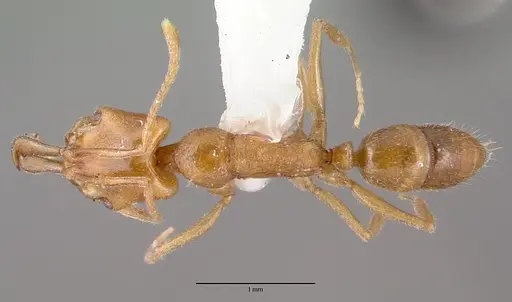
CASENT0171067
View on AntWeb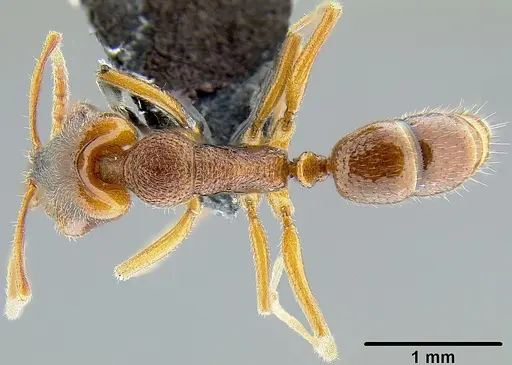
CASENT0171116
View on AntWeb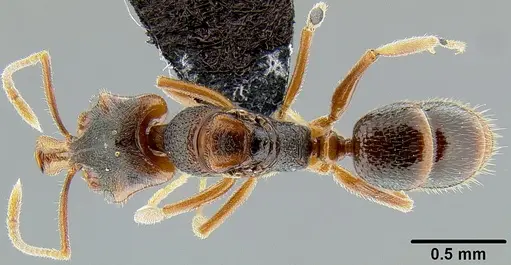
CASENT0172373
View on AntWeb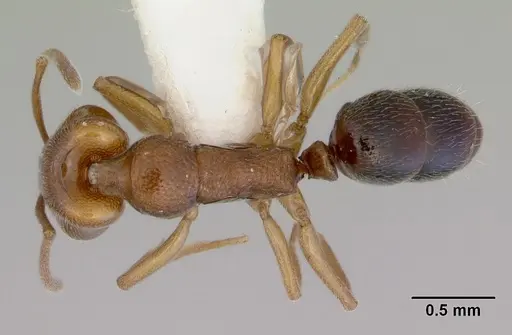
CASENT0172376
View on AntWeb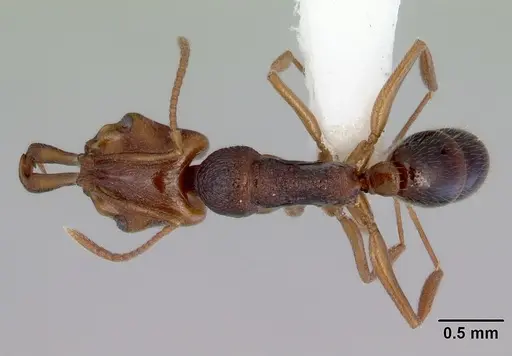
CASENT0172377
View on AntWeb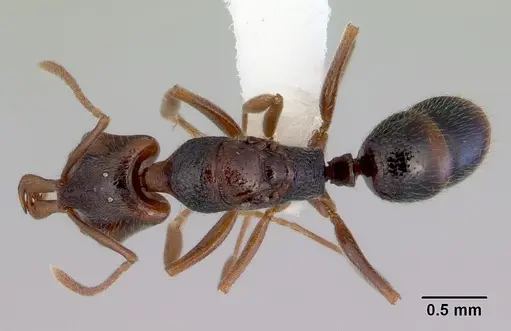
CASENT0178350
View on AntWeb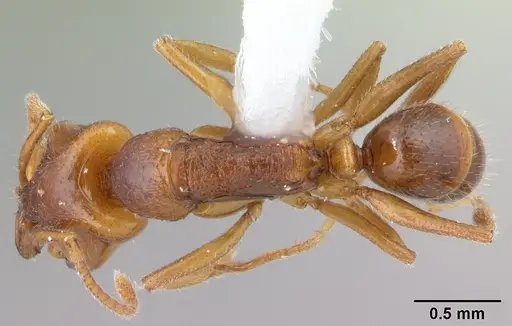
CASENT0178464
View on AntWeb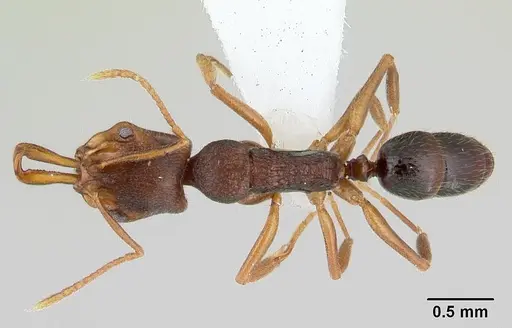
CASENT0199788
View on AntWeb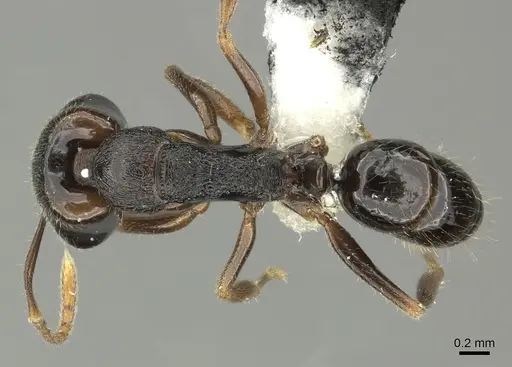
CASENT0287021
View on AntWeb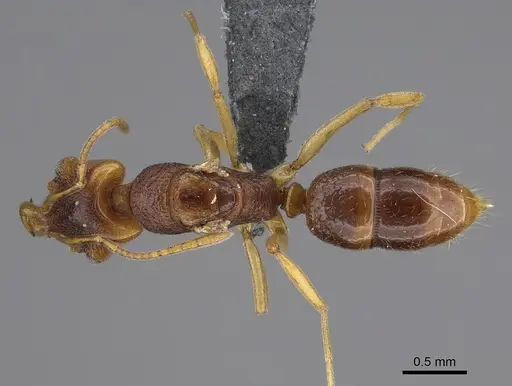
CASENT0752719
View on AntWeb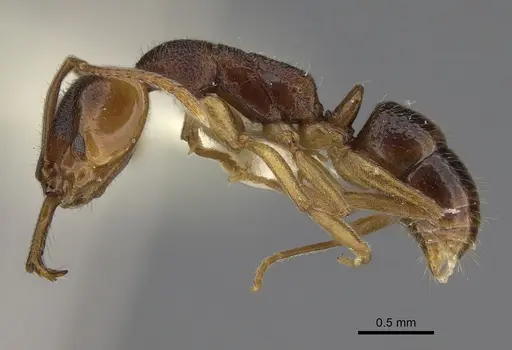
CASENT0903977
View on AntWeb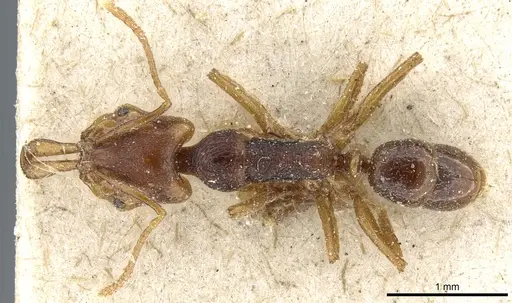
CASENT0903978
View on AntWeb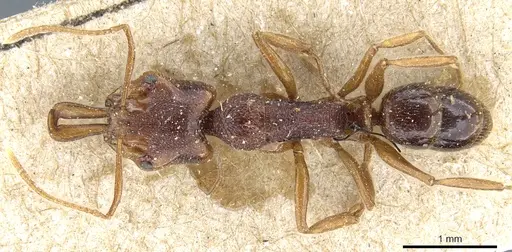
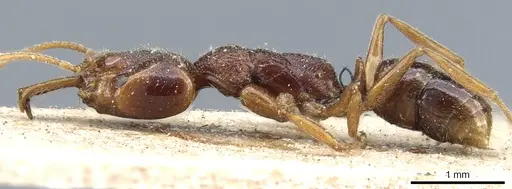
CASENT0907409
View on AntWeb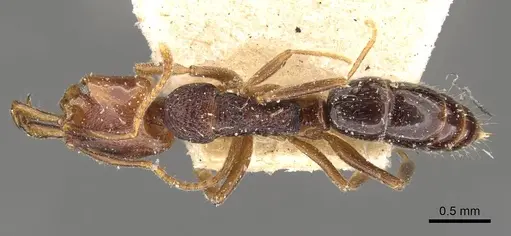
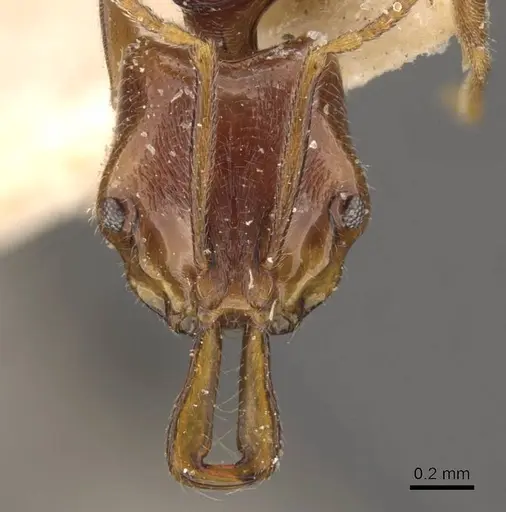
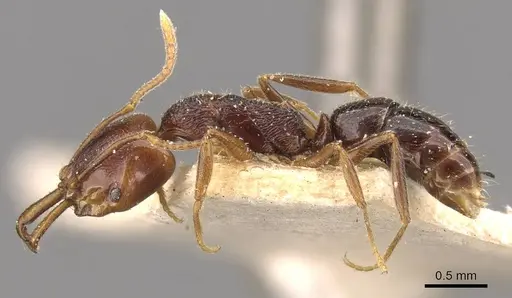
CASENT0915156
View on AntWeb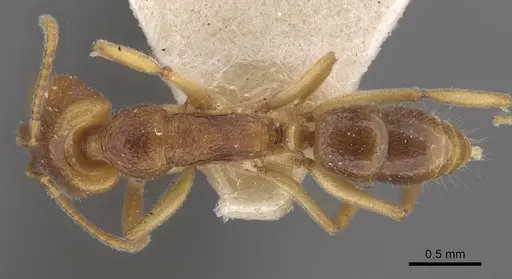
CASENT0915887
View on AntWeb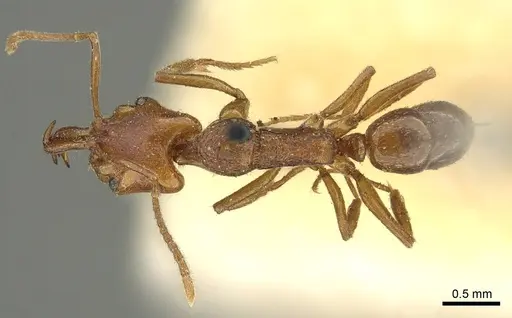
CASENT0915888
View on AntWeb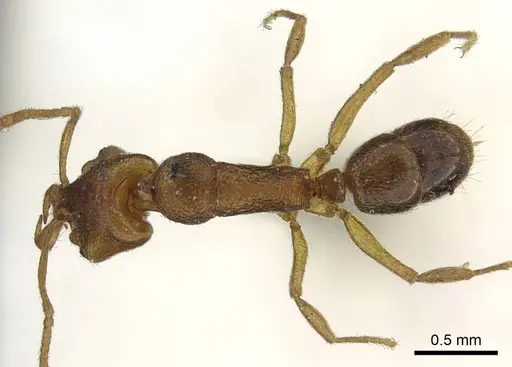
CASENT0916845
View on AntWeb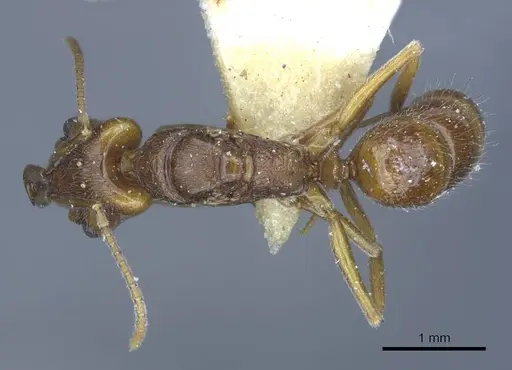
CASENT0916846
View on AntWeb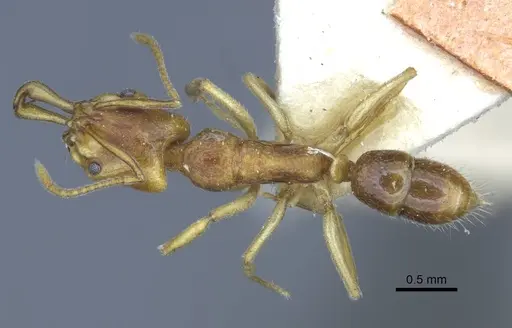
CASENT0919892
View on AntWeb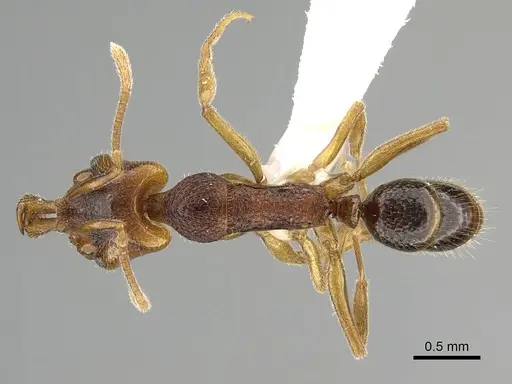
CASENT0923232
View on AntWeb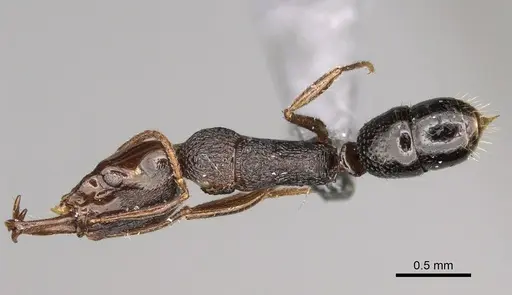
CSIRONC0006
View on AntWeb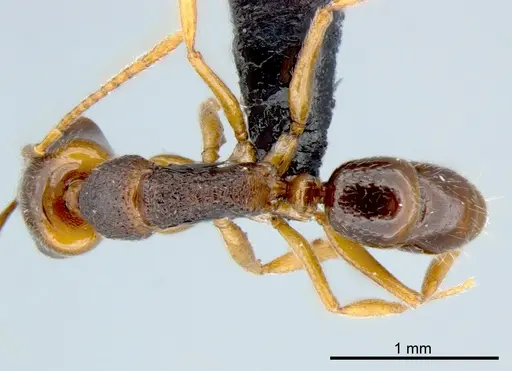
Literature
Loading...Loading products...