

Anochetus muzziolii
- Scientific Name
- Anochetus muzziolii
- Tribe
- Ponerini
- Subfamily
- Ponerinae
- Author
- Menozzi, 1932
- Distribution
- Found in 1 countries
Anochetus muzziolii Overview
Anochetus muzziolii is an ant species of the genus Anochetus. It is primarily documented in 1 countries , including Malaysia. Detailed taxonomic data and occurrence records can be further explored via authoritative databases such as AntWeb or the Global Biodiversity Information Facility (GBIF).
Anochetus muzziolii
Anochetus muzziolii is a small trap-jaw ant native to the tropical forests of Southeast Asia, found across Sumatra, the Malay Peninsula, Singapore, and Borneo [1][2]. Workers are recognizable by their smooth, shiny upper thorax and relatively short mandibles compared to other trap-jaw ants in the genus [3]. Like all Anochetus, they possess the lightning-fast mandible snap mechanism that characterizes trap-jaw ants, using specialized trigger hairs on their labrum to detect prey and snap their jaws shut with incredible speed.
These ants inhabit the leaf litter and rotting wood of tropical rainforests, living in the humid microhabitats of the forest floor [1]. While specific details of their captive biology remain unconfirmed, they follow the general patterns of the rugosus species group within Anochetus. This group typically nests in soil and decaying wood, hunting small arthropods among the debris. Their small size and specialized predatory behavior make them a challenging but interesting species for experienced antkeepers.
Quick Summary
- Difficulty: Hard
- Origin & Habitat: Tropical forests of Sumatra, Malay Peninsula, Singapore, and Borneo [1][2]
- Colony Type: Single-queen colonies (monogyne) based on typical Anochetus patterns, though not directly confirmed
- Colony: Monogyne
- Size & Growth:
- Queen: Estimated 5-7 mm based on typical Anochetus species
- Worker: Estimated 3-5 mm based on rugosus group description and genus patterns
- Colony: Likely small to moderate, estimated under 200 workers based on related Anochetus species
- Growth: Moderate
- Development: Estimated 6-10 weeks at 25-28°C based on related tropical Ponerinae (Timing is inferred from similar tropical trap-jaw ants, actual development may vary based on temperature and feeding)
- Antkeeping:
- Temperature: 24-28°C, stable year-round tropical warmth. Use a heating cable on one side of the nest to create a gentle gradient.
- Humidity: High humidity required. Keep nest substrate consistently moist but not waterlogged, similar to their forest floor habitat [1].
- Diapause: No, tropical species that remains active year-round [1]
- Nesting: Small chambers in rotting wood or tight artificial nests (Y-tong/AAC or plaster) with narrow passages appropriate for their tiny size
- Behavior: Predatory trap-jaw hunters that likely forage in leaf litter. They are probably nocturnal or crepuscular. Their very small size means escape prevention must be excellent, use fine mesh and tight-fitting lids.
- Common Issues: tiny size means escapes are likely without fine mesh barriers and Fluon or similar escape prevention., founding behavior is unconfirmed, if semi-claustral like other Anochetus, queens will starve without regular feeding during founding., require consistently small live prey, standard fruit flies may be too large for workers given their short mandibles., rare in captivity so limited care documentation exists, you will need to observe and adjust based on colony response., tropical species will suffer if temperatures drop below 20°C for extended periods.
Identification and Appearance
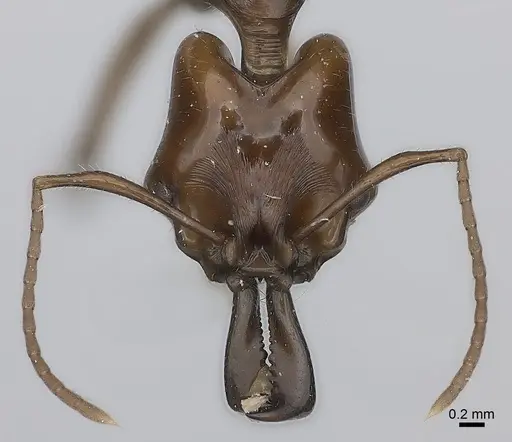
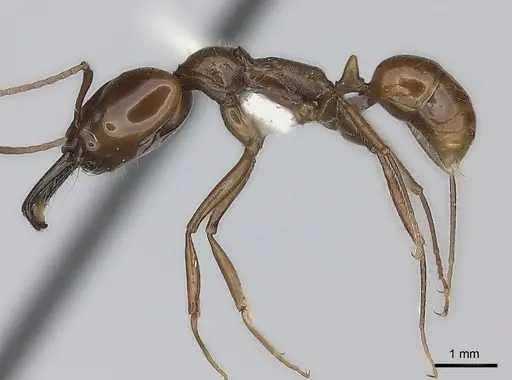
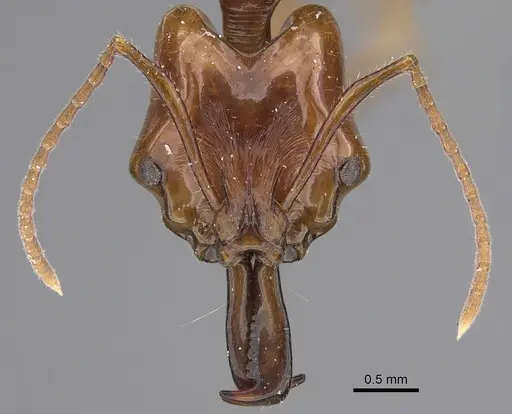
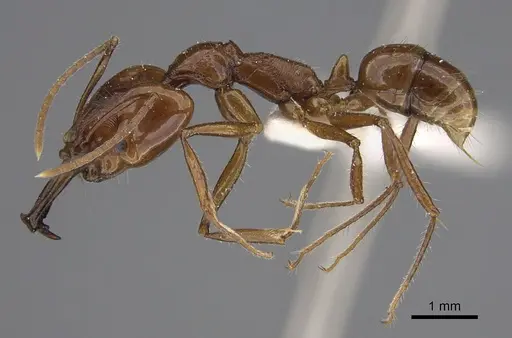
Workers of Anochetus muzziolii can be distinguished from similar species like Anochetus mixtus by examining the front part of the thorax (pronotum), which is smooth and shiny rather than rough and textured [3]. Their mandibles are also noticeably shorter than related species [3]. The body is slender with the characteristic trap-jaw head structure: large eyes positioned on the sides of the head and long, sensitive mandibles that snap shut when prey touches specialized trigger hairs. The petiole (waist segment) is bluntly pointed or narrowly rounded at the tip [1].
Distribution and Natural Habitat
This species ranges across the Indomalayan region, with confirmed records from Sumatra in Indonesia, the Malay Peninsula in Malaysia, Singapore, and Borneo [1][2]. They inhabit tropical rainforest environments, specifically living in the leaf litter layer and rotting wood on the forest floor. This microhabitat suggests they prefer warm, humid conditions with access to decaying organic matter where small prey items such as springtails and mites abound. Keepers should replicate these damp, shaded conditions in captivity.
Colony Founding and Development
Founding behavior has not been directly observed in this species. Based on patterns seen in other Anochetus species, queens are likely semi-claustral, meaning the queen must leave her initial chamber to forage for food while raising her first workers. This is common in the Ponerinae subfamily. If this holds true, founding queens will need access to small prey items rather than relying solely on stored body fat. Development time from egg to worker is unconfirmed but likely falls in the 6-10 week range typical for tropical Ponerinae kept at 25-28°C. Nanitics (first workers) may be smaller and faster to develop than subsequent workers. [1]
Feeding and Diet
As trap-jaw predators, Anochetus muzziolii hunt small living prey. Their shorter mandibles suggest they target smaller arthropods than some trap-jaw relatives. In captivity, offer springtails, fruit flies (Drosophila), and very small cricket nymphs or termites. The prey must be small enough for workers to handle given their compact mandibles. Pre-killed insects are often ignored since the trap-jaw mechanism is triggered by live prey movement. They may accept sugar water or honey water occasionally, but protein from live prey should form the bulk of their diet.
Housing and Environmental Needs
Keep colonies in small formicaria or naturalistic setups with tight chambers appropriate for their size. A test tube setup can work for founding if you provide food regularly (assuming semi-claustral founding). For established colonies, a small Y-tong (AAC) nest or plaster nest with narrow chambers works well, avoid large open spaces that small colonies cannot properly utilize. Maintain high humidity by keeping the nest substrate moist but not soaked. Provide a gradient so ants can choose their preferred moisture level. Because of their tiny size, use excellent escape prevention including Fluon or PTFE barriers on vertical surfaces and fine mesh (under 0.5mm) for ventilation.
Temperature and Seasonal Care
Being from tropical Southeast Asia, these ants need stable warmth between 24-28°C year-round. They do not require hibernation (diapause). Use a heating cable or mat on one side of the nest to create a gentle gradient, allowing the ants to thermoregulate by moving closer to or farther from the heat source. Avoid temperatures below 20°C for extended periods as this will slow their metabolism and brood development significantly. [1]
Frequently Asked Questions
Can I keep Anochetus muzziolii in a test tube?
Yes, but if they are semi-claustral like other Anochetus, the founding queen will need regular feeding. Provide a small outworld or open the tube to offer prey every few days rather than sealing her in completely.
How long until first workers for Anochetus muzziolii?
The timeline is unconfirmed, but likely 6-10 weeks at 25-28°C based on related tropical Ponerinae species. Cooler temperatures will extend this timeline significantly.
Do Anochetus muzziolii need hibernation?
No, they come from tropical Southeast Asia and should be kept warm year-round. They remain active throughout the year and do not require a winter rest period [1].
What do Anochetus muzziolii eat?
Small live prey such as springtails, fruit flies, and tiny insect nymphs. Their trap-jaw mechanism is designed for hunting live food, and they may ignore dead insects. Their shorter mandibles mean prey items should be quite small.
Are Anochetus muzziolii good for beginners?
No, they are rare in captivity, very small, and have specific feeding requirements that make them challenging. They are best suited for experienced keepers who can provide appropriate small prey and manage escape risks.
How big do Anochetus muzziolii colonies get?
Likely small to moderate, probably under 200 workers based on typical Anochetus colony sizes, though exact maximums are unconfirmed for this species.
What is the best nest type for Anochetus muzziolii?
Small naturalistic setups with rotting wood, or artificial nests with tight, narrow chambers like Y-tong (AAC) or plaster nests designed for small species. Avoid large formicariums until the colony has at least 50 workers.
Can I keep multiple Anochetus muzziolii queens together?
Not recommended. Anochetus are typically monogyne (single-queen), and combining unrelated queens of this species has not been documented. They will likely fight.
Why are my Anochetus muzziolii dying?
Common causes include: nest chambers that are too large (they need small, tight spaces), lack of appropriate small live prey, dehydration (they need humid conditions), or escape (they are tiny and can squeeze through gaps). Also check that temperatures are not too cold.
References

This caresheet is licensed under CC BY-SA 4.0 .
CASENT0217509
View on AntWeb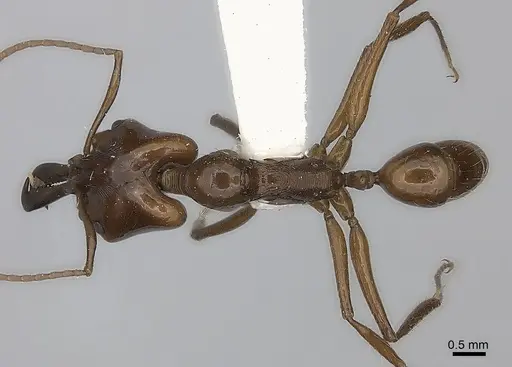
CASENT0923411
View on AntWeb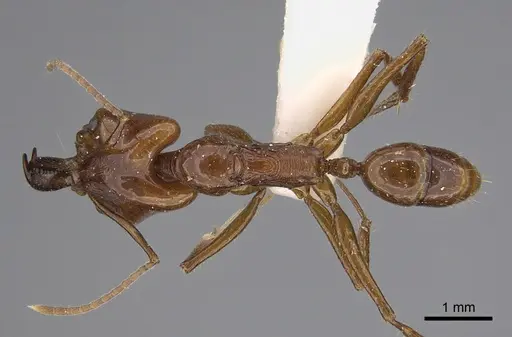
Literature
Loading...Loading products...