

Anochetus armstrongi
- Scientific Name
- Anochetus armstrongi
- Tribe
- Ponerini
- Subfamily
- Ponerinae
- Author
- McAreavey, 1949
- Distribution
- Found in 1 countries
Anochetus armstrongi Overview
Anochetus armstrongi is an ant species of the genus Anochetus. It is primarily documented in 1 countries , including Australia. Detailed taxonomic data and occurrence records can be further explored via authoritative databases such as AntWeb or the Global Biodiversity Information Facility (GBIF).
Anochetus armstrongi
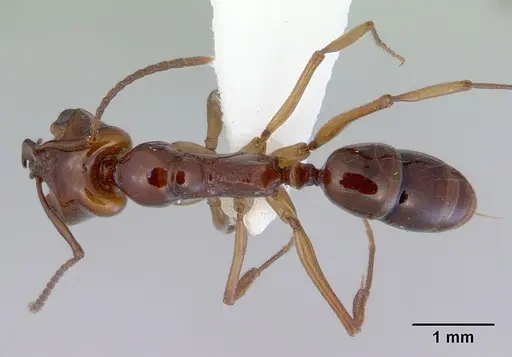
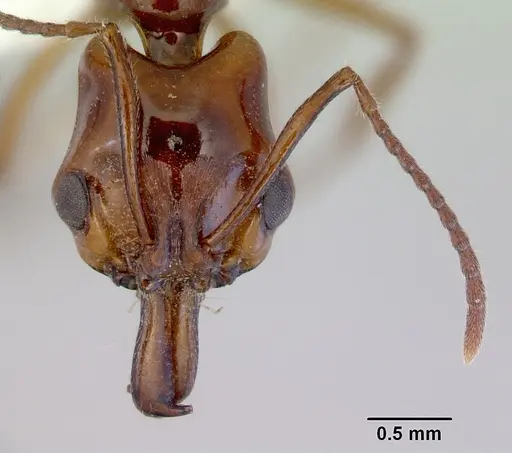
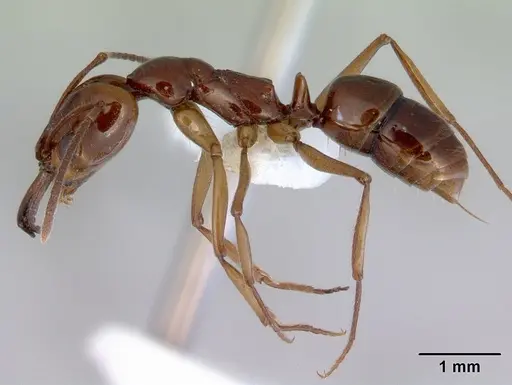
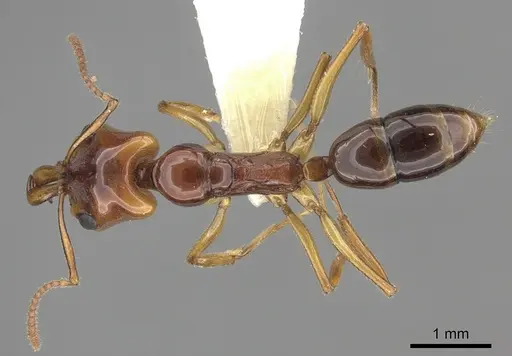
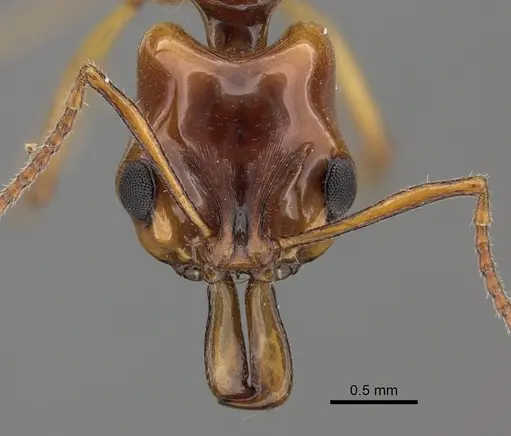
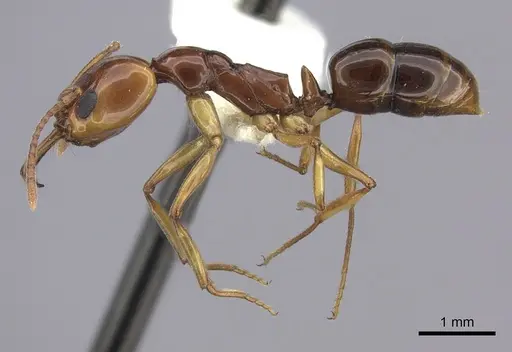
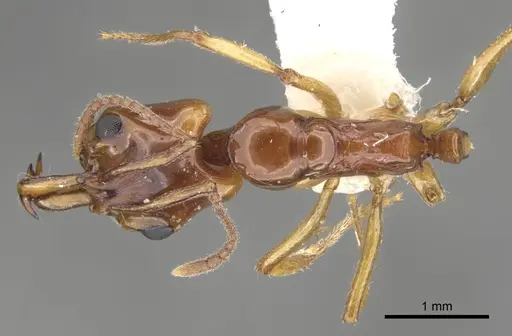
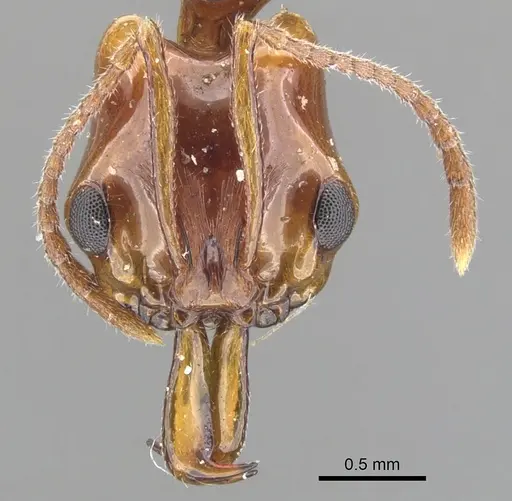
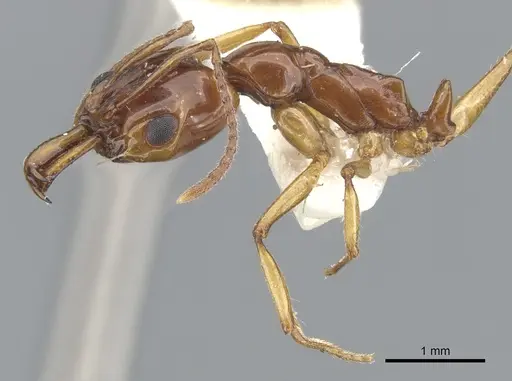
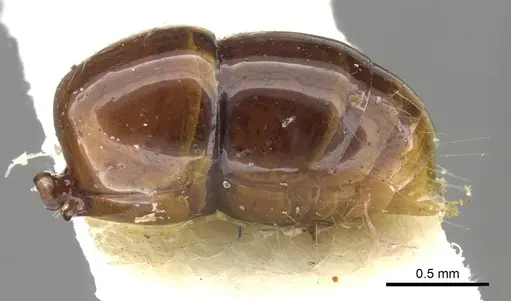
Anochetus armstrongi is a medium-sized trap-jaw ant with a smooth, shiny yellow-brown body and unusually large eyes for the genus. Found across eastern and southern Australia from central Queensland down to southern South Australia, this species is notable as the only Anochetus that thrives in the cooler south-eastern regions of the continent [1][2]. Workers measure roughly 4-5mm in total length with heads around 1.3-1.5mm wide, sporting distinctive elongated mandibles that snap shut to capture prey [2]. Unlike their tropical relatives, these ants have adapted to drier woodlands and grasslands, nesting under stones and debris on the ground rather than in leaf litter or soil [1][2].
What makes this species stand out is their specialized hunting behavior and small colony size. Workers are active predators that use their spring-loaded trap-jaw mandibles to strike prey and a sting to subdue it [3]. They form small, intimate colonies of fewer than 100 workers, making them a unique choice for keepers who prefer observing detailed predatory behaviors over massive colony growth [3]. You may occasionally find seed husks around their nests, suggesting they supplement their diet with plant material, though they remain primarily carnivorous [3].
Quick Summary
- Difficulty: Medium
- Origin & Habitat: Australia, from central Queensland to southern South Australia. Found in dry sclerophyll woodlands, savannah woodlands, Callitris forests, Casuarina flats, mallee, bluebush steppes and grasslands [1][2].
- Colony Type: Likely single-queen (monogyne) colonies based on small nest size, but exact structure unconfirmed. Colonies remain small with fewer than 100 workers [3].
- Colony: Monogyne
- Size & Growth:
- Queen: Unknown, not measured in available sources.
- Worker: Head width 1.33-1.51mm, head length 1.36-1.57mm [2]. Total body length approximately 4-5mm (estimated from measurements).
- Colony: Less than 100 workers [3].
- Growth: Slow (limited by small colony capacity).
- Development: Unknown, based on similar Ponerinae trap-jaw ants, estimate 8-12 weeks at 25°C. (Development time is unconfirmed for this species. Small colonies mean growth remains slow even under ideal conditions.)
- Antkeeping:
- Temperature: 20-25°C (68-77°F). Their wide natural range from tropical Queensland to temperate South Australia suggests broad temperature tolerance, but aim for stable room temperature to warm conditions [1].
- Humidity: Moderate to low humidity. Keep nest substrate slightly moist but not wet, these ants prefer drier conditions matching their woodland habitats [1][2].
- Diapause: Unknown. Southern populations may slow activity in winter, but this has not been documented.
- Nesting: Ground nests under stones, wood, or debris. In captivity, use a naturalistic setup with flat stones or a small formicarium with tight, shallow chambers. Avoid tall vertical spaces [1][2].
- Behavior: Active predators with trap-jaw mandibles capable of rapid strikes. Forage both day and night. Use their sting to subdue small arthropod prey [3]. Generally not aggressive toward humans but will defend themselves if handled. Medium escape risk, they are active foragers but not extremely small [1].
- Common Issues: colonies remain small (under 100 workers), which may disappoint keepers expecting large, booming colonies., require live prey such as fruit flies or springtails, may not accept dead insects or sugars reliably., small colony size makes overfeeding easy, excess prey can mold or stress the few workers., founding behavior is unconfirmed, making initial setup challenging for beginners.
Nest Preferences
In the wild, Anochetus armstrongi nests under stones, fallen wood, and other ground debris in dry woodland habitats [1][2]. They prefer ground-level cavities with tight ceilings rather than deep soil tunnels. For captive housing, recreate this with a naturalistic setup using flat stones over a shallow soil or sand substrate, or use a small Y-tong nest with low-ceiling chambers. Because colonies remain under 100 workers, they do not need large nests, a setup roughly the size of a test tube or small formicarium is sufficient for mature colonies [3]. Provide a dry to moderately moist substrate, these ants come from drier habitats and do not require tropical humidity levels [1].
Feeding and Diet
These ants are specialized predators that hunt small arthropods. Workers use their trap-jaw mandibles to strike prey and their sting to subdue it before carrying it back to the nest [3]. In captivity, offer small live prey such as fruit flies (Drosophila), springtails, or pinhead crickets. While primarily predatory, wild nests sometimes contain seed husks and plant refuse, suggesting they may occasionally take seeds or scavenge plant material [3]. You can experiment with small seeds or insect parts, but live prey should remain the staple. Sugar sources like honey water may be ignored, focus on protein for this species [3].
Temperature and Care
Anochetus armstrongi tolerates a wide temperature range reflecting their distribution from tropical Queensland to temperate South Australia [1][2]. Keep them at stable room temperature (20-25°C) with a slight gradient if possible. They do not appear to require cooling for hibernation, though southern populations may slow down naturally in winter [1]. If your room temperature drops below 18°C in winter, consider gentle heating. Because they forage both day and night, maintain consistent conditions rather than mimicking day-night temperature swings [1].
Behavior and Temperament
These trap-jaw ants display fascinating hunting behaviors. Workers actively patrol their territory and use their spring-loaded mandibles to snap shut on prey items. They are active around the clock, foraging both during the day and at night [1]. Despite being predators, they are not particularly aggressive toward humans and lack the defensive swarming behavior of some other ants. However, they can sting if threatened or handled roughly [3]. Their small colony size means they are not escape artists in the same way as massive colony species, but you should still use secure lids and barriers as they are active foragers [3].
Growth and Development
Colonies of Anochetus armstrongi remain small, typically housing fewer than 100 workers even when mature [3]. This makes them slow-growing compared to common beginner species like Lasius or Formica. Do not expect explosive growth, a colony with 50 workers is considered large for this species. The small colony size means you must be careful not to overfeed, as excess prey can overwhelm the limited number of workers and lead to mold problems. Development time from egg to worker is unconfirmed, but based on similar Ponerinae trap-jaw ants, expect roughly 8-12 weeks at 25°C. First workers (nanitics) may emerge slightly faster but will be smaller than subsequent workers.
Frequently Asked Questions
Can I keep Anochetus armstrongi in a test tube?
Yes, a standard test tube setup works well for founding colonies and small colonies. Provide a water reservoir with cotton, but ensure the tube is not overly humid since these ants prefer drier conditions. Once the colony grows to 20-30 workers, move them to a small naturalistic setup or formicarium.
How long until Anochetus armstrongi get their first workers?
The egg-to-worker timeline is unconfirmed for this species. Based on similar trap-jaw ants in the Ponerinae subfamily, expect approximately 8-12 weeks at 25°C. Cooler temperatures will slow development.
How big do Anochetus armstrongi colonies get?
Colonies remain small, typically containing fewer than 100 workers even when fully established [3]. This makes them suitable for keepers who prefer observing small, manageable colonies rather than massive supercolonies.
What do Anochetus armstrongi eat?
They are predatory ants that hunt small live arthropods such as insects and springtails. Workers use their trap-jaw mandibles and sting to capture and subdue prey [3]. They may occasionally collect seeds or plant material, but live prey should be their primary food in captivity [3].
Do Anochetus armstrongi need hibernation?
It is unknown whether this species requires hibernation. They are found across a wide range including cooler southern Australia, so they likely tolerate cooler winters, but whether they require a true diapause period has not been documented. If kept at room temperature year-round, they will likely remain active.
Are Anochetus armstrongi good for beginners?
They are best suited for intermediate keepers. While their small colony size makes housing easy, their specialized predatory diet and unconfirmed founding behavior make them more challenging than common beginner species like Lasius niger or Camponotus species.
Can I keep multiple Anochetus armstrongi queens together?
This is not recommended. Combining unrelated queens has not been documented for this species, and the small natural colony size (under 100 workers) suggests single-queen colonies are the norm [3].
Why are my Anochetus armstrongi dying?
Common causes include overfeeding (small colonies cannot process large amounts of prey), excessive humidity (they prefer drier conditions), or lack of appropriate live prey. Ensure you are offering small enough live food and keeping the nest moderately moist, not wet.
References

This caresheet is licensed under CC BY-SA 4.0 .
Literature
Loading...Loading products...