
Amblyopone australis exhibits a clear seasonal activity window. Peak activity is concentrated in February, with the overall period spanning February to March.
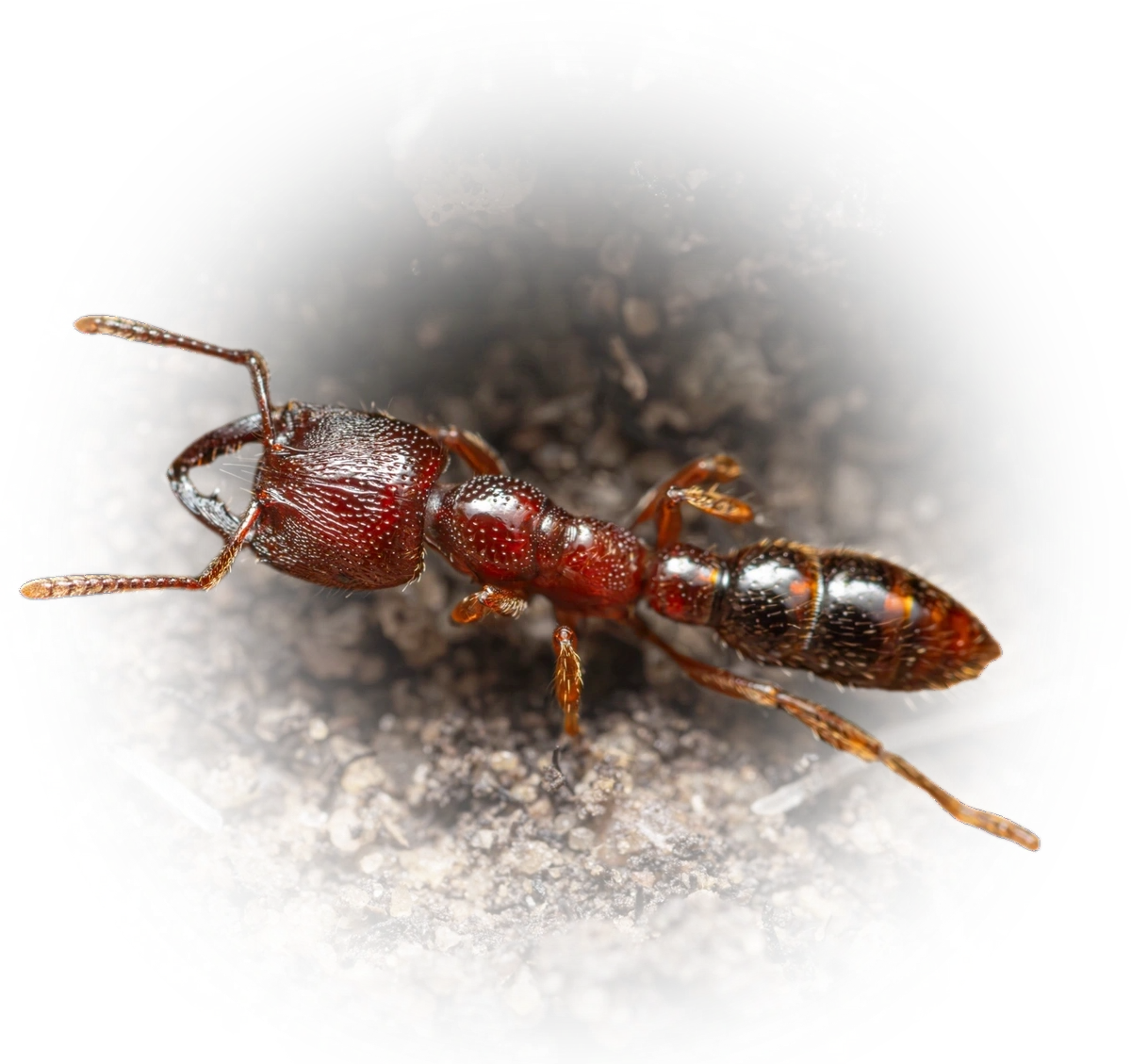
Amblyopone australis
- Scientific Name
- Amblyopone australis
- Tribe
- Amblyoponini
- Subfamily
- Amblyoponinae
- Author
- Erichson, 1842
- Common Name
- Southern Michelin Ant
- Distribution
- Found in 3 countries
- Nuptial Flight
- from January to March, peaking in February
AI Identifiable
try →
Amblyopone australis Overview
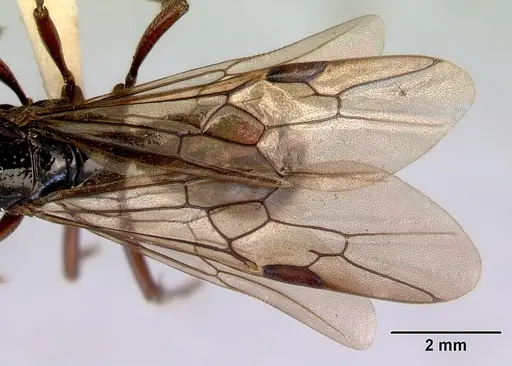
Amblyopone australis (commonly known as the Southern Michelin Ant) is an ant species of the genus Amblyopone. It is primarily documented in 3 countries , including Australia, New Zealand, Papua New Guinea. Detailed taxonomic data and occurrence records can be further explored via authoritative databases such as AntWeb or the Global Biodiversity Information Facility (GBIF).
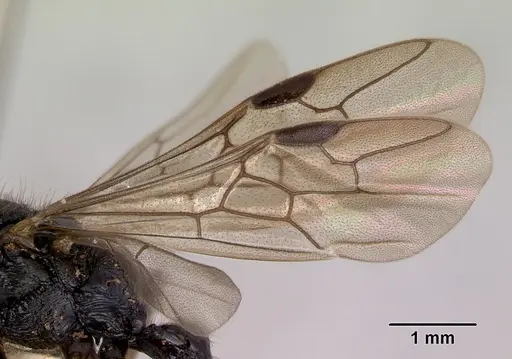
The nuptial flight of Amblyopone australis is a significant biological event, typically occurring from January to March, peaking in February. During this time, winged queens and males leave the nest to mate and establish new colonies.
Amblyopone australis - "Southern Michelin Ant"
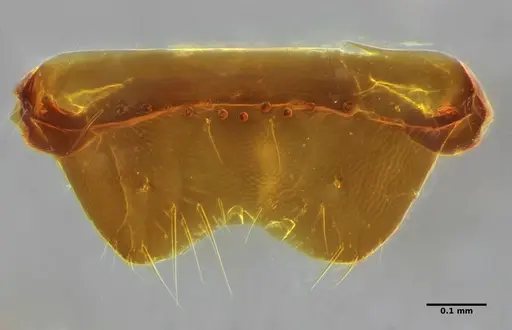
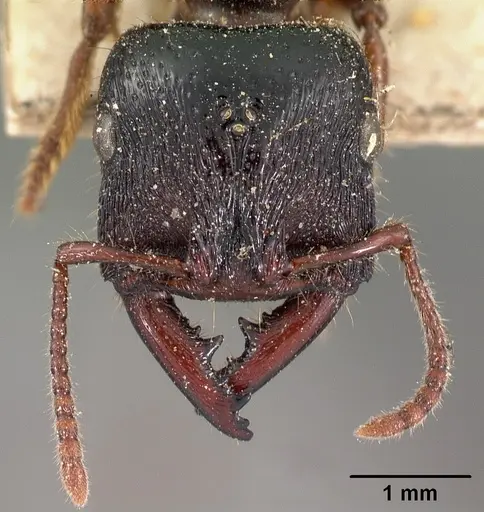
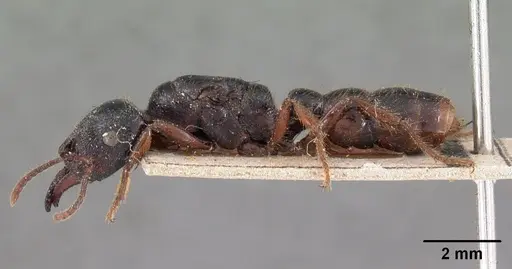
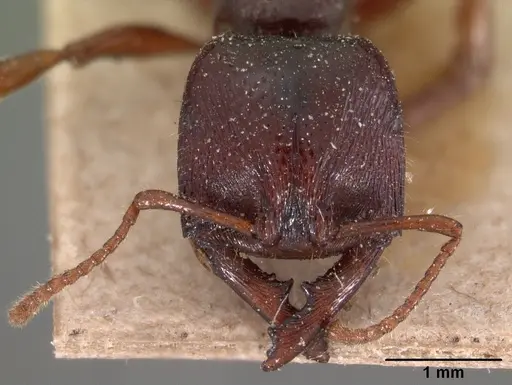
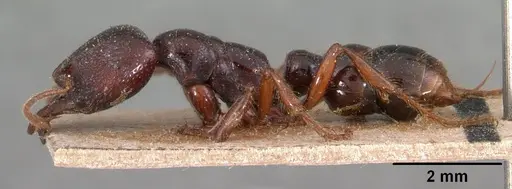
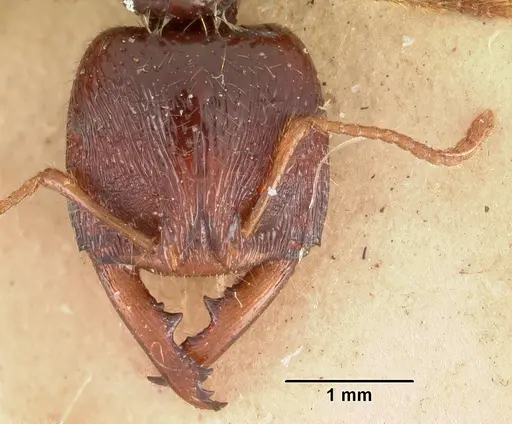
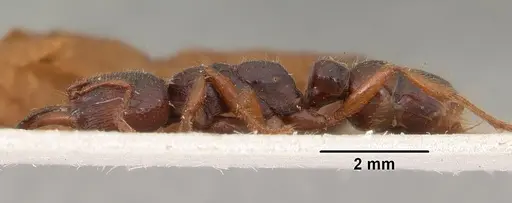
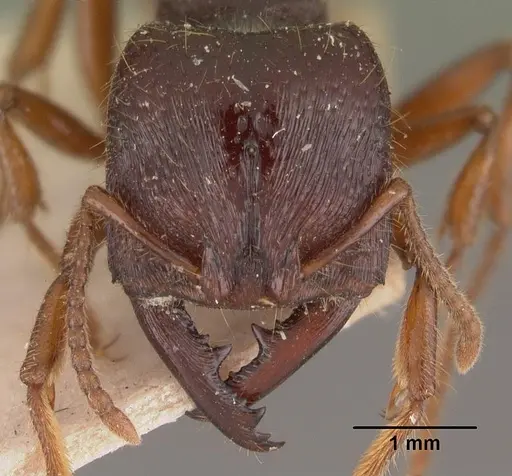
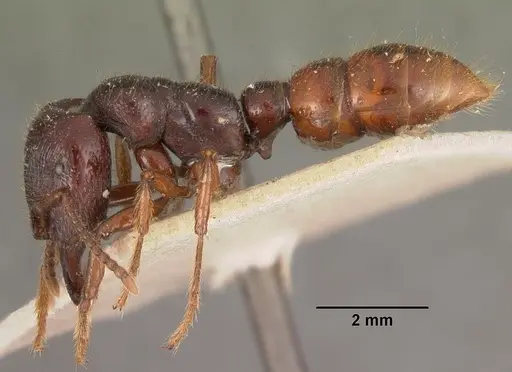
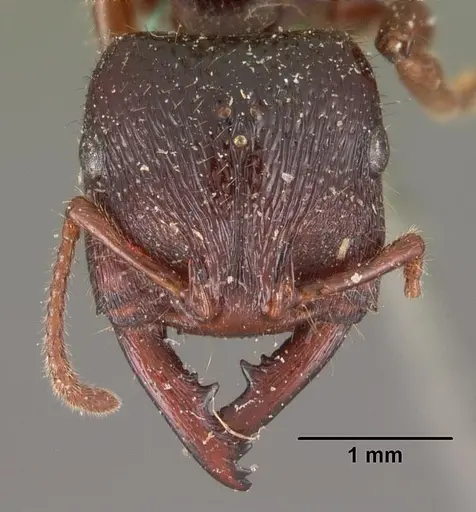
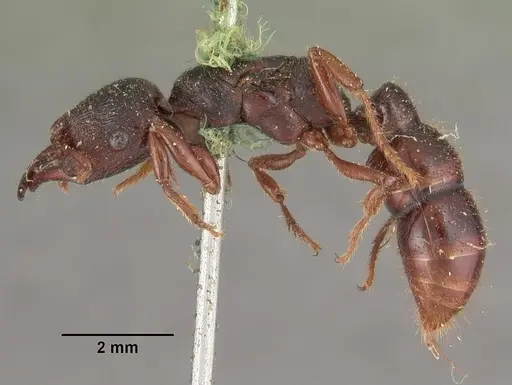
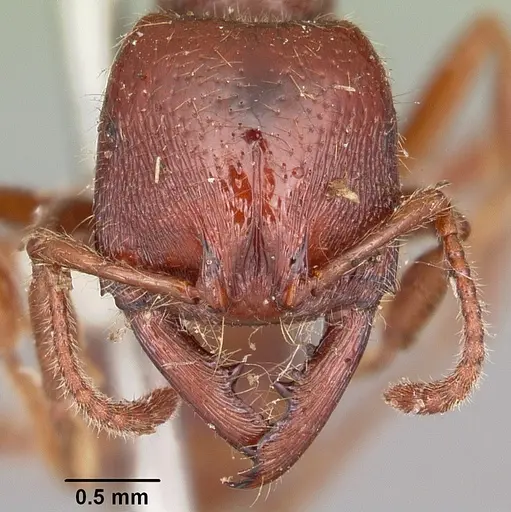
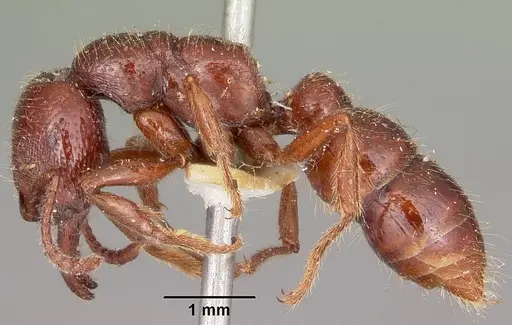
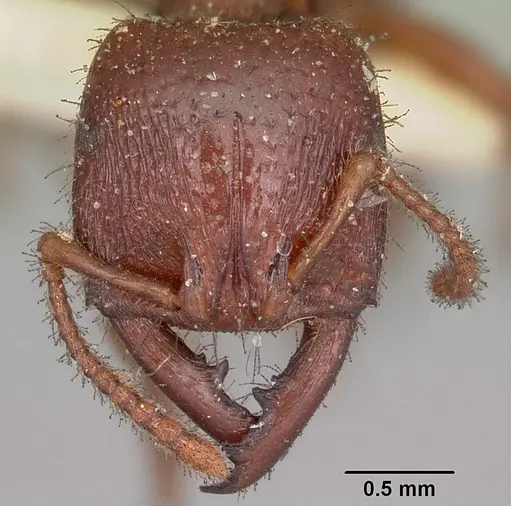
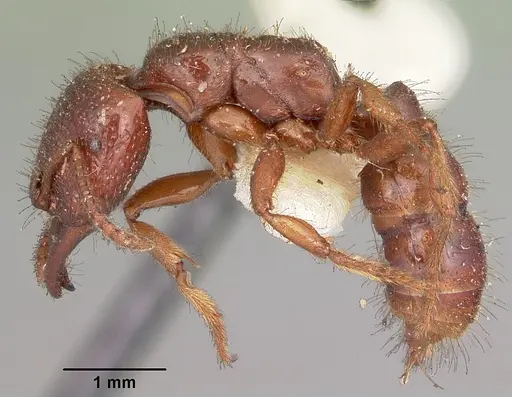
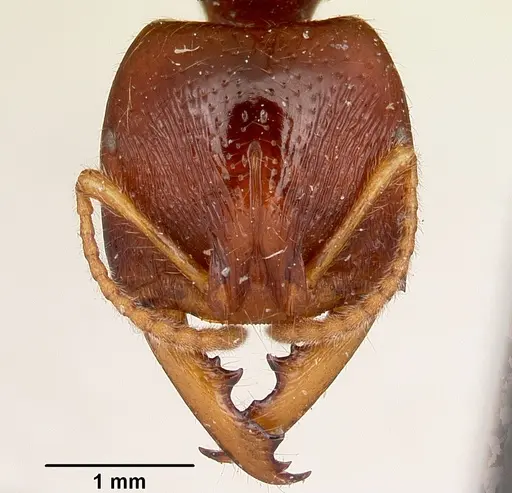
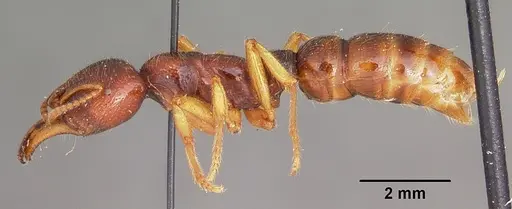
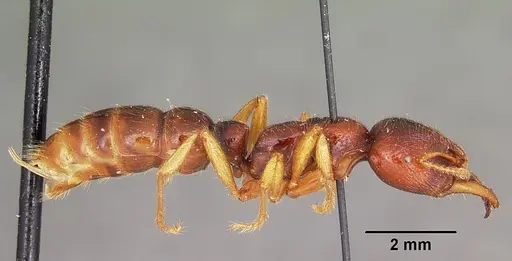
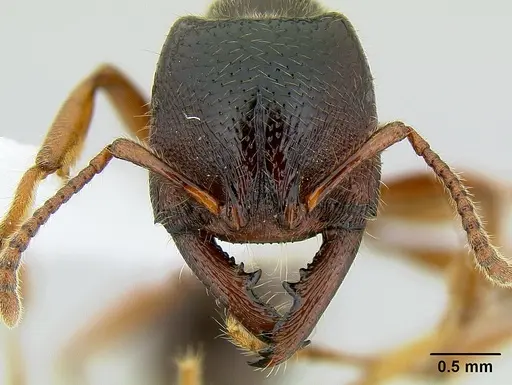
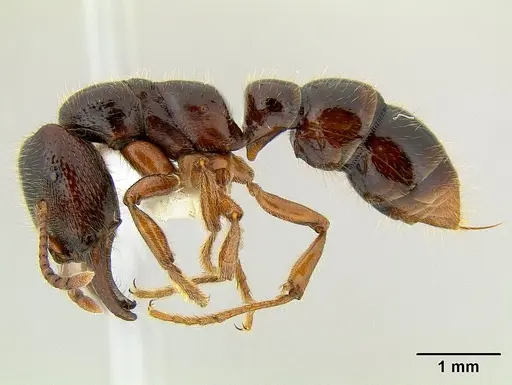
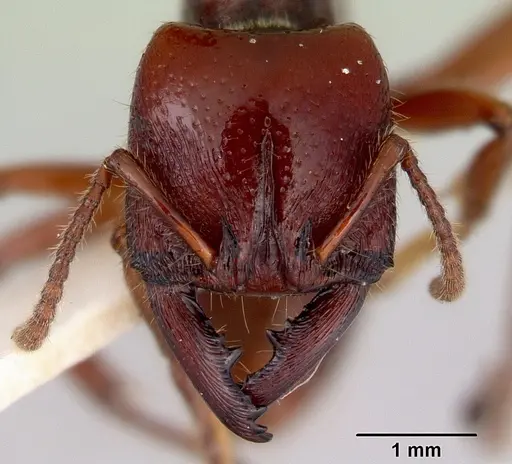
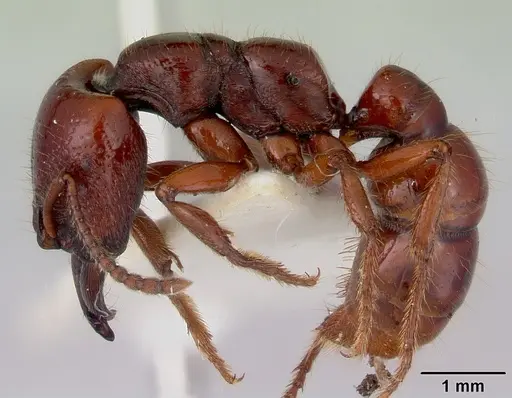
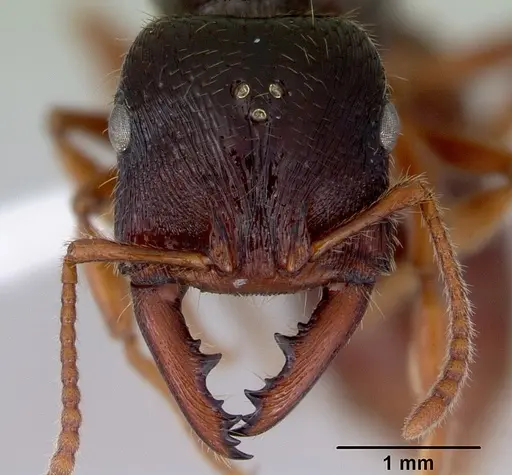
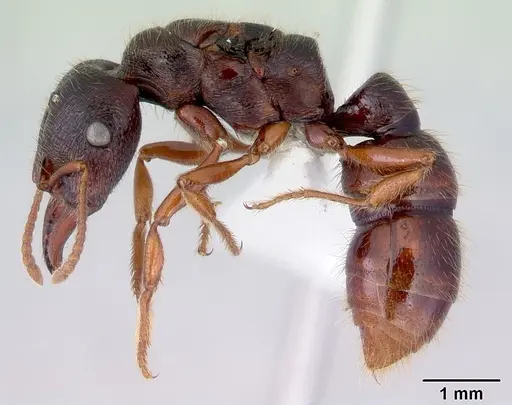
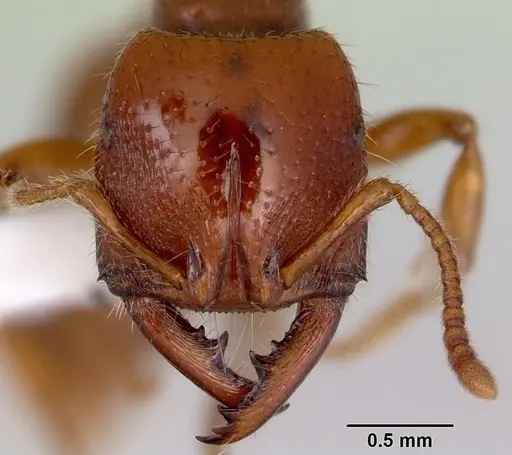
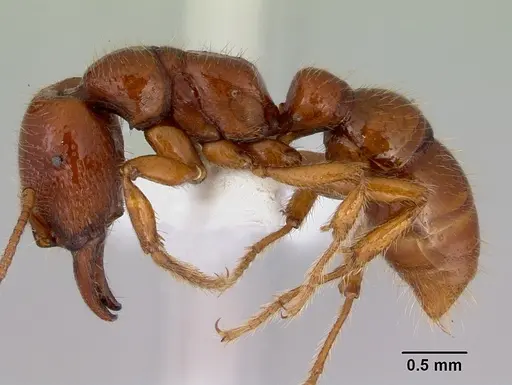
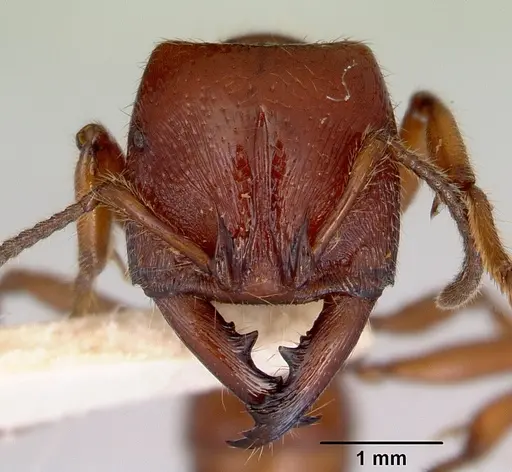
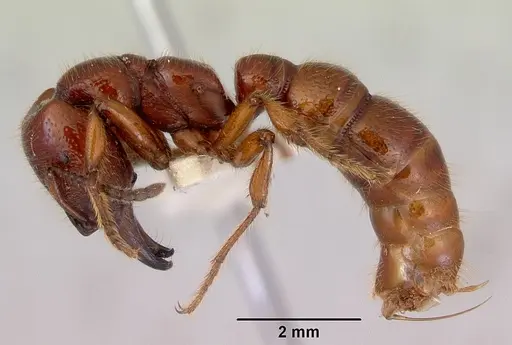
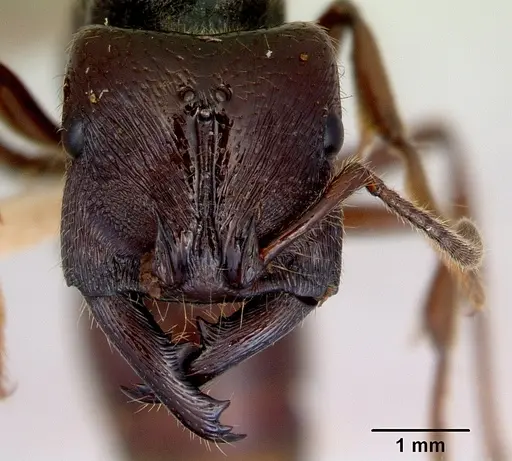
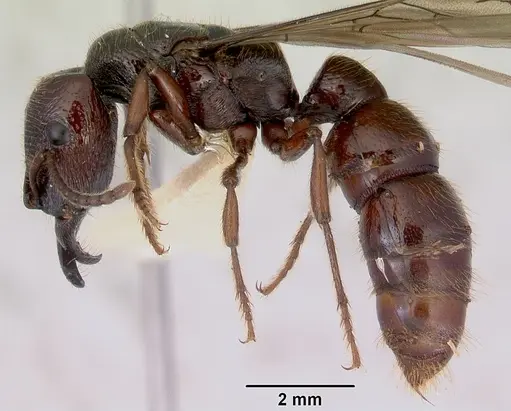
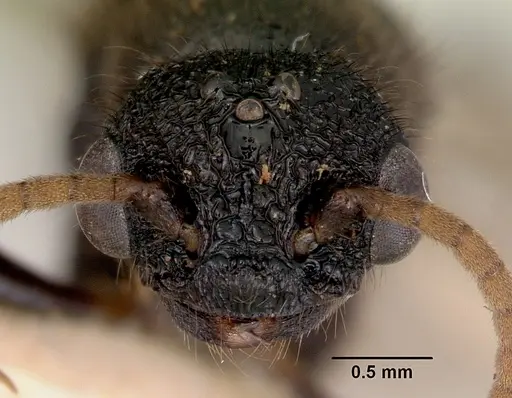
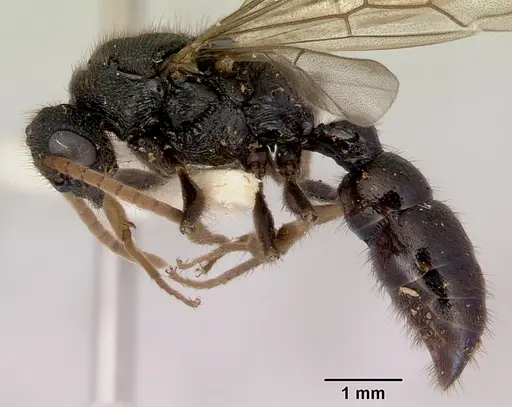
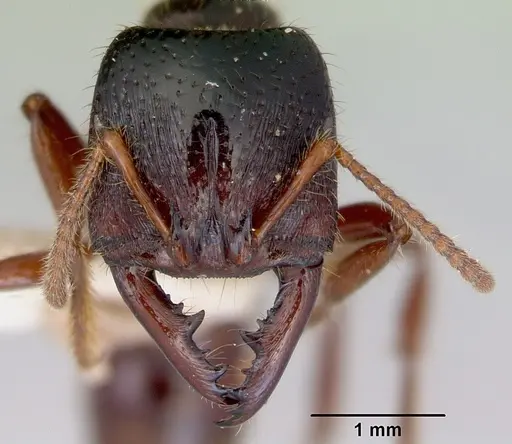
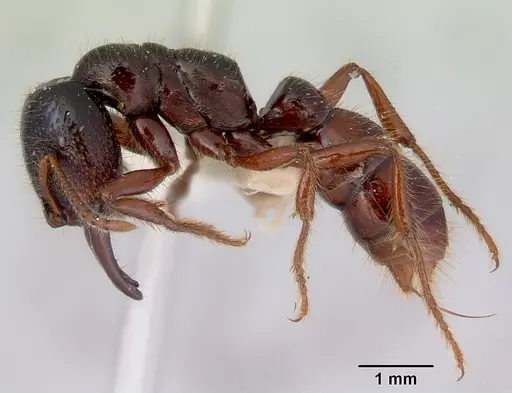
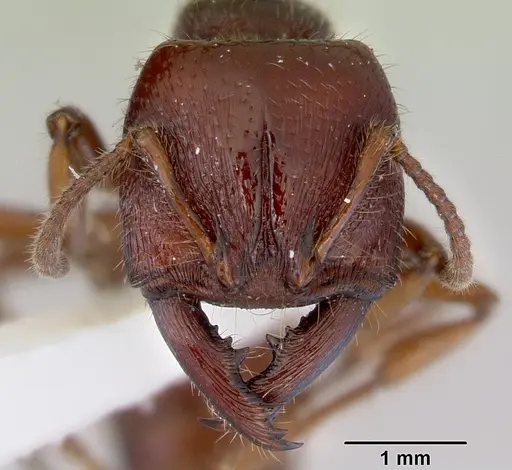
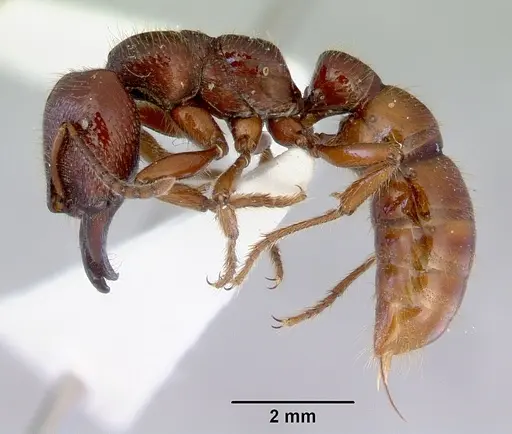
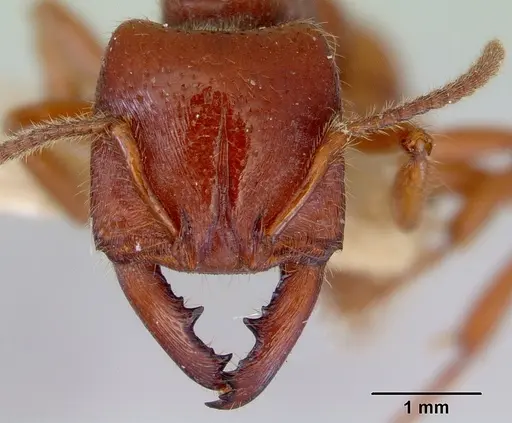
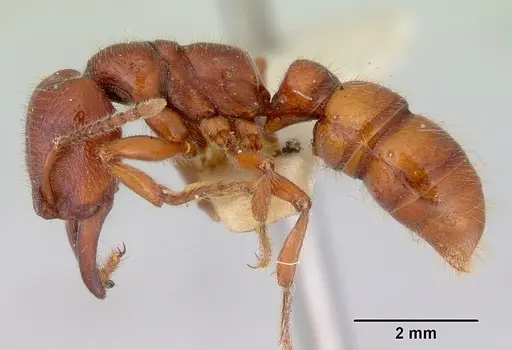
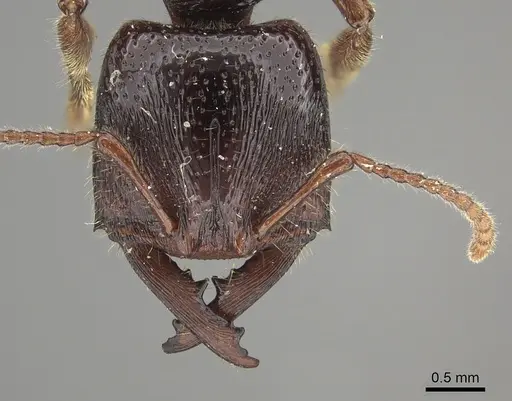
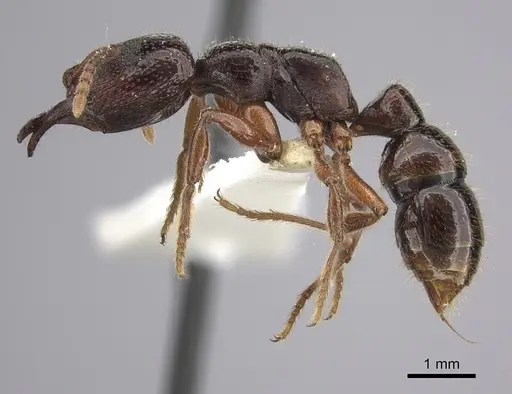
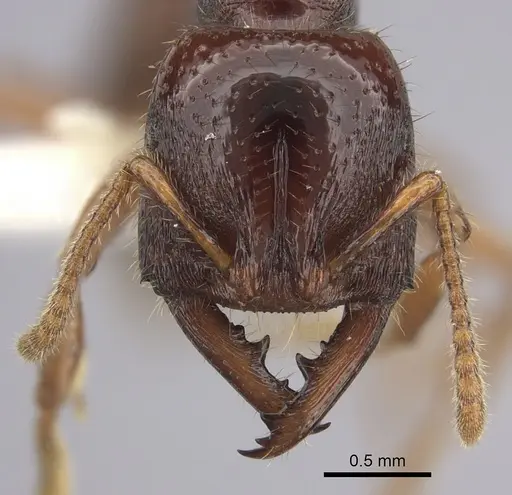
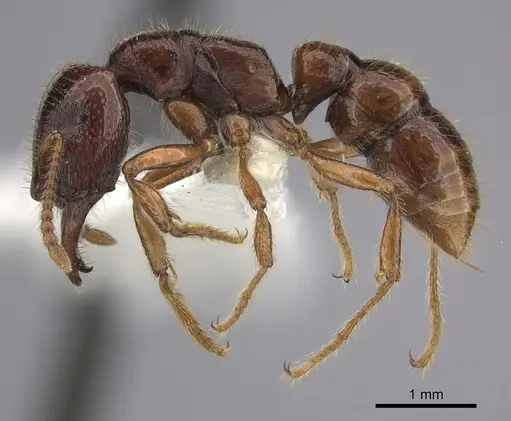
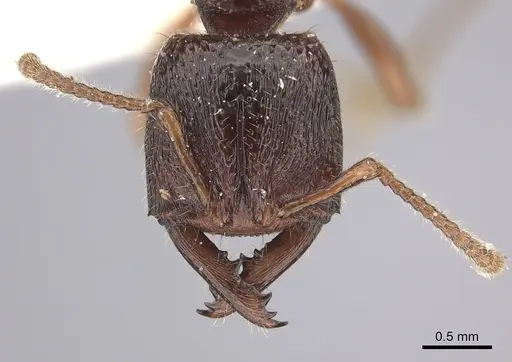
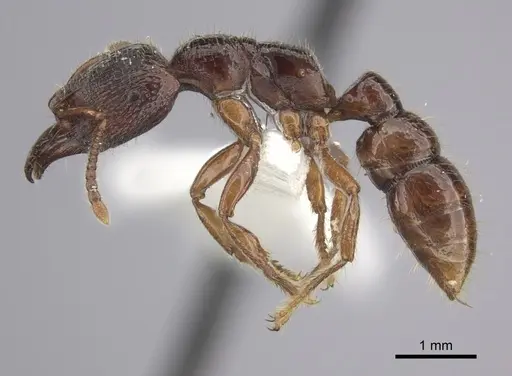
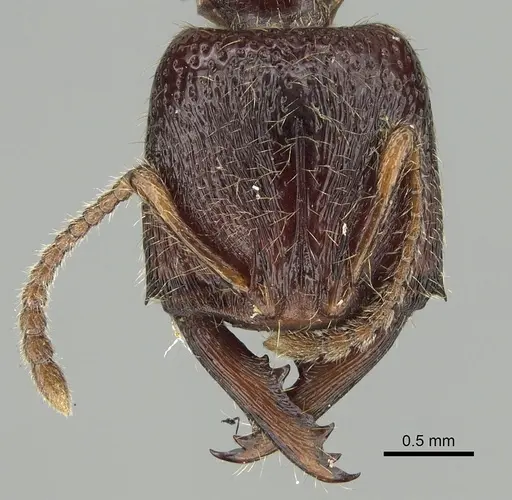
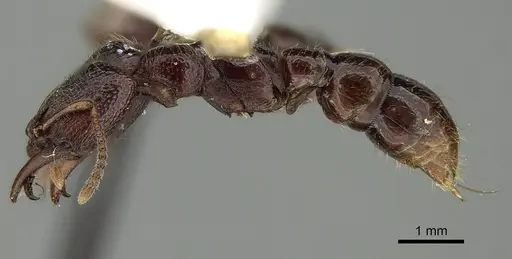
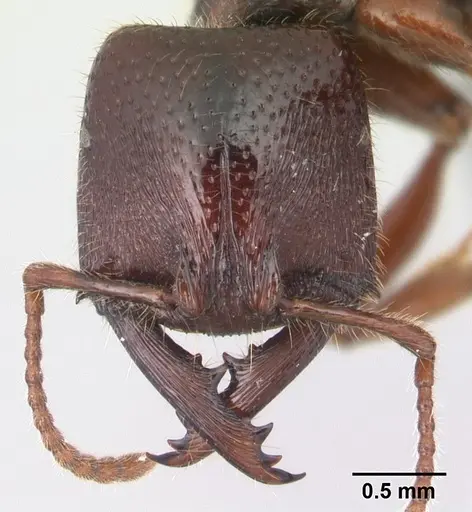
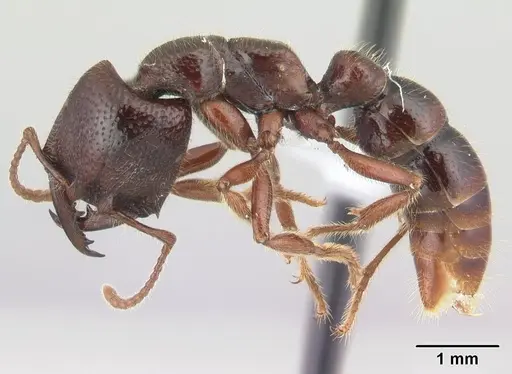
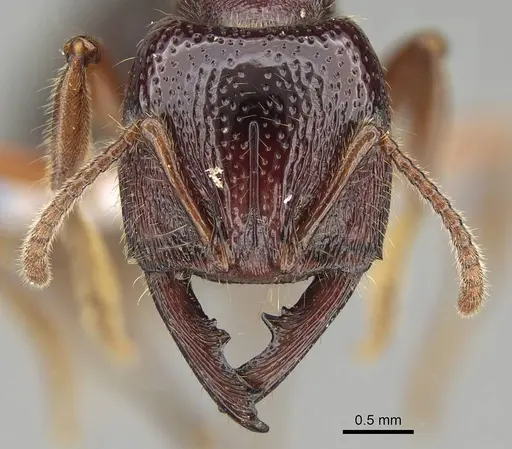
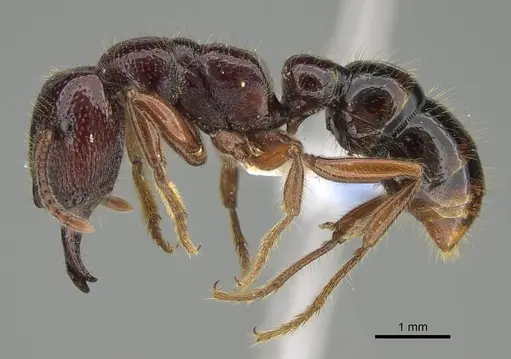
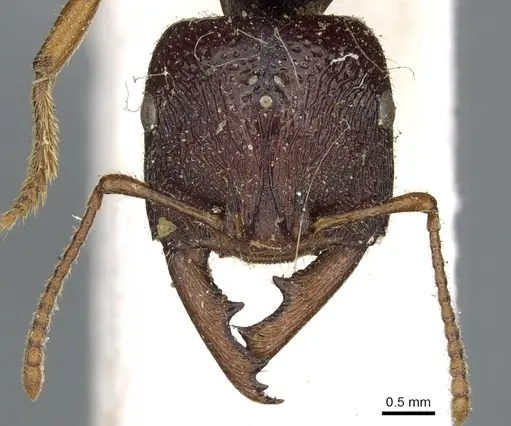
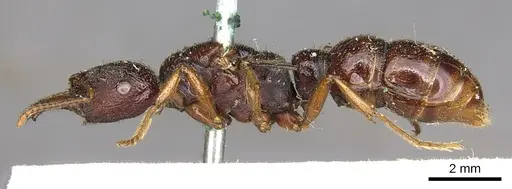
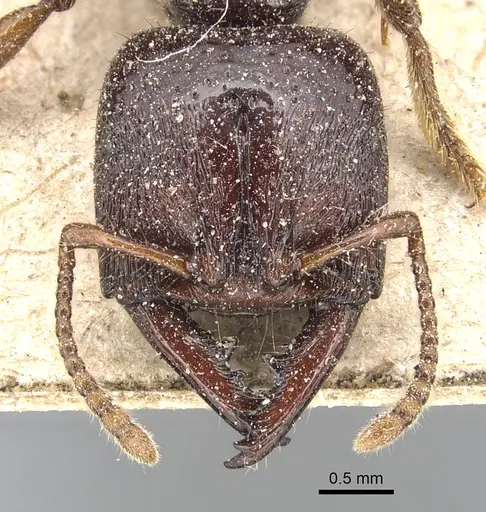
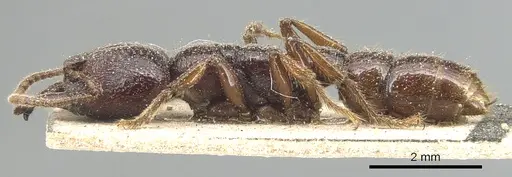
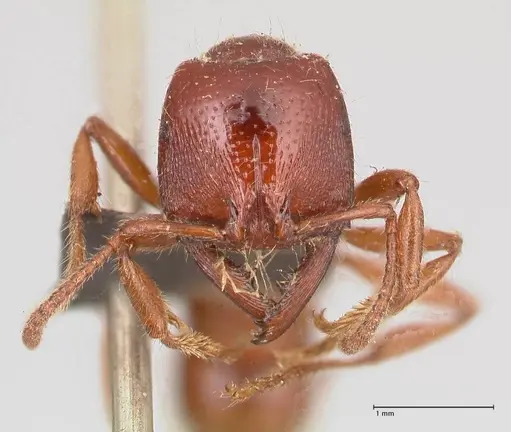
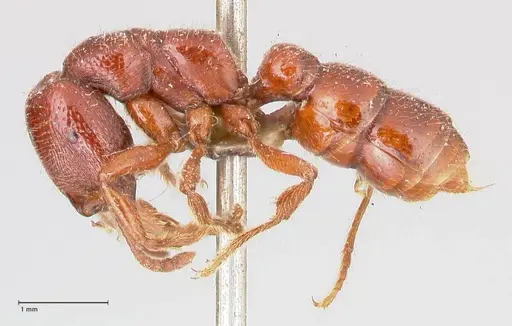
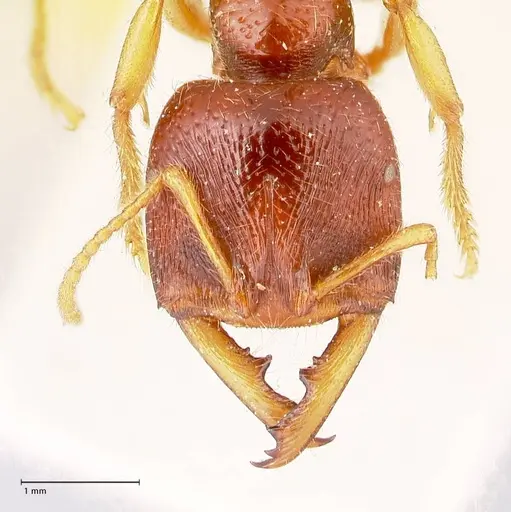
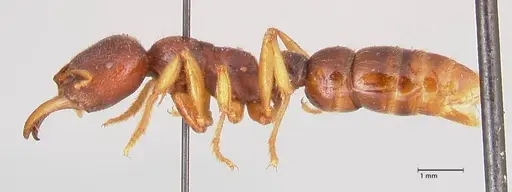
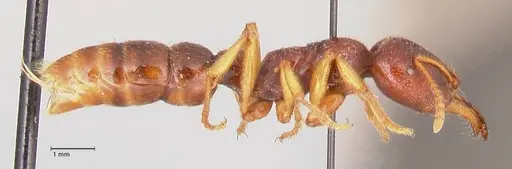
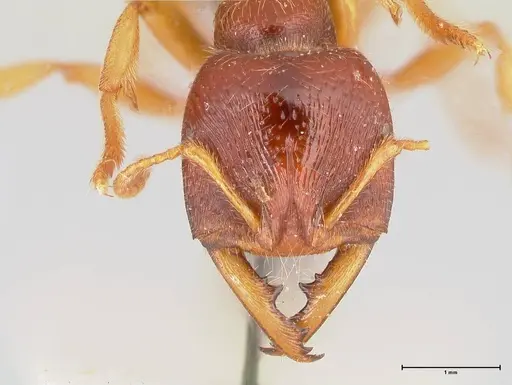
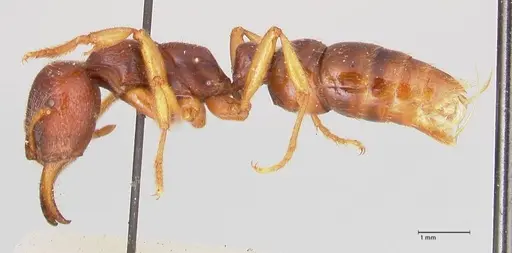
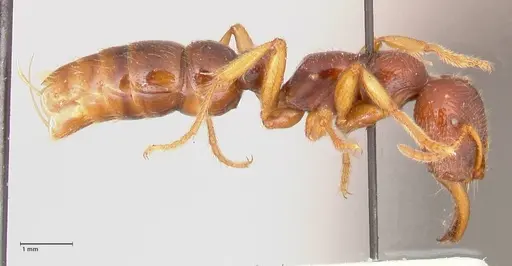
Amblyopone australis is a medium-to-large ant native to Australia, easily recognized by its highly variable worker sizes, some workers have heads nearly twice as wide as others in the same colony [1]. Workers measure around 6-7mm in length and possess distinctive mandibles with a double-tooth arrangement, while queens are substantially bulkier with thoraxes nearly four times the volume of worker thoraxes [1][2]. The species inhabits moist forests across Australia, Tasmania, and various Pacific islands, nesting primarily in rotting logs and under rocks in damp, shaded locations [3][4]. Unlike many common pet ants, these are semi-claustral founders where the queen must leave her nest to hunt for food, and colonies grow slowly with only one brood cycle per year [1][5][6].
Quick Summary
- Difficulty: Expert
- Origin & Habitat: Moist forests and rotting wood across Australia (Tasmania, Western Australia, Queensland, New South Wales, ACT), New Caledonia, New Guinea, Solomon Islands, and introduced to New Zealand [3][7][4]. Found from sea level to 1200m elevation, with higher abundance in cooler, wetter highland forests [3].
- Colony Type: Single-queen colonies, though two queens have been observed founding together in the same pocket, semi-claustral founding (queen must forage during founding) [1][5].
- Colony: Monogyne
- Founding: Semi-claustral, Pleometrosis
- Size & Growth:
- Queen: Significantly larger than workers, thorax volume approximately 3.8 times that of workers, head width roughly 1.24 times worker size [1].
- Worker: Approximately 6-7mm body length (3 lines), head width 1.72mm on average, with high size variation (polymorphism) ranging from 1.25 to 1.70mm head width [1][2].
- Colony: Up to 2000 workers, though typically tens to hundreds [7].
- Growth: Slow (univoltine, one brood cycle per year) [6].
- Development: Unconfirmed, likely 6-12 months or longer based on univoltine annual cycle [6]. (Development is extremely slow, expect only one generation of workers per year. Nanitics (first workers) may emerge slightly faster but still follow the annual cycle.)
- Antkeeping:
- Temperature: 18-22°C (cool to moderate). Found across wide elevation range with preference for cooler, moist conditions, avoid high heat [3][7].
- Humidity: High humidity required, nest substrate should remain consistently moist, mimicking rotting wood conditions [3][8].
- Diapause: Likely required based on univoltine cycle and temperate distribution, timing unconfirmed [6].
- Nesting: Naturalistic setups with rotting wood or tight-chambered plaster nests, prefers diffuse, scattered small chambers rather than open spaces [1][8].
- Behavior: Cryptic and solitary foraging, workers forage alone rather than in groups and use short-term trails marked by footprint glands on their hindlegs [8][9][10]. Workers show pronounced size polymorphism without distinct subcastes, with larger individuals having disproportionately large heads suited for digging in wood [1]. Generally not aggressive [10].
- Common Issues: queen starvation during founding, semi-claustral queens must be fed live prey regularly or they will die., mold outbreaks from high humidity requirements combined with rotting wood substrate., impatience due to extremely slow growth (one brood cycle per year)., difficulty providing appropriate small, soft-bodied live prey consistently., test tube flooding, if using test tubes for founding, ensure water reservoirs are small to prevent drowning during the long founding period.
Queen Ant Activity Analysis 152 observations
Queen Activity by Hour 152 observations
Amblyopone australis queen activity peaks around 15:00 during the afternoon. Activity is spread across a 13-hour window (09:00–21:00). A secondary activity peak occurs around 12:00. Times may be influenced by human observation patterns.
Nest Preferences
In nature, Amblyopone australis nests in rotting logs above ground, creating diffuse colonies with many small pockets of workers and brood scattered throughout the wood rather than a single central chamber [1][8]. They are also found under rocks in moist, shaded areas [4]. For captive colonies, replicate these conditions with a naturalistic setup containing partially decayed wood or a plaster nest with multiple small, tight chambers connected by narrow passages. The substrate must stay consistently damp but not waterlogged. Because they prefer scattered nest sites, avoid open spaces or single large chambers, instead provide several smaller hiding spots.
Feeding and Diet
These ants are predators of soft-bodied arthropods [3]. In the wild, they forage solitarily for small prey, dead insects, rotting fruit, and possibly nectar [8]. For captive colonies, provide small live prey such as fruit flies, springtails, and tiny crickets. The queen requires live food during the founding stage since she cannot survive on stored reserves alone [1][5]. Offer sugar water or honey as a carbohydrate source, though they may accept it less readily than protein. Remove uneaten prey quickly to prevent mold in the humid environment they require.
Temperature and Care
Keep colonies at 18-22°C with a gentle gradient if possible. While found across a wide elevation range from 200m to 1200m, they show higher abundance in cooler, wetter highland forests [3]. In Western Australia, they are most common in the Darling Range and near the south coast, suggesting preference for temperate, moist conditions [4]. Heating cables can be used on one side of the nest to create a gradient, but avoid overheating. Given their univoltine (annual) brood cycle and temperate distribution, they likely require a winter cooling period or diapause, though specific timing is unconfirmed [6].
Behavior and Temperament
Workers exhibit pronounced size polymorphism, some have heads nearly twice as wide as others, but this forms a continuous range without distinct subcastes [1]. Larger workers have disproportionately large heads and shorter mandibles relative to their size, likely adaptations for digging galleries in rotten wood [1]. They are cryptic ants that forage solitarily rather than in groups [10][8]. Foragers mark short-term trails using secretions from footprint glands located on the hindlegs [9][11]. They are not considered aggressive and lack the mass recruitment behavior seen in many other ants.
Colony Founding and Growth
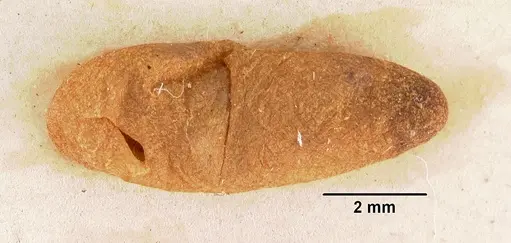
Founding is semi-claustral, meaning the queen must leave her nest to hunt for food during the founding period rather than living off stored body fat [5][1]. This makes founding high-risk in captivity, you must provide small, soft-bodied prey regularly or the queen will starve. Colonies grow extremely slowly due to their univoltine biology, they produce only one brood cycle per year, similar to Myrmecia gulosa [6]. A documented colony contained 78 workers,2 dealate queens,6 cocoons, and 417 larvae of various sizes, suggesting continuous but slow brood production scattered throughout the nest [1]. Both queens and workers possess eight ovarioles [1].
Frequently Asked Questions
Can I keep Amblyopone australis in a test tube?
Yes, but you must feed the queen regularly. Unlike claustral species, Amblyopone australis queens are semi-claustral and must hunt for food during founding. Provide small live prey like fruit flies or springtails weekly.
How long until Amblyopone australis get their first workers?
Expect several months to over a year. These ants have a univoltine (annual) brood cycle, meaning they typically produce only one generation of workers per year [6].
Do Amblyopone australis need hibernation?
Likely yes. Given their univoltine cycle and distribution across temperate regions of Australia including Tasmania, they probably require a winter cooling period or diapause, though specific timing has not been confirmed in captive studies [6].
What do Amblyopone australis eat?
They are predators of soft-bodied arthropods. Feed them small live prey such as fruit flies, springtails, and tiny crickets, along with sugar water or honey for carbohydrates [3][8].
Are Amblyopone australis good for beginners?
No. They are expert-level ants due to their semi-claustral founding (requiring feeding during the founding stage), high humidity requirements, need for live prey, and extremely slow growth rate (one brood cycle per year).
How big do Amblyopone australis colonies get?
Colonies can reach up to 2000 workers, though most contain tens to hundreds of workers [7].
Why is my founding Amblyopone australis queen dying?
The most likely cause is starvation. Semi-claustral queens must forage for food and cannot survive on stored reserves alone. Ensure you are providing small, soft-bodied live prey regularly [5][1].
Do Amblyopone australis ants sting?
They possess a functional sting and venom gland [12], but they are not aggressive and the sting is not considered medically significant to humans.
Can I keep multiple Amblyopone australis queens together?
Not recommended. While two queens have been found together in a single nest pocket in the wild [1], this may represent pleometrosis (founding together) rather than stable polygyny. Combining unrelated queens risks fighting and mortality.
What is the best nest type for Amblyopone australis?
Naturalistic setups with rotting wood or plaster nests with multiple small, tight chambers work best. They prefer diffuse nests with scattered small pockets rather than single large open spaces [1][8].
References

This caresheet is licensed under CC BY-SA 4.0 .
ANTWEB1008497
View on AntWeb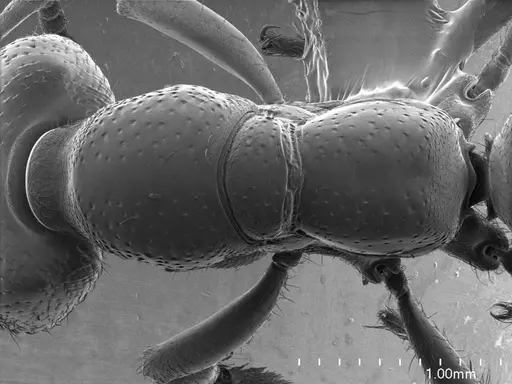
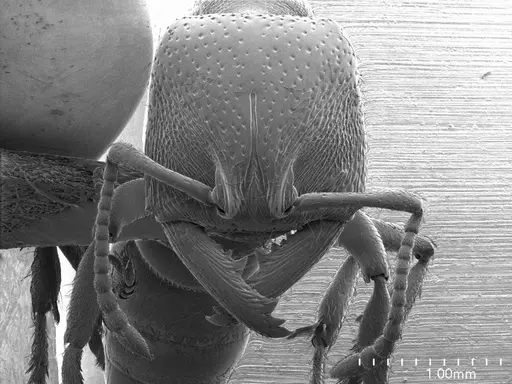
ANTWEB1032553
View on AntWeb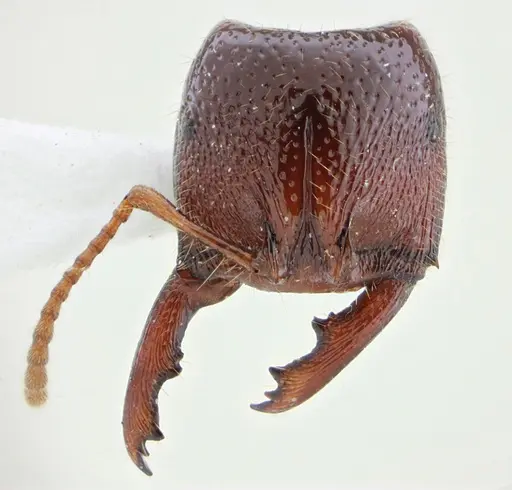
CASENT0100424
View on AntWeb
CASENT0102125
View on AntWeb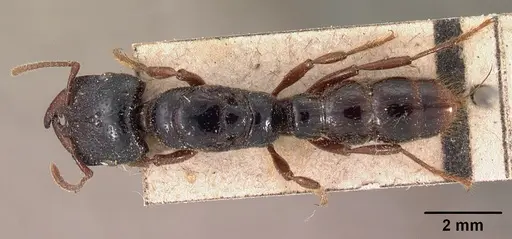
CASENT0102148
View on AntWeb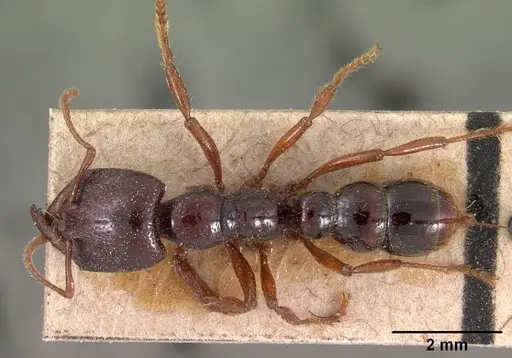
CASENT0102184
View on AntWeb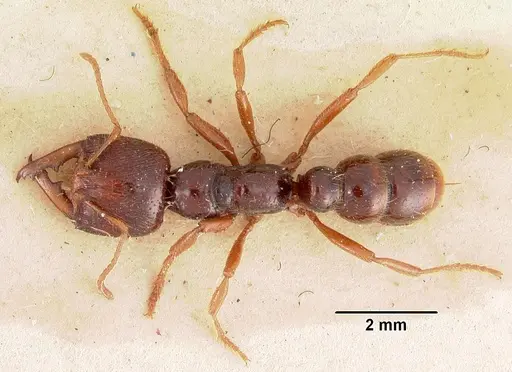
CASENT0102519
View on AntWeb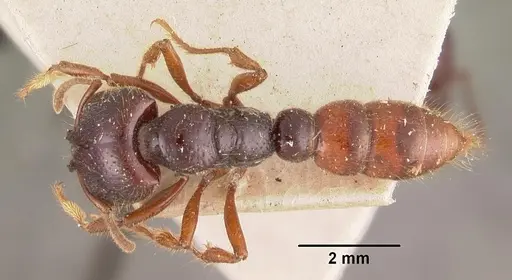
CASENT0102520
View on AntWeb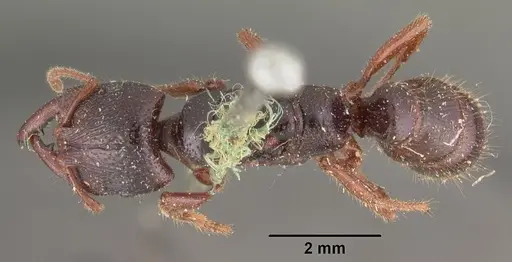
CASENT0104575
View on AntWeb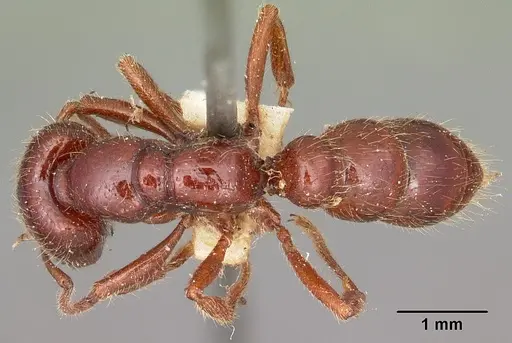
CASENT0104576
View on AntWeb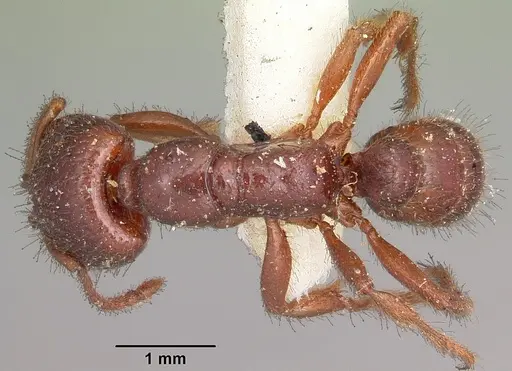
CASENT0104578
View on AntWeb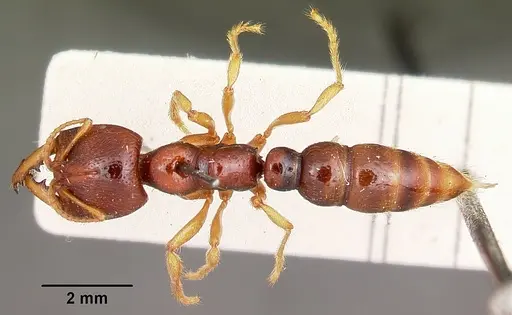
CASENT0106229
View on AntWeb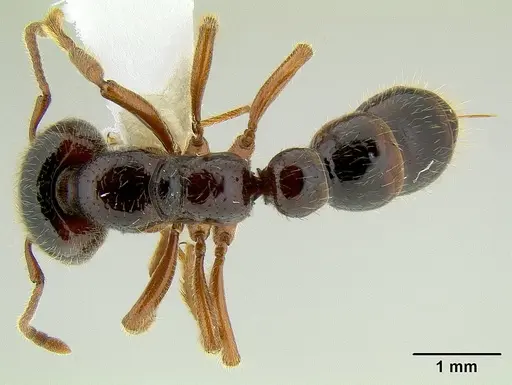
CASENT0172212
View on AntWeb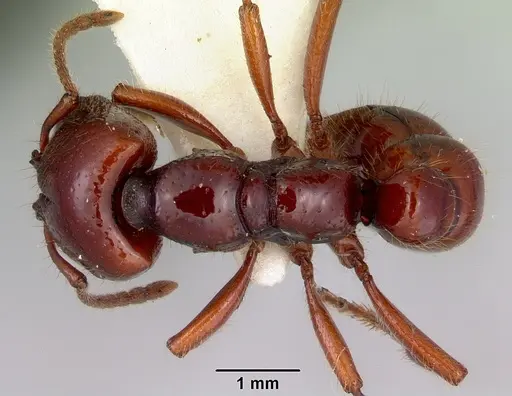
CASENT0172213
View on AntWeb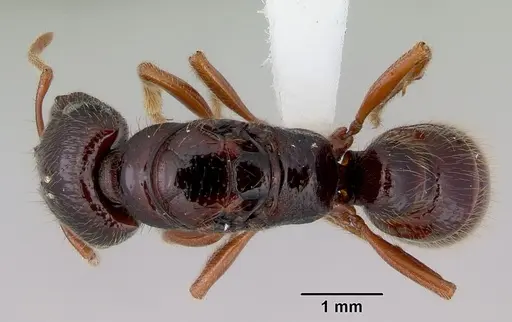
CASENT0172214
View on AntWeb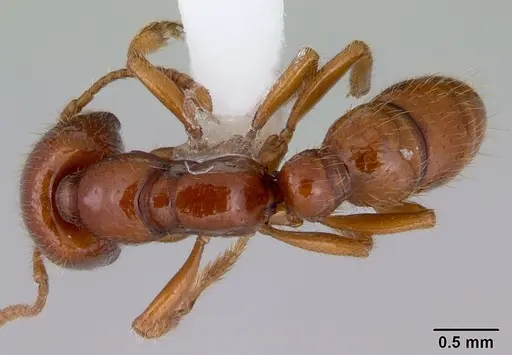
CASENT0172244
View on AntWeb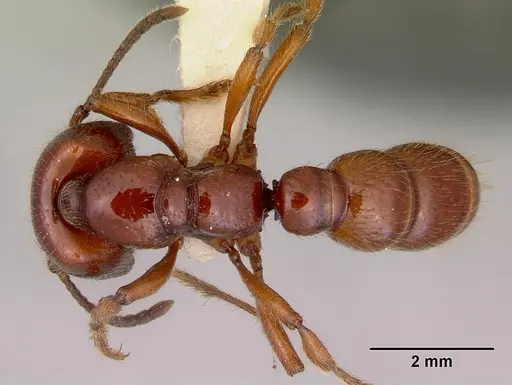
CASENT0172245
View on AntWeb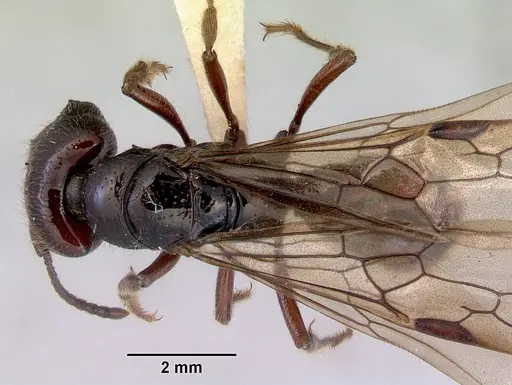
CASENT0172246
View on AntWeb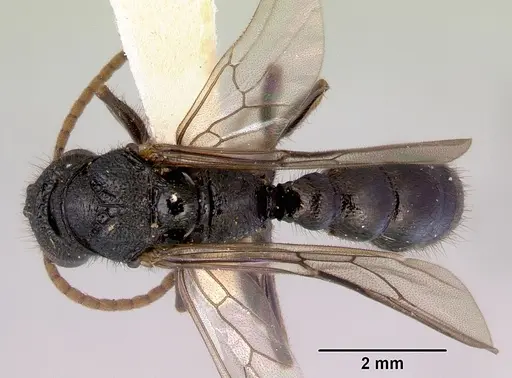
CASENT0172266
View on AntWeb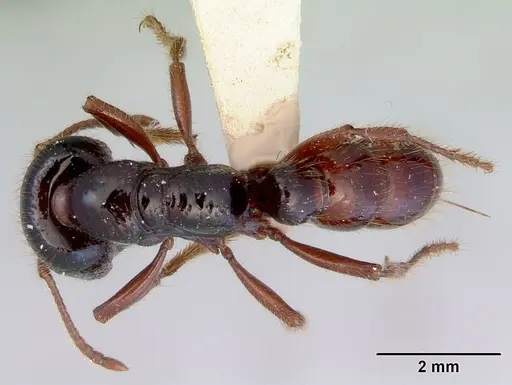
CASENT0172267
View on AntWeb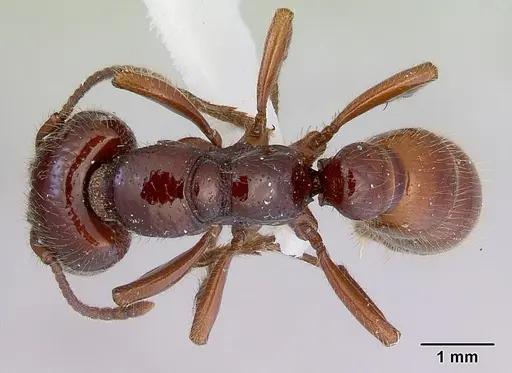
CASENT0172268
View on AntWeb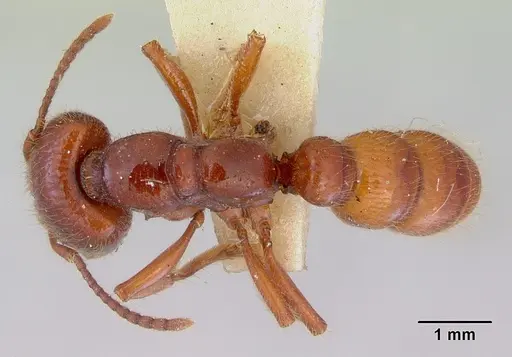
CASENT0260443
View on AntWeb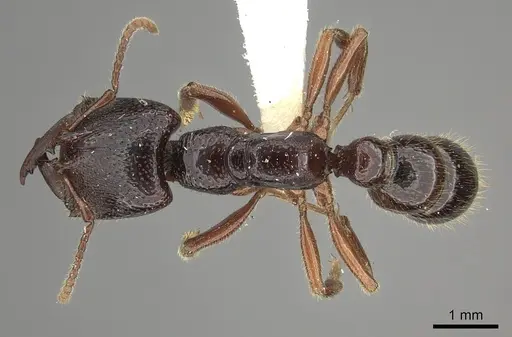
CASENT0260444
View on AntWeb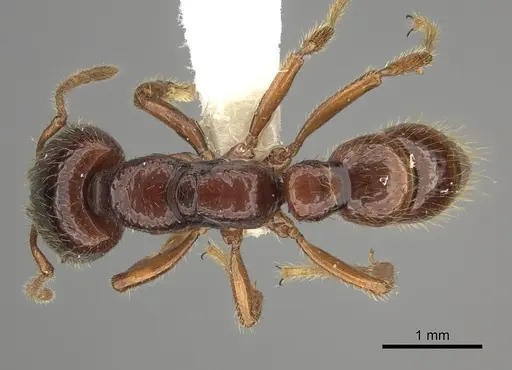
CASENT0260445
View on AntWeb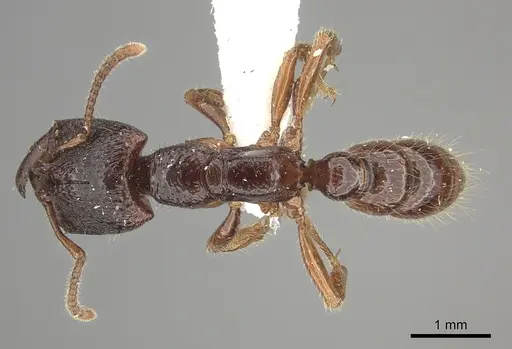
CASENT0280654
View on AntWeb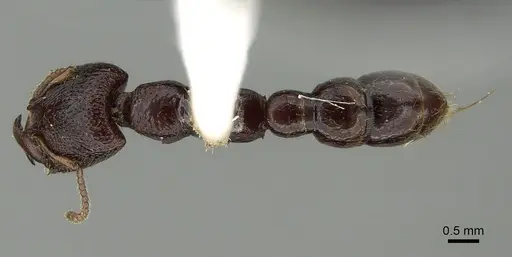
CASENT0434465
View on AntWeb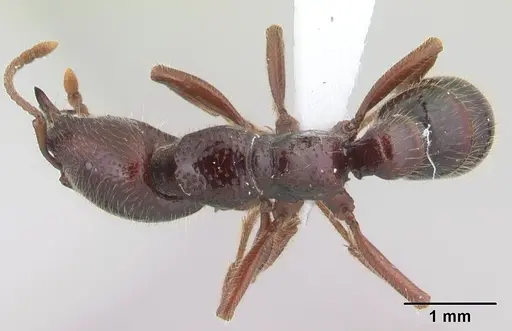
CASENT0746790
View on AntWeb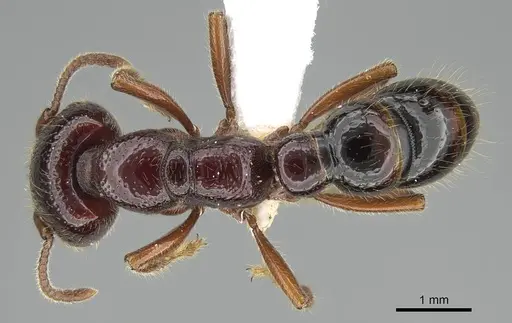
CASENT0902632
View on AntWeb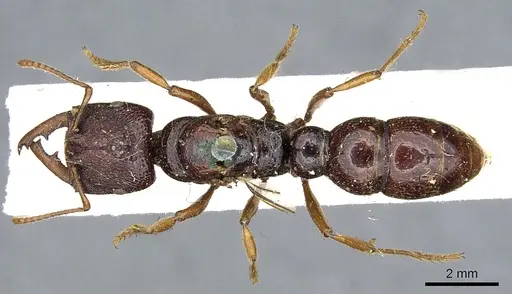
CASENT0903793
View on AntWeb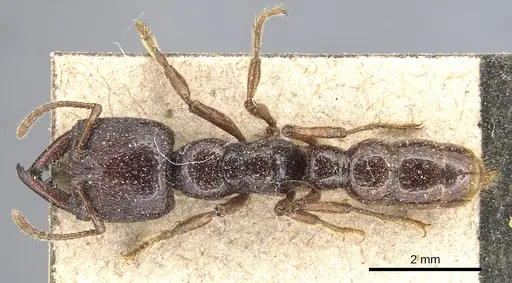
FOCOL0832
View on AntWeb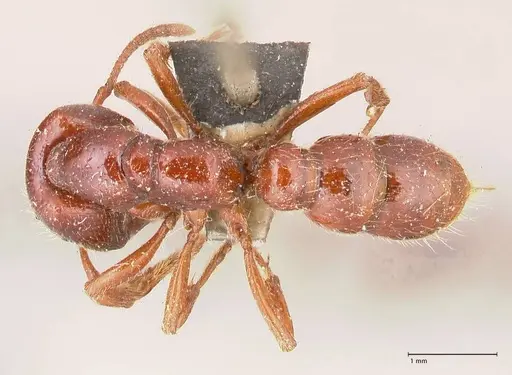
FOCOL0833
View on AntWeb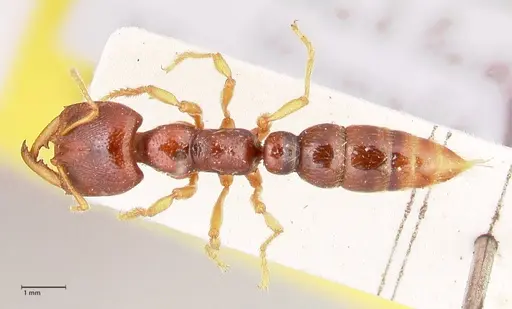
FOCOL0834
View on AntWeb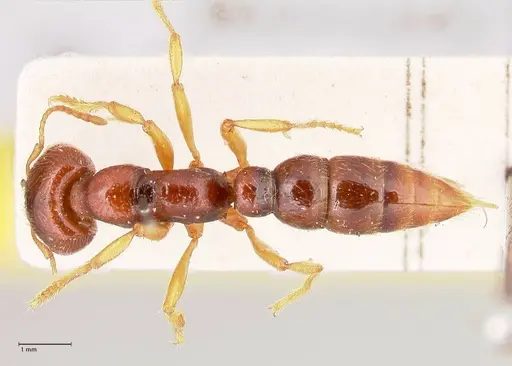
Literature
Loading...Loading products...