

Aenictus sulawesiensis
- Scientific Name
- Aenictus sulawesiensis
- Subfamily
- Dorylinae
- Author
- Jaitrong & Wiwatwitaya, 2013
- Distribution
- Found in 1 countries
Aenictus sulawesiensis Overview
Aenictus sulawesiensis is an ant species of the genus Aenictus. It is primarily documented in 1 countries , including Indonesia. Detailed taxonomic data and occurrence records can be further explored via authoritative databases such as AntWeb or the Global Biodiversity Information Facility (GBIF).
Aenictus sulawesiensis
Aenictus sulawesiensis are tiny army ants from the tropical forests of Sulawesi, Indonesia. Workers measure just 3.25-3.30 mm with dark brown heads and bodies, reddish-brown legs, and dense standing hairs covering their bodies [1]. They belong to the army ant subfamily Dorylinae and the Aenictus pachycerus species group [2]. So far, scientists have only found 68 workers from a single forest location in southern Sulawesi, and no queens have been described [1]. Like other Aenictus army ants, they likely live in massive colonies with specialized wingless queens, roaming the forest floor in raids to hunt other insects. This nomadic lifestyle makes them extremely challenging, effectively impossible, to keep in standard ant setups.
Quick Summary
- Difficulty: Expert
- Origin & Habitat: Tropical forest in southern Sulawesi, Indonesia (Forest Complex Coppo, Barru) [1][2]
- Colony Type: Army ant structure, single massive colony with a specialized wingless queen (dichthadiiform), reproducing by colony fission. Only workers have been documented for this species [1].
- Colony: Monogyne
- Size & Growth:
- Queen: Unknown (dichthadiiform queens of related Aenictus species are typically 10-15 mm)
- Worker: 3.25-3.30 mm [1]
- Colony: Likely tens of thousands to hundreds of thousands based on genus patterns
- Growth: Fast
- Development: Unknown (Army ants reproduce by colony fission rather than single-queen founding. Development is likely rapid (weeks) based on tropical army ant biology, but unconfirmed for this species.)
- Antkeeping:
- Temperature: 24-28°C, stable tropical warmth without fluctuations
- Humidity: High humidity 70-80%, with moist substrate mimicking forest floor leaf litter
- Diapause: No, tropical species
- Nesting: No permanent nest required, they form temporary bivouacs (living structures made of linked worker bodies). Standard formicaria and test tubes are unsuitable.
- Behavior: Highly aggressive nomadic raiders. Workers forage in groups and attack prey en masse. Extremely high escape risk due to 3mm size and constant exploratory behavior [1].
- Common Issues: require massive enclosures (meters of space) impossible for most home setups due to nomadic raiding behavior., need constant supply of live ant or termite colonies as food, they do not accept sugar water or dead insects., escape through gaps smaller than 1mm requires extremely fine mesh and perfect sealing., colonies grow to unmanageable sizes of thousands or millions of workers., no queens are available to hobbyists, only workers have ever been collected., standard test tubes and formicaria cause colony stress and death.
The Reality of Keeping Army Ants
Aenictus sulawesiensis represents one of the most challenging groups in ant keeping. These are true army ants from the subfamily Dorylinae, known only from 68 worker specimens collected in a Sulawesi forest in 2011 [1]. Unlike ants you can keep in a test tube or formicarium, army ants require specialized care that borders on impossible for home keepers. They do not build permanent nests. Instead, they form bivouacs, temporary living structures created when workers link their bodies together to protect the queen and brood. They are also nomadic, meaning the entire colony moves regularly to new hunting grounds. This requires enclosures measured in meters, not centimeters, with continuous space for raiding columns to flow.
Housing Requirements
Forget standard ant farms. Aenictus sulawesiensis needs a massive raid arena, ideally several square meters, with a soil or leaf litter substrate to mimic their forest floor habitat [1]. The enclosure must maintain high humidity (70-80%) while providing ventilation to prevent mold. Most importantly, it must be absolutely escape-proof. At 3.25mm, workers squeeze through the tiniest gaps. You need mesh finer than 1mm and vaseline or fluon barriers on all vertical surfaces. They do not use nest chambers, they need dark areas where they can cluster into a bivouac. Many keepers who attempt army ants use large terrariums or modified aquariums, but even these often fail as the colony grows.
Feeding and Diet
These are obligate predators of other social insects. In the wild, Aenictus raid termite colonies and other ant nests. They do not accept honey, sugar water, fruit, or dead insects. In captivity, you must provide living prey, typically colonies of termites, small ants, or other insects they can overwhelm. This means maintaining multiple feeder colonies constantly, which is impractical for most keepers. While they might accept fruit flies or tiny crickets temporarily, they cannot survive long-term without the specific social insect prey they have evolved to hunt. This dietary specialization is the primary reason they fail in captivity. [2]
Temperature and Humidity
Coming from tropical Sulawesi, these ants need warm, stable conditions year-round. Keep them at 24-28°C without fluctuations. They do not hibernate or slow down for winter. Humidity should stay high at 70-80%, achieved by keeping the substrate moist but not waterlogged. Use a water tray or mist the enclosure regularly, but ensure ventilation prevents mold growth. A heating cable on one side of the enclosure creates a gradient, though army ants typically regulate bivouac temperature by changing their cluster density. [1]
Colony Structure and Reproduction
Only workers are known for this species, no queens or males have been described [1]. Based on other Aenictus species, colonies likely contain a single massive, wingless queen (dichthadiiform) who stays deep in the bivouac. These ants do not found new colonies via single queens flying out and starting alone. Instead, when colonies grow large enough, they reproduce by fission, splitting into two daughter colonies, each taking part of the workers and brood, with one getting the old queen and the other raising a new one. This means you cannot start a colony from a single queen, you need an entire established colony, which is unavailable in the hobby.
Frequently Asked Questions
Can I keep Aenictus sulawesiensis in a test tube?
No. Army ants do not fit in test tubes. They need massive enclosures with space to roam and form bivouacs. Test tubes will kill the colony.
How long until first workers for Aenictus sulawesiensis?
This question does not apply to army ants. They do not start from a single queen raising her first workers. They reproduce by splitting existing colonies (fission). You would need to start with an entire established colony.
Can I keep multiple Aenictus sulawesiensis queens together?
No. Army ants typically have one queen per colony. Additionally, queens are wingless, underground, and have never been collected for this species, only workers are known [1].
What do Aenictus sulawesiensis eat?
They are specialized predators of other social insects, primarily termites and other ants. They require living prey colonies and do not accept sugar water or dead insects.
Do Aenictus sulawesiensis need hibernation?
No. They are tropical ants from Sulawesi and need warm temperatures year-round. They do not hibernate.
Are Aenictus sulawesiensis good for beginners?
Absolutely not. They are expert-level at minimum, effectively unkeepable for most hobbyists due to their space requirements, specialized diet, and colony size.
Why are my Aenictus sulawesiensis dying?
Likely due to inappropriate housing (too small), lack of proper live prey (other ants/termites), or escape attempts causing stress. These ants are extremely difficult to maintain alive in captivity.
How big do Aenictus sulawesiensis colonies get?
Unknown specifically, but based on other Aenictus species, likely tens of thousands to hundreds of thousands of workers.
Where can I buy Aenictus sulawesiensis?
You cannot. They are known only from the type locality in Sulawesi with 68 specimens collected in 2011 [1]. They are not available in the ant trade and should not be collected from the wild.
References

This caresheet is licensed under CC BY-SA 4.0 .
CASENT0917242
View on AntWeb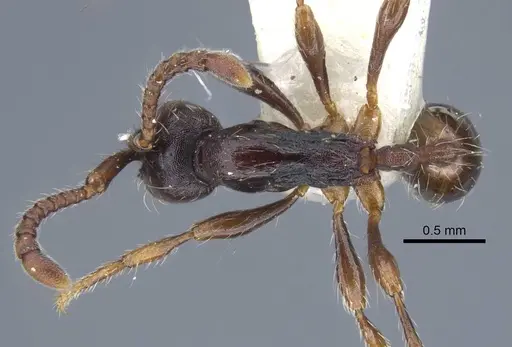
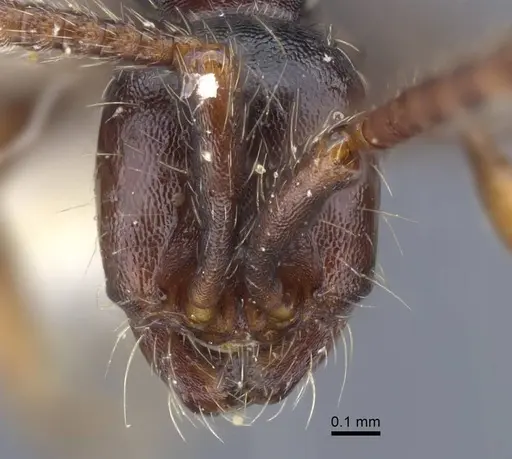
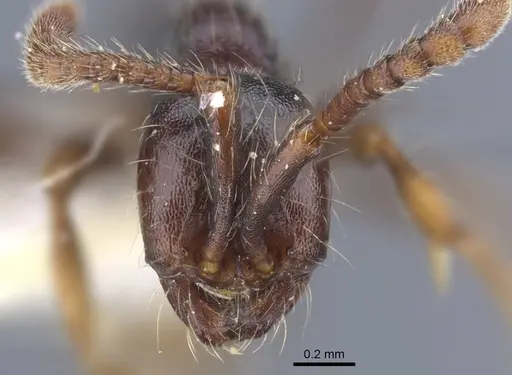
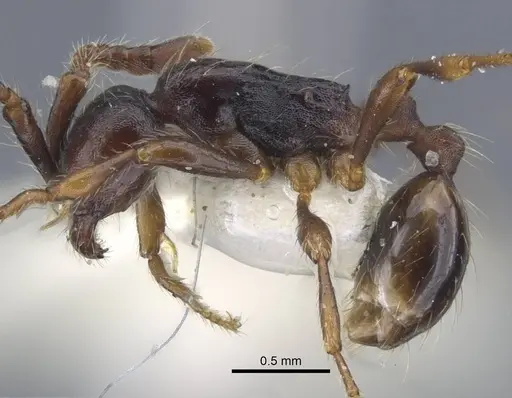
Literature
Loading...Loading products...