

Adlerzia froggatti
- Scientific Name
- Adlerzia froggatti
- Tribe
- Crematogastrini
- Subfamily
- Myrmicinae
- Author
- Forel, 1902
- Distribution
- Found in 1 countries
Adlerzia froggatti Overview
Adlerzia froggatti is an ant species of the genus Adlerzia. It is primarily documented in 1 countries , including Australia. Detailed taxonomic data and occurrence records can be further explored via authoritative databases such as AntWeb or the Global Biodiversity Information Facility (GBIF).
Adlerzia froggatti
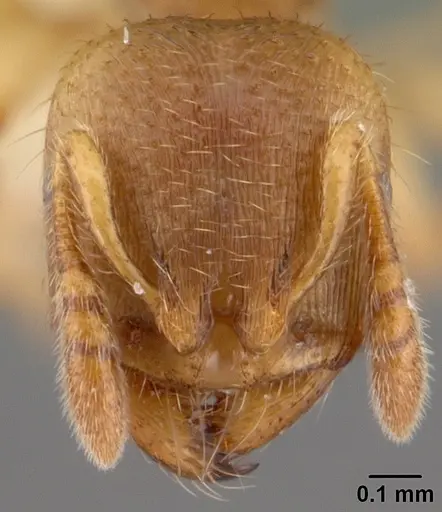
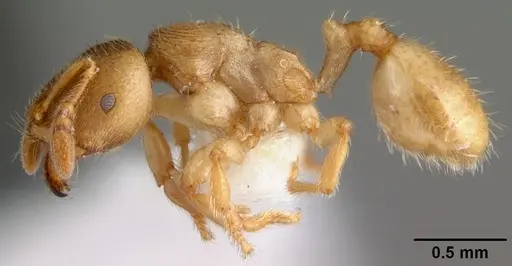
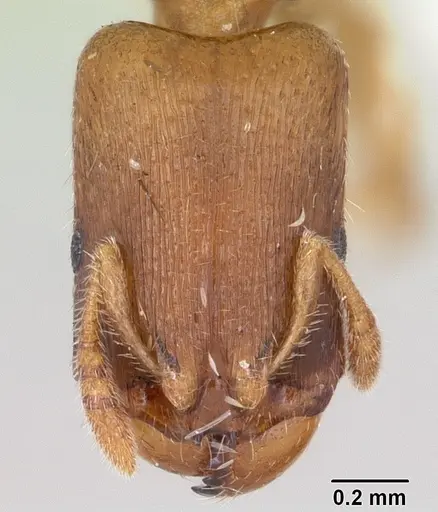
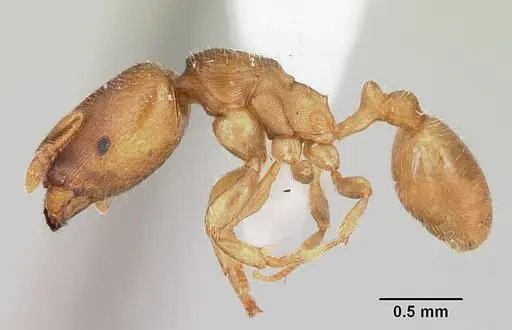
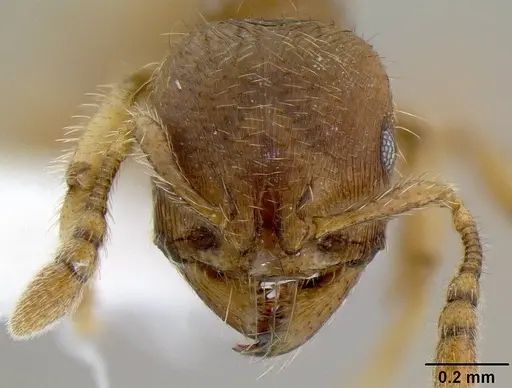
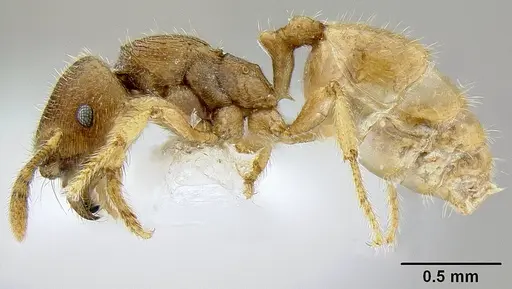
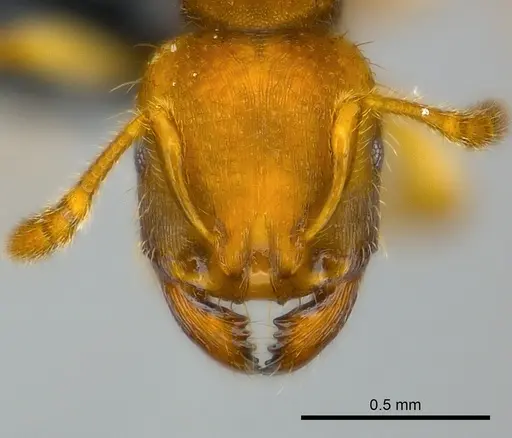
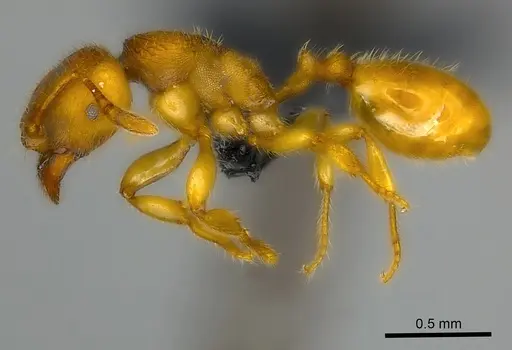
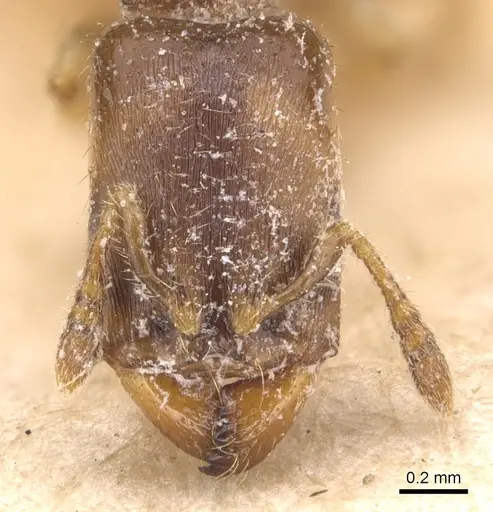
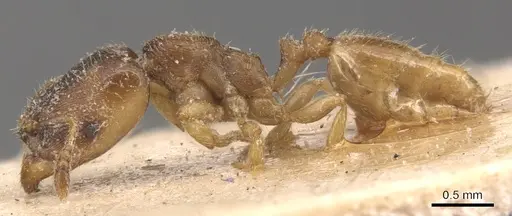
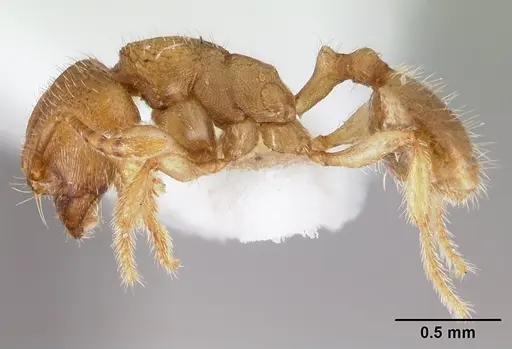
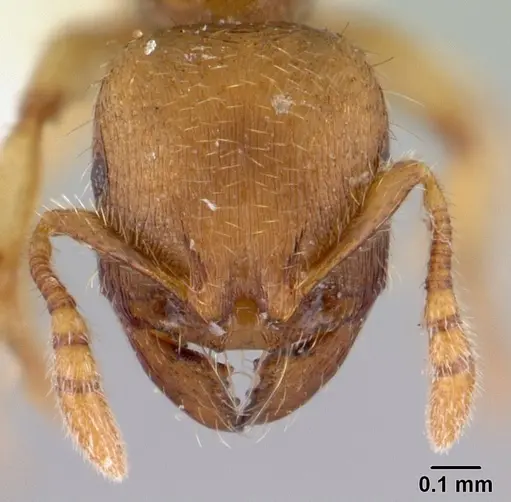
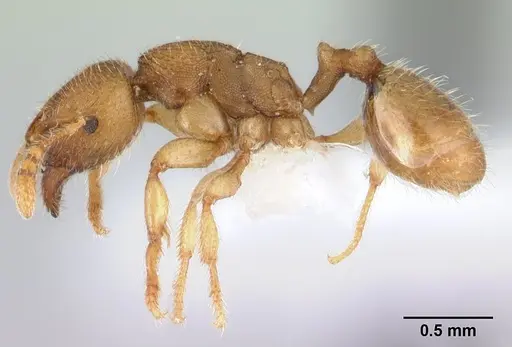
Adlerzia froggatti is a small to medium-sized Australian ant belonging to the Myrmicinae subfamily. Workers are dimorphic, meaning they come in two distinct sizes: large-headed major workers around 3.8mm and smaller minor workers around 2.6-3mm, with no intermediate forms between them [1]. The antennae have 11 segments, and the clypeus (the face area above the mandibles) has distinctive paired ridges that help identify this species. They are most likely to be confused with Pheidole ants because of their similar size and the presence of major workers, but A. froggatti can be separated by their 11-segmented antennae and the bicarinate (two-ridged) clypeus [1]. This species has a wide distribution across southern Australia, including Victoria, New South Wales, and Western Australia, where it has been recorded in the Perth metropolitan area, Westonia in the goldfields, and Rottnest Island [2]. They inhabit wet and dry sclerophyll forests and Eucalypt woodland, nesting under stones or directly in soil [1].
Quick Summary
- Difficulty: Unknown
- Origin & Habitat: Southern Australia including Victoria, NSW, and Western Australia. Found in wet and dry sclerophyll habitats and Eucalypt forest [1][2].
- Colony Type: Colony structure is unconfirmed, the biology of this species has been scarcely studied [2]. Workers are dimorphic with major and minor castes, but whether colonies have single or multiple queens is unknown.
- Size & Growth:
- Queen: Undescribed in available literature, queen size is unknown
- Worker: Minor workers: 2.6-3mm. Major workers: 3.8mm [1]
- Colony: Unknown, this species is infrequently encountered and colony size data is not available
- Growth: Unknown
- Development: Unknown, development has not been studied for this species (Based on typical Australian Myrmicinae patterns, expect development to take several months at optimal temperature)
- Antkeeping:
- Temperature: Based on southern Australian distribution, likely comfortable at room temperature (20-24°C). No specific studies exist, so start around 22°C and observe colony activity.
- Humidity: Found in both wet and dry sclerophyll habitats, suggesting moderate humidity tolerance. Keep nest substrate moderately moist but not waterlogged.
- Diapause: Unknown, southern Australian species may experience reduced activity in cooler months but true diapause requirements have not been studied
- Nesting: In nature they nest under stones and in soil without coverings [1]. A naturalistic setup with soil or a Y-tong/plaster nest with some干燥 areas would likely work well. Avoid overly humid, sealed environments.
- Behavior: The presence of large-headed major workers suggests these ants may include seeds or hard plant material in their diet, similar to Pheidole species [2]. They persist during invasive ant (Linepithema humile) invasions in Perth, indicating some competitive ability [3]. Temperament and aggression levels are unstudied. Escape risk is moderate given their 3-4mm size, standard barriers should suffice.
- Common Issues: biology is scarcely studied, limited guidance available for captive care, colony size and development timeline unknown, making growth expectations unclear, wild-caught colonies may be stressed from relocation and have low survival rates, founding behavior unconfirmed, how queens establish colonies is unknown, infrequently encountered species means captive breeding experience is minimal
Identification and Distinction from Similar Ants
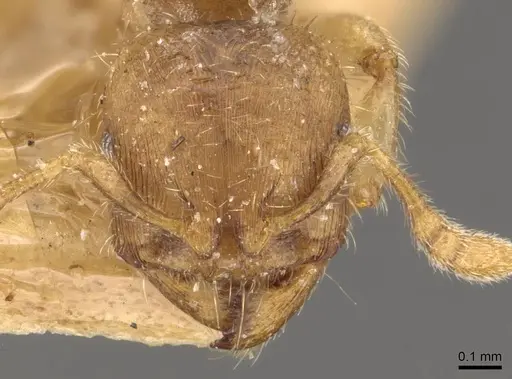
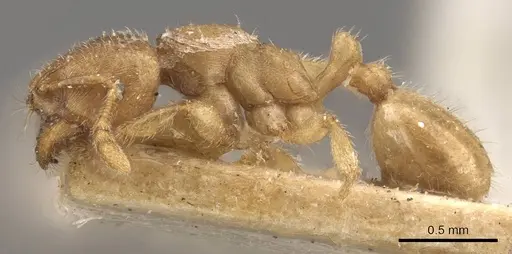
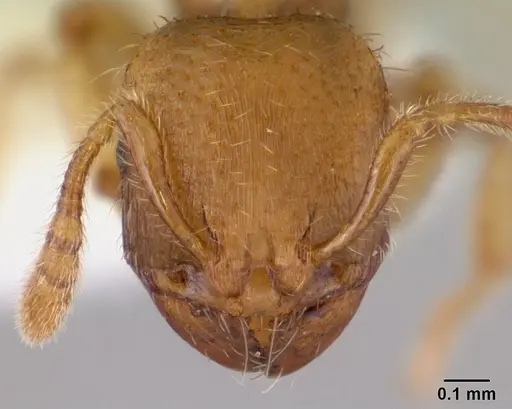
Adlerzia froggatti can be identified by several key features. They have 11-segmented antennae (most Myrmicinae have 10 or 12), and their clypeus has a distinctive bicarinate structure, meaning it has two longitudinal ridges or sharp angles immediately below the antennal sockets that separate the central region from the lateral regions [1]. The workers are dimorphic, meaning there are clearly distinct major (large-headed) and minor workers with no intermediates, this is unusual in the ant world and is more commonly seen in genera like Pheidole [1]. The major workers have large heads that suggest specialization for seed-eating or processing hard plant material. When identifying these ants, the combination of 11 antenna segments, bicarinate clypeus, and dimorphic workers should distinguish them from most other Australian Myrmicinae.
Distribution and Habitat
This species has a wide but scattered distribution across southern Australia. It has been recorded from Victoria (including the type locality at Bendigo), New South Wales, and Western Australia [1]. In Western Australia, it is found in the mid-north and south-west of the state, including parts of the Perth metropolitan area that retain native vegetation, as well as Westonia in the western goldfields and Rottnest Island [2]. The species is absent from Tasmania [2]. They inhabit both wet and dry sclerophyll habitats as well as Eucalypt forest [1]. This distribution pattern suggests they are adapted to varied Australian conditions but prefer areas with some vegetation cover.
Feeding and Diet
The diet of Adlerzia froggatti has not been directly studied, but the presence of large-headed major workers strongly suggests they include seeds or similar hard plant material in their diet [2]. This is similar to Pheidole ants, which are known seed processors. In captivity, you should likely offer a mix of protein sources (small insects like fruit flies, pinhead crickets, or mealworms) and seeds or grain-based foods. Sugar water or honey would also be worth offering, though acceptance is not confirmed. Start with small live prey and observe whether the major workers show interest in seeds. Given the lack of captive observations, be prepared to experiment with different food types.
Nesting in Captivity
In the wild, Adlerzia froggatti nests under stones as well as in soil without coverings [1]. This suggests they prefer nesting in relatively cool, shaded locations with some humidity but not waterlogged. For captive care, a naturalistic setup with soil and flat stones on top works well, or you could use a Y-tong or plaster nest with chambers scaled to their 3-4mm size. Avoid overly humid, sealed environments, some ventilation is important. The nest should have both moist areas and slightly drier spots so the ants can choose their preferred conditions. Given their small size and preference for natural nesting sites, test tubes may work for founding colonies but larger colonies would benefit from more naturalistic setups.
Why This Species Is Challenging to Keep
Adlerzia froggatti is one of the less studied Australian ants, which presents challenges for potential keepers. Their biology has been scarcely studied [2], meaning there is limited information on colony structure, founding behavior, development timeline, temperature preferences, and dietary requirements. This makes them a poor choice for beginners or anyone wanting clear care guidelines. If you do acquire this species, you will essentially be pioneering their captive care, document your observations carefully and be prepared to adjust conditions based on colony response. The species persists during invasive ant invasions [3], which suggests some resilience, but this does not translate to clear care instructions. Expect a learning curve and do not be discouraged if progress is slow.
Frequently Asked Questions
How do I care for Adlerzia froggatti ants?
Care is not well established since this species has been scarcely studied. Based on their Australian origin and natural nesting under stones/in soil, keep them at room temperature (around 22°C), provide moderately moist substrate, and offer a diet including small insects and likely seeds. A naturalistic setup with soil and stones or a Y-tong nest works well.
What do Adlerzia froggatti eat?
Their diet is not directly studied, but the presence of large-headed major workers suggests they eat seeds or hard plant material like Pheidole ants. In captivity, offer small insects (fruit flies, pinhead crickets) and experiment with seeds or grain-based foods. Sugar water or honey may also be accepted.
How big do Adlerzia froggatti colonies get?
Colony size is unknown, this species is infrequently encountered and no colony size data exists in the scientific literature.
How long does it take for Adlerzia froggatti to produce first workers?
The development timeline is unconfirmed. Based on typical Australian Myrmicinae patterns, expect several months from egg to worker at optimal temperature, but this is an estimate only.
Do Adlerzia froggatti ants sting?
Sting presence has not been documented for this species. Most Myrmicinae have stingers, but they are often too small to penetrate human skin. Based on their small size (3-4mm), any sting would likely be mild if present at all.
Are Adlerzia froggatti good for beginners?
No, this species is not recommended for beginners. Their biology has been scarcely studied, meaning there is limited guidance on care, and captive breeding experience is minimal. Choose a better-documented species like Lasius, Camponotus, or Myrmica for your first colony.
Where does Adlerzia froggatti live in the wild?
They are found across southern Australia including Victoria, NSW, and Western Australia (Perth area, Westonia, Rottnest Island). They inhabit wet and dry sclerophyll forests and Eucalypt woodland, nesting under stones or in soil.
Can I keep multiple Adlerzia froggatti queens together?
Unknown, colony structure (single queen vs multiple queens) has not been studied for this species. Do not attempt combining unrelated queens until more is known about their natural colony structure.
Do Adlerzia froggatti need hibernation?
Diapause requirements are unknown. As a southern Australian species, they may experience reduced activity in cooler months but true hibernation has not been studied. Observe your colony's activity patterns and adjust seasonal care accordingly.
References

This caresheet is licensed under CC BY-SA 4.0 .
CASENT0010805
View on AntWeb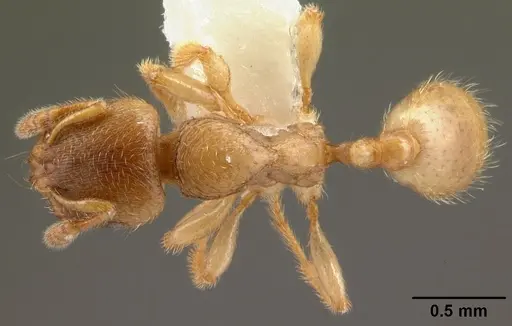
CASENT0104323
View on AntWeb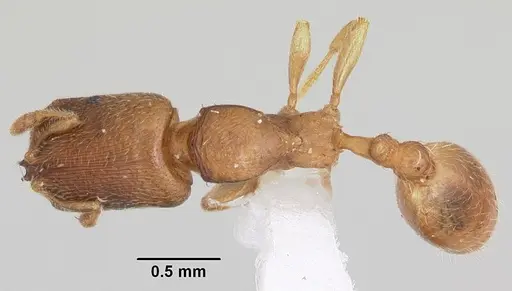
CASENT0106218
View on AntWeb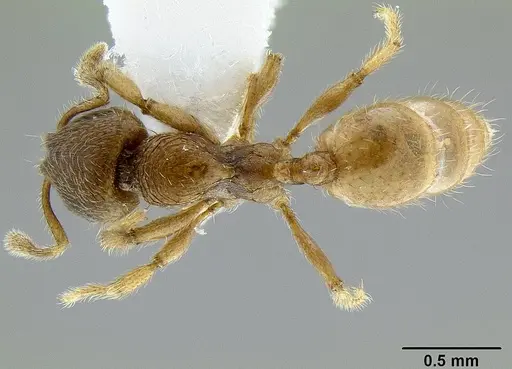
CASENT0227591
View on AntWeb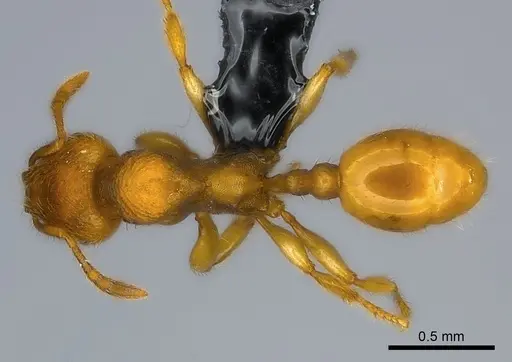
CASENT0904455
View on AntWeb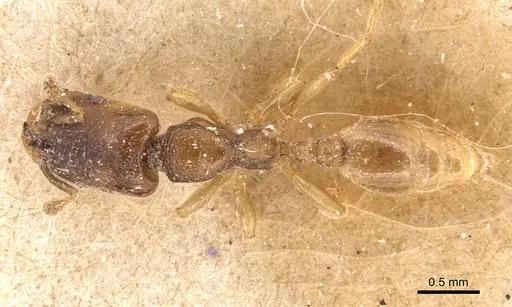
CASENT0908761
View on AntWeb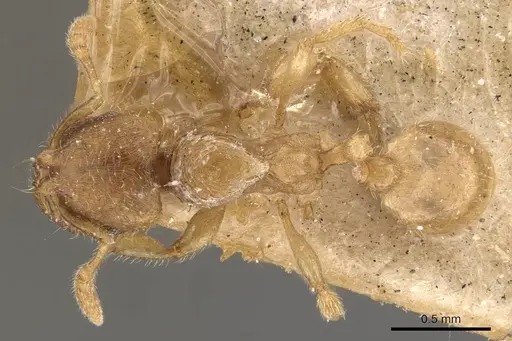
QMT116060
View on AntWeb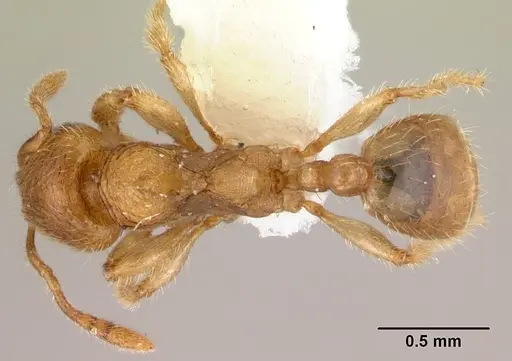
QMT120169
View on AntWeb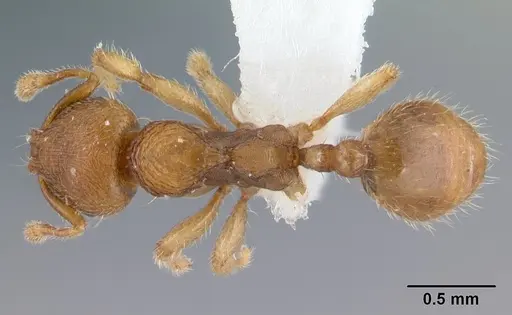
Literature
Loading...Loading products...