

Adelomyrmex longinoi
- Scientific Name
- Adelomyrmex longinoi
- Tribe
- Solenopsidini
- Subfamily
- Myrmicinae
- Author
- Fernández, 2003
- Distribution
- Found in 6 countries
Adelomyrmex longinoi Overview
Adelomyrmex longinoi is an ant species of the genus Adelomyrmex. It is primarily documented in 6 countries , including Costa Rica, Guatemala, Honduras. Detailed taxonomic data and occurrence records can be further explored via authoritative databases such as AntWeb or the Global Biodiversity Information Facility (GBIF).
Adelomyrmex longinoi
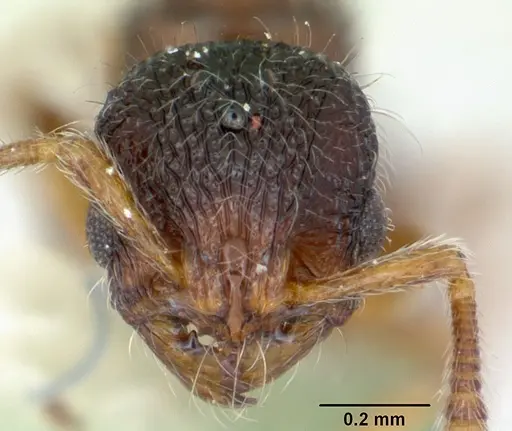
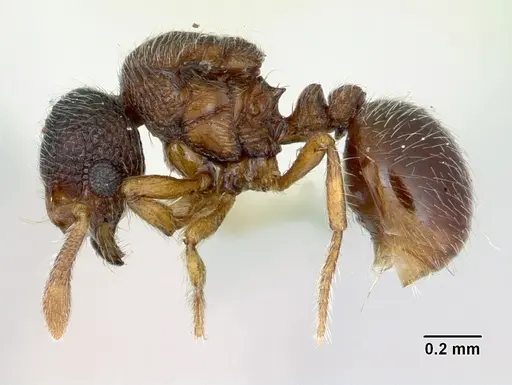
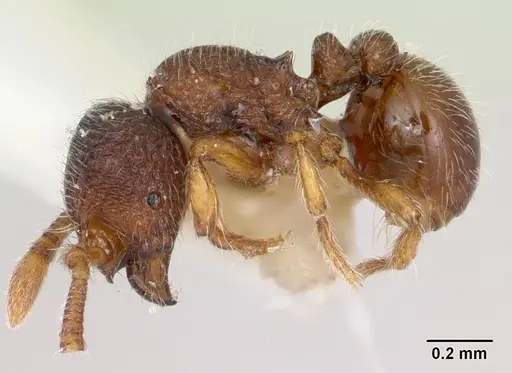
Adelomyrmex longinoi is a tiny myrmicine ant native to the wet forests of Central America, ranging from Guatemala through Honduras and Nicaragua to Costa Rica. Workers measure approximately 1.7mm in total length, making them among the smallest ants you might encounter in the leaf litter [1]. They have a distinctive red-brown body with lighter appendages, small eyes with only four ommatidia, and 12-segmented antennae ending in a 2-segmented club [1][2]. Queens are larger at approximately 2.9mm and possess the typical queen traits of this genus [1]. This species is a cryptic leaf-litter ant that lives in mature wet forests, where it occurs at very low densities, typically just one or two individuals per sample [3]. It has been accidentally introduced to Isabela Island in the Galápagos, where it inhabits the humid zones of mature forest areas [4][5].
Quick Summary
- Difficulty: Expert
- Origin & Habitat: Central American wet forests from Guatemala to Costa Rica, sea level to 1100m elevation. Found in mature wet forest leaf litter, typically in lowland areas but can occur at higher elevations in Honduras [3][6].
- Colony Type: Colony structure is unconfirmed. Based on low density field observations (1-2 individuals per sample), colonies are likely small with relatively few workers [3].
- Size & Growth:
- Queen:{.size-link} ~2.9mm [1]
- Worker:{.size-link} ~1.7mm [1]
- Colony: Unknown, likely small based on field observations of low worker density [3]
- Growth: Unknown
- Development: Estimated 6-10 weeks at optimal temperature, no direct data available. Based on typical Myrmicinae patterns for very small species. (Development timeline has not been studied. Estimates based on genus-level patterns.)
- Antkeeping:
- Temperature: Based on their native wet tropical forest habitat, aim for warm and humid conditions around 22-26°C. Avoid temperatures below 18°C or above 30°C [6].
- Humidity: High humidity is essential, these ants live in damp leaf litter. Keep nest substrate consistently moist but not waterlogged. Mist occasionally and provide a water tube [6].
- Diapause: Unknown, being a tropical species, they likely do not require a true diapause but may show reduced activity during cooler or drier periods.
- Nesting: In nature they live in leaf litter and small cavities in rotting wood or under stones. In captivity, a small test tube setup or a miniature formicarium with tight chambers works well. They need scaled-down accommodations appropriate to their tiny size [6].
- Behavior: These are extremely small, cryptic ants that are rarely seen in the open. They are not aggressive and have no functional sting. Workers forage slowly through leaf litter and soil, likely feeding on tiny arthropods and honeydew. Their small size and cryptic nature make them challenging to observe and care for. Escape prevention is critical, they can squeeze through the tiniest gaps [6].
- Common Issues: tiny size makes them difficult to house and observe properly, standard ant setups may be too large., escape prevention is critical, they can slip through gaps too small for most ants., low density in the wild suggests colonies are naturally small and fragile., tropical humidity requirements can be challenging to maintain consistently., virtually no published care information exists, keepers are essentially pioneers., WARNING: This species has been introduced to Isabela Island in the Galápagos, where it is considered invasive. It should not be kept in countries where it is not native.
Natural History and Distribution
Adelomyrmex longinoi is endemic to the wet forests of Central America, with a range extending from Guatemala (just across the Motagua fault in southeastern Guatemala) through Honduras and Nicaragua to Costa Rica [3]. In Costa Rica, they occur on both the lowland Atlantic and southern Pacific slopes, but only up to 500m elevation. In Honduras, they can be found as high as 1100m in Parque Nacional Azul Meambar. They are always a low-density element of the fauna, occurring in only 1-10% of leaf litter samples and almost always as just one or two individuals per sample [3]. This makes them one of the rarest ants to encounter in Central American forests. The species has been accidentally introduced to Isabela Island in the Galápagos, where it has been found in the humid zone in litter samples from mature forests [4][5]. In the northern part of their range, they are sympatric with the closely related Adelomyrmex marginodus, and the two species may occur together in the same samples [3].
Appearance and Identification
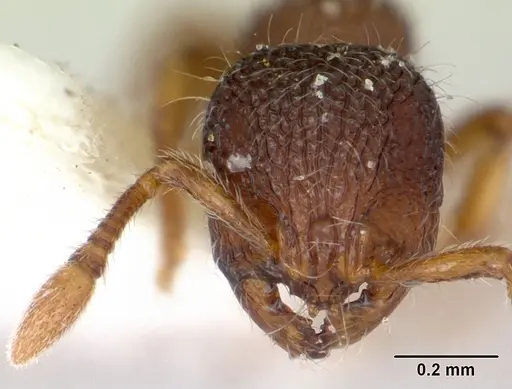
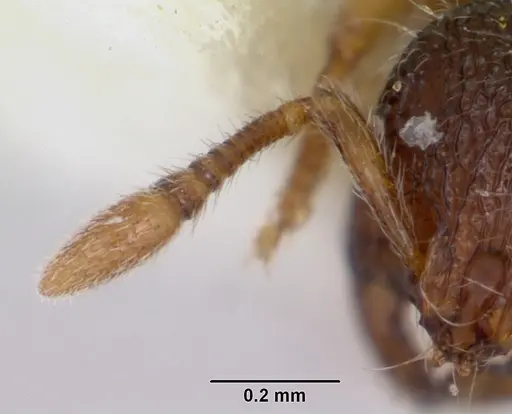
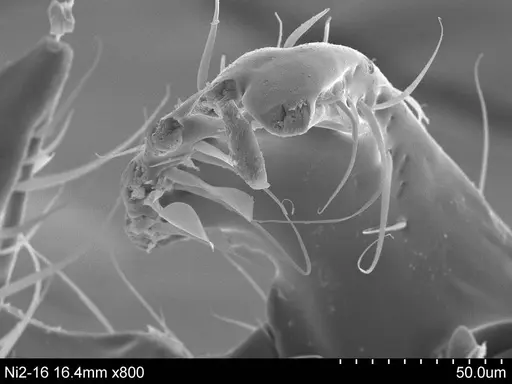
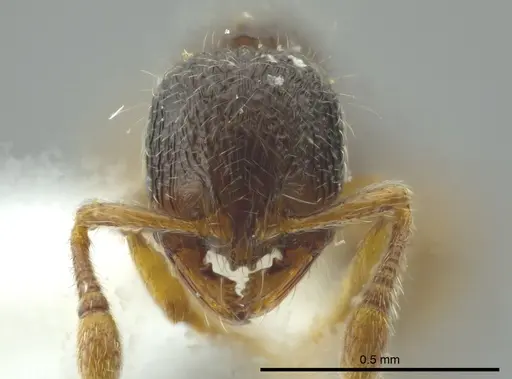
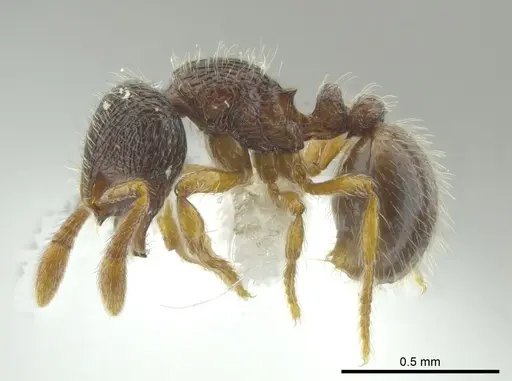
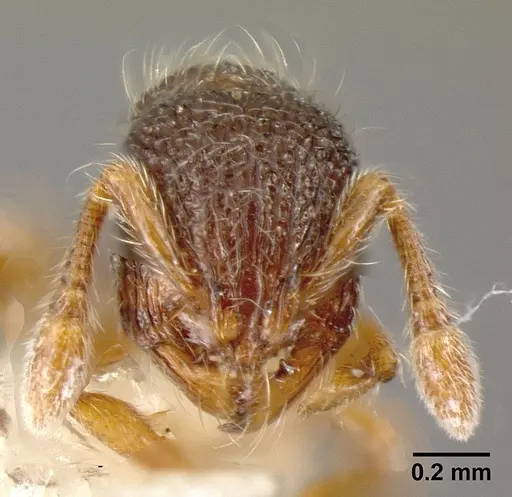
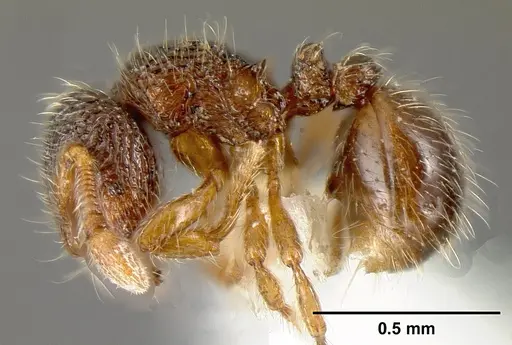
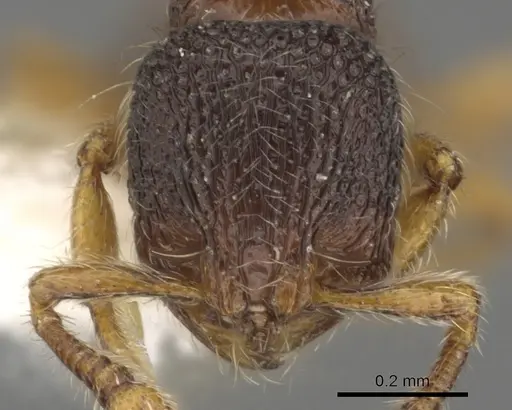
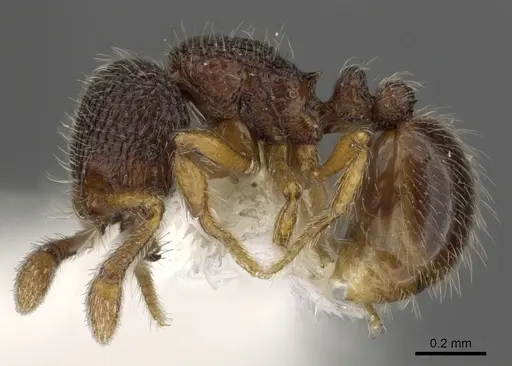
Workers of Adelomyrmex longinoi are among the smallest ants you might keep, measuring only about 1.7mm in total length. They have a distinctive red-brown body with lighter-colored legs and antennae. The head is rugoreticulated (covered in a network-like pattern), and the promesonotum (the middle body section) is irregularly rugose. They have very small eyes with only four ommatidia each, and their mandibles have six teeth with the three apical teeth larger than the basal ones [1][2]. Queens are significantly larger at approximately 2.9mm total length [1]. The genus Adelomyrmex is characterized by having 12-segmented antennae with a 2-segmented club, a median clypeal portion forming a longitudinal platform, and lamelliform setae on the internal border of the mandibles [7].
Housing and Nest Setup
Because of their extremely small size, Adelomyrmex longinoi requires specialized housing that differs significantly from standard ant setups. In the wild, they live in leaf litter and small cavities in rotting wood, under stones, and in similar microhabitats [6]. For captivity, a small test tube setup works well for founding colonies, with the test tube filled with a few centimeters of water and stopped with a cotton plug. For established colonies, a small formicarium or acrylic nest with miniature chambers scaled to their tiny size is essential. The chambers should be narrow and tight, spaces that would be appropriate for larger ants will be too open and stressful for these tiny insects. Use fine mesh for any ventilation holes, as they can slip through standard ant mesh. A layer of moist substrate (coco fiber, peat, or a mix) on the outworld floor helps maintain humidity and gives them something to forage through [6].
Feeding and Diet
The natural diet of Adelomyrmex longinoi has not been specifically studied, but as a tiny leaf-litter ant in the tribe Solenopsidini, they likely feed on small arthropods, springtails, and other micro-arthropods found in decaying organic matter, as well as honeydew from root aphids or scale insects [6]. In captivity, you should offer tiny live prey such as springtails, fruit flies, and other small insects. They will likely accept small pieces of insects but may struggle with prey items larger than themselves. Sugar sources like honey or sugar water may be accepted, but given their tiny size and likely predatory nature, protein from small live prey should be the primary food source. Feed small amounts every few days and remove any uneaten prey to prevent mold issues. Because they are so small, even a single fruit fly is a substantial meal [6].
Temperature and Humidity Requirements
As a tropical wet forest species from Central America, Adelomyrmex longinoi requires warm and humid conditions. Aim for temperatures in the range of 22-26°C, avoiding both cold (below 18°C) and excessive heat (above 30°C) [6]. Room temperature in most homes should be suitable, but monitor for any signs of stress such as workers clustering or avoiding certain areas of the nest. Humidity is critical, these ants live in damp leaf litter environments. Keep the nest substrate consistently moist but not waterlogged. The substrate should feel damp to the touch. Providing a water tube in the outworld ensures they have access to fresh water. Mist the nest occasionally to maintain humidity, but avoid creating standing water. Good ventilation is important to prevent mold, but avoid excessive airflow that dries out the nest [6].
Challenges and Considerations
Adelomyrmex longinoi is an expert-level species that presents significant challenges for antkeepers. Their extremely small size makes them difficult to house, observe, and feed properly. Standard ant setups are typically too large, and escape prevention requires attention to even the smallest gaps. There is virtually no published care information for this species, so keepers are essentially pioneers experimenting with husbandry techniques. Colonies appear to be naturally small in the wild, so do not expect rapid population growth. They are also extremely rare in the antkeeping hobby, most keepers will never encounter this species for sale. If you do obtain a colony, patience is essential. These are not display ants that you will watch foraging actively, instead, they are a fascinating study in miniature that requires careful observation to appreciate [6].
Frequently Asked Questions
How long does it take for Adelomyrmex longinoi to produce first workers?
The development timeline is unconfirmed, no scientific data exists on their egg-to-worker time. Based on typical patterns for tiny Myrmicinae species, expect approximately 6-10 weeks at optimal temperature (22-26°C). However, this is an estimate and actual times may vary.
Can I keep Adelomyrmex longinoi in a test tube?
Yes, a test tube setup is appropriate for this tiny species. Use a small test tube with a few centimeters of water reservoir stopped with cotton. The tube should be kept horizontal or slightly tilted so the ants can access the water. For established colonies, consider a small acrylic nest with miniature chambers.
What do Adelomyrmex longinoi ants eat?
They likely accept tiny live prey such as springtails and fruit flies, small insects, and possibly honeydew or sugar water. Feed small amounts of protein every few days and remove uneaten food promptly.
Do Adelomyrmex longinoi need hibernation or diapause?
Unknown, as a tropical species from wet forests, they likely do not require a true diapause. They may show reduced activity during cooler or drier periods, but no formal overwintering protocol has been established.
How big do Adelomyrmex longinoi colonies get?
Colony size is unconfirmed, but based on field observations showing only 1-2 individuals per sample, colonies are likely small, probably dozens to a few hundred workers at most.
Are Adelomyrmex longinoi good for beginners?
No, this is an expert-level species. Their extremely small size makes them difficult to house, feed, and observe. There is virtually no published care information, and they are extremely rare in the antkeeping hobby.
When should I move Adelomyrmex longinoi to a formicarium?
Move them when the colony reaches a moderate size and the test tube space becomes cramped. However, given their tiny size, a properly scaled formicarium or continued test tube maintenance is essential. Avoid moving too early or into spaces that are too large.
Why are my Adelomyrmex longinoi escaping?
Their tiny size allows them to slip through gaps too small for most ants. Use excellent escape prevention with tight-fitting lids, fine mesh barriers, and check for any tiny gaps in your setup. Even standard ant mesh may not be sufficient.
Can I keep multiple Adelomyrmex longinoi queens together?
Colony structure (monogyne vs polygyne) is unconfirmed for this species. Combining unrelated queens has not been documented and is not recommended. In the wild, they occur at very low densities, suggesting each colony has a single queen.
Report an Issue
The current care sheet is based fully on literature. See inconsistencies, or something that's incorrect? Please , it will be resolved after review from an admin. Contributing to the blogs tab also helps providing information, to make us be able to further improve the caresheets. Thank you for your support!
References

This caresheet is licensed under CC BY-SA 4.0 .
CASENT0173239
View on AntWeb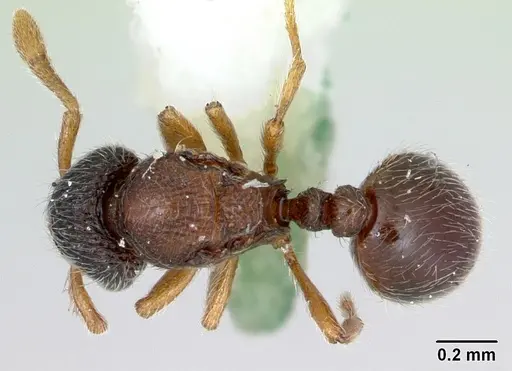
CASENT0173240
View on AntWeb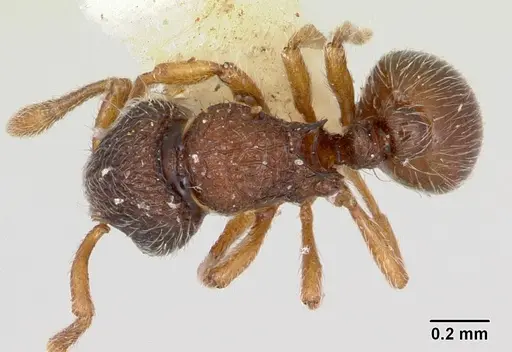
CASENT0631965
View on AntWeb
INB0003699892
View on AntWeb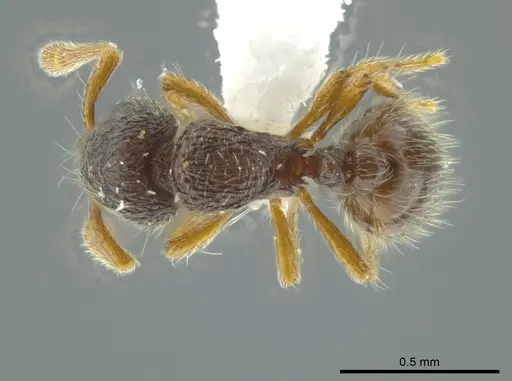
INBIOCRI001279879
View on AntWeb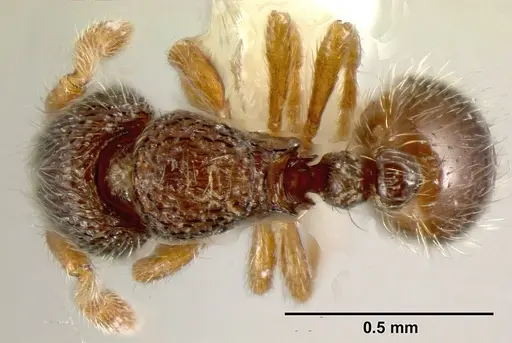
INBIOCRI001281612
View on AntWeb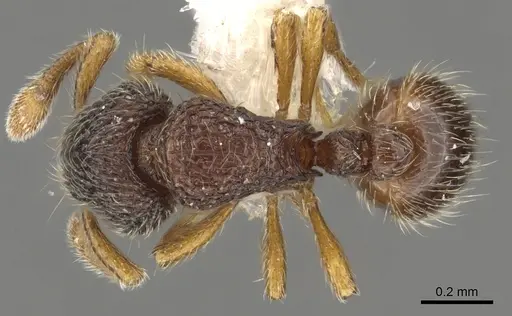
Literature
Loading...Loading products...