

Acropyga goeldii
- Scientific Name
- Acropyga goeldii
- Tribe
- Plagiolepidini
- Subfamily
- Formicinae
- Author
- Forel, 1893
- Distribution
- Found in 5 countries
Acropyga goeldii Overview
Acropyga goeldii is an ant species of the genus Acropyga. It is primarily documented in 5 countries , including Barbados, Brazil, Colombia. Detailed taxonomic data and occurrence records can be further explored via authoritative databases such as AntWeb or the Global Biodiversity Information Facility (GBIF).
Acropyga goeldii
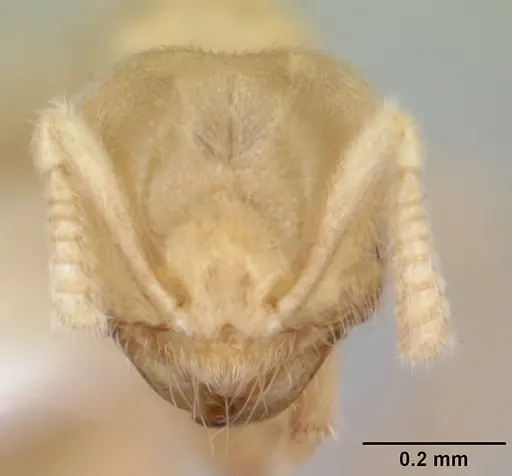
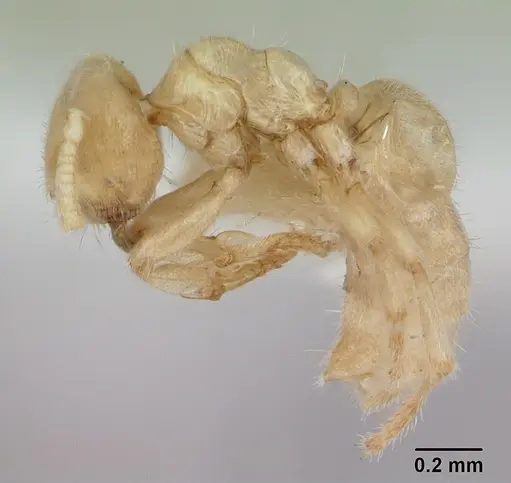
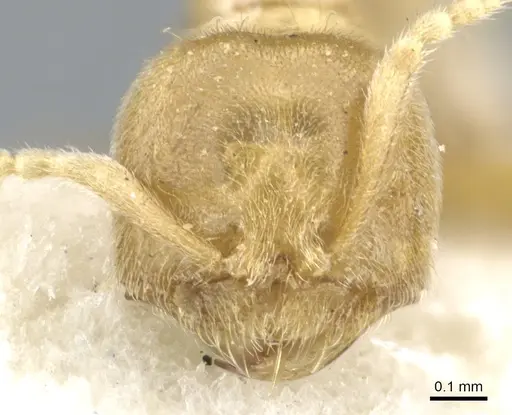
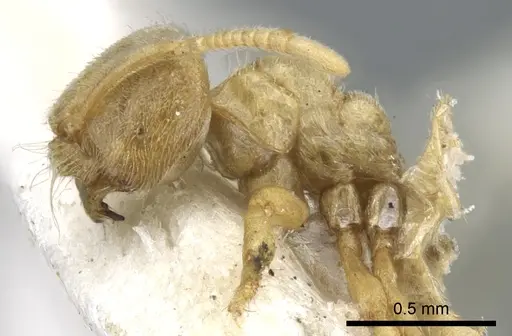
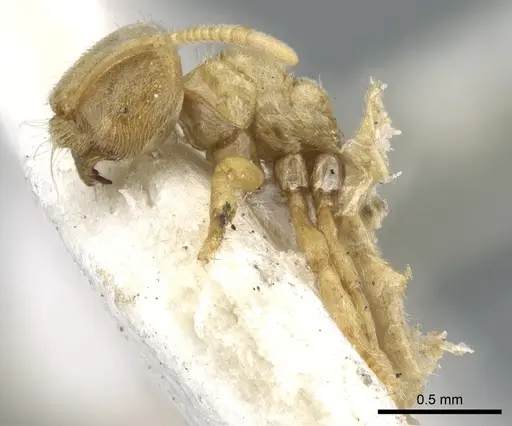
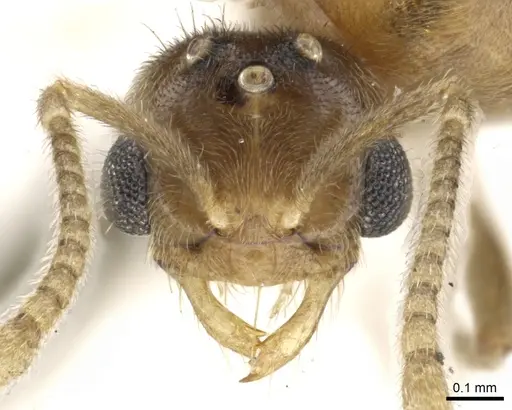
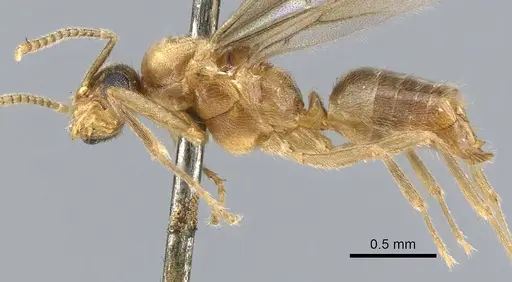
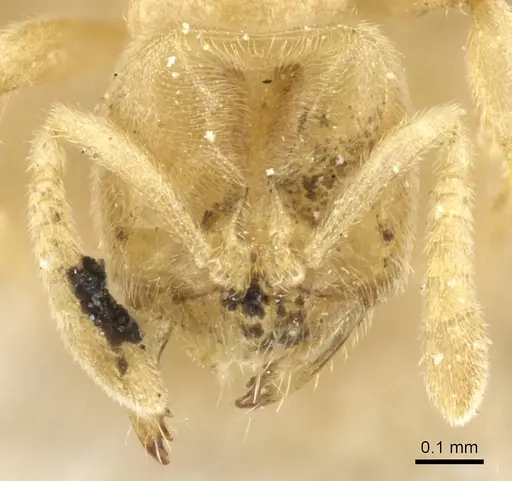
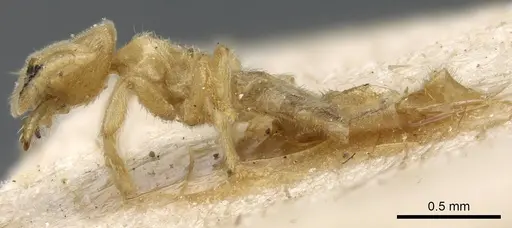
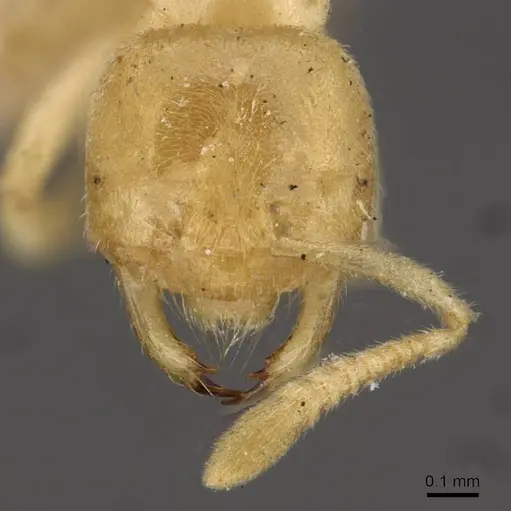
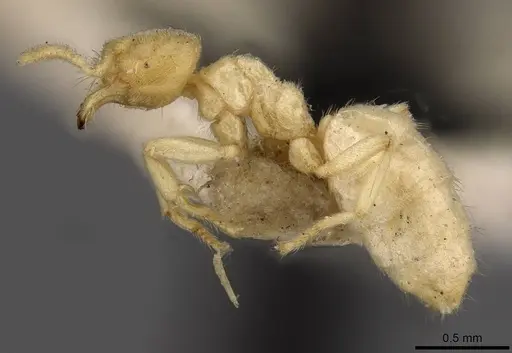
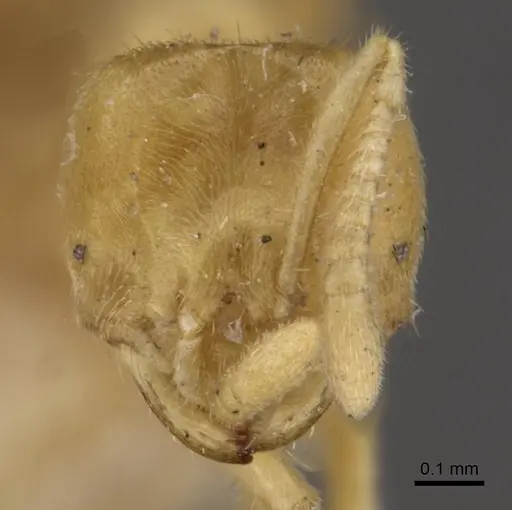
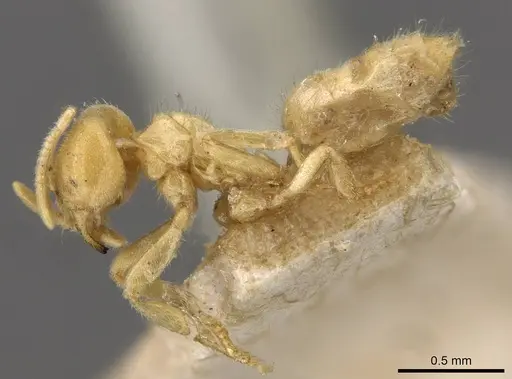
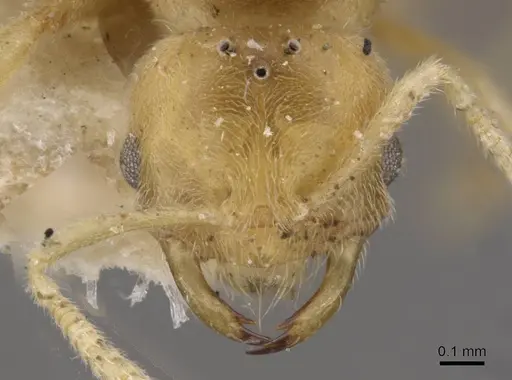
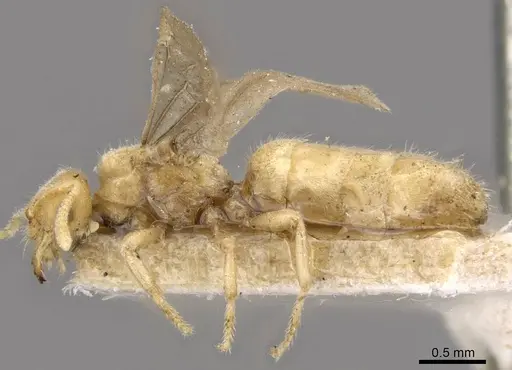
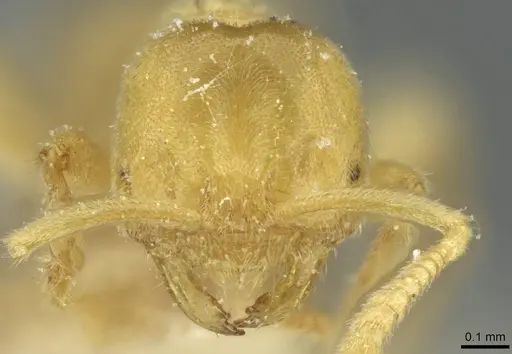
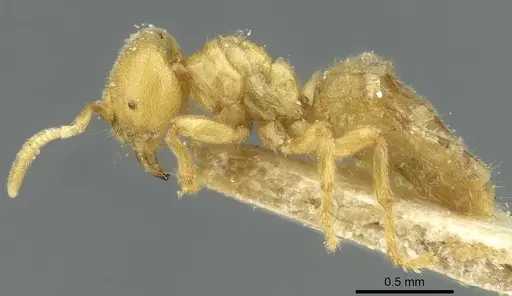
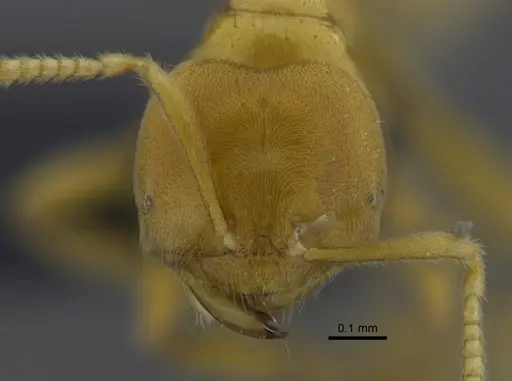
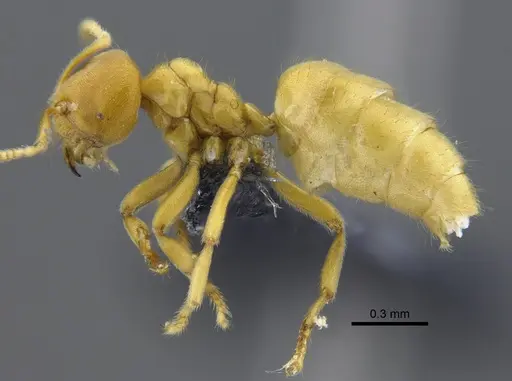
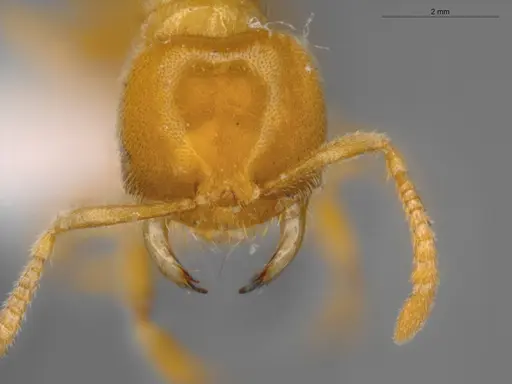
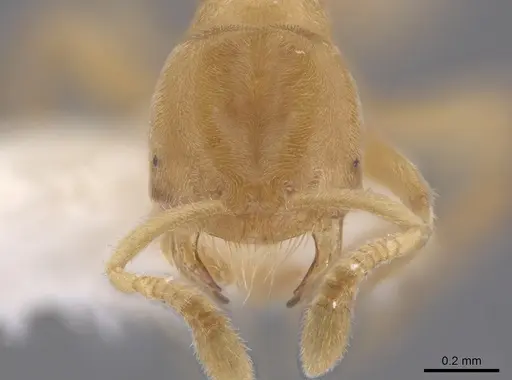
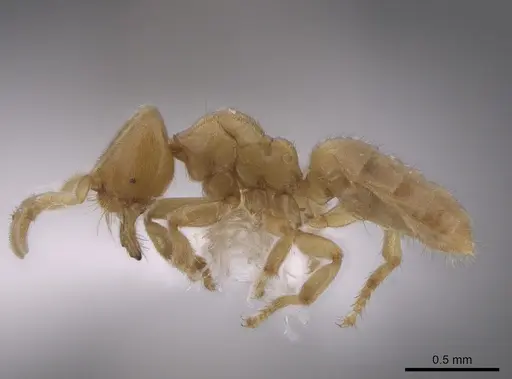
Acropyga goeldii is a tiny, yellow ant species native to tropical South America, ranging from Costa Rica down to Argentina. Workers measure just 2-2.5mm and are pale yellow throughout, with distinctive 9-11 segmented antennae and abundant erect hairs on the clypeus. This species is part of the goeldii complex within the decedens species-group, and shows significant morphological variation across its wide geographic range. Queens are slightly larger at 3.2mm and have the typical modifications for caste. What makes A. goeldii truly unique is its extremely specialized lifestyle, it lives almost entirely underground in association with mealybugs (scale insects), feeding almost exclusively on the honeydew these insects produce. Workers rarely come to the surface except during nuptial flights, making them one of the most subterranean ants you'll encounter [1][2].
Quick Summary
- Difficulty: Expert
- Origin & Habitat: Tropical South America, found in Brazil, Colombia, Peru, Ecuador, Panama, Costa Rica, Paraguay, Venezuela, Guyana, Suriname, Trinidad, Barbados, and Argentina. Inhabits leaf litter in cloud forests and tropical forests, nesting in soil under objects like fallen husks or stones in sandy clay soil [1][3][4].
- Colony Type: Single-queen colonies (monogyne). Colony structure is not extensively studied, but these are small, subterranean ants that maintain close associations with mealybug trophobionts.
- Colony: Monogyne
- Size & Growth:
- Queen: 3.19-3.21mm
- Worker: 2.03-2.57mm
- Colony: Likely small, estimated under 500 workers based on typical Acropyga colony sizes and their subterranean lifestyle
- Growth: Slow, their specialized diet and subterranean nature suggest slow development
- Development: Unknown, no direct development studies exist for this species. Based on related Formicinae and their specialized requirements, estimate 8-12 weeks at optimal temperature (Development time is unconfirmed. Expect slower growth than typical ants due to their specialized honeydew-based diet and subterranean lifestyle.)
- Antkeeping:
- Temperature: Keep around 24-26°C. As a tropical species, they need warm, stable conditions. A heating cable on one side of the nest creates a gentle gradient.
- Humidity: High humidity is essential. These ants live in leaf litter and soil, often under objects that retain moisture. Keep the nest substrate consistently moist but not waterlogged. The substrate should feel damp to the touch.
- Diapause: No, as a tropical species, they do not require hibernation. Maintain stable temperatures year-round.
- Nesting: Use a naturalistic or Y-tong setup with moist substrate. They need tight chambers scaled to their tiny 2mm size. Provide soil or fine substrate they can tunnel through. A small test tube with cotton and water reservoir can work for founding colonies, but they'll need more space as they grow. Keep nesting area dark and undisturbed, these are shy, subterranean ants.
- Behavior: Extremely docile and non-aggressive. Workers are rarely seen outside the nest, they spend almost all their time tending mealybugs underground. They do not sting and pose no danger to keepers. Escape risk is moderate, while small, they are not particularly active or prone to climbing. However, their tiny size means standard escape prevention measures should still be used. They are not territorial or defensive [1][2].
- Common Issues: specialized diet makes feeding difficult, they may refuse standard ant foods and rely entirely on honeydew from mealybugs, colonies are very small and slow-growing, which can frustrate keepers expecting visible progress, mealybug symbionts are essential, without them, colonies will starve, high humidity requirements can lead to mold if ventilation is poor, subterranean lifestyle means you rarely see the ants, this can make it seem like the colony has died when they're just hidden
The Mealybug Relationship
This is perhaps the most important aspect of keeping Acropyga goeldii. These ants have an obligate symbiotic relationship with mealybugs (scale insects in the family Pseudococcidae). In the wild, they tend at least four different mealybug species: Capitisetella migrans, Dysmicoccus radicis, Neochavesia sp., and Rhizoecus coffeae. The ants feed almost exclusively on the honeydew produced by these insects, Weber (1944) observed a captive colony refusing fruit offered to them and dying within a month despite mealybugs being present, because the mealybugs had no plant roots to feed on. This means you cannot keep A. goeldii successfully without also maintaining live mealybugs. The mealybugs live among the ant nest and the workers actively tend them, gathering them into protective clusters. This is called trophobiosis, a mutualistic relationship where the ants protect the mealybugs and the mealybugs provide honeydew as food [2][1].
Feeding and Diet
Feeding Acropyga goeldii is challenging because they are extremely specialized. They do NOT eat typical ant foods like sugar water, honey, protein sources, or fruits. In captivity, you must maintain a colony of mealybugs that produce honeydew. The mealybugs need plant roots to feed on, this is why Weber's captive colony died even though mealybugs were present. You could try providing small potted plants with roots that mealybugs can feed on, or experiment with artificial honeydew solutions, but success is uncertain. Some keepers report that offering diluted honey or sugar water occasionally may be accepted, but this is not their natural diet. The safest approach is to establish a mealybug culture alongside the ant colony. This is an expert-level species precisely because of this specialized requirement [1].
Subterranean Lifestyle and Nesting
Acropyga goeldii is one of the most subterranean ant species you can keep. Workers almost never emerge to the surface except during nuptial flights. They nest in soil, typically under objects like fallen husks, stones, or in leaf litter. Weber (1944) found them tending coccids on rootlets of small plants interwoven into the husk of a brazil nut fruit lying on the ground, with tunnels in yellow sandy clay soil beneath. In captivity, provide a naturalistic setup with moist soil or a Y-tong nest with fine chambers scaled to their tiny 2mm size. Keep the nesting area dark and minimize disturbances. They prefer tight, enclosed spaces. The nest should have high humidity but also some ventilation to prevent mold. A small water reservoir connected to the nest helps maintain moisture [4][1].
Behavior and Activity
These ants are extremely docile and not defensive. Workers spend almost all their time underground tending mealybugs. They are not aggressive and do not have a functional sting. You will rarely see them out in the open, this is normal behavior, not a sign of colony decline. The only time workers emerge to the surface is during nuptial flights, which Eberhard (1978) observed occurring in the day after recent rainfall. Males and females form mating swarms of several dozen individuals, emerging through small holes in the ground (such as in grass lawns). This is also when they are vulnerable to predation, Eberhard observed the ponerine ant Ectatomma ruidum preying on newly emerged alate queens. In captivity, respect their shy nature and provide a calm environment [1].
Nuptial Flights and Reproduction
Nuptial flights occur in the daytime after rainfall, when reproductives emerge from small holes in the ground. Mating swarms consist of several dozen individuals and can be predominantly male or predominantly female. This is the only time you'll see workers on the surface. Queens and males are winged (alate) before mating. After mating, queens presumably dig into soil to found new colonies, though this founding behavior has not been directly documented. If you want to propagate this species, you would need to catch alates from a mating flight and attempt to establish a queen. This requires patience and experience with specialized ant species [1].
Frequently Asked Questions
Can I keep Acropyga goeldii in a test tube?
A test tube can work for a founding queen, but you'll need to provide mealybugs for her to tend. The tube should have a water reservoir and be kept humid. However, test tubes are very limited space for this species long-term, a naturalistic setup with soil is better for established colonies.
What do Acropyga goeldii eat?
They eat almost exclusively honeydew from mealybugs. They will NOT eat standard ant foods like sugar water, honey, insects, or fruits. You must maintain live mealybugs (scale insects) that produce honeydew. This makes them one of the most difficult ants to keep.
How long until first workers in Acropyga goeldii?
The egg-to-worker timeline is unconfirmed. Based on related Formicinae species and their specialized requirements, expect 8-12 weeks at optimal temperature (around 24-26°C). Growth is likely slow.
Are Acropyga goeldii good for beginners?
No. This is an expert-level species due to their obligate relationship with mealybugs. They require live mealybug cultures to survive, will not eat typical ant foods, need high humidity, and are extremely specialized. Beginners should start with easier species like Lasius or Tetramorium.
Can I keep multiple queens together?
Acropyga goeldii is monogyne (single-queen colonies). Combining unrelated queens has not been documented and is not recommended. Single-queen colonies are the natural structure for this species.
Why can't I see my Acropyga goeldii ants?
This is completely normal. Acropyga goeldii is extremely subterranean, workers almost never come to the surface except during nuptial flights. They spend all their time underground tending mealybugs. If your colony is alive, the ants are just hidden in the nest.
Do Acropyga goeldii need hibernation?
No. As a tropical species from South America, they do not require hibernation. Keep them at warm, stable temperatures around 24-26°C year-round.
How big do Acropyga goeldii colonies get?
Colony size is not well documented, but based on their subterranean lifestyle and related species, colonies likely remain small, probably under 500 workers. They are not large colony builders.
Why is my Acropyga goeldii colony dying?
The most likely cause is starvation, they need honeydew from mealybugs and will not survive on typical ant food. Also check humidity (they need it moist) and temperature (keep warm at 24-26°C). Without mealybugs, they will starve even if other conditions are correct.
References

This caresheet is licensed under CC BY-SA 4.0 .
CASENT0173473
View on AntWeb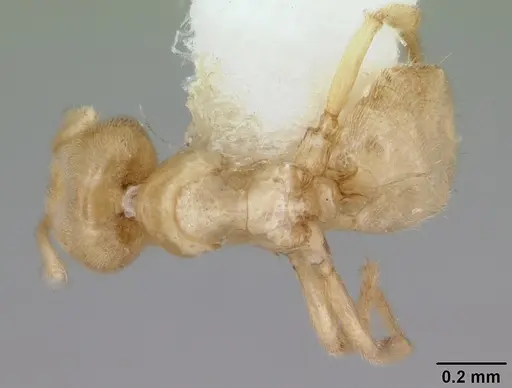
CASENT0903183
View on AntWeb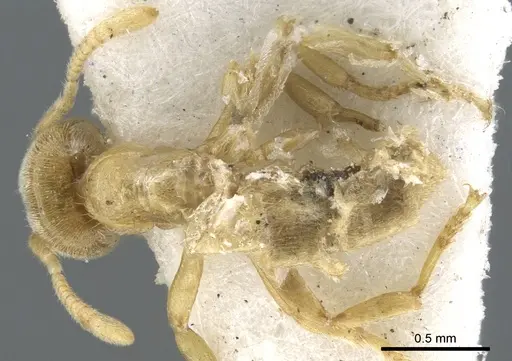
CASENT0903184
View on AntWeb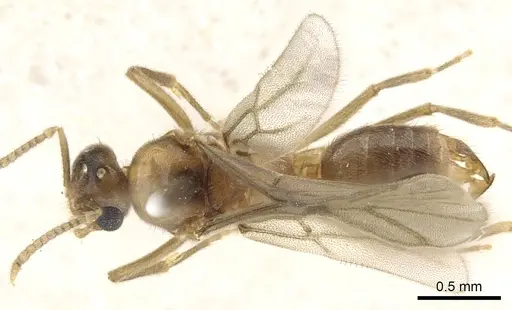
CASENT0905163
View on AntWeb
CASENT0909902
View on AntWeb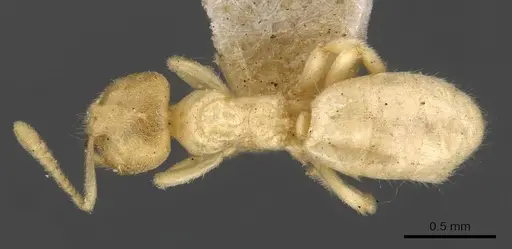
CASENT0909903
View on AntWeb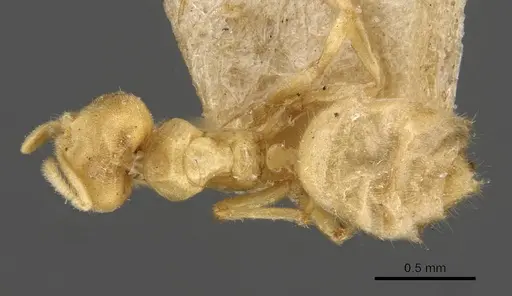
CASENT0909904
View on AntWeb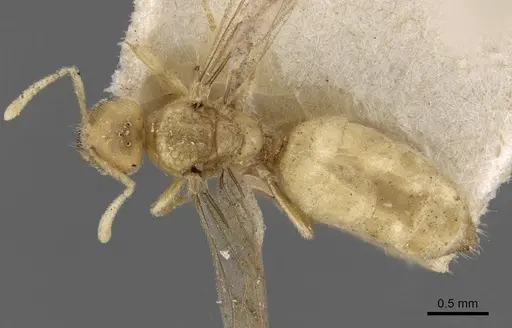
CASENT0912355
View on AntWeb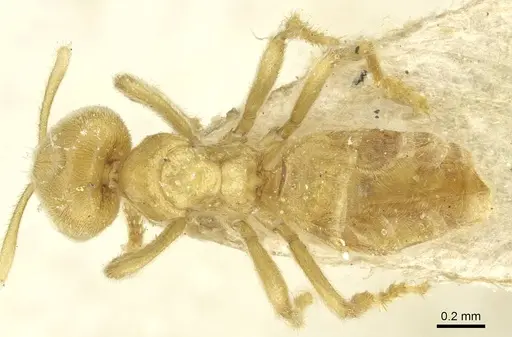
CBUMAGENT41828
View on AntWeb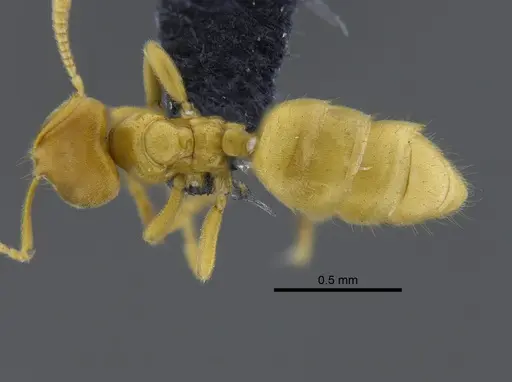
ECOFOG-SAV18-0037-07
View on AntWeb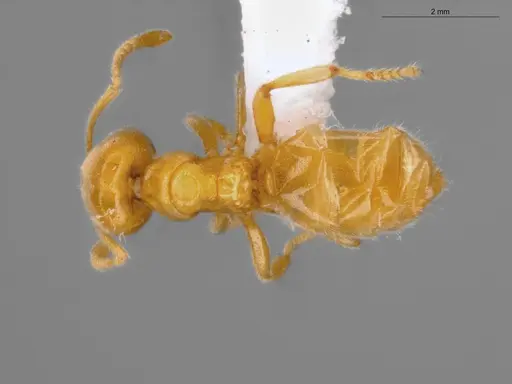
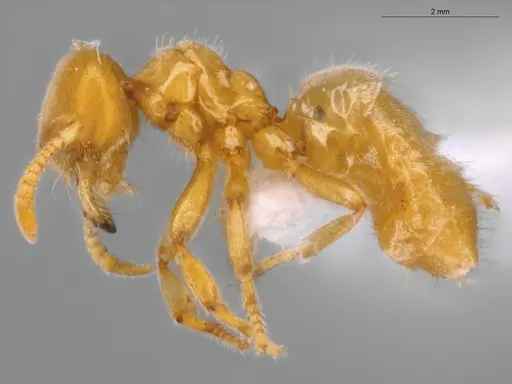
FOCOL2960
View on AntWeb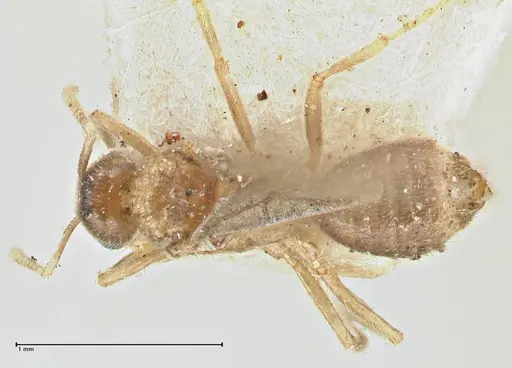
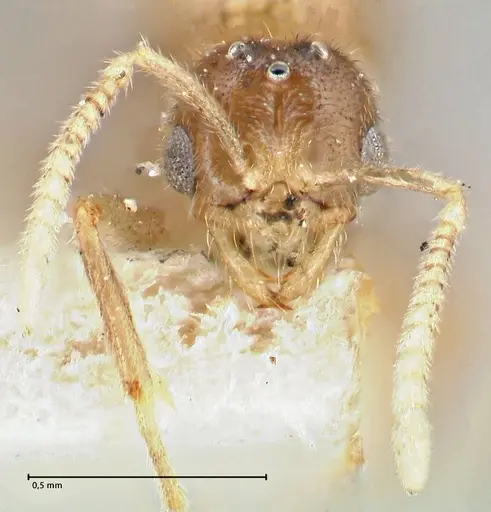
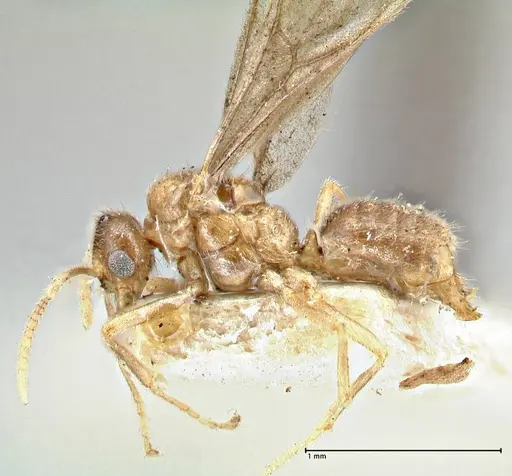
JTLC000006456
View on AntWeb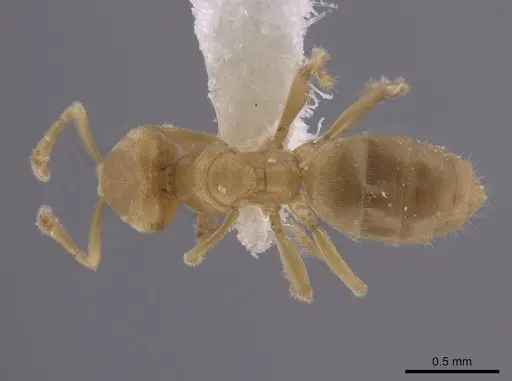
Literature
Loading...Loading products...