

Acromyrmex nobilis
- Scientific Name
- Acromyrmex nobilis
- Tribe
- Attini
- Subfamily
- Myrmicinae
- Author
- Santschi, 1939
- Distribution
- Found in 1 countries
Acromyrmex nobilis Overview
Acromyrmex nobilis is an ant species of the genus Acromyrmex. It is primarily documented in 1 countries , including Colombia. Detailed taxonomic data and occurrence records can be further explored via authoritative databases such as AntWeb or the Global Biodiversity Information Facility (GBIF).
Acromyrmex nobilis
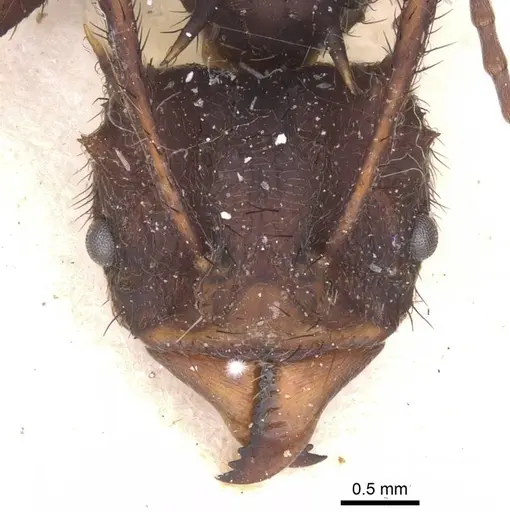
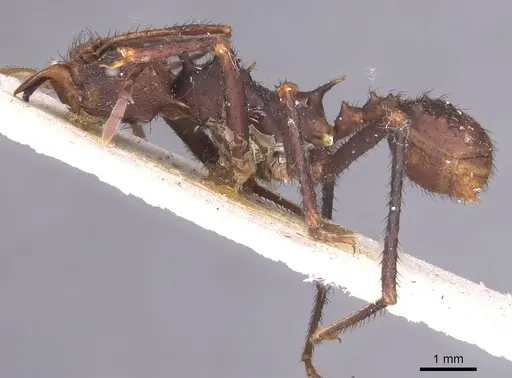
Acromyrmex nobilis is a leaf-cutter ant species native to the Amazon rainforest region of South America. These ants are recognizable by their reddish-brown coloration and distinctive three-pair spine arrangement on their thorax, typical of the Acromyrmex genus. Workers range from 5-15mm, with the larger major workers having powerful mandibles designed for cutting plant material. As a member of the tribe Attini, A. nobilis cultivates a mutualistic fungus garden for food, they collect fresh leaf fragments and other plant material to feed their fungal crop, making them true farmers in the ant world. This species is closely related to the well-studied Acromyrmex octospinosus complex and serves as an important out-group in phylogenetic studies of leaf-cutter ants [1]. In their natural habitat, they nest in palm trees and surrounding vegetation in the humid Amazon basin [2].
Quick Summary
- Difficulty: Medium
- Origin & Habitat: Amazon rainforest region of Brazil, Colombia, and Venezuela. Found in humid tropical forests, particularly associated with palm tree microhabitats where they nest in the roots, stipe, and fronds of Attalaea phalerata palms [2][3].
- Colony Type: Likely monogyne (single queen) based on typical Acromyrmex colony structure. Colony size can reach several thousand workers in mature colonies.
- Colony: Monogyne
- Founding: Claustral
- Size & Growth:
- Queen: Estimated 15-18mm based on genus typical size
- Worker: 5-15mm (polymorphic, minor workers 5-7mm, major workers 12-15mm)
- Colony: Potentially several thousand workers in mature colonies
- Growth: Moderate, leaf-cutter colonies grow more slowly than many other ants due to fungus cultivation requirements
- Development: Estimated 8-12 weeks at optimal temperature (25-28°C) based on typical Attini development (Development is slower than many Myrmicinae due to the additional time needed for fungus garden establishment and growth)
- Antkeeping:
- Temperature: Keep at 24-28°C. These are tropical ants requiring warm, stable conditions year-round. A slight gradient is beneficial but avoid temperature drops below 22°C.
- Humidity: High humidity is essential, maintain 70-85% relative humidity. The fungus garden requires consistent moisture. Use moist substrate and consider a water reservoir in the nest setup.
- Diapause: No, as a tropical species, they do not require hibernation. Keep temperatures stable year-round.
- Nesting: Y-tong (AAC) nests or plaster nests work well. They need chambers large enough to accommodate their fungus garden. Provide a foraging area with access to fresh plant material. Avoid dry conditions.
- Behavior: Active and persistent foragers that will readily cut and collect plant material. They are not aggressive toward humans but can deliver a painful bite if handled roughly. Workers are strong climbers and can escape through small gaps. They maintain elaborate fungus gardens that require regular feeding with fresh plant material. Minor workers typically handle fungus garden maintenance while major workers cut and transport plant material.
- Common Issues: Fungus garden collapse is the most serious issue, if the fungus dies, the colony will starve. This happens if humidity drops too low or temperatures fluctuate dramatically., Escape prevention is critical, leaf-cutter ants are excellent climbers and will find any gap. Use fluon on container edges and ensure all openings are sealed., Providing the wrong food can harm the fungus, they prefer dicotyledonous plants [4]. Avoid toxic plants, conifers, or processed foods., Overfeeding can cause mold problems in the nest. Remove uneaten plant material regularly., Slow growth can frustrate beginners, leaf-cutter colonies develop more slowly than many common species. Don't overfeed in an attempt to speed growth.
The Fungus Garden - Their Most Important Feature
Acromyrmex nobilis belongs to the tribe Attini, a group of ants that have evolved a mutualistic relationship with a specific fungus that they cultivate for food. This is perhaps the most fascinating aspect of keeping leaf-cutter ants, you are not just keeping ants, you are maintaining a three-way symbiosis between the ants, their fungus garden, and the plant material the ants collect. The queen carries a small piece of fungus inoculum in her buccal pouch during her nuptial flight, which she uses to start the garden in her founding chamber. She feeds this initial garden with her own fat reserves and trophic eggs until the first workers emerge. Once workers arrive, they take over the task of cutting and bringing in plant material to feed the ever-growing fungus. The fungus itself is a specialized cultivar that the ants have depended on for millions of years, it cannot survive without the ants, and the ants cannot survive without it. This means your success as a keeper depends entirely on keeping the fungus healthy. The garden appears as a white to pale gray, sponge-like mass with many small chambers and tunnels. It requires high humidity, stable temperatures, and a constant supply of fresh plant material to thrive. [1]
Feeding Requirements
Leaf-cutter ants have a specialized diet that differs from most other ant species. They do not directly eat the plant material they collect, instead, they use it to feed their fungus garden, and then eat the fungal hyphae and specialized structures called gongylidia that the fungus produces. For captive care, you must provide fresh plant material regularly. They prefer dicotyledonous plants [4], so offer leaves from common garden plants like rose, hibiscus, bramble, oak, and similar broadleaf plants. Always use organic, pesticide-free leaves. Avoid conifers, toxic plants (like oleander), and any treated vegetation. Offer new material every 1-2 days, removing any that has dried out or become moldy. The amount depends on colony size, a young colony needs only a few small leaf pieces, while a mature colony can consume several large leaves per week. Never feed them processed foods, sugars, or proteins directly, the fungus processes everything they need. Some keepers also offer very small amounts of fruit occasionally, but plant leaves should form the bulk of their diet.
Housing and Nest Setup
For Acromyrmex nobilis, a Y-tong (AAC) nest or a plaster/naturalistic setup works best. The key requirements are: high humidity retention, dark interior, and chambers sized appropriately for their colony. A typical setup includes a nest area with multiple chambers connected by tunnels, plus a larger foraging area where you place fresh plant material. The nest material (plaster, acrylic, or ytong) should be kept moist but not waterlogged, aim for substrate that feels damp but doesn't release free water. The foraging area should be separate from the nest to prevent mold from spreading to the fungus garden. Use a test tube water reservoir connected to the nest to maintain humidity over time. For escape prevention, apply fluon (a liquid PTFE solution) to the inner rim of the container, leaf-cutter ants are excellent climbers and will escape through the smallest gaps. Ensure all ventilation holes are covered with fine mesh. A small colony can start in a test tube setup, but be prepared to move them to a larger formicarium as the fungus garden expands.
Temperature and Seasonal Care
As Amazonian rainforest ants, Acromyrmex nobilis requires warm, stable temperatures year-round. Keep the nest area between 24-28°C, with 26°C being ideal. Temperature drops below 22°C can stress the colony and slow or stop fungus growth, which in turn stops brood development. Use a heating cable or mat on one side of the nest if your room temperature is below this range. Place the heating element on top of the nest, not underneath, to avoid drying out the substrate too quickly. Unlike temperate species, these ants do not require any diapause or winter cooling period. Maintain consistent conditions throughout the year. Avoid placing the nest near air conditioning vents, windows with direct sunlight (which causes temperature fluctuations), or drafty areas. If you need to move the colony for any reason, allow time for them to adjust to new temperature conditions gradually.
Colony Development Timeline
Starting a leaf-cutter colony from a newly mated queen is a rewarding but slower process compared to many other ant species. After her nuptial flight, the claustral queen finds a suitable nesting spot and seals herself into a chamber. She uses her stored fat reserves to survive and produces trophic eggs to feed herself and the initial fungus fragment she carries. This founding phase typically lasts 3-6 weeks before the first eggs appear, depending on temperature. Eggs develop into larvae over the next 2-3 weeks, and then pupate. The first workers (nanitics) emerge after approximately 8-12 weeks at optimal temperature [1]. These initial workers are smaller than normal workers but immediately begin expanding the fungus garden and foraging for plant material. From this point, colony growth accelerates but remains moderate compared to species without fungus cultivation requirements. A healthy, well-fed colony may reach several hundred workers within 1-2 years, with full maturity taking several years. Patience is essential with leaf-cutter ants, the reward is watching a complex agricultural system develop in your home.
Common Problems and Solutions
The biggest threat to leaf-cutter ant colonies is fungus garden collapse. This usually happens when humidity drops too low, temperatures fluctuate dramatically, or the wrong food is provided. Signs of fungus problems include the garden turning dark, developing mold, or shrinking. If you notice this, immediately check your humidity levels and remove any potentially contaminated material. Another common issue is escape, these ants are persistent and will find any weakness in your setup. Inspect all connections and openings regularly, and reapply fluon as needed. Mold is also a concern, particularly in the foraging area. Remove uneaten plant material before it dries out and becomes a mold risk. Avoid overfeeding, as excess plant matter in the nest area can lead to fungal contamination. Finally, some keepers make the mistake of offering inappropriate plant material, always research any new plant before offering it, and stick with known-safe options. If your colony seems unhealthy (reduced activity, workers avoiding the fungus garden), check temperature and humidity first before trying other interventions.
Frequently Asked Questions
How long does it take for Acromyrmex nobilis to produce first workers?
At optimal temperature (around 26°C), expect first workers in approximately 8-12 weeks after the queen lays her first eggs. This is slower than many common ant species due to the additional time needed for the fungus garden to establish itself.
What do I feed my leaf-cutter ant colony?
Provide fresh, organic plant leaves from dicotyledonous plants. Rose, bramble, oak, hibiscus, and similar broadleaf plants work well. Avoid conifers, toxic plants, and any pesticide-treated vegetation. Remove uneaten material before it dries out.
Do leaf-cutter ants need hibernation?
No. Acromyrmex nobilis is a tropical Amazonian species and does not require hibernation. Keep them warm year-round at 24-28°C.
Why is my fungus garden turning dark or shrinking?
This usually indicates the fungus is stressed. Check humidity (should be 70-85%), ensure temperatures are stable (24-28°C), and verify you are providing appropriate, non-toxic plant material. Remove any moldy material immediately.
How big do Acromyrmex nobilis colonies get?
Mature colonies can reach several thousand workers. They are polymorphic, with minor workers around 5-7mm and major workers up to 15mm.
Can I keep multiple queens together?
This is not recommended. Acromyrmex is typically monogyne (single queen). Combining unrelated foundresses has not been documented and would likely result in fighting.
When should I move my colony to a formicarium?
Move them when the test tube setup becomes cramped or the fungus garden fills more than half the tube. A Y-tong or plaster nest with multiple chambers works well for growing colonies.
Why are my ants not collecting the plant material I'm offering?
Ensure the material is fresh (not dried out), from an appropriate plant species, and pesticide-free. Also verify that temperature and humidity are within optimal ranges, stressed colonies may stop foraging.
Are leaf-cutter ants good for beginners?
They are considered intermediate difficulty. While fascinating, they require more specific care than species like Lasius or Camponotus. The fungus garden adds complexity that beginners must understand and maintain.
References

This caresheet is licensed under CC BY-SA 4.0 .
CASENT0912469
View on AntWeb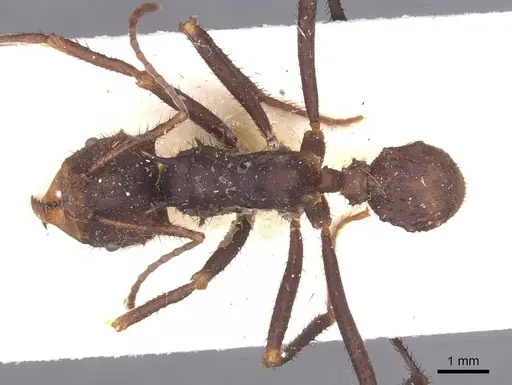
Literature
Loading...Loading products...