

Acanthostichus quadratus
- Scientific Name
- Acanthostichus quadratus
- Subfamily
- Dorylinae
- Author
- Emery, 1895
- Distribution
- Found in 5 countries
Acanthostichus quadratus Overview
Acanthostichus quadratus is an ant species of the genus Acanthostichus. It is primarily documented in 5 countries , including Argentina, Brazil, Colombia. Detailed taxonomic data and occurrence records can be further explored via authoritative databases such as AntWeb or the Global Biodiversity Information Facility (GBIF).
Acanthostichus quadratus
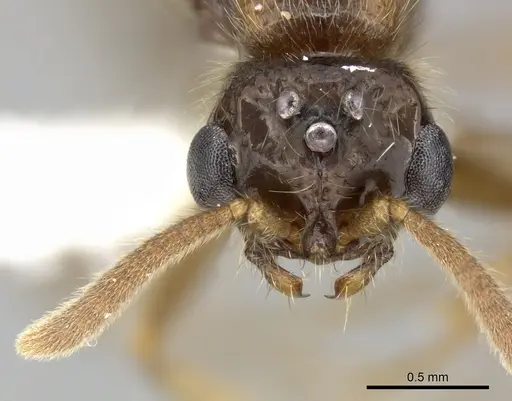
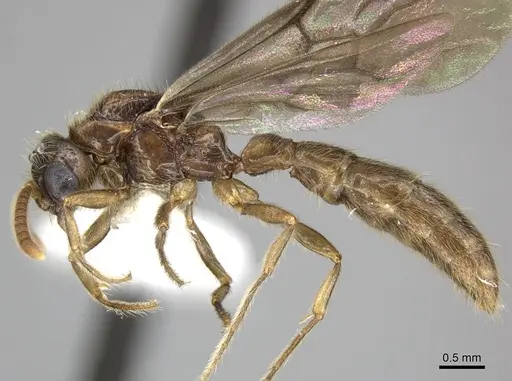
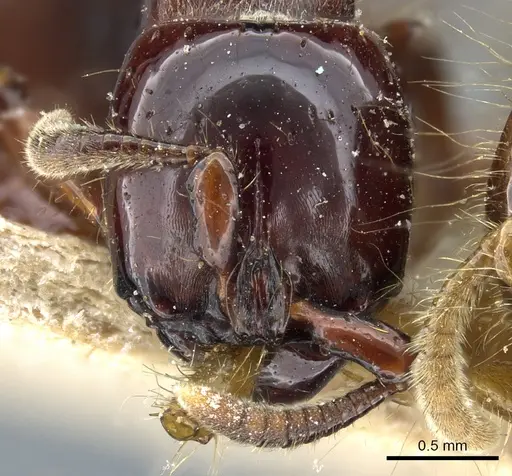
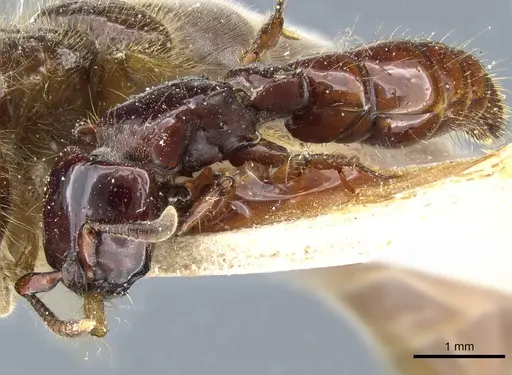
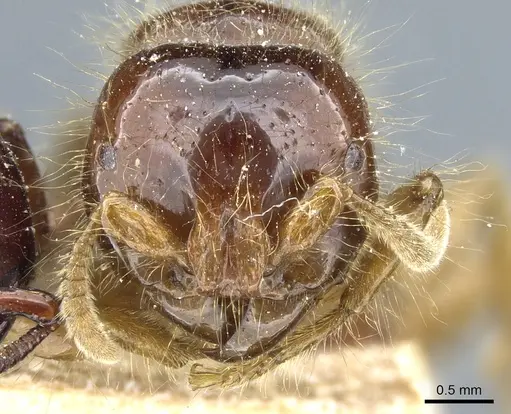
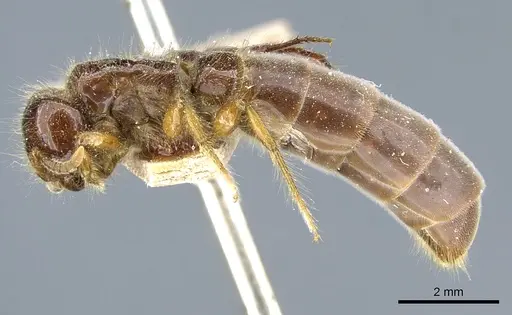
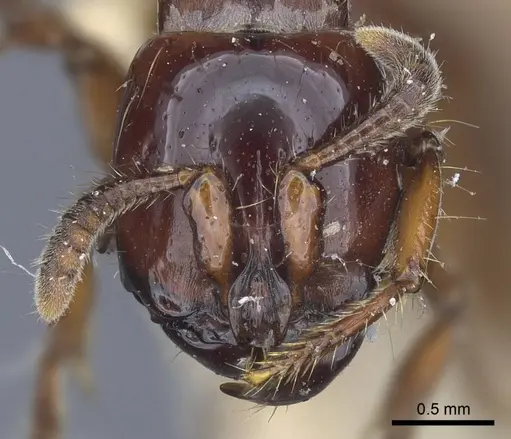
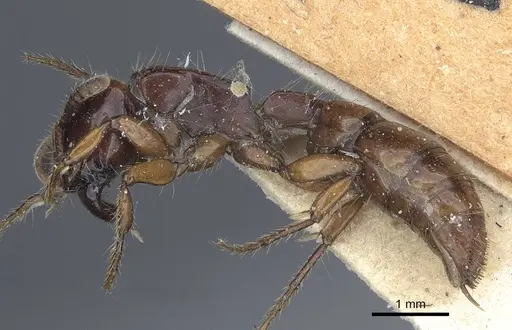
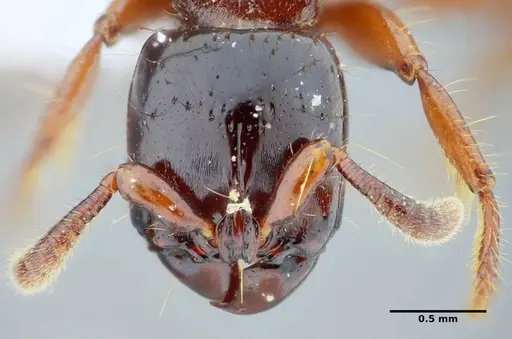
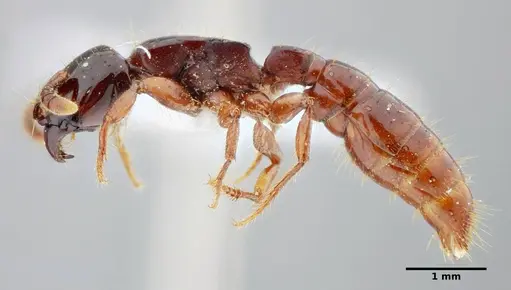
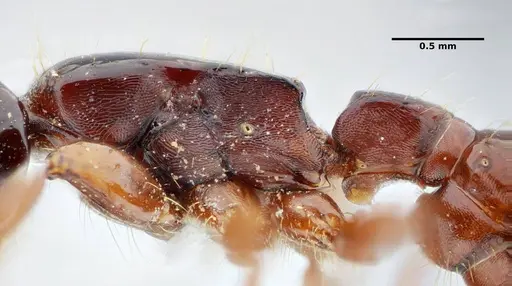
Acanthostichus quadratus is a small, cryptic ant species belonging to the Dorylinae subfamily (the army ant lineage). Workers are tiny at around 1-1.5mm in head length, with a dark reddish-brown to nearly black coloration. The species gets its name from its distinctive quadrate (square-shaped) petiole. Queens are significantly larger at around 10.5mm and are described as subdichthadiiform (army ant-like). This species is closely related to Acanthostichus serratulus but can be distinguished by the quadrate petiole. Found across the Neotropical region including Brazil, Argentina, Bolivia, Ecuador, and Peru, these ants are cryptobiotic, meaning they live almost entirely underground and are rarely seen on the surface [1][2].
Quick Summary
- Difficulty: Hard
- Origin & Habitat: Neotropical region (Argentina, Bolivia, Brazil, Ecuador, Peru). Inhabits Atlantic Forest and Amazonian regions, typically nesting subterraneanly in soil [1][2].
- Colony Type: Colony structure is unconfirmed. No specific data on queen number (monogyne vs polygyne) exists for this species.
- Size & Growth:
- Queen: ~10.5mm total length [3]
- Worker: 0.99-1.49mm head length,1.18-1.91mm mesosoma length [3]
- Colony: Unknown, limited data available
- Growth: Unknown, no development studies exist
- Development: Unconfirmed, no direct observations of colony development (No published data on egg-to-worker timeline. Being a Dorylinae species, development is likely similar to other army ants (several weeks to months), but this is an estimate based on genus-level patterns rather than confirmed data.)
- Antkeeping:
- Temperature: Aim for 24-28°C, these are tropical/subtropical ants from the Neotropics. A gentle heating gradient allows workers to regulate temperature.
- Humidity: Keep substrate consistently moist but not waterlogged. Being a subterranean species from humid Atlantic Forests, they need damp conditions [1].
- Diapause: Unknown, no specific data on overwintering requirements. Being from tropical/subtropical regions, they likely do not require true hibernation but may show reduced activity in cooler periods.
- Nesting: Subterranean nesting. In captivity, use a test tube setup with moist substrate or a naturalistic setup with deep soil layers. They prefer to nest in dark, humid underground chambers.
- Behavior: Extremely cryptic and secretive. These ants are hypogaeic (ground-dwelling) and rarely come to the surface. They forage underground and are considered part of the 'army ant guild' due to their cryptic hunting behavior [4]. Workers are small and likely escape easily, excellent escape prevention is critical. Temperament is not well-documented but being army ant relatives, they are likely predatory. No documented sting severity data exists, but given their tiny size, any sting would be negligible to humans.
- Common Issues: cryptobiotic nature makes them extremely difficult to observe and study, they spend most of their time underground, escape prevention is critical due to their tiny worker size, they can squeeze through standard test tube barriers, no published care guidelines exist, all advice is extrapolated from related species, colonies may fail due to improper humidity, they require consistently moist substrate, limited availability in the antkeeping hobby means few keeper resources exist
Natural History and Distribution
Acanthostichus quadratus is found across the Neotropical region, with confirmed records in Argentina, Bolivia, Brazil, Ecuador, and Peru [5][2]. The type specimen was actually collected from the stomach of a toad (Bufo crucifer), demonstrating just how rarely these ants are encountered above ground [6]. They inhabit the Atlantic Forest regions of Brazil and Argentina, as well as Amazonian areas. These ants are considered cryptobiotic, they live almost entirely underground and are rarely observed on the surface, which explains why they were once considered rare. Modern sampling techniques using subterranean baiting have shown they are more common than previously thought [1].
Taxonomy and Identification
This species belongs to the Dorylinae subfamily, which contains the famous army ants. However, Acanthostichus represents a more cryptic branch of this lineage. The species was originally described by Emery in 1895 and was later revised by Mackay in 1996. It was previously considered a subspecies of Acanthostichus serratulus but was elevated to full species status. The key identifying feature is the quadrate (square-shaped) petiole, which distinguishes it from the elongate petiole of A. serratulus. Workers are dark reddish-brown to nearly black, with the queen being significantly larger at around 10.5mm and having a characteristic army ant-like (dichthadiiform) appearance [3].
Foraging Behavior
Acanthostichus quadratus is a subterranean forager. Studies in Atlantic Forest Brazil have documented these ants visiting underground bait stations and even attracted to fallen fruits like those of the Syagrus romanzoffiana palm [1]. This suggests they are opportunistic foragers that will exploit underground food sources. Being part of the army ant guild, they likely hunt small invertebrates underground. Their cryptic foraging explains why they are rarely encountered, they do not form the massive surface foraging raids typical of some army ants. Instead, they operate quietly beneath the soil surface [4][1].
Housing and Nesting in Captivity
Given their subterranean nature, these ants should be provided with deep, humid substrate for nesting. A test tube setup with moist cotton works for founding colonies, but established colonies will need access to soil or a naturalistic setup. The nest chambers should be dark, these ants avoid light and will not establish colonies in exposed locations. Use a formicarium with soil or a deep acrylic nest with moist chambers. Because they are tiny, escape prevention must be excellent, even small gaps in test tube setups can allow escape. Provide a connection to an outworld for foraging, but expect most activity to occur in the nest chamber rather than on the surface.
Feeding and Diet
As Dorylinae relatives, these ants are likely predatory on small invertebrates. Based on their size and the documented attraction to underground baits, they probably accept small live prey such as springtails, fruit flies, and other tiny arthropods. The observation of them visiting fallen fruits suggests they may also exploit sugar sources, though this needs confirmation. Feed small prey items appropriate to their tiny worker size. Due to their cryptic nature, observing feeding can be difficult, you may need to check underground bait stations to confirm feeding activity. [1]
Temperature and Humidity Requirements
Being from the Neotropical region, these ants require warm and humid conditions. Aim for temperatures in the 24-28°C range, which matches their native Atlantic Forest and Amazonian habitats. Humidity should be high, keep the nest substrate consistently moist but not waterlogged. These are not dry-adapted ants. A heating cable on one side of the nest can create a temperature gradient, allowing workers to self-regulate. Avoid temperature extremes or dry conditions, which could quickly kill a colony.
Frequently Asked Questions
How long does it take for Acanthostichus quadratus to produce first workers?
This is unknown, no published data exists on the development timeline for this species. Being a Dorylinae species, development likely takes several weeks to months, but this is an estimate rather than confirmed data.
Can I keep Acanthostichus quadratus in a test tube?
Yes, a test tube setup can work for founding colonies. Use moist cotton and keep the tube in a dark, humid location. However, established colonies will need more space and substrate for nesting. Excellent escape prevention is critical due to their tiny size.
What do Acanthostichus quadratus ants eat?
They likely accept small live prey like springtails and fruit flies. Based on their attraction to underground baits and fruits in the wild, they may also accept sugar sources. Feed small prey items appropriate to their tiny worker size.
Are Acanthostichus quadratus ants aggressive?
Their temperament is not well-documented, but being army ant relatives, they are likely predatory and may show defensive behavior when their nest is disturbed. However, their tiny size means they pose minimal threat to humans.
Do Acanthostichus quadratus ants sting?
Most ants can sting, but given their tiny size (workers are only about 1-1.5mm), any sting would likely be negligible to humans. The sting apparatus exists but may be too small to penetrate human skin effectively.
What temperature do Acanthostichus quadratus ants need?
Aim for 24-28°C. These are tropical ants from the Neotropical region and require warm conditions. A gentle heating gradient allows workers to regulate their temperature.
Do Acanthostichus quadratus ants need hibernation?
This is unknown. Being from tropical/subtropical regions, they likely do not require true hibernation. They may show reduced activity in cooler periods but probably do not need a diapause period.
Why are my Acanthostichus quadratus ants dying?
Common issues include: improper humidity (too dry), temperature stress (too cold or too hot), escape through tiny gaps, and starvation if not provided appropriate small prey. Their cryptobiotic nature also means they may simply be hiding and not visible, which keepers sometimes mistake for colony death.
How big do Acanthostichus quadratus colonies get?
Unknown, no published colony size data exists for this species. Being cryptobiotic and rarely observed, even wild colony sizes are not well documented.
Is Acanthostichus quadratus a good species for beginners?
No, this is considered a difficult species to keep. Their cryptobiotic nature makes them nearly invisible in captivity, they have no published care guidelines, and their tiny size creates significant escape risks. They are best suited for experienced antkeepers interested in a challenge.
References

This caresheet is licensed under CC BY-SA 4.0 .
CASENT0249286
View on AntWeb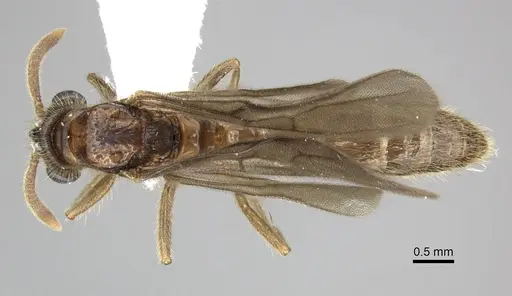
CASENT0903782
View on AntWeb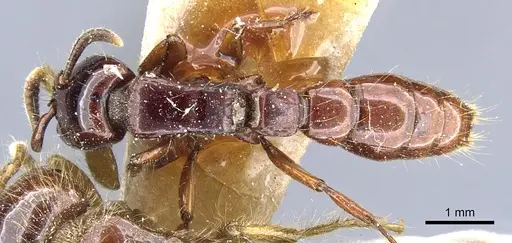
CASENT0903813
View on AntWeb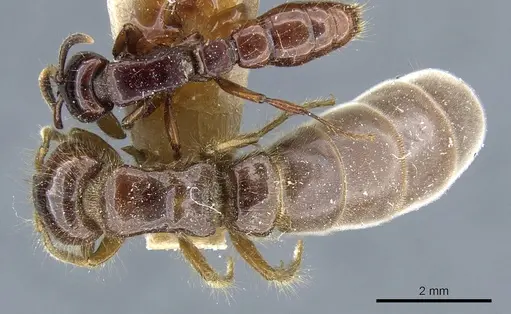
CASENT0916794
View on AntWeb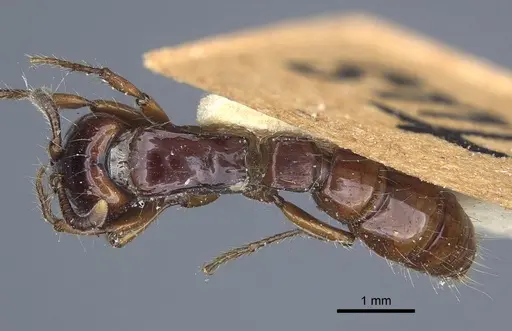
UFV-LABECOL-004315
View on AntWeb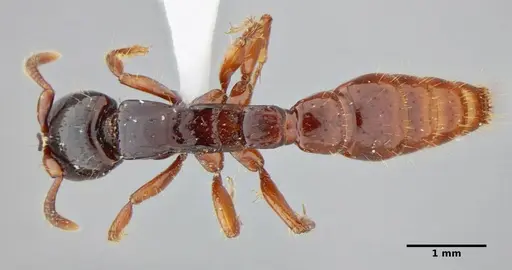
Literature
Loading...Loading products...