

Acanthostichus serratulus
- Scientific Name
- Acanthostichus serratulus
- Subfamily
- Dorylinae
- Author
- Smith, 1858
- Distribution
- Found in 1 countries
Acanthostichus serratulus Overview
Acanthostichus serratulus is an ant species of the genus Acanthostichus. It is primarily documented in 1 countries , including Brazil. Detailed taxonomic data and occurrence records can be further explored via authoritative databases such as AntWeb or the Global Biodiversity Information Facility (GBIF).
Acanthostichus serratulus
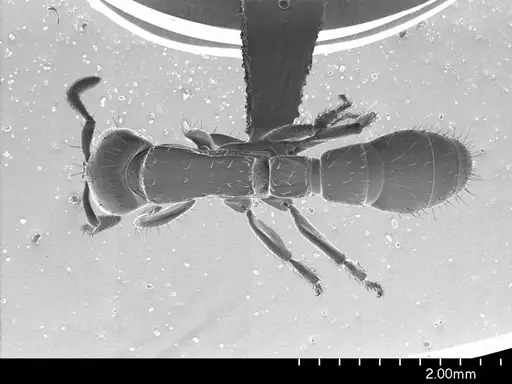
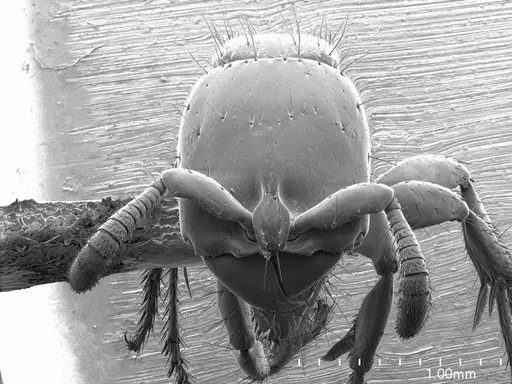
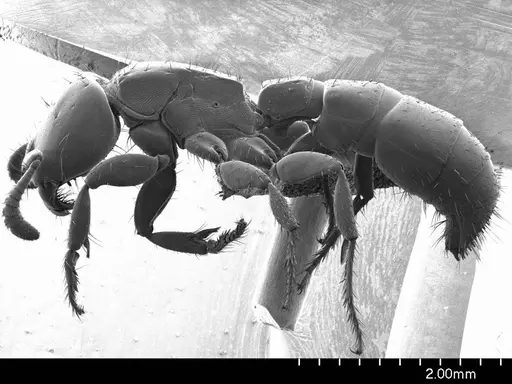
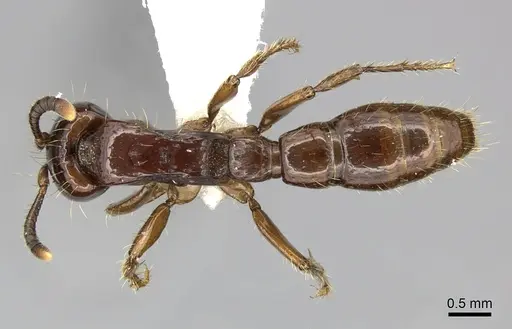
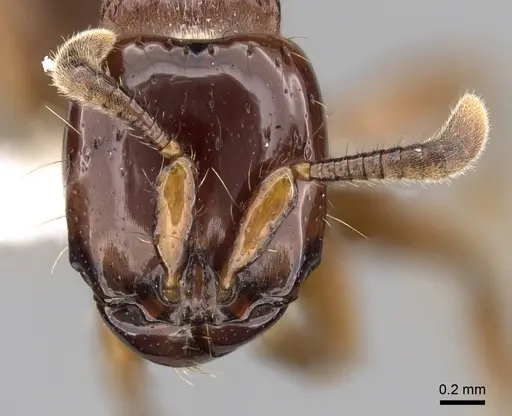
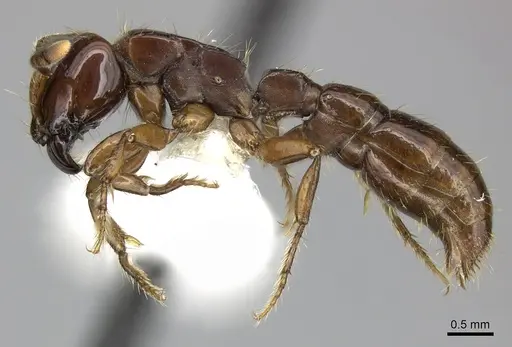
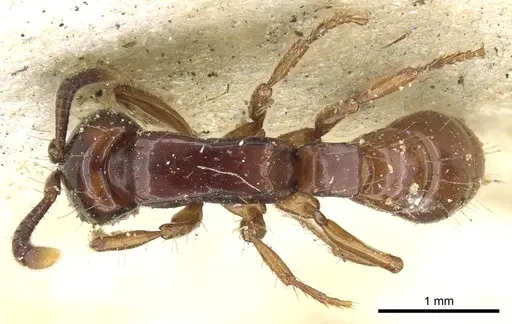
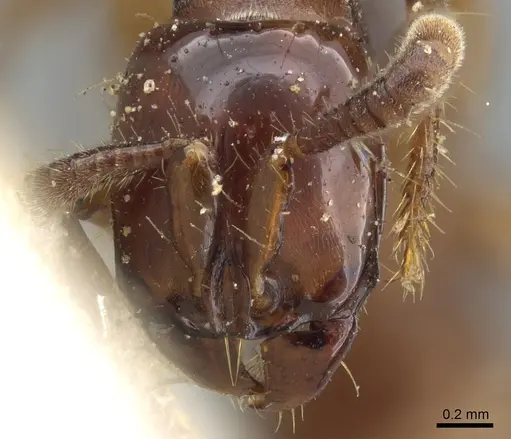
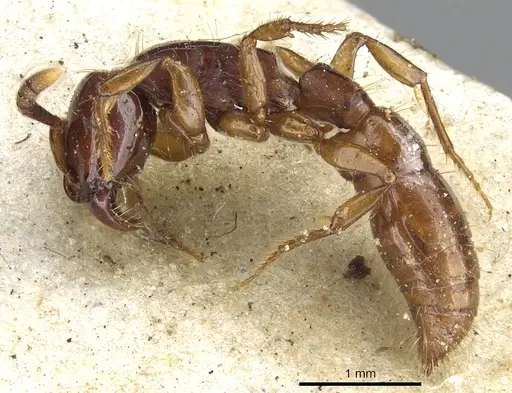
These small reddish-brown ants are easy to miss in the wild, with workers reaching only 5.5mm in length and sporting heads less than a millimeter wide [1][2]. They live hidden across the Neotropical region, from the Amazon basin of Brazil through Paraguay and down to Argentina, with scattered populations in French Guiana [2][3].
What sets them apart is their completely underground lifestyle. Researchers classify them as a "cryptic" species, meaning they spend their entire lives buried in soil, leaf litter, or rotting wood rather than foraging on the surface [4][5]. In fact, one survey found them exclusively within eucalyptus plantations, suggesting they may favor specific sheltered microhabitats deep within forest floors [6].
Quick Summary
- Difficulty: Expert
- Origin & Habitat: Neotropical region including Brazil, Argentina, Paraguay, and French Guiana, found in seasonally dry tropical forests (Caatingas) and coastal woodlands, nesting in rotting wood [2][7][1]
- Colony Type: Unknown, natural colony structure and queen number remain unstudied
- Size & Growth:
- Antkeeping:
- Temperature: Likely tropical to subtropical, start around 24-26°C based on distribution across Brazil and Paraguay [7][1]
- Humidity: High humidity required, nest in damp rotting wood in nature [2]
- Diapause: Likely not required for tropical populations, though unconfirmed
- Nesting: Naturalistic setup with rotting wood or tight-fitting Y-tong chambers, they are hypogaeic (underground-living) and need dark, confined spaces [2][5]
- Behavior: Cryptic and non-aggressive, workers rarely seen above ground. Their small head width (under 1mm) means they can squeeze through incredibly small gaps, making escape prevention extremely difficult [4][2]
- Common Issues: escape prevention is nearly impossible given their tiny head width and cryptic nature., diet requirements are completely unknown, they may refuse standard ant foods., stress from light and disturbance kills cryptic species quickly., no documented captive breeding success means founding attempts usually fail.
Natural History and Distribution
Acanthostichus serratulus inhabits a broad swath of South America, from the Amazonian regions of Brazil and French Guiana down through Paraguay to Argentina's Misiones province [2][4]. They appear particularly associated with seasonally dry tropical forests like Brazil's Caatingas biome, though they also occur in the more humid Atlantic coastal forests of southern Brazil [7][1].
These ants are classified as hypogaeic, meaning they live their entire lives below ground or within decomposing matter [5]. Unlike surface-foraging ants, they do not create visible trails or mounds. Researchers typically collect them only through soil sampling or by breaking apart rotting wood, which explains why even basic biological data like colony size remain unknown [2].
Nest Preferences
In nature, colonies nest exclusively in rotting wood, creating small chambers within decaying logs or stumps [2]. This preference for confined, humid spaces means captive colonies need similarly tight quarters.
A naturalistic setup with pieces of soft, damp rotting wood placed in a soil-based enclosure would best mimic their wild conditions. If using artificial nests, choose Y-tong or plaster with very narrow chambers and minimal open space. They require darkness and will likely stress if exposed to light or vibrations, so keep their setup in a quiet location and avoid frequent disturbances [4].
Temperature and Humidity
Given their distribution across tropical and subtropical South America, they likely prefer warm conditions between 24-26°C, though this is inferred from geography rather than direct study [7][1]. Populations from southern Brazil might tolerate slightly cooler temperatures, but no specific thermal requirements have been documented.
Humidity is critical. Their association with rotting wood suggests they need consistently damp nest material, not wet, but with the moisture content of a decaying log. Use a water tower or frequent misting to maintain soil dampness, and ensure good ventilation to prevent mold while keeping air humid [2].
Feeding and Diet
Available research does not document the diet of this species [2]. You can try offering very small live prey such as springtails or termites, as well as sugar water, but be prepared for complete refusal. Many cryptic species reject standard ant keeper foods, and this species may require specific prey items from their native habitat that remain unidentified.
Colony Founding
Founding behavior is completely unconfirmed for this species [2]. Whether queens seal themselves in to raise the first workers (claustral founding) or must hunt for food during the founding stage (semi-claustral) remains unknown.
If you obtain a queen, provide her with a small, dark chamber in damp soil with minimal disturbance. Offer both protein and sugar sources in case she needs to forage, but do not be surprised if she fails to produce workers, this is one of the least understood aspects of their biology.
Frequently Asked Questions
Can I keep Acanthostichus serratulus in a test tube?
Test tubes are probably not ideal. These ants nest in rotting wood and soil in nature, and the clear plastic and water reservoir of a test tube may stress them. A dark, naturalistic setup with damp soil and wood pieces is more likely to succeed, though success is not guaranteed given how little we know about their care.
What do Acanthostichus serratulus eat?
Their diet is unknown. You can try offering tiny live prey and sugar water, but be prepared for them to refuse food.
How long until Acanthostichus serratulus gets their first workers?
The egg-to-worker timeline is unknown for this species. Development time has never been documented, so you cannot predict when first workers will emerge.
Do Acanthostichus serratulus need hibernation?
Probably not. They come from tropical regions where temperatures remain warm year-round. However, if your colony originates from southern Brazil where winters are cooler, they might slow down seasonally. Without specific data, maintain stable warm temperatures year-round.
Are Acanthostichus serratulus good for beginners?
No. This species is suitable only for expert ant keepers. We know almost nothing about their colony founding, diet, or growth requirements, and their small size makes them extremely difficult to contain.
How big do Acanthostichus serratulus colonies get?
Colony size is unknown. No studies have documented how many workers a mature colony contains.
Can I keep multiple Acanthostichus serratulus queens together?
Combining multiple queens has not been documented and is not recommended. Whether they are single-queen or multi-queen colonies remains unknown.
Why are my Acanthostichus serratulus dying?
Deaths usually result from stress, improper humidity, or unknown dietary needs. These cryptic ants die easily from light exposure, vibration, or dry conditions. Ensure their soil stays damp like rotting wood, keep them in darkness, and avoid checking on them frequently.
References

This caresheet is licensed under CC BY-SA 4.0 .
Literature
Loading...Loading products...