Acanthognathus brevicornis - "Trap-Jaw Ant (Specific common name for this species not widely established, but the genus is known for trap-jaws)"
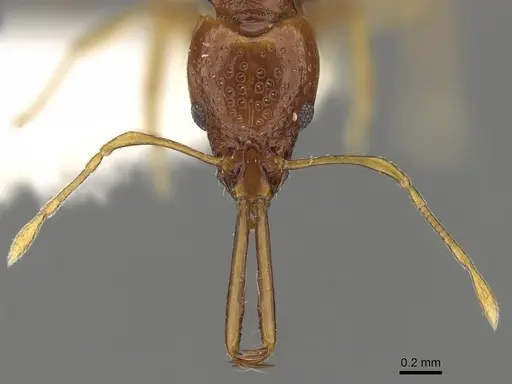
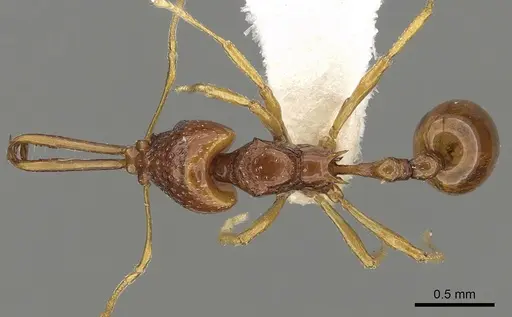
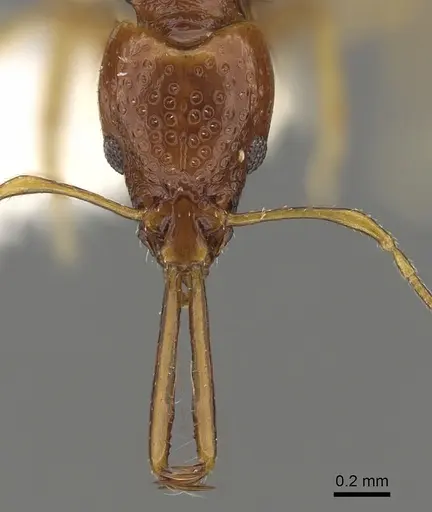
Acanthognathus brevicornis is a fascinating ant species known for its distinctive reddish coloration and incredibly long, trap-jaw mandibles, similar to those found in Odontomachus ants. These predatory ants are relatively small, with workers measuring around 3 mm in length and queens slightly larger at 3.85 mm. Their head has a somewhat shiny appearance due to sparse, subcircular depressions. Very little is currently known about their biology in the wild, making them a more enigmatic species for ant enthusiasts.
- Difficulty: Expert
- Origin & Habitat: Northwestern South America, including Brazil, Colombia, Guyana, Panama, and Peru. in Typically found in the soil or rotting wood in tropical Central and South American environments..
- Colony Type: Monogyne (though ergatoid queens exist), claustral (based on typical dacetine founding, but specific information for this species is limited) founding.
- Size & Growth:
- Queen: 3.85-3.85mm
- Worker: 3.0-3.0mm
- Colony: Small (typically less than 30 adults). Slow (based on small colony size) growth.
- Antkeeping:
- Temperature: Given their tropical origin, a stable temperature range between 24-28°C (75-82°F) is likely suitable. Avoid extreme fluctuations..
- Humidity: High humidity, around 70-90%, to mimic their natural tropical and rotting wood habitats. Maintaining a moisture gradient is crucial..
- Diapause: Not required. Not specified at Not specified.
- Nesting: Prefers naturalistic setups that mimic rotting wood or soil nests. Plaster, Ytong, or natural wood nests with good moisture retention would be ideal. Test tubes with a suitable substrate or a small, enclosed formicarium are good for founding..
- Behavior: Low (towards handler, but highly predatory towards prey) aggressiveness.
- Common Issues: Lack of suitable live prey, Inadequate humidity, Overly large nest leading to stress, Mold in nest (due to high humidity), Colony stalling due to stress.
Keeping Acanthognathus brevicornis can be quite a challenge due to their specialized needs and the limited information available on their biology. These unique trap-jaw ants are known to be predatory, and while their exact feeding habits in the wild are not well documented, other species in the Acanthognathus genus are thought to hunt small arthropods like springtails (collembola) using their distinctive mandibles. Providing a consistent supply of appropriately sized live prey will be essential for their well-being and colony development.
Their natural habitat suggests they thrive in decaying wood or within the soil, indicating a need for high humidity and possibly a substrate that retains moisture well. Replicating these conditions in a formicarium is critical. Consider a nest setup that offers a moisture gradient, allowing the ants to choose their preferred humidity level. Overly dry conditions can quickly lead to stress and colony decline, so consistent monitoring of moisture levels is paramount.
Colony sizes for Acanthognathus brevicornis are known to be quite small, typically fewer than 30 adults. This means they require a very compact and secure nesting environment. Avoid placing them in overly large setups, which can cause stress and make foraging difficult for such a tiny colony. A small founding formicarium or even a test tube setup with a suitable substrate might be the best initial housing choice.
Observation of these ants can be incredibly rewarding, especially watching their trap-jaw mandibles in action. However, their timid nature and small colony size mean they might be prone to stress from excessive vibrations or bright lights. Provide a quiet and dimly lit environment for their nest to ensure they feel secure and can thrive. Minimize disturbances to allow them to establish themselves comfortably.
Frequently Asked Questions
What kind of prey do Acanthognathus brevicornis eat?
While specific diet information for Acanthognathus brevicornis is limited, the genus is known for being predatory. They likely hunt small arthropods, such as springtails (collembola). Offering a variety of small, live insects is recommended to see what they prefer.
How large do Acanthognathus brevicornis colonies get?
Acanthognathus brevicornis colonies are quite small, typically consisting of fewer than 30 adult ants. This makes them a unique and challenging species for antkeepers looking for more intimate colonies.
What's the best nest setup for Acanthognathus brevicornis?
Given their natural preference for soil or rotting wood, a nest that can maintain high humidity and offer a moisture gradient is ideal. Small, naturalistic setups like a mini-formicarium with a wood or plaster insert, or even an advanced test tube setup with substrate, would be most suitable to mimic their natural ant habitats.
Do Acanthognathus brevicornis need diapause?
As a tropical species originating from South America, Acanthognathus brevicornis does not require diapause (a period of hibernation) for successful colony development. Maintaining stable, warm temperatures year-round is key for their ant care.
Are Acanthognathus brevicornis queens claustral or semi-claustral?
While direct information on Acanthognathus brevicornis founding is scarce, most dacetine ants, which this species belongs to, are considered claustral. This means the queen seals herself in a chamber and raises her first brood without needing to forage.
How aggressive are Acanthognathus brevicornis?
Towards handlers, these ants are generally low in aggressiveness. Their primary aggression is directed towards their prey, which they subdue with their specialized trap-jaws. They are quite timid and easily stressed by disturbances.
What is an 'ergatoid queen' in Acanthognathus brevicornis?
An 'ergatoid queen' refers to a reproductive female ant that resembles a worker rather than a typical winged queen. Acanthognathus brevicornis is known to have both winged and ergatoid queens, adding to their unique ant behavior.
What humidity levels are best for Acanthognathus brevicornis?
These ants thrive in high humidity, ideally between 70-90%. Consistency is crucial, and providing a humidity gradient within their formicarium allows them to choose their preferred moisture level.
Are Acanthognathus brevicornis good for beginner antkeepers?
No, Acanthognathus brevicornis is considered an 'Expert' level species. Their specialized dietary needs, strict humidity requirements, and small colony size make them challenging to keep successfully, making them unsuitable for new antkeepers.
How long does it take for Acanthognathus brevicornis eggs to become workers?
Specific timelines for their life cycle (egg to worker) are not well documented. However, ant species with small colony sizes often have a slower development rate compared to large, fast-growing colonies.