

Zasphinctus trux
- Scientific Name
- Zasphinctus trux
- Subfamily
- Dorylinae
- Author
- Brown, 1975
- Distribution
- Found in 1 countries
Zasphinctus trux Overview
Zasphinctus trux is an ant species of the genus Zasphinctus. It is primarily documented in 1 countries , including Australia. Detailed taxonomic data and occurrence records can be further explored via authoritative databases such as AntWeb or the Global Biodiversity Information Facility (GBIF).
Zasphinctus trux
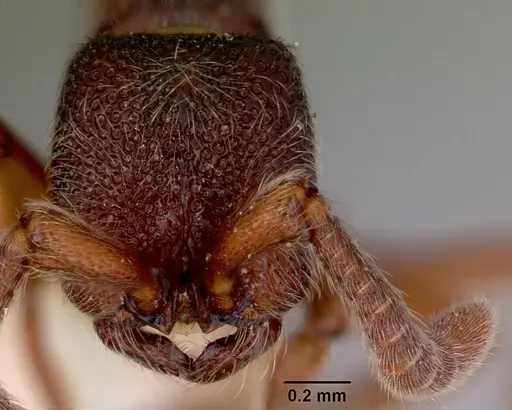
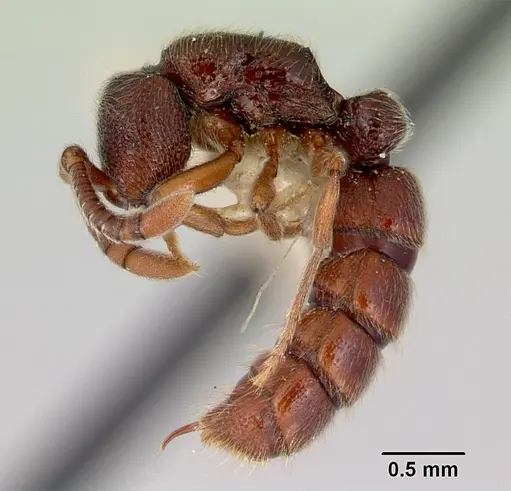
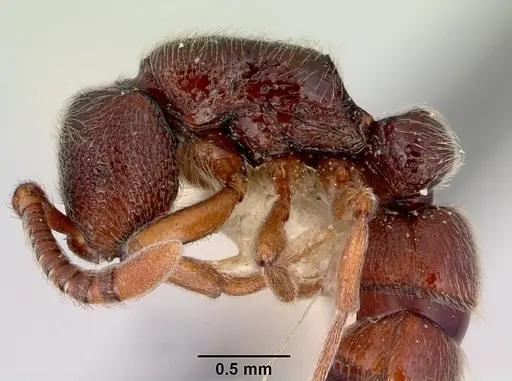
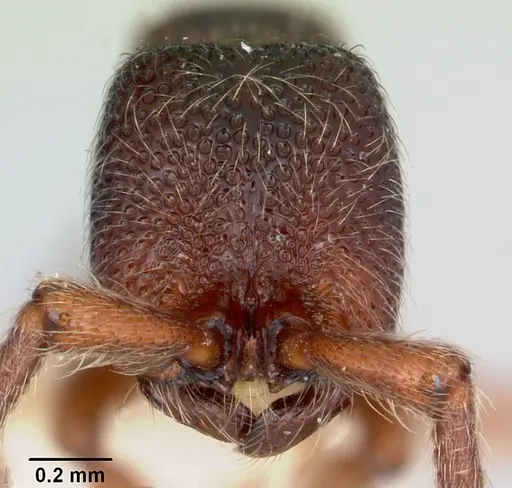
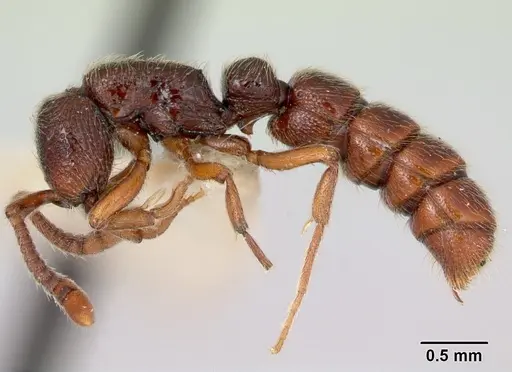
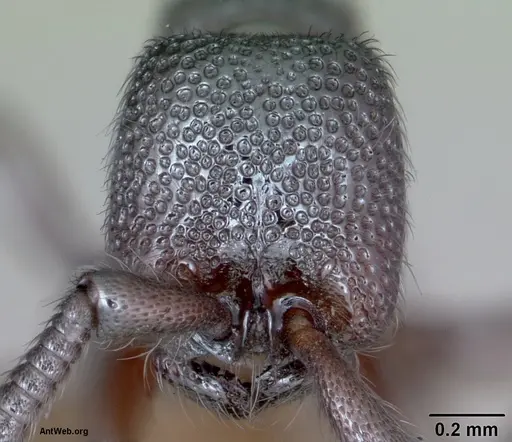
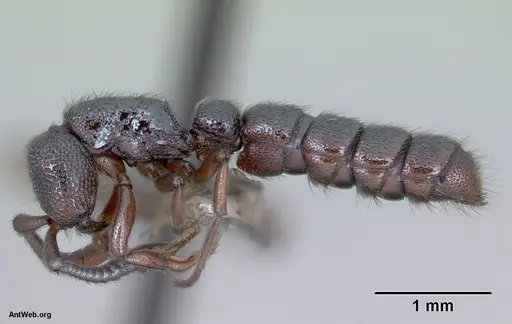
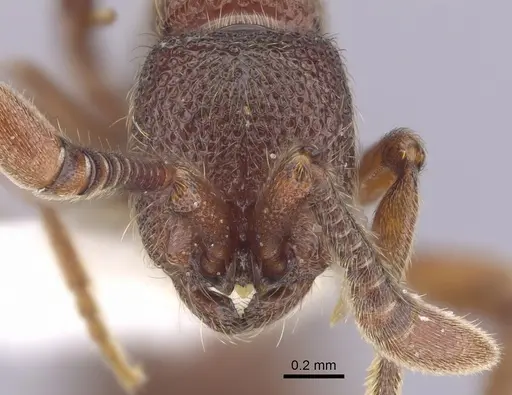
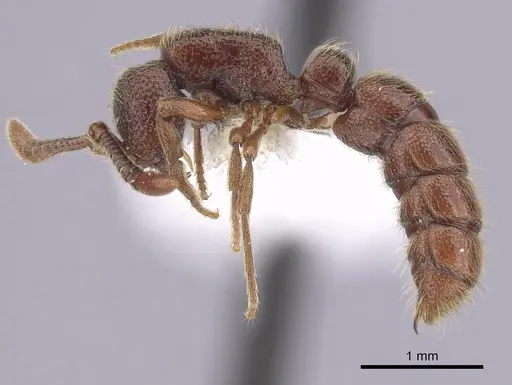
Zasphinctus trux is a tiny predatory ant belonging to the Dorylinae subfamily, formerly classified as Zasphinctus trux. Workers are among the smallest ants in the genus, measuring just 0.74-0.84mm in head width and 1.12-1.26mm in total body length [1]. They have 12-segmented antennae, a truncate pygidium (the tip of the abdomen is flat when viewed from above), and a subtriangular subpetiolar process. Their eyes are reduced to small pigmented dots on the sides of the head, indicating a subterranean lifestyle [1]. The body surface is somewhat smooth and shiny, particularly on the mesosoma and petiolar node [1]. This species is native to Australia.
Quick Summary
- Difficulty: Unknown, likely Expert
- Origin & Habitat: Australia. Based on related Dorylinae species, they likely inhabit soil or rotting wood in forested areas.
- Colony Type: Unknown colony structure. Dorylinae ants often have unique social structures including ergatoid (wingless) queens, but this has not been documented for Z. trux specifically.
- Size & Growth:
- Queen: Undocumented, estimated 3-4mm based on genus patterns
- Worker: 0.74-0.84mm head width,1.12-1.26mm total length [1]
- Colony: Unknown, likely small colonies of dozens to a few hundred workers based on typical Dorylinae patterns
- Growth: Unknown
- Development: Unconfirmed, estimated 4-8 weeks based on typical Dorylinae development at tropical temperatures (Direct development data unavailable for this species. Dorylinae ants typically develop relatively quickly in warm conditions.)
- Antkeeping:
- Temperature: Start around 24-28°C and observe colony activity. No specific data exists for this species, but related tropical Dorylinae prefer warm conditions.
- Humidity: Keep substrate moderately moist. Dorylinae ants are typically subterranean and prefer damp, stable conditions.
- Diapause: Unknown, Australian tropical/subtropical species may not require strong diapause, but may slow down during cooler months.
- Nesting: Use a naturalistic setup with moist substrate (soil or sand-clay mix). Given their tiny size and subterranean nature, test tubes with cotton-plugged water reservoirs or small acrylic nests with tight chambers work well. Provide deep soil layers for tunneling.
- Behavior: Behavior is poorly documented. As Dorylinae, they are likely predatory on small invertebrates and may use chemical defenses rather than stinging. Their reduced eyes suggest minimal visual foraging, they probably hunt using chemical cues. Escape prevention is critical due to their extremely small size, they can squeeze through gaps invisible to the human eye. Use fine mesh barriers and tight-fitting lids.
- Common Issues: escape prevention is critical due to their tiny size, they can slip through standard barrier gaps, no documented care requirements means trial and error is required, predatory diet may be difficult to satisfy, may require live micro-prey, slow or absent colony growth documented in captivity for poorly studied species, unknown whether they accept sugar sources, may be strictly predatory
Understanding Zasphinctus trux
Zasphinctus trux is a rarely kept species in the antkeeping hobby, with very limited documented care information. Originally classified as Zasphinctus trux, it was reclassified into the genus Zasphinctus based on taxonomic revisions [1]. This species is native to Australia, where it inhabits the leaf litter and soil layer, typical of many small Dorylinae ants.
The most distinctive physical features are its extremely small size (workers are under 1.3mm total length), reduced eyes that appear as just pigmented dots, and a truncate pygidium [1]. These characteristics suggest a fully subterranean lifestyle where visual cues are less important than chemical communication.
Because this species has never been documented in captive breeding, all care recommendations are educated guesses based on what we know about related Dorylinae species and general antkeeping principles. Be prepared to experiment and document your own findings.
Housing and Nest Setup
Given their tiny size and likely subterranean nature, Zasphinctus trux requires careful housing setup. A small test tube setup with a cotton-plugged water reservoir works well for founding colonies, the small diameter provides the tight spaces these ants prefer. For established colonies, a small acrylic nest or naturalistic setup with deep, moist substrate allows for tunneling behavior.
The nest material should hold moisture well without becoming waterlogged. A mix of sandy soil and clay works well for maintaining tunnels. Provide a hydration chamber connected to the nest area so workers can access water without leaving the nest.
Because of their minute size, standard formicarium connections may be too large. Use tubing with internal diameters of 3-4mm or less, and ensure all barriers are escape-proof. Fluon applied to barrier edges helps prevent escapes.
Feeding and Diet
As Dorylinae ants, Zasphinctus trux is likely primarily predatory, hunting small invertebrates in the soil. In captivity, they will probably accept small live prey such as springtails, tiny isopods, and fruit fly larvae. Offer prey items appropriately sized to their worker ants, anything larger than themselves will likely be ignored.
The acceptance of sugar sources is completely unknown for this species. Some Dorylinae do not attend honeydew or nectars, while others do. You can offer a small drop of honey water or sugar water occasionally, but do not rely on it as a primary food source. Focus on providing regular small live prey items.
Feed small amounts every 2-3 days and remove any uneaten prey within 24 hours to prevent mold issues in the humid nest environment.
Temperature and Humidity
No specific temperature requirements are documented for Zasphinctus trux. As an Australian species from likely tropical to subtropical regions, start with temperatures in the 24-28°C range. Observe your colony, if workers are clustering near the heated side of the nest, increase temperature slightly, if they avoid heat sources, reduce temperature.
Humidity should be moderate to high in the nest area. The substrate should feel damp but not soggy, squeeze a handful and it should hold its shape without dripping water. Dorylinae ants typically avoid both completely dry and waterlogged conditions.
Avoid placing heating elements directly on the water reservoir, as this causes excessive evaporation. Instead, use gentle background room heating or a heating cable running beneath one side of the nest to create a temperature gradient.
Behavior and Temperament
The behavior of Zasphinctus trux in captivity has never been documented, so all observations are inferences from related species. Dorylinae ants are typically not aggressive toward humans and rely on chemical defenses rather than stinging. Their small size means any potential sting would be negligible.
Their reduced eyes suggest they are not visually oriented, they will likely navigate and communicate using chemical pheromones, as is typical for subterranean ants. You may observe tandem-running or chemical trail-following when food is discovered.
Activity level is unknown but likely moderate. These ants probably spend most of their time foraging in the soil layer rather than actively patrolling on the surface.
Frequently Asked Questions
How long does it take for Zasphinctus trux to raise first workers?
The egg-to-worker timeline is unconfirmed for this species. Based on typical Dorylinae development at warm temperatures (26-28°C), expect approximately 4-8 weeks from egg to first nanitic worker. However, this is purely an estimate since no direct development data exists for Z. trux.
What do Zasphinctus trux ants eat?
Their diet is not documented, but as Dorylinae they are likely predatory. Offer small live prey such as springtails, fruit fly larvae, and tiny isopods. Sugar acceptance is unknown, you can offer honey water occasionally but do not rely on it as a primary food source.
Can I keep Zasphinctus trux in a test tube?
Yes, test tubes work well for founding colonies. Use a small diameter tube (10-12mm) with a cotton-plugged water reservoir. The tight space mimics their natural subterranean tunnels. Ensure the cotton is packed firmly to prevent escapes.
Do Zasphinctus trux ants sting?
Dorylinae ants have reduced stingers and typically rely on chemical defenses (spraying formic acid or other secretions) rather than stinging. Given their tiny size, any sting would be negligible to humans.
Are Zasphinctus trux good for beginners?
No. This species is not recommended for beginners due to completely undocumented care requirements, tiny size making escape likely, and the difficulty of providing appropriate live prey. Only experienced antkeepers willing to experiment should attempt this species.
How big do Zasphinctus trux colonies get?
Colony size is unconfirmed. Based on typical Dorylinae patterns and their very small worker size, colonies likely reach dozens to a few hundred workers rather than large colonies.
Do Zasphinctus trux need hibernation?
Diapause requirements are unknown. As an Australian species from likely tropical regions, they probably do not require a true hibernation. However, they may slow activity during cooler months, you can reduce temperatures to around 18-20°C for a few months if the colony shows signs of dormancy.
Why are my Zasphinctus trux escaping?
Their extremely small size (under 1.3mm) means they can squeeze through gaps invisible to the human eye. Use fine mesh (at least 0.5mm), apply Fluon to all barrier edges, and check for any tiny gaps in your setup. Even a hairline crack is enough for them to escape.
When should I move Zasphinctus trux to a formicarium?
There is no established guidance for this species. As a general rule, move when the test tube becomes crowded (30+ workers) or the water reservoir needs frequent refilling. Use a small formicarium with appropriately sized tunnels, standard formicarium chambers are likely too large.
Can I keep multiple Zasphinctus trux queens together?
Colony structure is unconfirmed. Combining unrelated queens has not been documented and is not recommended. Dorylinae colony structures vary widely, some are single-queen, others are multi-queen, and some have ergatoid replacement reproductives.
References

This caresheet is licensed under CC BY-SA 4.0 .
CASENT0172079
View on AntWeb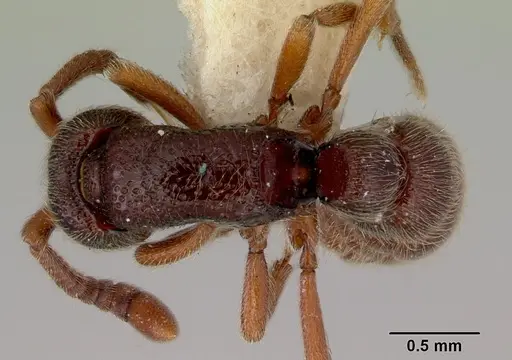
CASENT0173065
View on AntWeb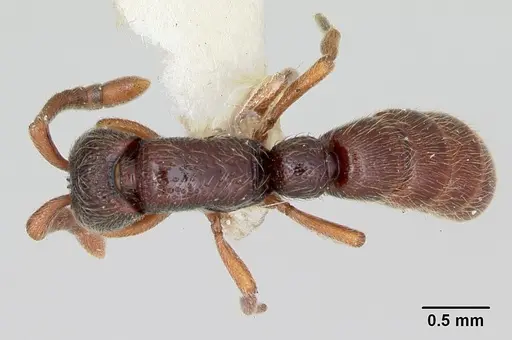
CASENT0173066
View on AntWeb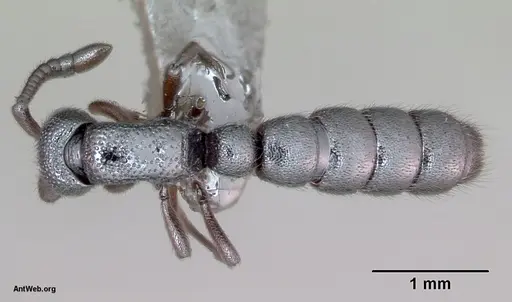
CASENT0249333
View on AntWeb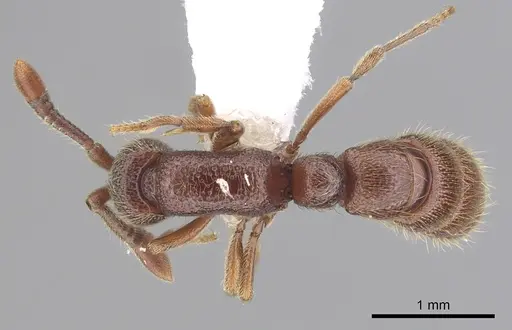
Literature
Loading...Loading products...