

Zasphinctus sarowiwai
- Scientific Name
- Zasphinctus sarowiwai
- Subfamily
- Dorylinae
- Author
- Hita Garcia, 2017
- Distribution
- Found in 2 countries
Zasphinctus sarowiwai Overview
Zasphinctus sarowiwai is an ant species of the genus Zasphinctus. It is primarily documented in 2 countries , including Cameroon, Uganda. Detailed taxonomic data and occurrence records can be further explored via authoritative databases such as AntWeb or the Global Biodiversity Information Facility (GBIF).
Zasphinctus sarowiwai
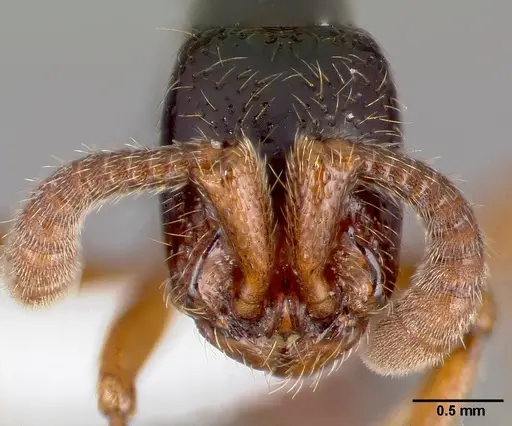
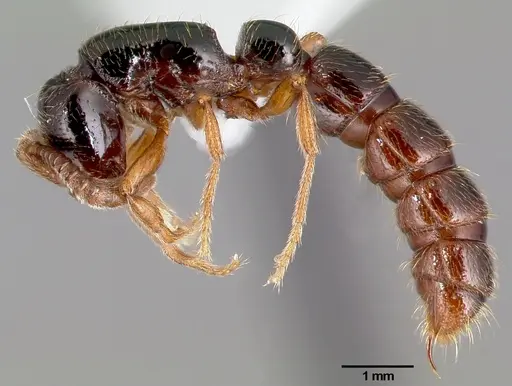
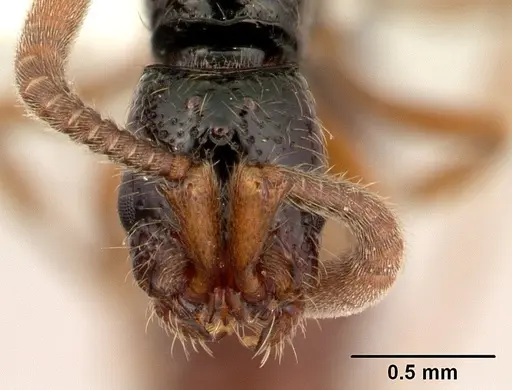
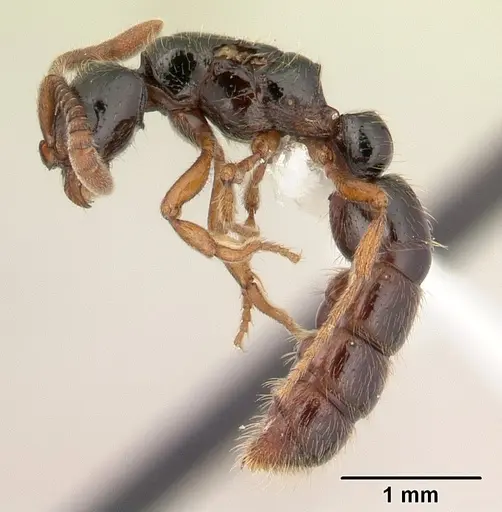
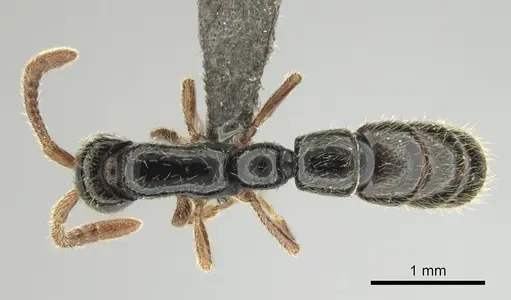
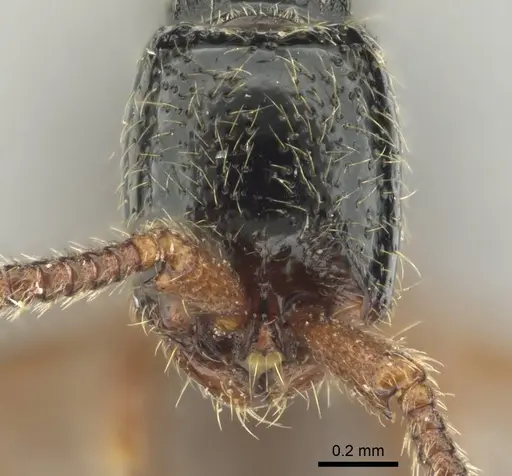
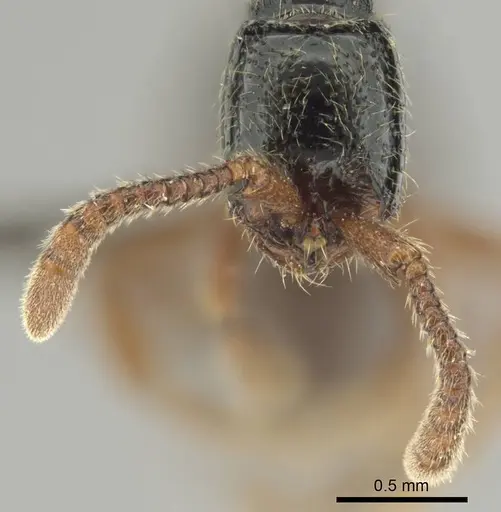
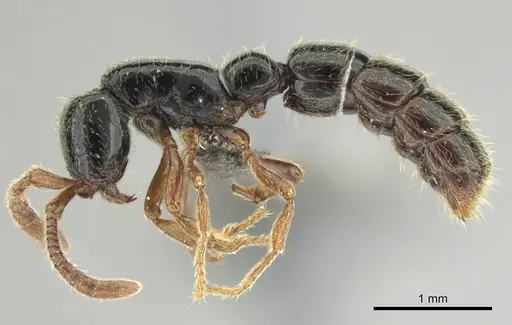
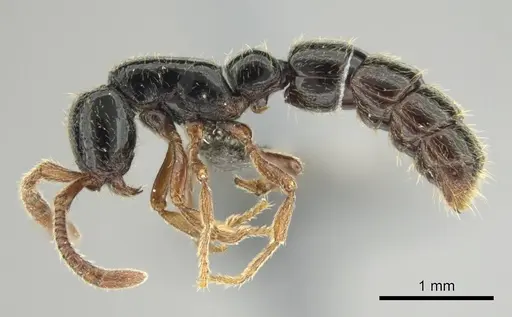
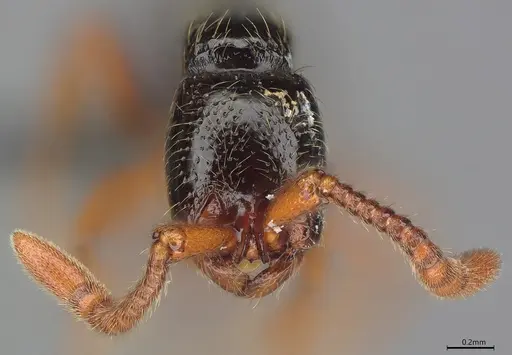
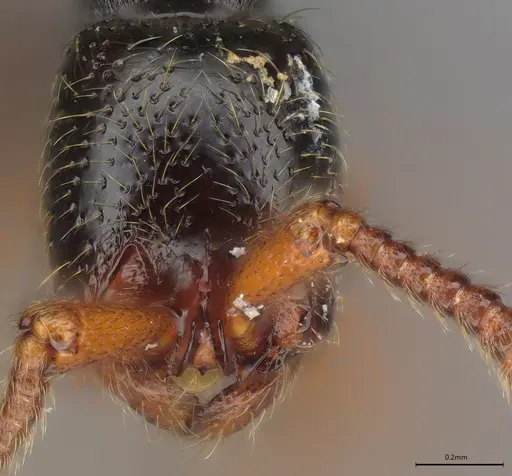
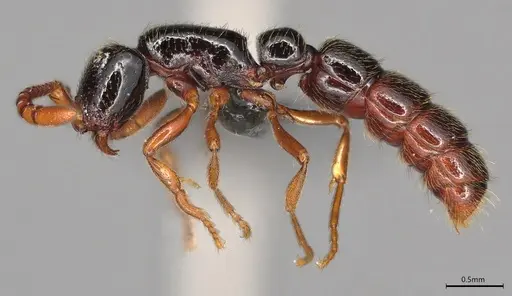
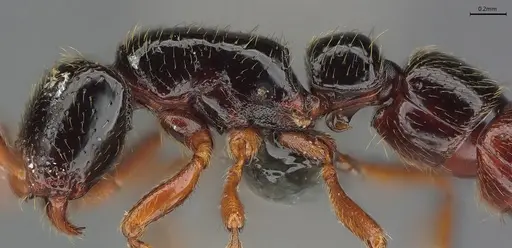
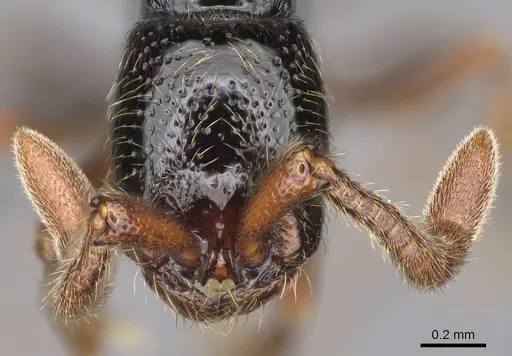
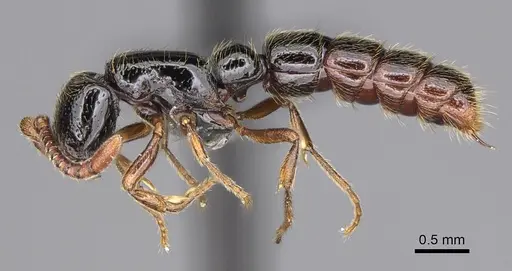
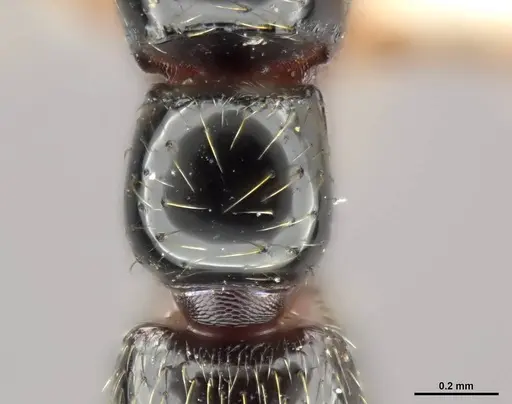
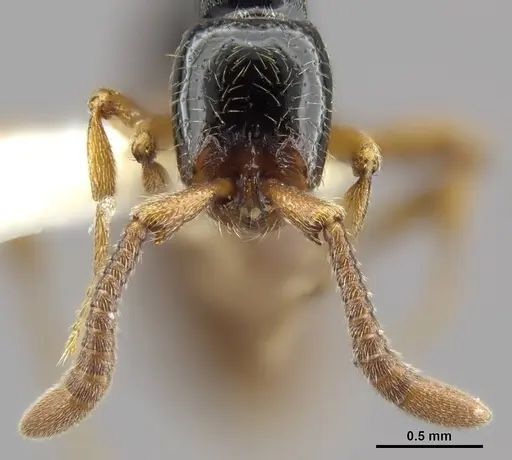
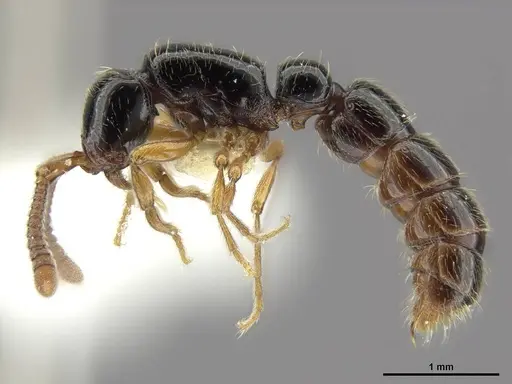
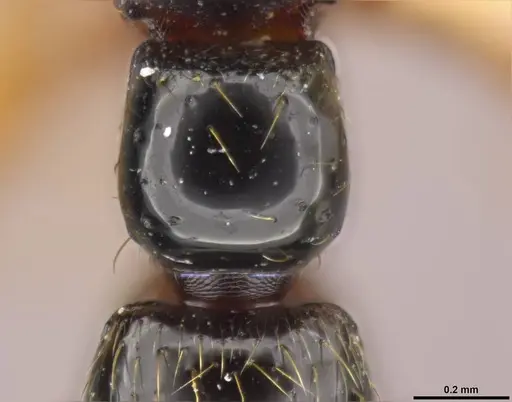
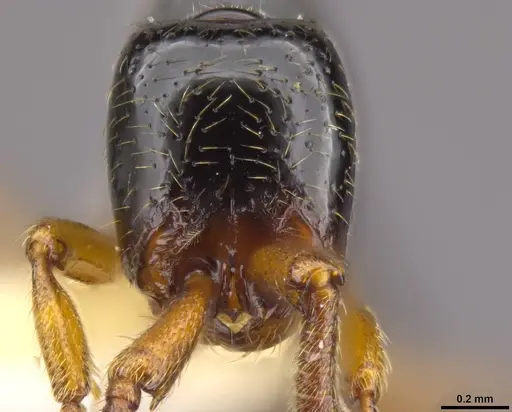
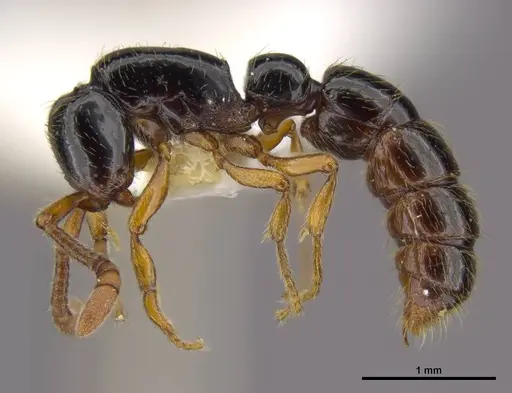
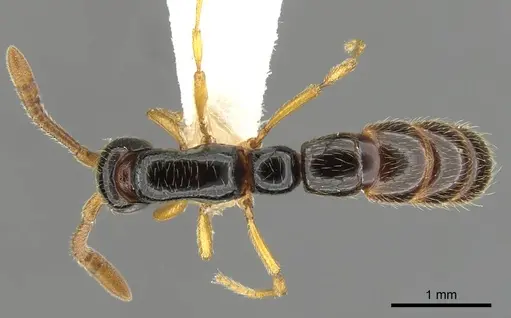
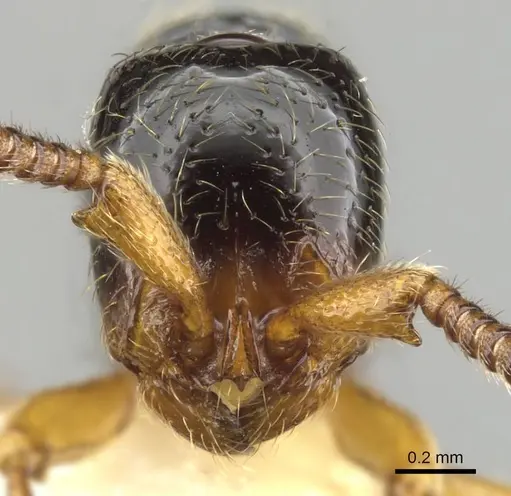
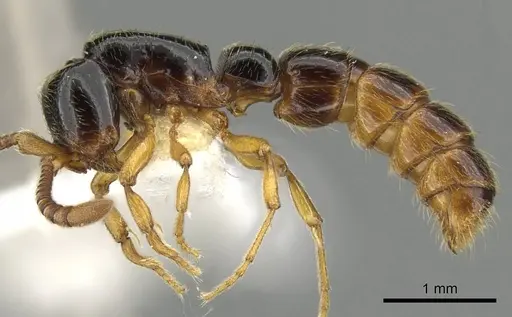
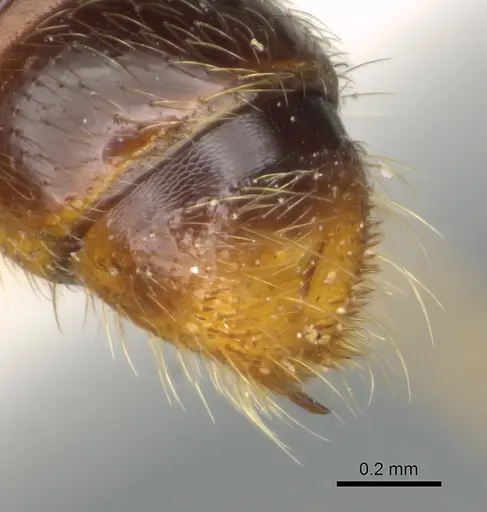
Zasphinctus sarowiwai is a relatively large, smooth-bodied ant belonging to the Dorylinae subfamily (army ant relatives). Workers measure 0.86-0.89mm in head length and 1.20-1.30mm in mesosoma length, making them among the larger species in the genus [1][2]. They have a distinctive thick head with a median clypeal tooth, a compact mesosoma, and an almost completely smooth and very shiny cuticle. The body is uniformly very dark brown to black in specimens from Cameroon and Uganda [1]. This species was named in honor of Nigerian environmentalist Ken Saro-Wiwa to draw attention to conservation issues in African rainforests [1].
Quick Summary
- Difficulty: Expert
- Origin & Habitat: Afrotropical rainforest regions of Cameroon, at elevations from 250-1510m. The species lives in soil and leaf litter in rainforest habitats [1][2].
- Colony Type: Unknown, colony structure has not been documented. Related Dorylinae species typically have single-queen colonies, but this has not been confirmed for Z. sarowiwai.
- Size & Growth:
- Queen:{.size-link} Undescribed, queen caste has not been documented in scientific literature [1][2].
- Worker:{.size-link} 0.86-0.89mm head length,1.20-1.30mm mesosoma length [2]. Estimated based on genus.
- Colony: Unknown, no colony size data available.
- Growth: Unknown, no development data available.
- Development: Unconfirmed, no direct observations of colony development exist. Based on typical Dorylinae patterns, estimate 4-8 weeks at optimal temperature, but this is speculative. (Development timeline is unconfirmed. No data on founding behavior, brood development, or nanitic worker production.)
- Antkeeping:
- Temperature: Inferred from rainforest habitat: aim for 24-28°C with a gentle gradient. This species comes from warm, humid African rainforests, so maintain consistently warm conditions [1].
- Humidity: Inferred from rainforest leaf litter habitat: keep substrate consistently moist but not waterlogged. Provide a humidity gradient with a damp side and slightly drier area for choice. Think damp forest floor conditions.
- Diapause: Unknown, no seasonal data available. Given the tropical rainforest origin, diapause is likely not required, but this is unconfirmed.
- Nesting: Inferred from natural habitat: soil and leaf litter dweller. A naturalistic setup with moist substrate (like a terrarium-style formicarium) or a well-humidified acrylic/plaster nest would be appropriate. Avoid dry conditions.
- Behavior: Temperament is unconfirmed, but related Dorylinae are typically predatory and may have some defensive capabilities. Escape risk is moderate, these are small ants requiring standard barrier precautions. No specific behavioral observations have been documented in captivity [1].
- Common Issues: complete lack of captive husbandry information makes proper care extremely speculative, no documented feeding preferences or acceptance of captive foods, founding behavior unknown, may be difficult to establish colonies, humidity requirements may be easily misjudged, leading to mold or desiccation, wild-caught colonies may have high parasite loads due to limited sampling data
Species Overview and Identification
Zasphinctus sarowiwai is a recently described African ant species in the Dorylinae subfamily. Workers are relatively large for the genus, measuring 0.86-0.89mm in head length and 1.20-1.30mm in mesosoma length [2]. They can be identified by their thick head (cephalic index 82-86), conspicuous median clypeal tooth, compact mesosoma, and almost completely smooth, very shiny body surface [1]. The species was originally described in 2017 from Cameroon and was thought to have a wide distribution from Ivory Coast to Uganda, but a 2025 revision using 3D micro-CT scanning revealed that specimens from outside Cameroon were actually different species, making Z. sarowiwai known only from Cameroon [2]. The species was named to honor Nigerian environmentalist Ken Saro-Wiwa and to highlight conservation concerns in African rainforests [1].
Natural History and Habitat
In the wild, Zasphinctus sarowiwai lives in African rainforest environments at elevations between 250 and 1510 meters [1]. They are found in soil and leaf litter, making them cryptic, ground-dwelling ants that are rarely observed [1]. The type locality is Mbalmayo in Cameroon's Centre Province, a rainforest area at approximately 600m elevation [2]. Specimens from Uganda and Cameroon are uniformly very dark brown to black, while specimens from West Africa (now known to be different species) had lighter abdomens and brighter legs [1]. Almost no intraspecific variation was observed despite what was previously thought to be a wide distribution [1].
Housing and Nesting
Since this species naturally lives in soil and leaf litter in rainforests, a naturalistic setup with moist substrate is the most appropriate captive environment. A terrarium-style formicarium with a deep layer of humid soil or a well-humidified acrylic/plaster nest would suit their needs. The key requirement is maintaining consistently moist (but not waterlogged) substrate that mimics the damp forest floor conditions they inhabit in the wild. Provide some leaf litter or hiding structures on the surface. Ensure excellent escape prevention, these are small ants that can squeeze through standard gaps. Ventilation should be adequate to prevent mold while maintaining humidity. [1]
Temperature and Care Requirements
As a rainforest species from equatorial Africa, Zasphinctus sarowiwai requires warm, humid conditions. Aim for temperatures in the 24-28°C range, which is typical for tropical rainforest ants. A heating cable on one side of the nest can create a temperature gradient, allowing the ants to self-regulate. Humidity should be high, keep the substrate consistently moist but not saturated. A water reservoir or moisture system in the nest helps maintain appropriate humidity levels. Given the complete lack of captive data for this species, these recommendations are based on typical rainforest ant requirements and should be adjusted based on observed colony behavior. [1]
Feeding and Diet
Feeding recommendations for Zasphinctus sarowiwai are speculative since no captive feeding observations have been documented. As a Dorylinae species, they likely have predatory tendencies similar to other army ant relatives. Based on genus-level inference, they probably accept small live prey such as springtails, fruit flies, and other micro-arthropods. Sugar sources may or may not be accepted, offer honey or sugar water occasionally but do not rely on these as primary food. Given the uncertainty, start with live prey and observe acceptance. Remove uneaten prey after 24-48 hours to prevent mold.
Challenges and Limitations
Zasphinctus sarowiwai is one of the least suitable species for antkeeping due to the complete absence of documented captive husbandry information. No one has successfully kept this species in captivity to our knowledge. The queen caste remains undescribed, colony structure is unknown, founding behavior is unconfirmed, and development timelines are completely speculative. This makes proper care extremely difficult, if not impossible, to achieve. For these reasons, Z. sarowiwai should only be attempted by expert antkeepers with the resources to experiment extensively and document their findings. If you obtain this species, detailed record-keeping would contribute valuable knowledge to the antkeeping community. [1][2]
Frequently Asked Questions
How do I keep Zasphinctus sarowiwai ants?
This is extremely challenging since no captive husbandry information exists for this species. Based on their rainforest habitat, provide a naturalistic setup with moist soil substrate, maintain temperatures around 24-28°C, and high humidity. Expect a steep learning curve as there are no established care protocols.
What do Zasphinctus sarowiwai ants eat?
Feeding is unconfirmed. As Dorylinae, they likely accept small live prey. Start with springtails, fruit flies, or micro-arthropods and observe acceptance. Sugar sources may be experimental. No one has documented captive feeding for this species.
How big do Zasphinctus sarowiwai colonies get?
Unknown, colony size has not been documented in scientific literature. No data exists on maximum colony size or growth patterns.
Do Zasphinctus sarowiwai ants sting?
Dorylinae ants generally have functional stingers, but specific stinging behavior for this species is unconfirmed. Exercise standard precautions when handling.
Are Zasphinctus sarowiwai good for beginners?
No. This species is not suitable for beginners due to the complete lack of captive care information. It is one of the most poorly documented species in the antkeeping hobby. Expert-level experience is strongly recommended.
What is the queen of Zasphinctus sarowiwai like?
The queen caste has not been described in scientific literature. No specimens have been documented, so size, coloration, and reproductive biology are completely unknown.
Do Zasphinctus sarowiwai need hibernation?
Unknown, no seasonal data exists. Given their tropical rainforest origin (Cameroon, equatorial Africa), diapause is likely not required, but this is unconfirmed.
Where is Zasphinctus sarowiwai found?
Currently confirmed only from Cameroon, specifically the Mbalmayo area in Centre Province. The species was previously thought to range from Ivory Coast to Uganda, but 2025 research showed those specimens were misidentified as different species [2].
How long does it take for Zasphinctus sarowiwai to develop from egg to worker?
Unconfirmed, no development data exists. Based on typical Dorylinae patterns, estimate 4-8 weeks at optimal temperature, but this is purely speculative.
Can I keep multiple Zasphinctus sarowiwai queens together?
Unknown, colony structure has not been studied. No data exists on whether they are monogyne (single queen), polygyne (multiple queens), or have ergatoid replacement reproductives.
What size nest do I need for Zasphinctus sarowiwai?
Since colony size is unknown, nest sizing is speculative. A small to medium naturalistic setup would be appropriate starting point. Scale chambers to their worker size (~1mm mesosoma) if using acrylic nests.
Why is Zasphinctus sarowiwai so hard to keep?
This is a recently described species (2017) with almost no biological data. The queen is undescribed, colony structure is unknown, and no one has documented captive care. They are known only from museum specimens collected in Cameroon rainforest leaf litter.
Report an Issue
The current care sheet is based fully on literature. See inconsistencies, or something that's incorrect? Please , it will be resolved after review from an admin. Contributing to the blogs tab also helps providing information, to make us be able to further improve the caresheets. Thank you for your support!
References

This caresheet is licensed under CC BY-SA 4.0 .
CASENT0004521
View on AntWeb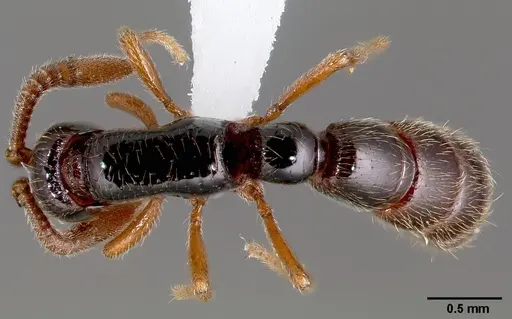
CASENT0178890
View on AntWeb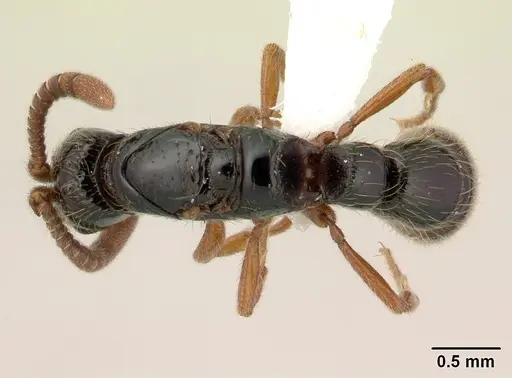
CASENT0254677
View on AntWeb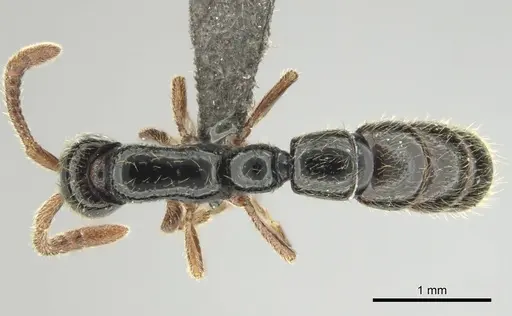
CASENT0352811
View on AntWeb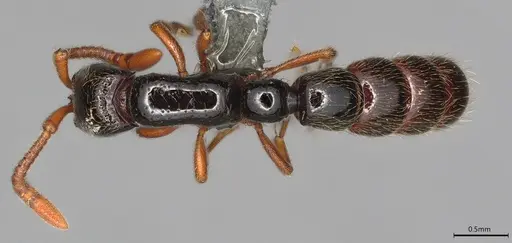
CASENT0352813
View on AntWeb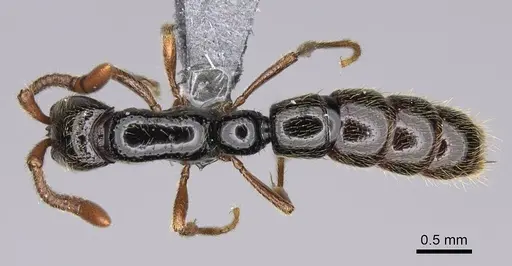
CASENT0764650
View on AntWeb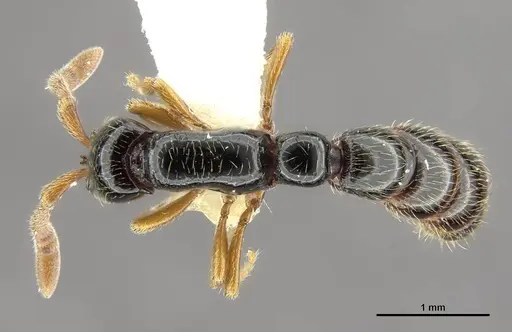
CASENT0764654
View on AntWeb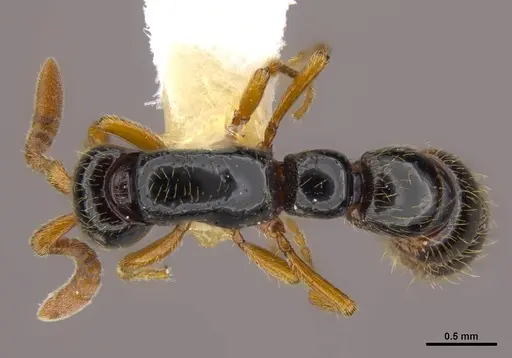
CASENT0900310
View on AntWeb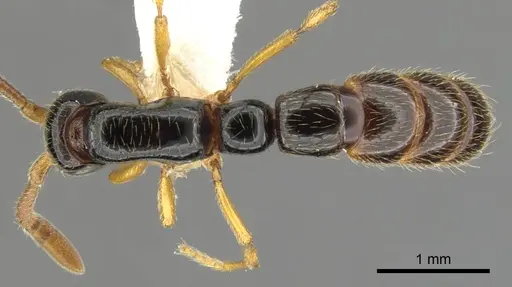
Literature
Loading...Loading products...