

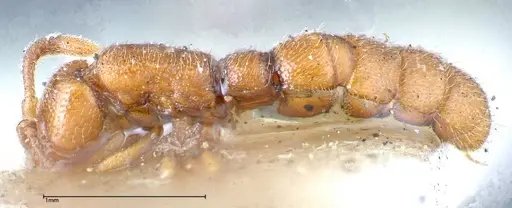
Zasphinctus occidentalis
- Scientific Name
- Zasphinctus occidentalis
- Subfamily
- Dorylinae
- Author
- Clark, 1924
- Distribution
- Found in 1 countries
Zasphinctus occidentalis Overview
Zasphinctus occidentalis is an ant species of the genus Zasphinctus. It is primarily documented in 1 countries , including Australia. Detailed taxonomic data and occurrence records can be further explored via authoritative databases such as AntWeb or the Global Biodiversity Information Facility (GBIF).
Zasphinctus occidentalis
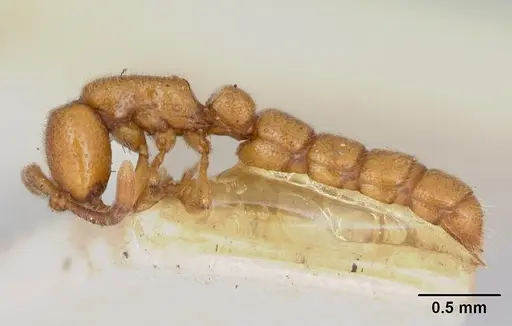
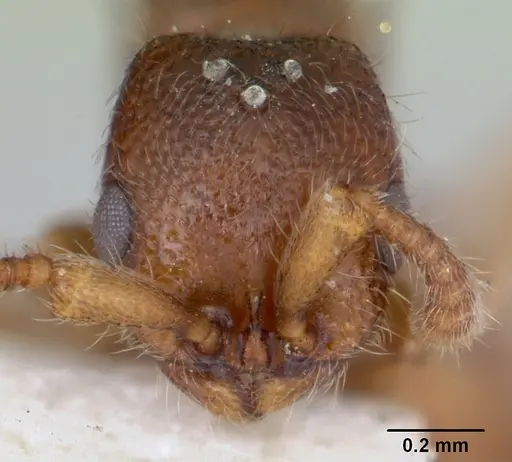
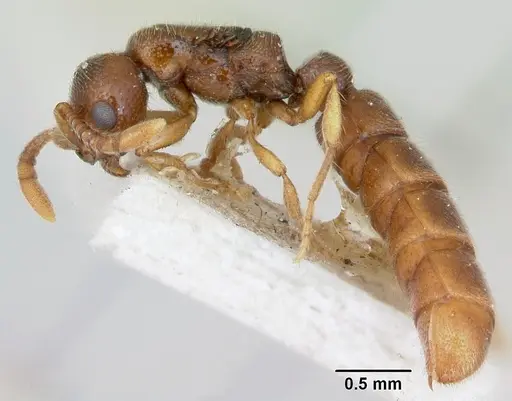
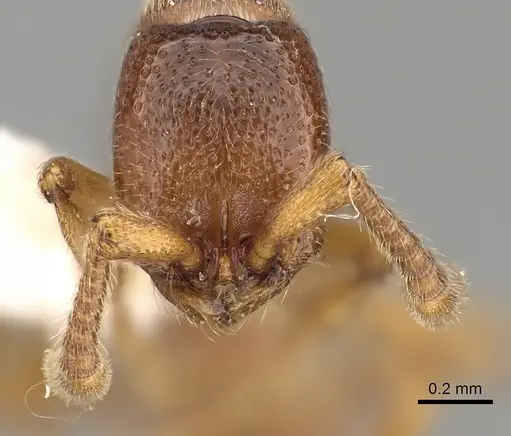
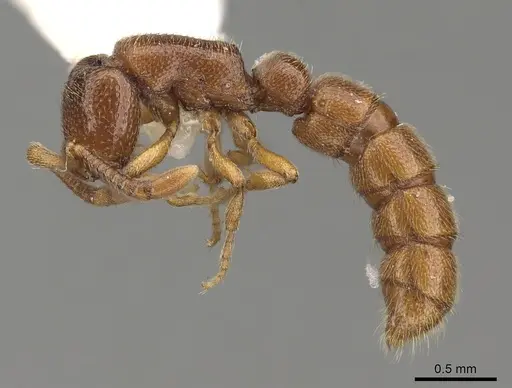
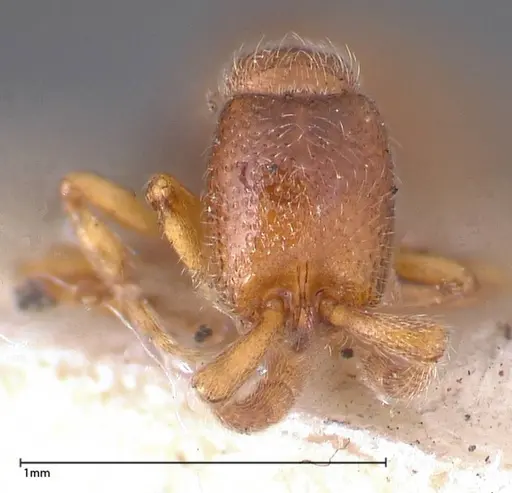
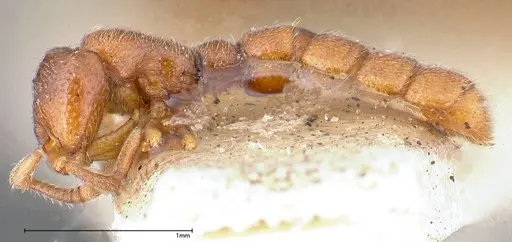
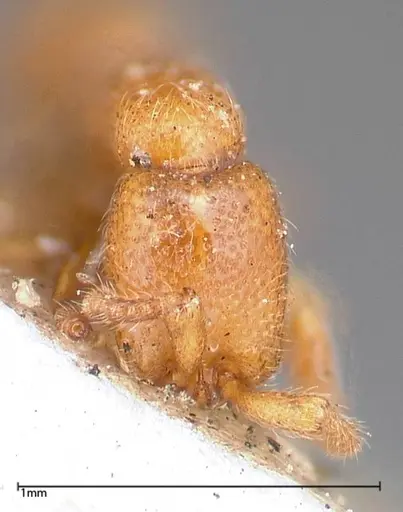
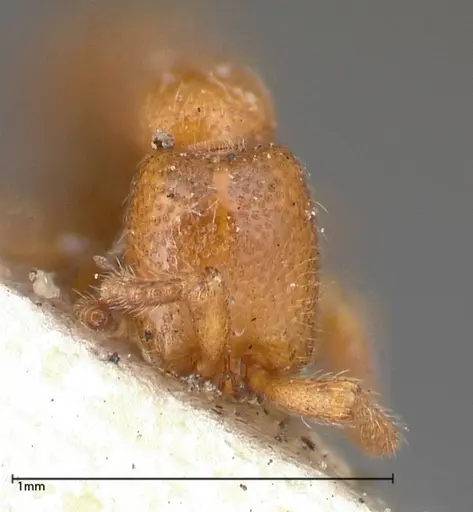
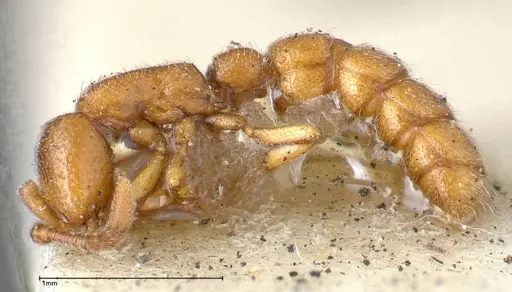
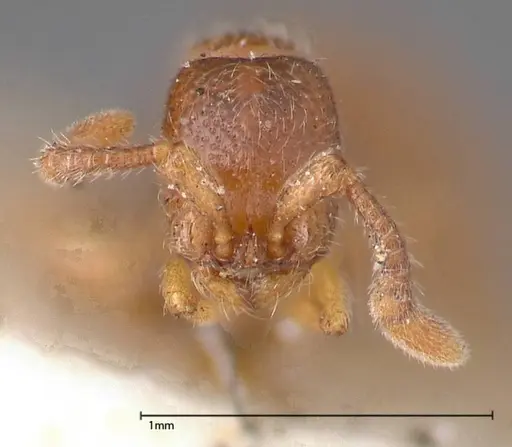
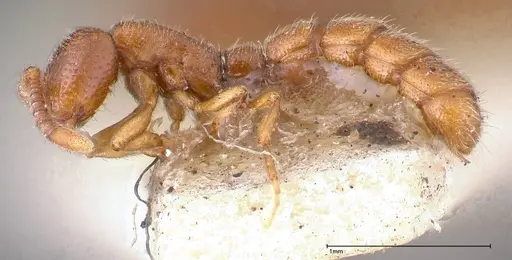
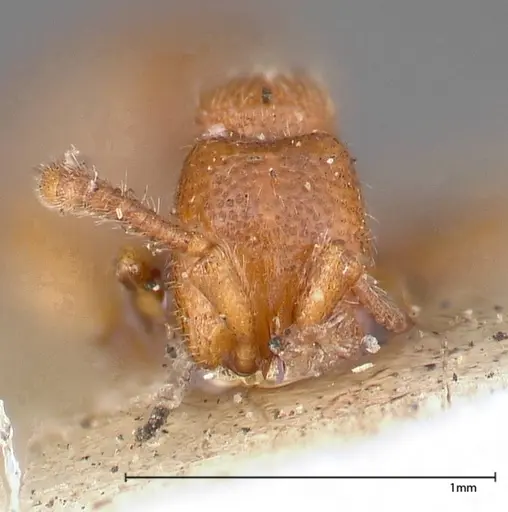
Zasphinctus occidentalis is a small predatory ant native to the south-west corner of Australia. Workers are around 3-4mm with a distinctive slender build typical of Dorylinae army ants. The species was originally described as Zasphinctus occidentalis before being reclassified into Zasphinctus in 2016. Queens and workers were described by Clark in 1924 from specimens collected near Mundaring, Western Australia [1]. This ant belongs to the Dorylinae subfamily, which contains army ants known for their predatory lifestyle and raids on other ant colonies. The species remains poorly studied in the scientific literature, with most records coming from Western Australia's unique ant fauna surveys.
Quick Summary
- Difficulty: Expert
- Origin & Habitat: South-west Australia (Western Australia), specifically the region around Mundaring and surrounding areas. In the wild, colonies are found under rocks or logs [1]. This region has a Mediterranean climate with hot dry summers and mild winters.
- Colony Type: Colony structure is unconfirmed. Dorylinae typically have single-queen colonies, but specific data for this species is lacking.
- Size & Growth:
- Queen: Approximately 4-5mm based on original description (Clark 1924), estimated from genus-level data
- Worker: Approximately 3-4mm based on original description [1]
- Colony: Unknown, no colony size data available for this species
- Growth: Unknown
- Development: Unknown, no development data exists for this species. Based on typical Dorylinae patterns, expect 4-8 weeks at warm temperatures, but this is an estimate. (Development timeline is unconfirmed. Dorylinae ants typically develop relatively quickly compared to some other subfamilies.)
- Antkeeping:
- Temperature: Keep at 24-28°C based on typical Dorylinae preferences and Australian temperate conditions. A gentle gradient allowing workers to self-regulate is recommended.
- Humidity: Moderate humidity around 50-70%. Provide a moist nest chamber but avoid waterlogging. The species naturally nests under surface cover like rocks and logs, suggesting they tolerate some dryness.
- Diapause: Likely required. Western Australia experiences mild winters, so a reduced temperature period (15-18°C for 2-3 months) is probably necessary to simulate seasonal slowdown.
- Nesting: Natural nesting is under rocks and logs. In captivity, a naturalistic setup with soil or a plaster/acrylic nest with a moisture chamber works well. Provide a foraging area with access to live prey.
- Behavior: Dorylinae ants are predatory and will raid other ant colonies for brood. Workers are active foragers that hunt small invertebrates. They have a functional stinger for subjugating prey. This species is not well-documented in captivity, but expect secretive colony founding and potential raiding behavior. Escape risk is moderate, workers are small but not extremely tiny. Use standard barrier methods.
- Common Issues: lack of captive husbandry data makes care challenging, this species is rarely kept, predatory diet requires constant access to live prey which can be logistically difficult, colony founding may be difficult as queens likely seal themselves in similar to other Dorylinae, slow colony growth due to limited data on optimal conditions, risk of colony collapse if temperature or humidity is outside acceptable range
Species Background and Taxonomy
Zasphinctus occidentalis was originally described by Clark in 1924 as Zasphinctus occidentalis, then moved to Sphinctomyrmex by Brown in 1975,and finally reclassified into its current genus Zasphinctus by Borowiec in 2016 during a comprehensive generic revision of Dorylinae [1]. The species is endemic to the south-west corner of Western Australia, one of the most biologically unique regions in Australia with high endemism. The type locality is Mundaring, an area east of Perth. The original description included workers, queens, and larvae. This species remains one of the less-studied Australian ants, with limited biological data available beyond basic distribution records.
Natural History and Habitat
In the wild, Zasphinctus occidentalis colonies are found under rocks or logs in the south-west Australian landscape [1]. This nesting preference places them in the category of ants that nest in cryptic microhabitats rather than strictly underground or in arboreal locations. The south-west of Western Australia experiences a Mediterranean climate with hot, dry summers and mild, wet winters. This seasonal pattern likely influences colony activity cycles, with reduced foraging during the hottest summer months and potential overwintering slowdown. The region's ant fauna is well-documented thanks to Brian Heterick's comprehensive surveys, but this particular species remains poorly characterized in terms of specific behaviors.
Dorylinae Biology and Expectations
Zasphinctus belongs to the Dorylinae subfamily, commonly known as army ants. While most famous army ants (like Eciton in the Americas) are known for massive colony raids, Australian Dorylinae tend to be more cryptic and less dramatic in their raiding behavior. Dorylinae ants are predatory, feeding primarily on other insects including other ants, small arthropods, and their brood. They possess functional stingers for subjugating prey. In captivity, you should expect this species to require live prey items, they are unlikely to accept dead food or sugar sources. Queens are typically claustral, sealing themselves in a chamber to raise the first workers on stored fat reserves. Colony growth is likely moderate to slow, with colonies probably remaining relatively small compared to some other ant species.
Housing and Enclosure Setup
For this species, a naturalistic setup works best given their natural history of nesting under rocks and logs. Use a container with a soil substrate deep enough to allow burrowing and chamber creation. Provide flat rocks or pieces of wood on the surface as founding queens and established colonies will likely use these as nest covers. A test tube setup can work for founding colonies, but transition to a more naturalistic setup once the colony reaches 20-30 workers. Ensure the foraging area is secure, while not extremely small, they can still escape through small gaps. Maintain moderate humidity by misting the substrate occasionally, but allow it to dry partially between waterings. A small water tube for drinking access is recommended.
Feeding and Nutrition
As predatory Dorylinae, this species requires live prey. Offer small invertebrates such as fruit flies, small crickets, mealworms, and other appropriately-sized arthropods. Unlike many ants that readily accept sugar water or honey, Dorylinae are typically strict predators and may not show interest in carbohydrate sources. However, you can occasionally offer a drop of diluted honey or sugar water to test acceptance. Feed every 2-3 days for established colonies, removing uneaten prey after 24 hours to prevent mold. The predatory nature means they will likely attempt to capture any small moving insects in their foraging area.
Temperature and Seasonal Care
Maintain temperatures in the 24-28°C range for optimal colony activity and development. This aligns with typical Australian temperate conditions and Dorylinae preferences. Provide a temperature gradient so workers can self-regulate by moving between warmer and cooler areas. During the Australian winter (roughly June-August in the southern hemisphere), consider reducing temperatures to 15-18°C for 2-3 months to simulate seasonal rest. This overwintering period may be important for colony health and triggering reproductive behavior in the following season. Avoid temperatures below 15°C or above 32°C for extended periods.
Frequently Asked Questions
How long does it take for Zasphinctus occidentalis to raise first workers?
The egg-to-worker timeline is unconfirmed for this species. Based on typical Dorylinae development, expect 4-8 weeks at optimal temperatures (24-28°C), but this is an estimate. The first workers (nanitics) will likely be smaller than mature workers.
Can I keep Zasphinctus occidentalis in a test tube?
Test tubes work for founding colonies. Queens will seal themselves into a chamber and raise the first brood there. Once the colony reaches 20-30 workers, transition to a larger naturalistic setup with soil substrate.
What do Zasphinctus occidentalis eat?
They are predatory and require live prey. Offer small insects like fruit flies, small crickets, mealworms, and other arthropods. Sugar sources may be accepted occasionally but are not a reliable food source.
Are Zasphinctus occidentalis good for beginners?
No. This species is rated Expert difficulty due to limited captive husbandry data, specific predatory dietary requirements, and the challenges of keeping a Dorylinae species. They are rarely kept in captivity.
Do Zasphinctus occidentalis need hibernation?
Likely yes. Based on their Western Australian origin and the region's seasonal climate, a reduced temperature period (15-18°C for 2-3 months) during winter is probably necessary for colony health.
How big do Zasphinctus occidentalis colonies get?
Colony size is unconfirmed for this species. Dorylinae colonies are typically smaller than the massive army ant colonies seen in other subfamilies, likely under a few hundred workers at maximum.
Can I keep multiple Zasphinctus occidentalis queens together?
Colony structure is unconfirmed. Based on typical Dorylinae patterns, they likely have single-queen colonies. Combining unrelated queens is not recommended without evidence they can coexist.
Why is my Zasphinctus occidentalis colony dying?
Common issues include: improper temperature (too cold or too hot), lack of live prey, incorrect humidity (too dry or waterlogged), and stress from disturbance. Ensure stable conditions and consistent access to live prey items.
When should I move my colony to a formicarium?
Move from test tube to a larger setup once the colony reaches 20-30 workers. A naturalistic setup with soil substrate and hiding places works best given their natural nesting under rocks and logs.
References

This caresheet is licensed under CC BY-SA 4.0 .
ANTWEB1008188
View on AntWeb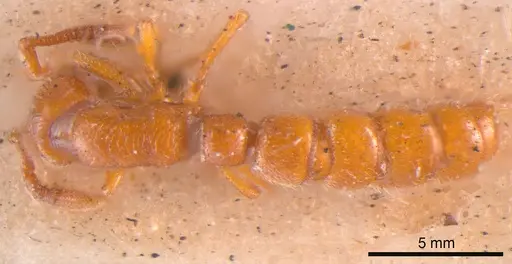
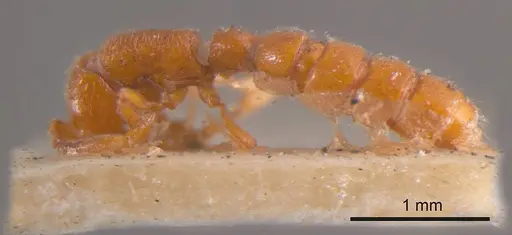
CASENT0173060
View on AntWeb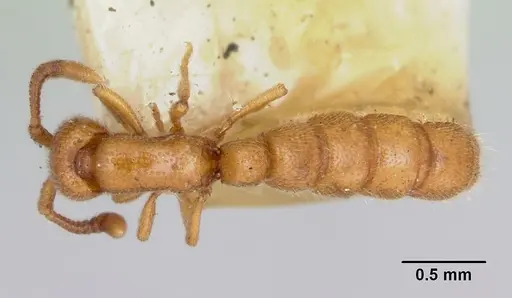
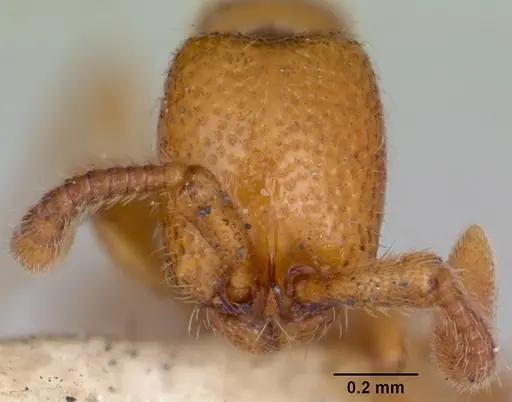
CASENT0173061
View on AntWeb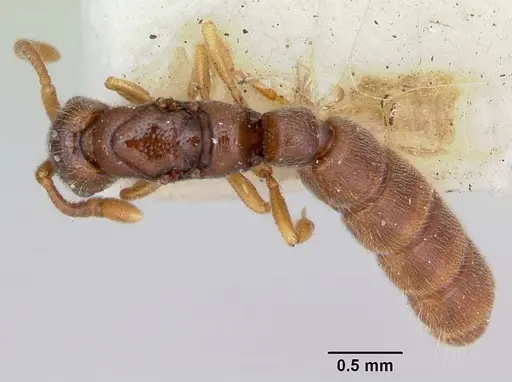
CASENT0249328
View on AntWeb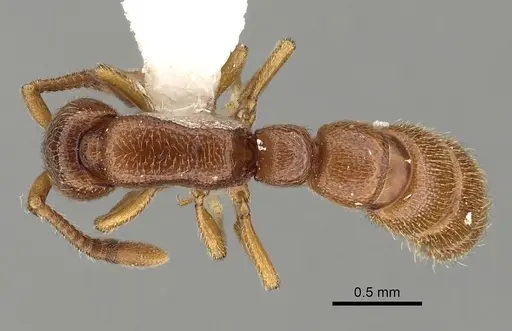
FOCOL0344-1
View on AntWeb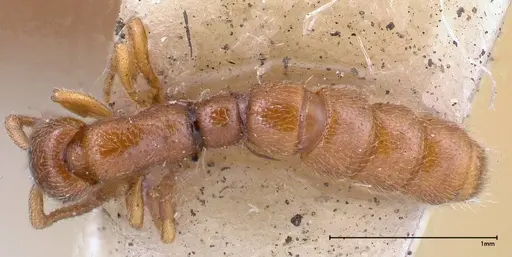
FOCOL0344-2
View on AntWeb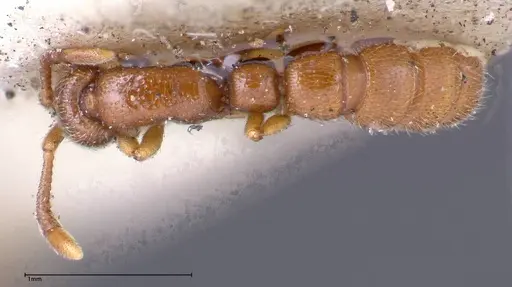
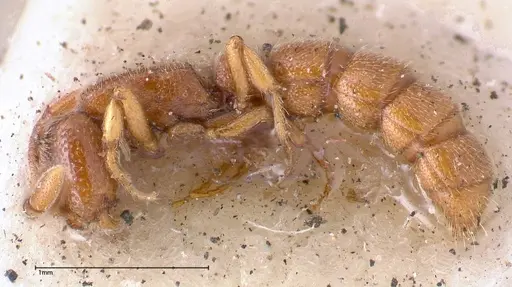
FOCOL0344-3
View on AntWeb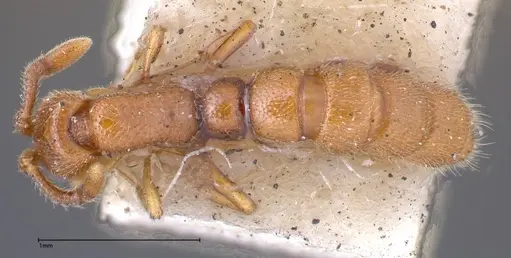
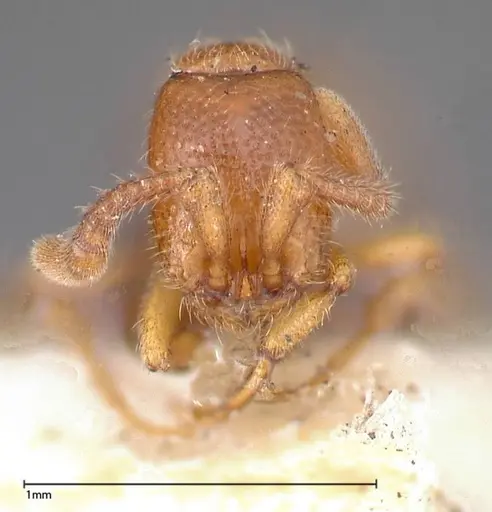
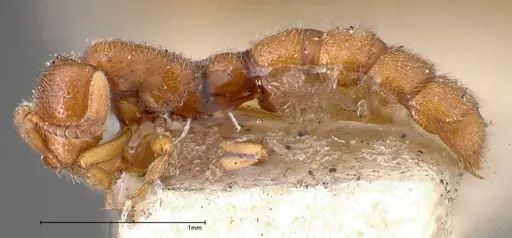
FOCOL0344-4
View on AntWeb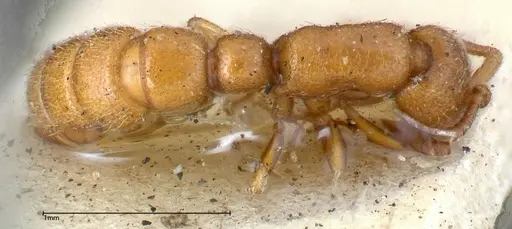
FOCOL0344-5
View on AntWeb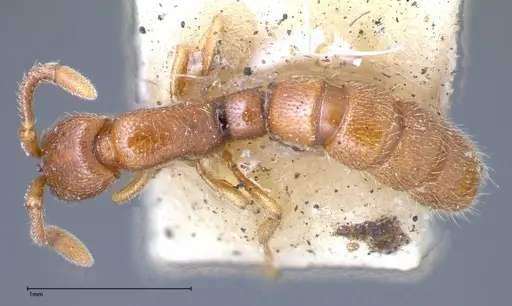
FOCOL0344-6
View on AntWeb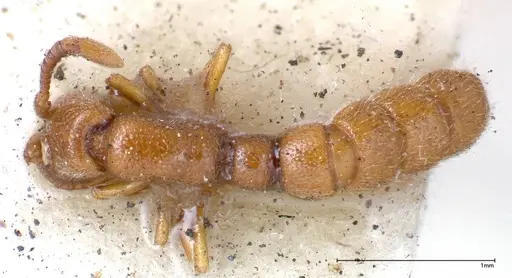
Literature
Loading...Loading products...