

Zasphinctus obamai
- Scientific Name
- Zasphinctus obamai
- Subfamily
- Dorylinae
- Author
- Hita Garcia, 2017
- Distribution
- Found in 1 countries
Zasphinctus obamai Overview
Zasphinctus obamai is an ant species of the genus Zasphinctus. It is primarily documented in 1 countries , including Kenya. Detailed taxonomic data and occurrence records can be further explored via authoritative databases such as AntWeb or the Global Biodiversity Information Facility (GBIF).
Zasphinctus obamai
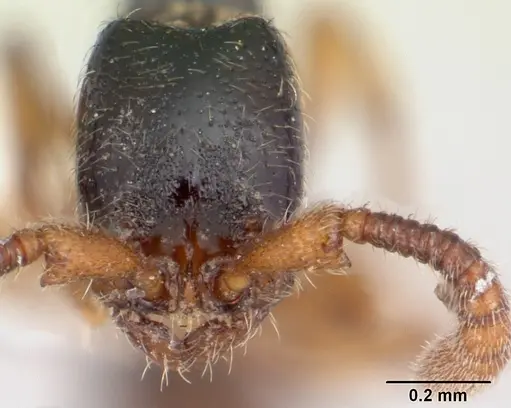
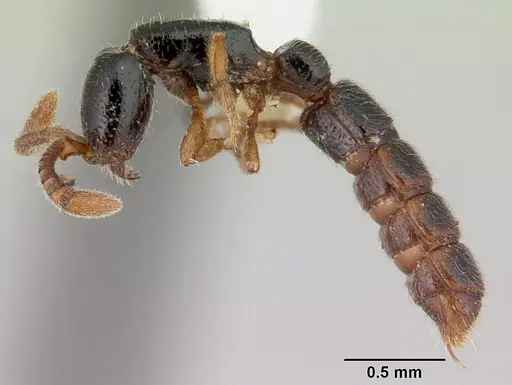
Zasphinctus obamai is an extraordinarily rare tiny ant from the Dorylinae subfamily, measuring just 0.73-0.81mm in body length [1]. Workers have a distinctive appearance with a smooth, shiny body surface, relatively long and thin head, and a well-developed subpetiolar process with a specialized fenestra [1][2]. This species was only discovered in the Kakamega Forest of Western Kenya, making it endemic to this single equatorial rainforest location [1]. The species was named to honor Barack Obama's conservation efforts, and the type locality is geographically close to his paternal family's hometown in Kenya [1].
What makes Z. obamai particularly interesting is its extreme rarity, despite one of the most thorough ant inventories ever conducted in the Kakamega Forest, researchers only collected this species four times [1]. It lives exclusively in the leaf litter layer of primary and near-primary rainforest habitats at elevations between 1448-1650 meters [1][2]. As a Dorylinae ant, it belongs to the same subfamily as army ants, suggesting predatory habits, though its specific hunting behavior remains unstudied.
Quick Summary
- Difficulty: Expert
- Origin & Habitat: Kakamega Forest, Western Kenya, tropical equatorial rainforest at 1448-1650m elevation [1][2]
- Colony Type: Colony structure unconfirmed, only known from a handful of workers collected individually in leaf litter [1]
- Size & Growth:
- Queen: Unknown, only worker caste has been described [1]
- Worker: 0.73-0.81mm total length (WL 0.73-0.81mm) [1][2]
- Colony: Unknown, this is one of the rarest ant species ever documented, with only 8 known specimens [1]
- Growth: Unknown, no colony observations exist
- Development: Unknown, no breeding or development data exists for this species (Development timeline unconfirmed. Based on typical Dorylinae patterns, expect 4-8 weeks at tropical temperatures, but this is an estimate)
- Antkeeping:
- Temperature: Keep warm at 24-28°C, this matches the tropical rainforest conditions of their native habitat in Kenya [1]. A gentle gradient is recommended.
- Humidity: High humidity required, think damp rainforest floor. Keep the nest substrate consistently moist but not waterlogged, with some drier areas available for the ants to regulate their own conditions.
- Diapause: No, as a tropical species from equatorial Kenya, they do not require hibernation [1]
- Nesting: In captivity, a small naturalistic setup with moist substrate works well. They were found in leaf litter, so a thin layer of damp soil or coco fiber with hiding spots like small pieces of bark or leaf litter mimics their natural environment. A small test tube setup with a water reservoir can also work if scaled to their tiny size.
- Behavior: Behavior is unstudied in captivity. As a Dorylinae species, they are likely predatory on small arthropods and may show some army ant-like group hunting behaviors, though this is inferred from related species rather than confirmed for Z. obamai specifically. Their tiny size means escape prevention is critical, they can easily slip through standard formicarium gaps. Handle with caution as Dorylinae ants have functional stingers for defense.
- Common Issues: Extreme rarity in the wild means virtually no captive colonies exist, this species is essentially unavailable to hobbyists, Tiny size makes housing and escape prevention extremely challenging, No captive breeding data exists, keeping requirements are largely inferred from habitat, High humidity requirements can lead to mold issues if ventilation is inadequate, Predatory diet needs may be difficult to meet with appropriate live prey
Discovery and Rarity
Zasphinctus obamai was first described in 2017 and represents one of the rarest ant species ever documented in Africa [1]. Despite extensive ant surveys in the Kakamega Forest spanning multiple years, researchers only collected this species four times, making it extraordinarily difficult to study [1]. The species is named after Barack Obama in recognition of his global conservation efforts, and the type locality in Western Kenya is remarkably close to his father's ancestral home [1]. All known specimens were collected from the leaf litter layer using specialized extraction methods like Winkler leaf litter sampling [1]. This species is endemic to the Kakamega Forest system and has not been found anywhere else in the world [2].
Identification and Morphology
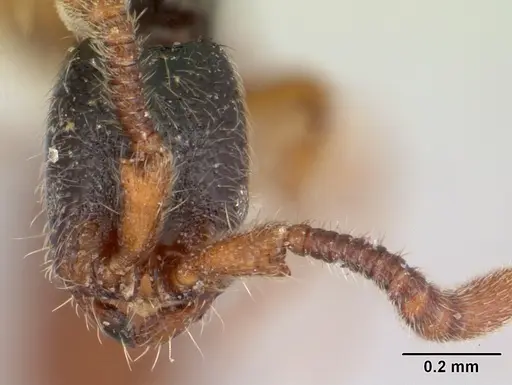
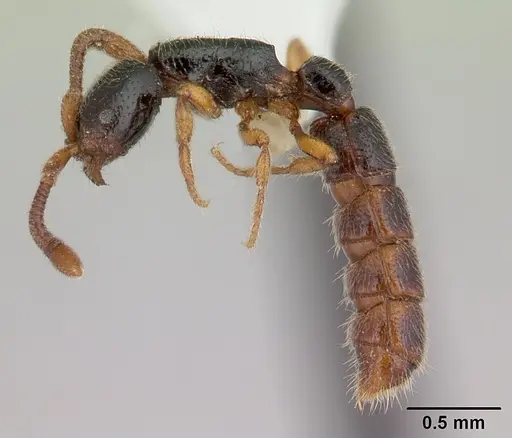
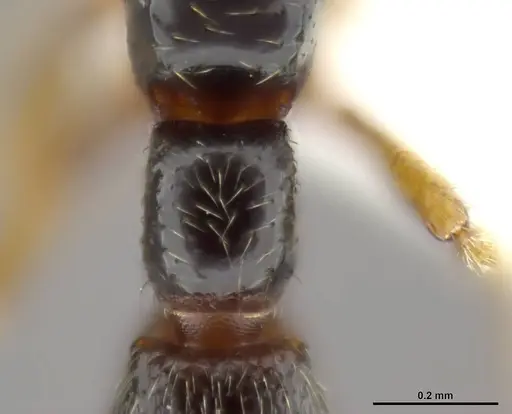
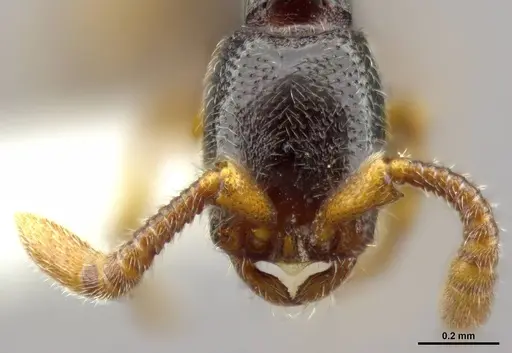
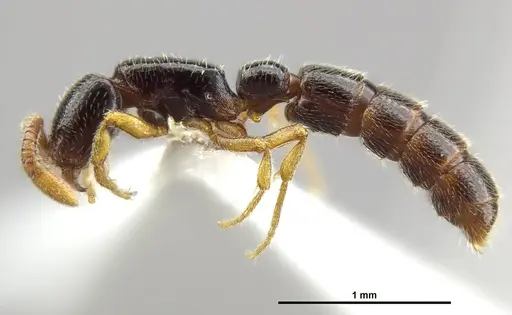
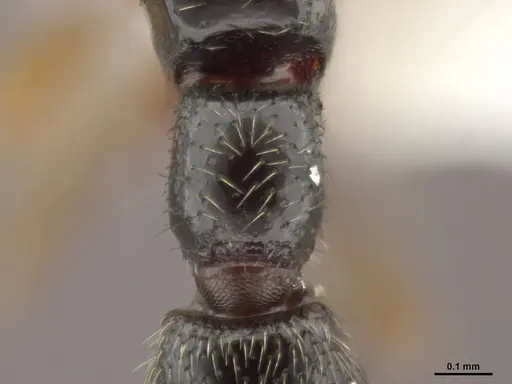
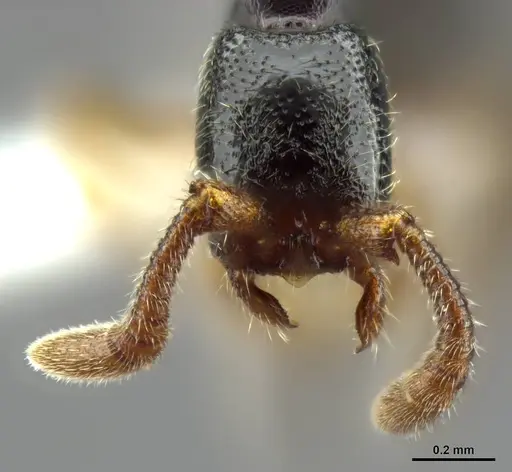
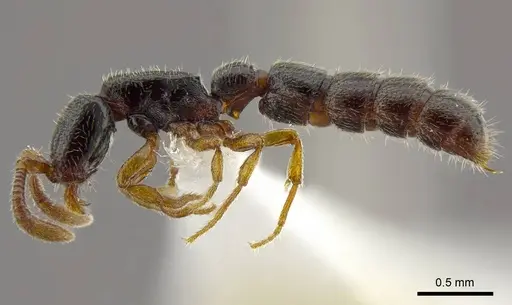
Workers of Z. obamai are tiny, measuring only 0.73-0.81mm in total length, with a head length of 0.55-0.59mm [1][2]. The species has a distinctive long, thin head (cephalic index 78-80) and a relatively low petiolar tergum [1]. The cuticle is notably thick, particularly on the head, which is unusual among Dorylinae ants [1]. The body surface is mostly smooth and shiny with abundant piliferous punctures, giving them a somewhat glossy appearance [1]. A key identifying feature is the subpetiolar process with extremely thickened anterior and ventral margins and a well-developed concavity with a differentiated fenestra [1][2]. The abdominal segment III has a characteristic trapezoidal shape in dorsal view [1].
Natural Habitat
This species lives exclusively in the Kakamega Forest, a tropical equatorial rainforest in Western Kenya at elevations between 1448-1650 meters [1][2]. All specimens have been collected from the leaf litter layer of primary or near-primary forest habitats [1]. The Kakamega Forest is the only remaining tropical rainforest in Western Kenya and represents an isolated patch of what was once a much larger forest system connecting to the Congo basin [1]. The high elevation and consistent moisture of this habitat likely contribute to the specific requirements this species needs to survive. The leaf litter layer provides the humid, protected microhabitat these tiny ants require [1].
Housing and Care
Since this species has never been kept in captivity, all care recommendations are educated guesses based on its natural habitat and what is known about related Dorylinae ants. Housing should focus on replicating the damp leaf litter environment they naturally inhabit. A small naturalistic setup with a thin layer of moist coco fiber or soil (about 1-2cm deep) works as a base, with additional leaf litter or small bark pieces on top for cover. Alternatively, a small test tube setup with a water reservoir can work if the dimensions are scaled appropriately for their tiny size. Escape prevention is critical, their minute size means they can slip through gaps that would contain larger ants. Use fine mesh and ensure all connections are sealed. High humidity is essential, the substrate should feel damp but not have standing water. [1]
Feeding and Diet
As a Dorylinae ant, Z. obamai is likely predatory on small arthropods, similar to army ants and other doryline species. Their diet would primarily consist of tiny soil arthropods, springtails, and other micro-invertebrates found in leaf litter. In captivity, you would need to provide small live prey such as springtails, fruit flies, and other tiny insects. The prey items should be appropriately sized, no larger than the ant itself. How readily they accept sugar sources is unknown, though many Dorylinae species do consume honeydew and nectar when available. Given their extreme rarity and the lack of any captive specimens, these feeding recommendations are based on inference from related species rather than direct observation. [1]
Temperature and Environmental Needs
Being a tropical rainforest species from equatorial Kenya, Z. obamai requires warm, humid conditions. Target temperatures in the range of 24-28°C, which matches the stable warm conditions in their native Kakamega Forest habitat [1]. Temperature fluctuations should be minimized, these are not ants that can tolerate cool periods. A heating cable on one side of the enclosure can help maintain warmth if room temperature is insufficient, but always ensure there is a temperature gradient so the ants can move to cooler areas if needed. High humidity is essential, aim for 80%+ relative humidity in the nest area. This can be maintained by keeping the substrate moist and using a water reservoir in test tube setups. Adequate ventilation is still necessary to prevent mold, but avoid excessive airflow that would dry out the enclosure.
Frequently Asked Questions
Can I keep Zasphinctus obamai as a pet ant?
This species is essentially unavailable to antkeepers. It is one of the rarest ant species ever documented, with only 8 known specimens collected from the wild, and has never been found in sufficient numbers to establish a captive colony. There are no documented captive breeding programs for this species. Unless you are a professional researcher with access to the Kakamega Forest, you will not be able to acquire this species [1].
How big do Zasphinctus obamai ants get?
Workers are tiny, measuring only 0.73-0.81mm in total body length (mesosoma length 0.73-0.81mm) [1][2]. This makes them among the smallest ants in the Dorylinae subfamily. The head is relatively long and thin, measuring 0.55-0.59mm in length [1].
Where does Zasphinctus obamai live in the wild?
This species is endemic to the Kakamega Forest in Western Kenya, Africa. It lives exclusively in the leaf litter layer of primary and near-primary rainforest habitats at elevations between 1448-1650 meters [1][2]. It has never been found anywhere else in the world.
Do Zasphinctus obamai ants sting?
As a member of the Dorylinae subfamily, Z. obamai has a functional stinger for defense, like other army ants and doryline species. However, given their extremely tiny size, any sting would be minimal and barely perceptible to humans. The primary defense for such small ants is likely their ability to hide in leaf litter rather than stinging [1].
How long do Zasphinctus obamai colonies live?
This is completely unknown. No colony of this species has ever been observed, either in the wild or captivity. The species is known only from eight individual workers collected over several years of sampling [1]. Without any colony data, it is impossible to estimate their lifespan.
What do Zasphinctus obamai ants eat?
As a Dorylinae species, they are likely predatory on small arthropods found in leaf litter, such as springtails, mites, and tiny insects. Their diet would be similar to other doryline army ants that hunt in groups. In captivity, appropriate prey would be tiny live insects like springtails and fruit flies. Sugar acceptance is unknown [1].
Are Zasphinctus obamai good for beginners?
No. This species is not only extremely rare and essentially unavailable, but it would also be extremely challenging to keep even if available. Their tiny size, specific humidity requirements, and predatory diet needs make them suitable only for expert antkeepers with specialized setups. Additionally, no captive care protocols exist since no one has successfully kept this species [1].
Do Zasphinctus obamai need hibernation?
No. As a tropical species from equatorial Kenya, they do not experience cold seasons and would not benefit from hibernation. They should be kept at warm, stable temperatures year-round (24-28°C) [1].
Why is this ant named after Obama?
The species was named Zasphinctus obamai in honor of Barack Obama, the 44th President of the United States, to recognize his important conservation efforts for protecting fragile natural habitats around the globe. Additionally, the type locality in Western Kenya is geographically close to the hometown of Obama's paternal family [1].
How many queens does Zasphinctus obamai have?
This is unknown. No queen or colony of this species has ever been documented. All known specimens are individual workers collected from leaf litter samples [1]. Without finding a colony, it is impossible to determine their colony structure (monogyne vs polygyne).
References

This caresheet is licensed under CC BY-SA 4.0 .
CASENT0178218
View on AntWeb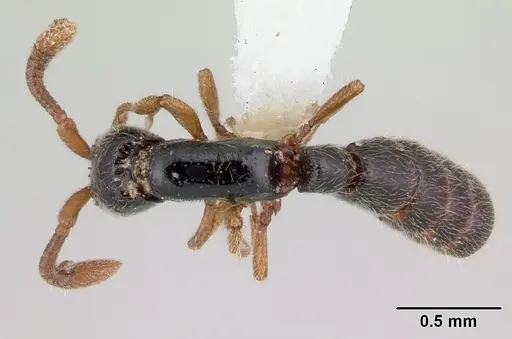
CASENT0178219
View on AntWeb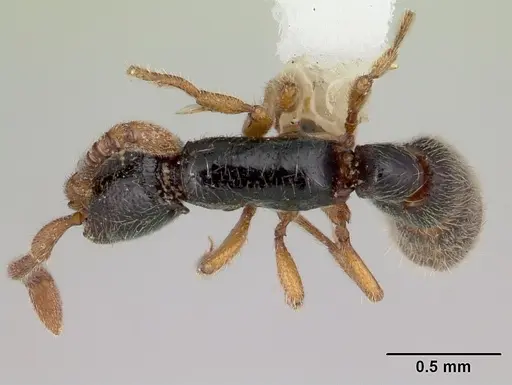
CASENT0764125
View on AntWeb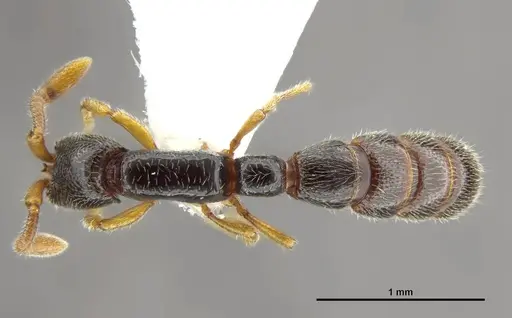
CASENT0764129
View on AntWeb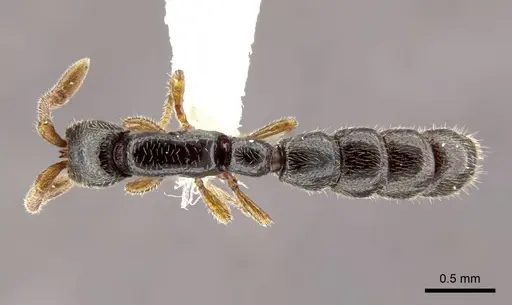
Literature
Loading...Loading products...