

Zasphinctus imbecilis
- Scientific Name
- Zasphinctus imbecilis
- Subfamily
- Dorylinae
- Author
- Forel, 1907
- Distribution
- Found in 1 countries
Zasphinctus imbecilis Overview
Zasphinctus imbecilis is an ant species of the genus Zasphinctus. It is primarily documented in 1 countries , including Australia. Detailed taxonomic data and occurrence records can be further explored via authoritative databases such as AntWeb or the Global Biodiversity Information Facility (GBIF).
Zasphinctus imbecilis
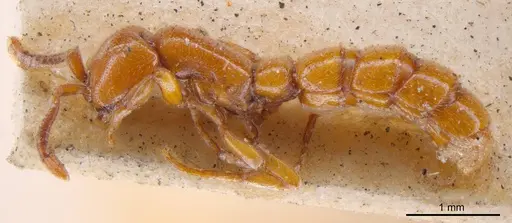
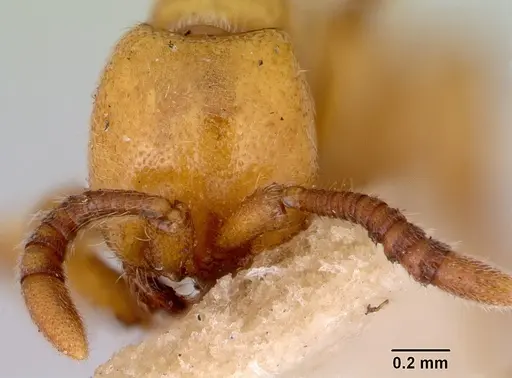
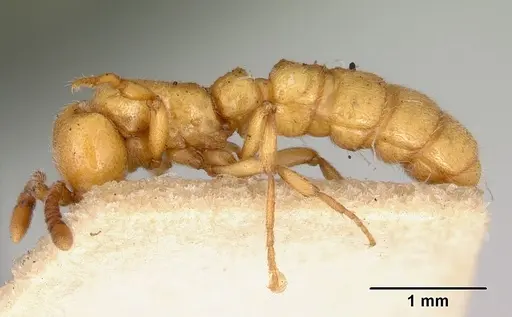
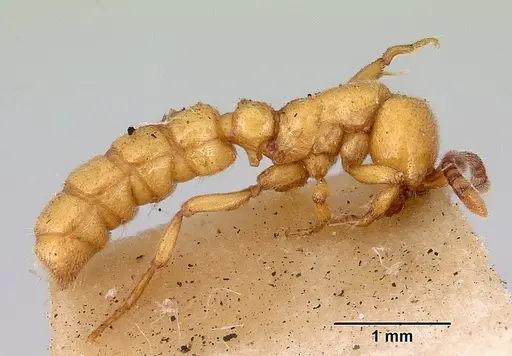
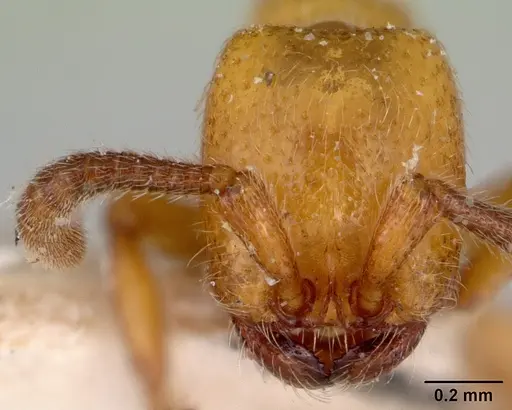
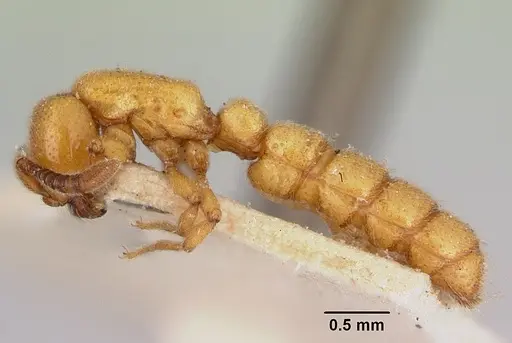
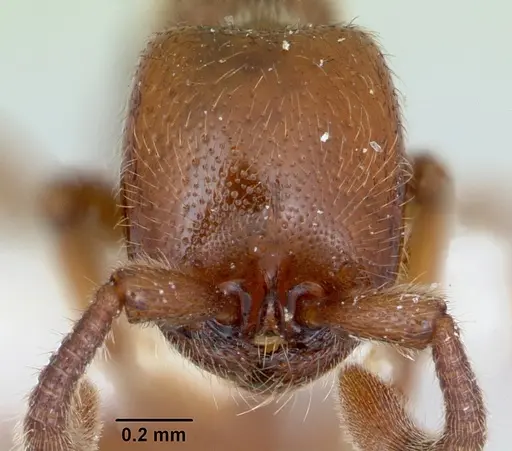
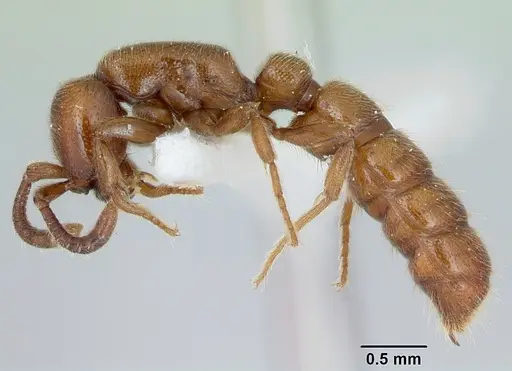
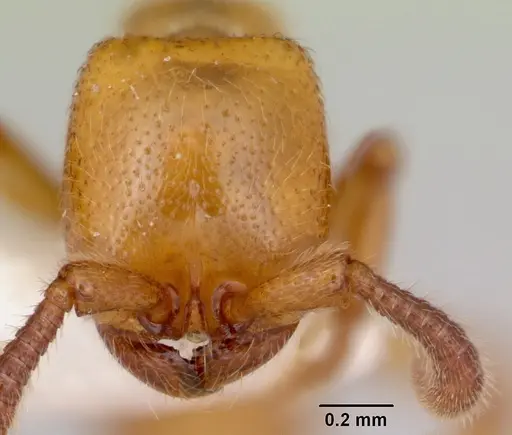
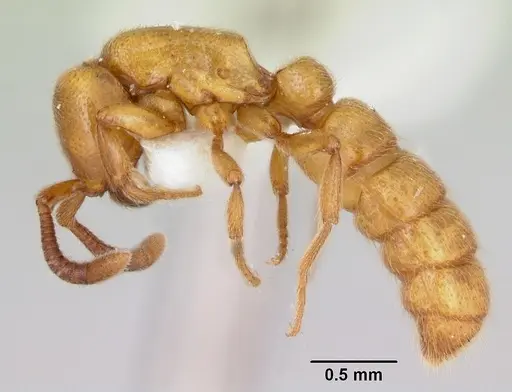
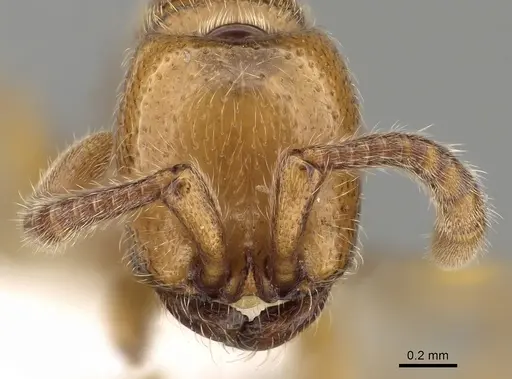
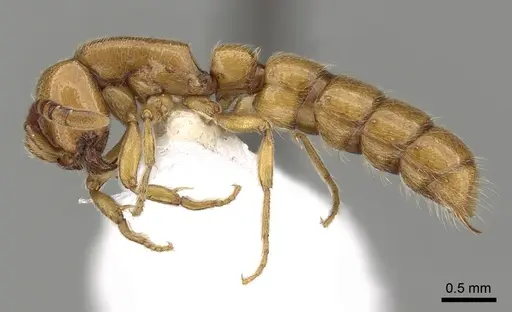
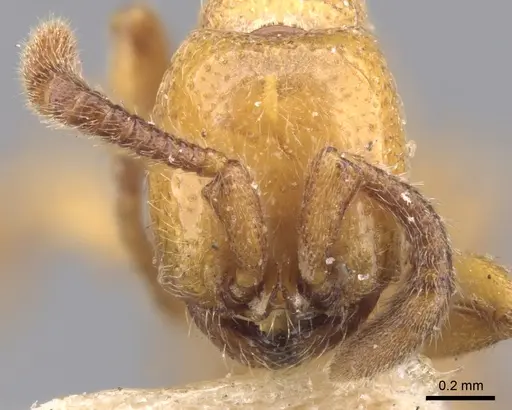
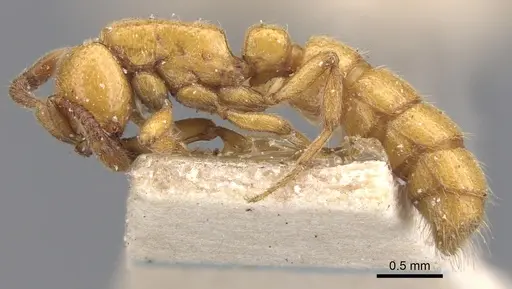
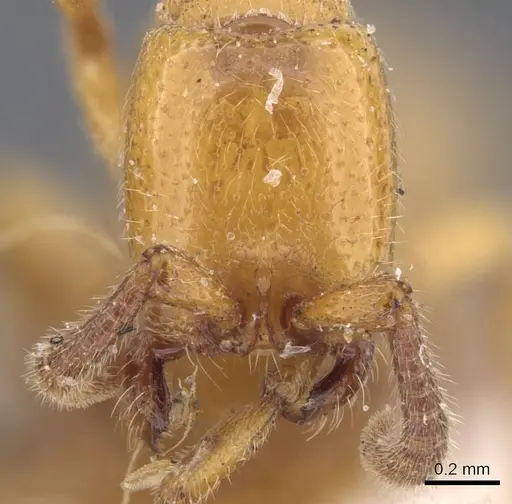
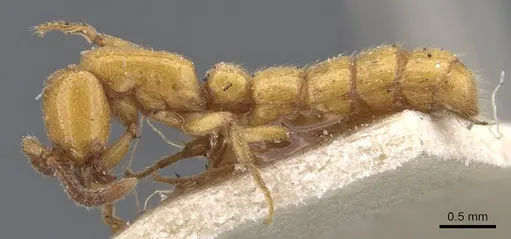
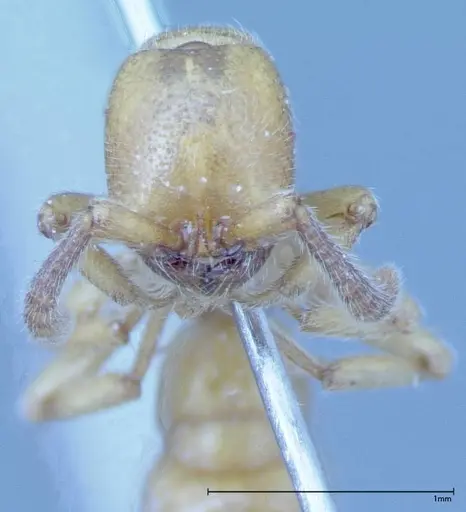
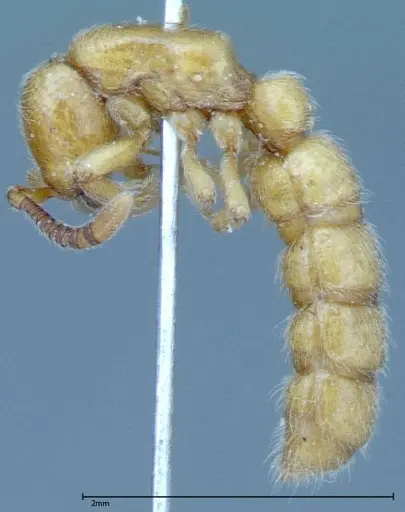
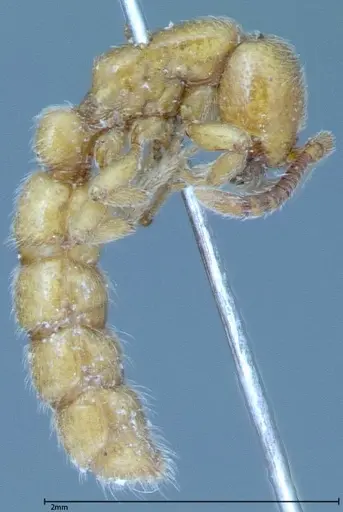
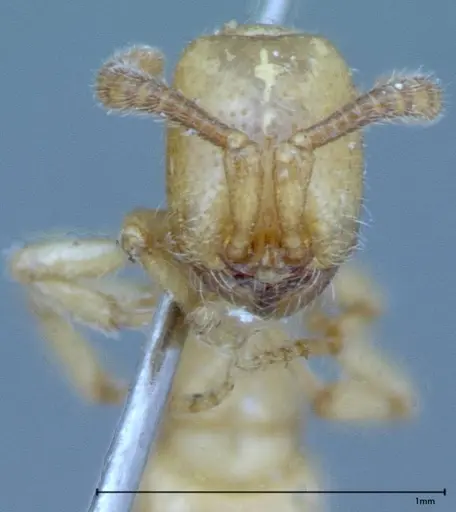
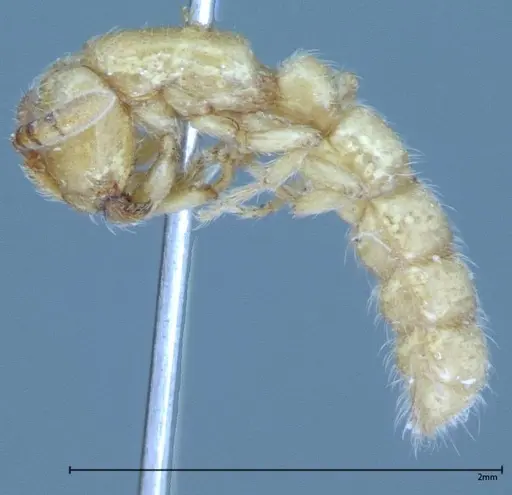
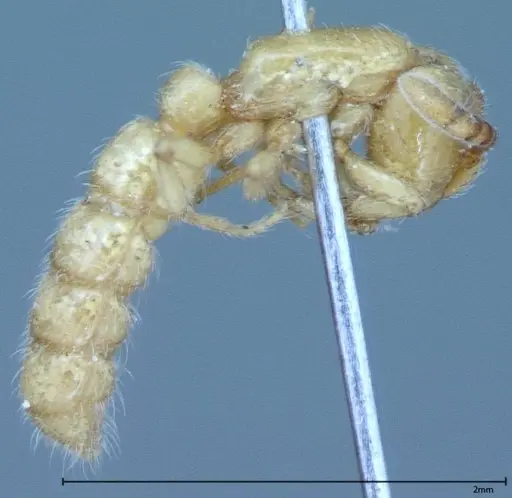
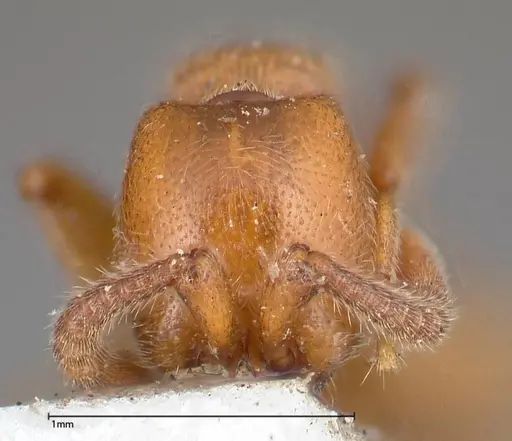
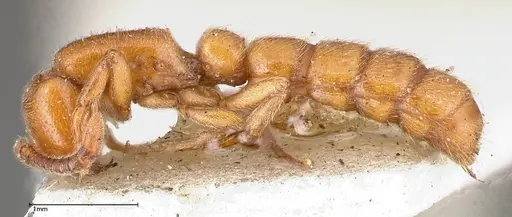
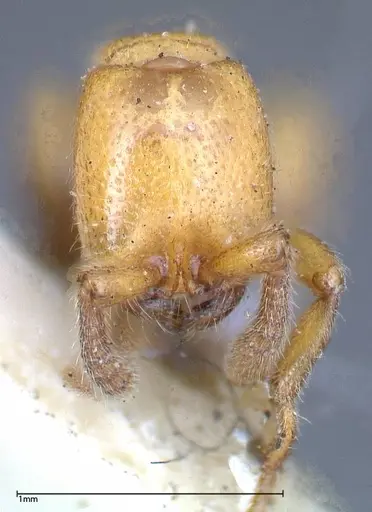
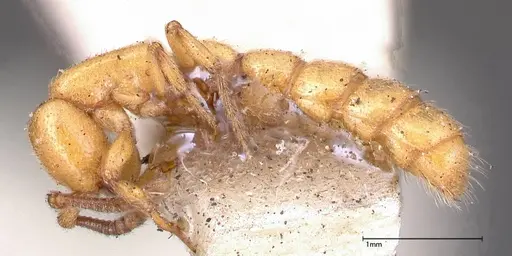
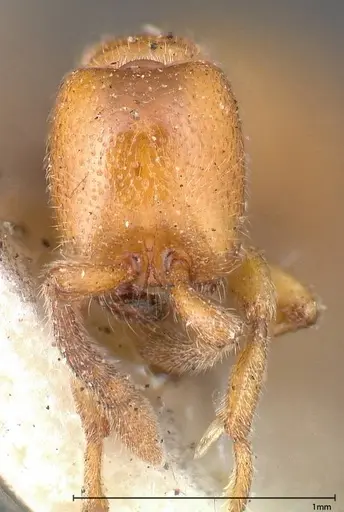
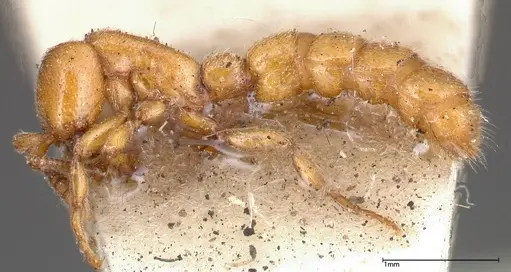
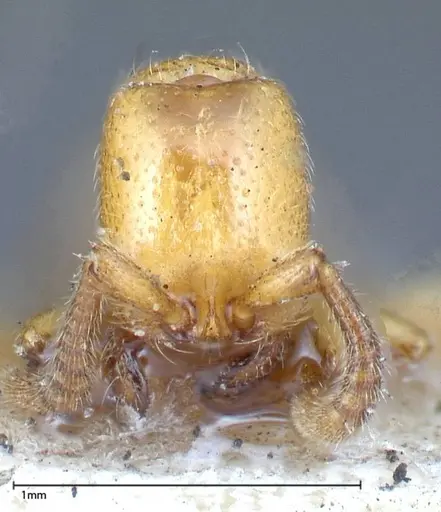
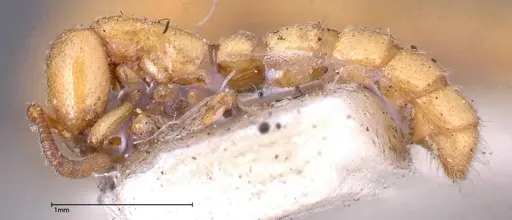
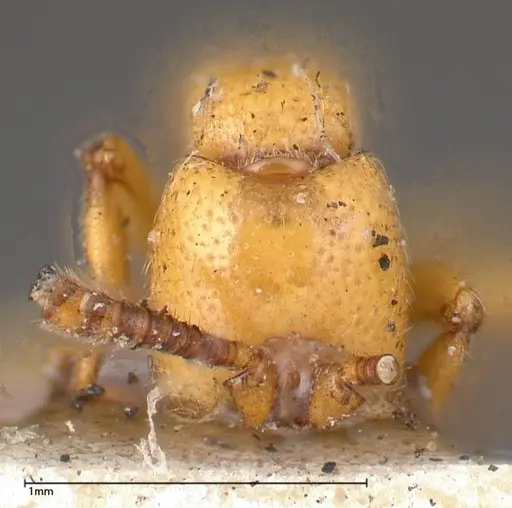
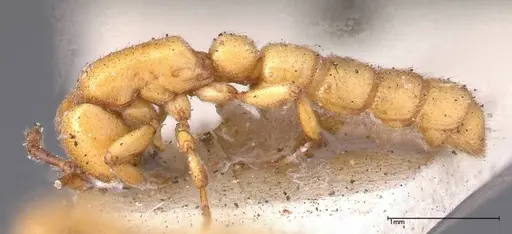
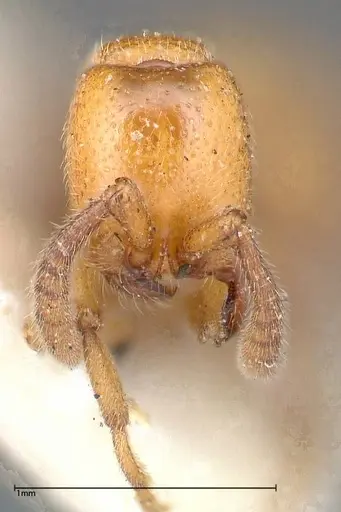
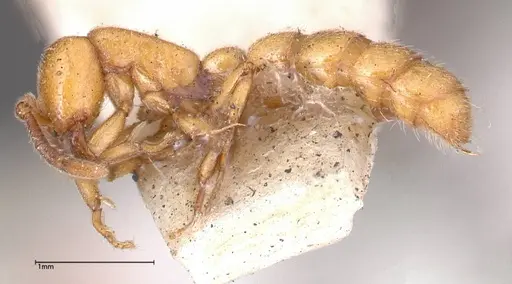
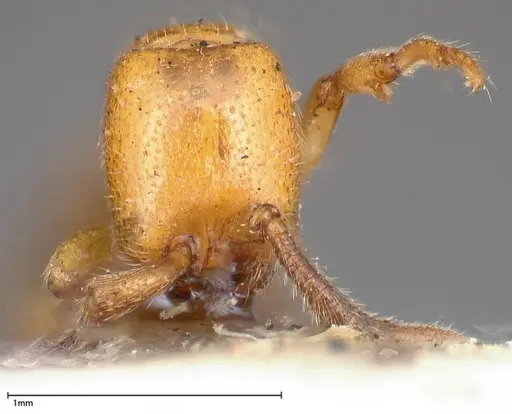
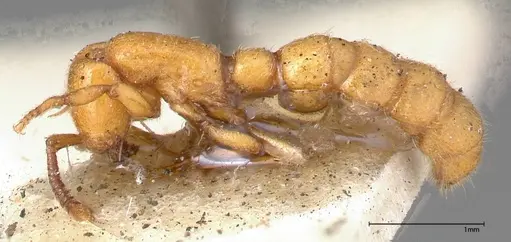
Zasphinctus imbecilis is a small predatory ant native to Australia, formerly classified as Zasphinctus imbecilis before being moved to the genus Zasphinctus in 2016. Workers are modest in size with the characteristic Dorylinae body plan, they have a distinct constriction between the mesosoma (middle body section) and gaster (abdomen), giving them a somewhat segmented appearance. The species has a wide distribution across Australia, particularly in Western Australia, and colonies are typically found nesting under rocks or logs in terrestrial habitats [1][2]. This species is part of the army ant subfamily (Dorylinae), though it doesn't exhibit the classic swarm-raiding behavior of true army ants. A notable trait is the presence of ergatoid queens, wingless reproductive females that can serve as replacement reproductives if the primary queen dies, which is relatively common in this genus [2].
Quick Summary
- Difficulty: Medium
- Origin & Habitat: Australia, particularly Western Australia. Found under rocks and logs in terrestrial habitats [1][2].
- Colony Type: Likely monogyne (single queen) with documented ergatoid replacement reproductives. Ergatoid queens are wingless females that can take over reproduction if the primary queen dies [2].
- Colony: Monogyne
- Size & Growth:
- Queen: Estimated 4-6mm based on genus patterns, ergatoid queens are similar in size to workers [2]
- Worker: Estimated 3-5mm based on typical Dorylinae worker dimensions [2]
- Colony: Estimated 100-300 workers based on similar ground-nesting Dorylinae species [2]
- Growth: Moderate, estimated based on related Dorylinae species
- Development: Estimated 6-10 weeks at optimal temperature based on typical Dorylinae development [2] (Development time is estimated from related species, specific data for Z. imbecilis is not available)
- Antkeeping:
- Temperature: Keep at 22-26°C. Australian species can tolerate room temperature in most homes. A gentle heat gradient is beneficial but not required [2]
- Humidity: Moderate humidity around 50-60%. These ants nest under logs and rocks in nature, so they prefer somewhat damp but not saturated conditions [2]
- Diapause: Likely not required, Australia has mild winters in most of their range. However, a slight cool period (15-18°C) during winter months may benefit the colony [2]
- Nesting: Naturalistic setups with flat stones or logs work well. Y-tong (AAC) nests with narrow chambers also suitable. They prefer dark, enclosed spaces and will often nest in the darker areas of formicaria [2]
- Behavior: These ants are predatory like other Dorylinae, actively hunting for small invertebrates. Workers are moderately aggressive and will defend the nest vigorously. They are not escape artists due to their medium size, but standard escape prevention (fluon on edges) is still recommended. Workers forage individually rather than in swarms, making them easier to contain than true army ants [2].
- Common Issues: colonies may fail if kept too dry, they need access to moisture, predatory diet means they require constant live prey, failure to provide adequate protein leads to colony decline, ergatoid queens may be mistaken for workers, don't remove them unless you're certain the colony is queenless, small colony sizes mean losses are more impactful, avoid disturbing founding colonies, Australian species may not tolerate prolonged cold, keep above 15°C year-round
Housing and Nest Preferences
Zasphinctus imbecilis nests naturally under rocks and logs in the Australian bush, preferring dark, enclosed spaces that maintain moderate humidity [1]. For captive care, a naturalistic setup with flat stones or a layer of soil with hiding spots works well. Y-tong (AAC) nests with narrow chambers are also suitable, these ants prefer tight spaces and will often nest in the darker areas of formicaria. Avoid tall, open spaces that mimic their natural under-rock habitat. A small outworld for foraging allows you to observe their hunting behavior. Test tube setups work for founding colonies but may need transitioning to larger setups as the colony grows [2].
Feeding and Diet
As a Dorylinae species, Z. imbecilis is predatory and needs a protein-rich diet. Offer small live prey such as fruit flies, pinhead crickets, mealworms, and other small invertebrates. They are active hunters and will chase down prey rather than scavenge. Feed them prey items 2-3 times per week, adjusting based on colony size and consumption. Remove uneaten prey after 24 hours to prevent mold. Sugar sources like honey or sugar water are sometimes accepted but should not be the primary food, these ants are primarily carnivorous. A varied diet of different small prey items helps ensure nutritional balance [2].
Temperature and Seasonal Care
Keep your colony at 22-26°C for optimal activity and development. This Australian species tolerates room temperature well in most homes and can handle brief temperature fluctuations. A heating cable on one side of the nest creates a temperature gradient that lets ants choose their preferred zone. During winter, maintain at least 15°C, prolonged cold can weaken or kill colonies. Unlike temperate species, they likely do not require a true diapause period, but a slight reduction in temperature during winter months (around 18-20°C) may simulate natural seasonal changes and promote colony health. Avoid placing the nest near air conditioning vents or drafty areas [2].
Behavior and Colony Dynamics
These ants are active predators that hunt individually rather than in swarms. Workers are moderately aggressive and will readily defend the nest against threats. The presence of ergatoid (wingless) queens is notable, these replacement reproductives mean a colony can recover if the primary queen dies, which provides some security for keepers. Colonies are not particularly large, typically reaching a few hundred workers at maturity. Workers are not especially large (around 3-5mm) but are robust for their size. They do not pose a significant sting risk to humans, Dorylinae have stingers but this species is not particularly aggressive toward keepers [2].
Frequently Asked Questions
How long does it take for Zasphinctus imbecilis to produce first workers?
Estimated 6-10 weeks from egg to first worker at optimal temperature (22-26°C). This is based on typical Dorylinae development patterns since specific data for this species is not available. Founding colonies require patience, avoid disturbing the queen during this critical period [2]
Can I keep Zasphinctus imbecilis in a test tube?
Yes, test tubes work well for founding colonies. Use a standard test tube setup with a water reservoir (cotton ball) and keep it in a dark, quiet location. Once the colony reaches 20-30 workers, consider moving them to a larger naturalistic setup or Y-tong nest to allow for hunting behavior [2]
What do Zasphinctus imbecilis eat?
They are predatory ants that need live small invertebrates. Offer fruit flies, pinhead crickets, small mealworms, or other tiny prey 2-3 times per week. They may occasionally accept sugar water or honey but protein-rich prey should be their primary food [2]
Are Zasphinctus imbecilis good for beginners?
This species is rated Medium difficulty. They are harder than simple sugar-feeding ants but easier than some specialized species. Their predatory diet requires more effort than feeding honey water, but their moderate size and colony needs are manageable for committed beginners [2]
How big do Zasphinctus imbecilis colonies get?
Estimated maximum of 100-300 workers based on similar Dorylinae species. This is smaller than true army ants, making them more manageable in captivity. Colony growth is moderate rather than explosive [2]
Do Zasphinctus imbecilis need hibernation?
Probably not required. As an Australian species from a mild climate, they do not need a true winter diapause. A slight temperature reduction to 18-20°C during winter months may benefit the colony but is not essential [2]
Why are my Zasphinctus imbecilis dying?
Common causes include: too dry conditions (keep substrate moderately moist), insufficient prey (they need constant protein), prolonged cold (keep above 15°C), and disturbance during founding (queens need peace). Check temperature, humidity, and food before assuming illness. Wild-caught colonies may also carry parasites [2]
Can I keep multiple queens together?
Not recommended. This species is likely monogyne (single queen) in nature. Combining unrelated queens has not been documented and likely results in aggression. If you catch a founding queen, house her alone until she raises her first workers [2]
When should I move my colony to a formicarium?
Move from test tube to a larger setup once the colony reaches 20-30 workers. A naturalistic setup with soil and hiding spots (stones, cork) mimics their natural habitat and allows for hunting behavior. Y-tong nests also work well for this species [2]
References

This caresheet is licensed under CC BY-SA 4.0 .
ANTWEB1008185
View on AntWeb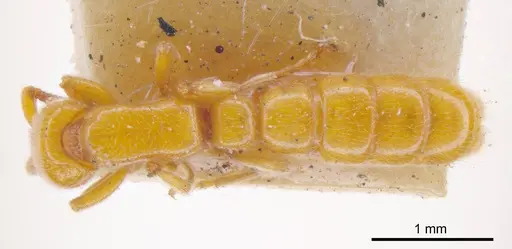
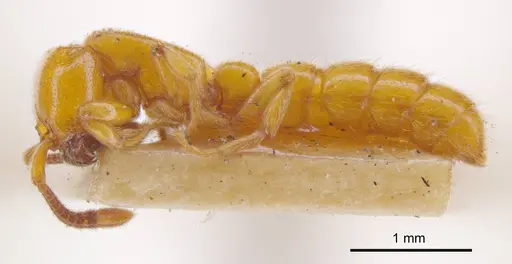
ANTWEB1008187
View on AntWeb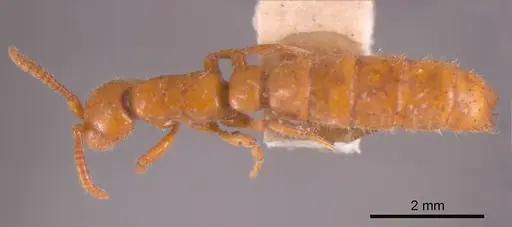
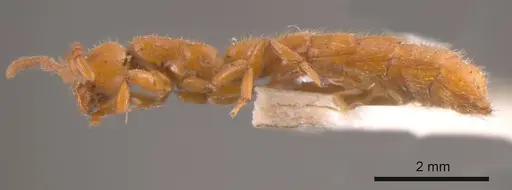
ANTWEB1008215
View on AntWeb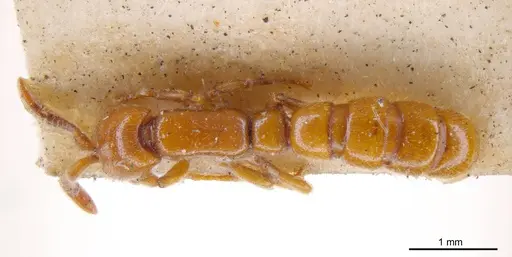
CASENT0172086
View on AntWeb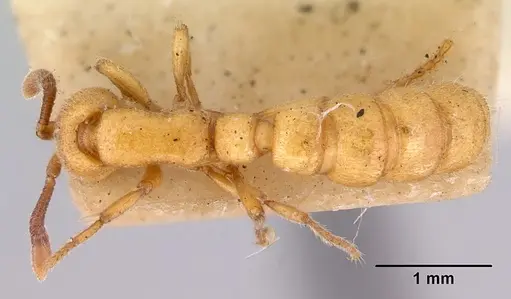
CASENT0172114
View on AntWeb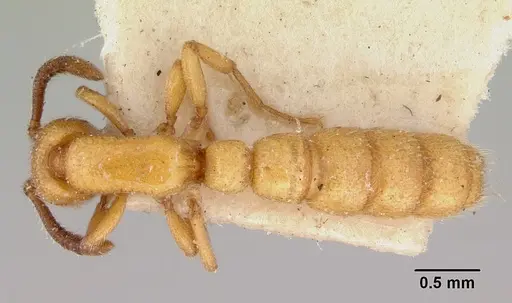
CASENT0172118
View on AntWeb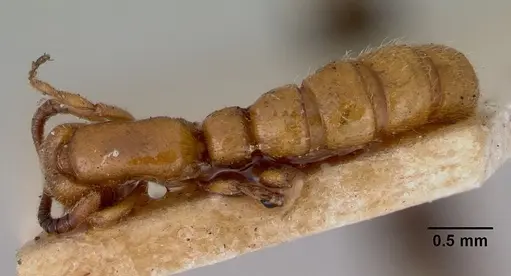
CASENT0173058
View on AntWeb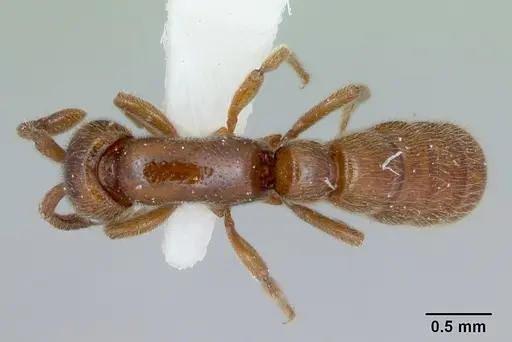
CASENT0173059
View on AntWeb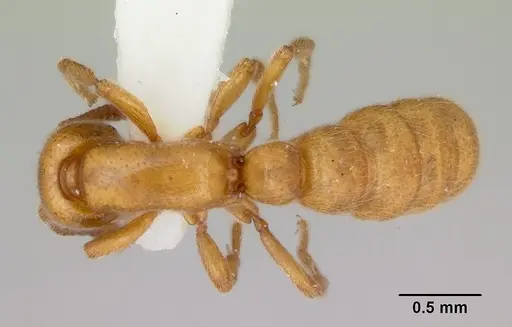
CASENT0249327
View on AntWeb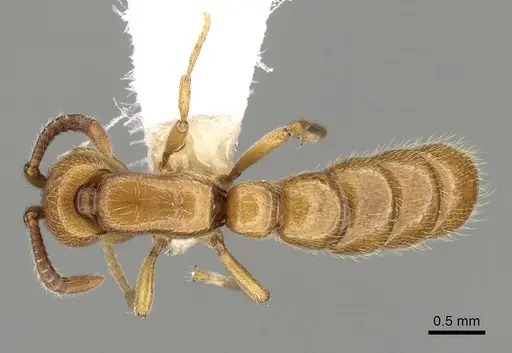
CASENT0902765
View on AntWeb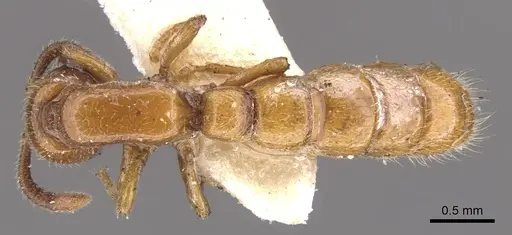
CASENT0902766
View on AntWeb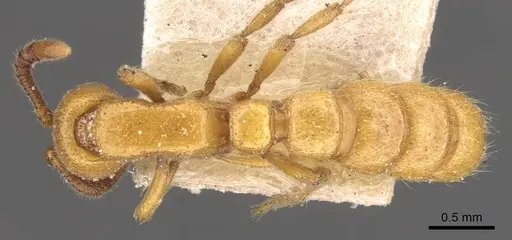
CASENT0902767
View on AntWeb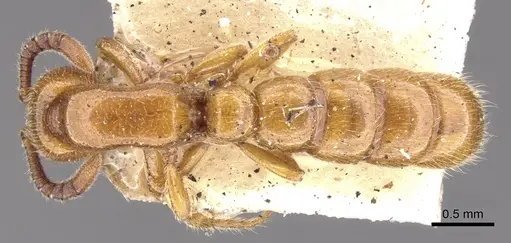
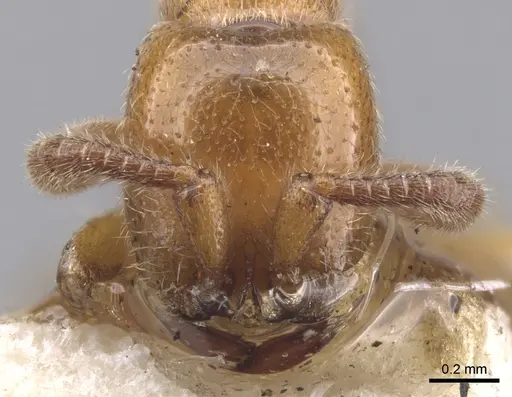
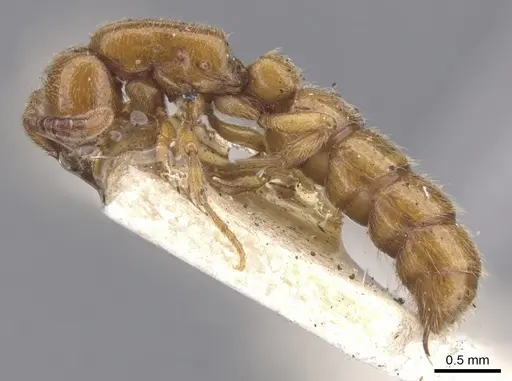
CASENT0907039
View on AntWeb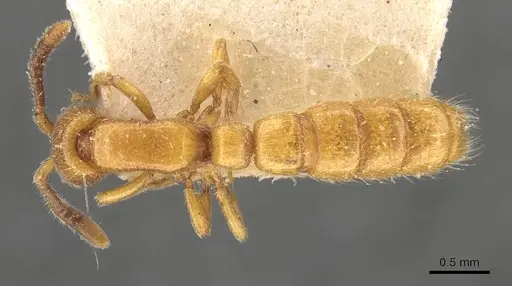
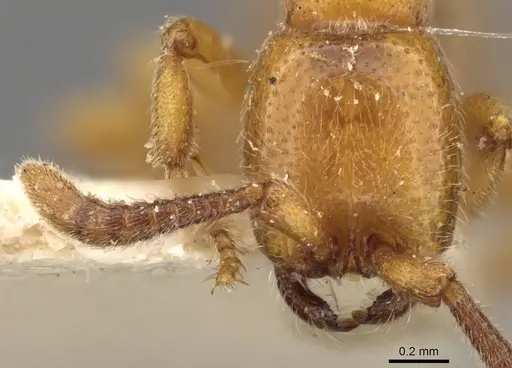
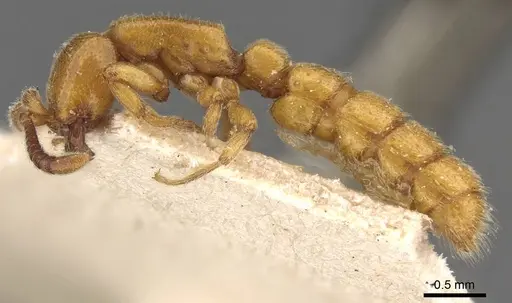
CASENT0907044
View on AntWeb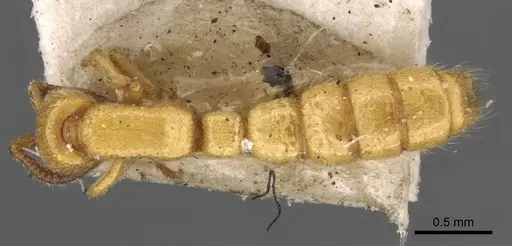
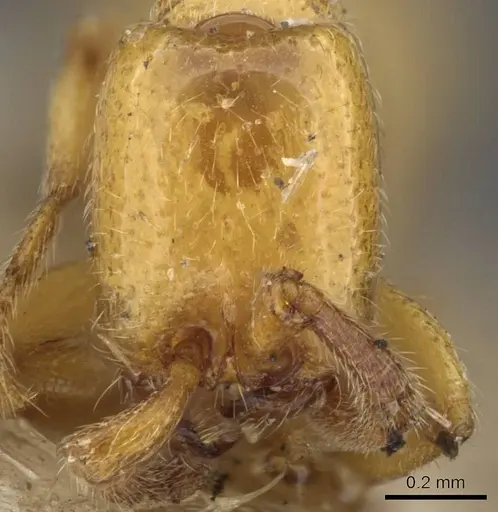
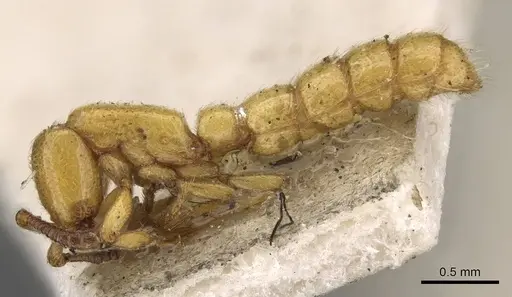
CASENT0911271
View on AntWeb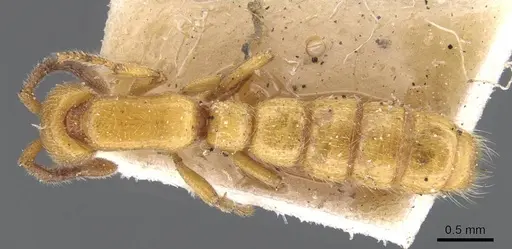
FOCOL0036
View on AntWeb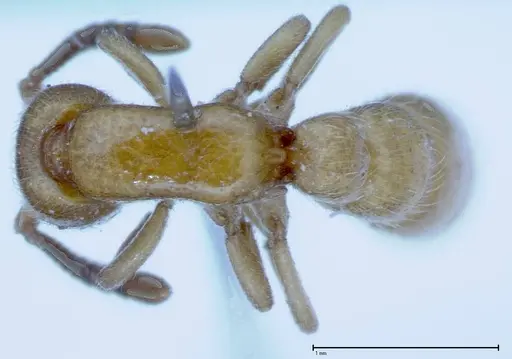
FOCOL0037
View on AntWeb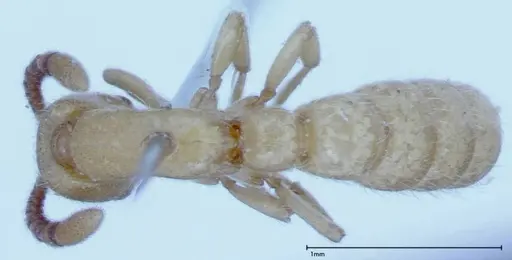
FOCOL0342
View on AntWeb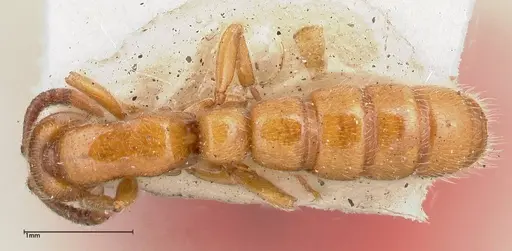
FOCOL0343-1
View on AntWeb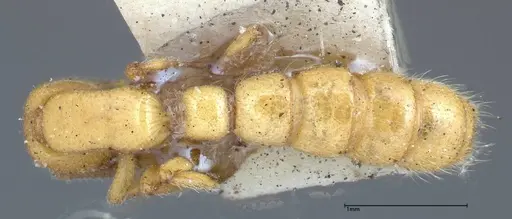
FOCOL0343-2
View on AntWeb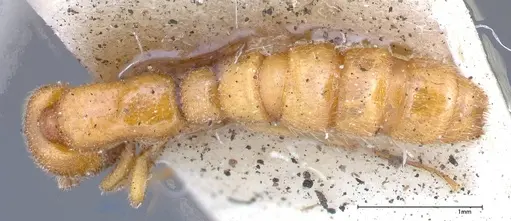
FOCOL0343-3
View on AntWeb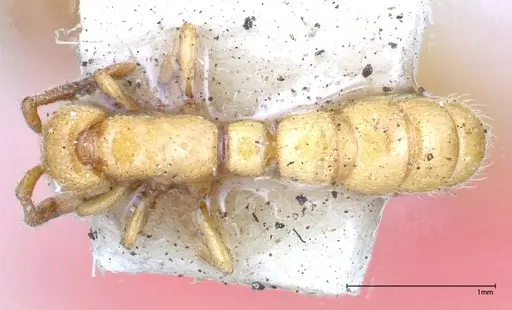
FOCOL0343-4
View on AntWeb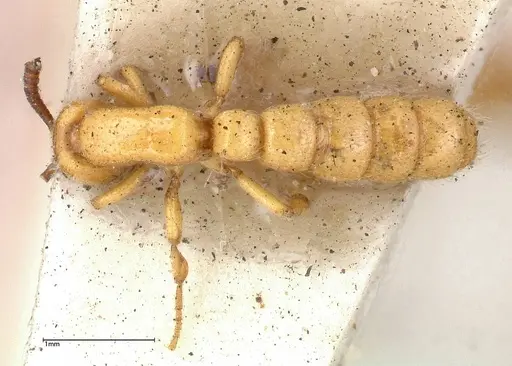
FOCOL0343-5
View on AntWeb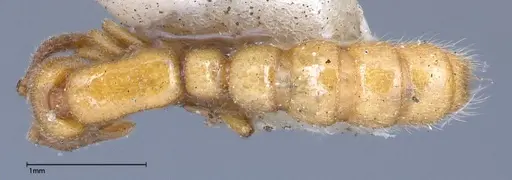
FOCOL0343-6
View on AntWeb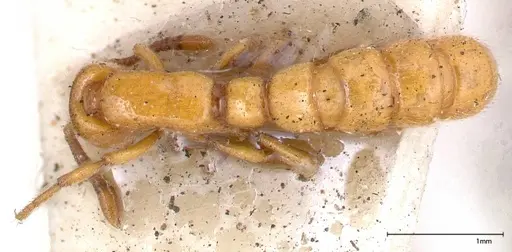
Literature
Loading...Loading products...