

Zasphinctus duchaussoyi
- Scientific Name
- Zasphinctus duchaussoyi
- Subfamily
- Dorylinae
- Author
- André, 1905
- Distribution
- Found in 1 countries
Zasphinctus duchaussoyi Overview
Zasphinctus duchaussoyi is an ant species of the genus Zasphinctus. It is primarily documented in 1 countries , including Australia. Detailed taxonomic data and occurrence records can be further explored via authoritative databases such as AntWeb or the Global Biodiversity Information Facility (GBIF).
Zasphinctus duchaussoyi
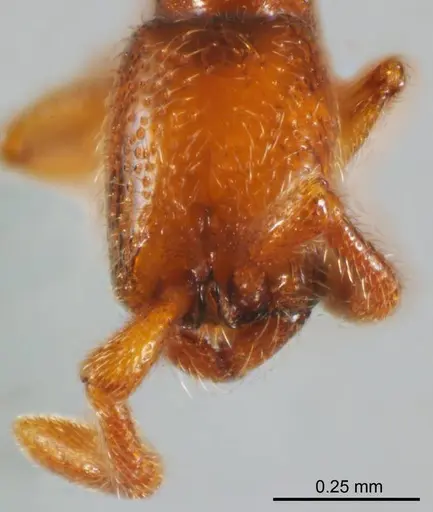
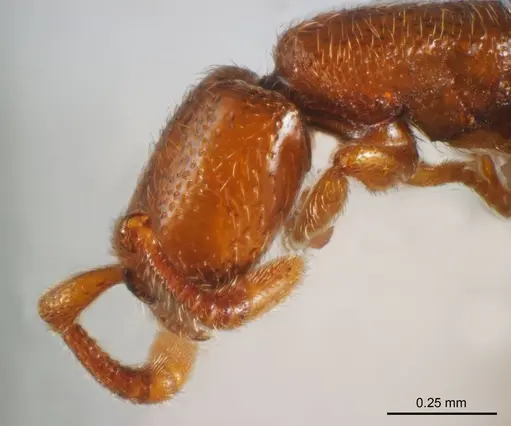
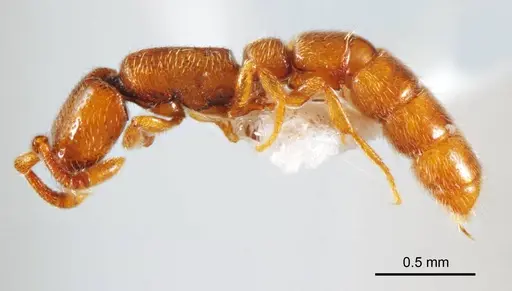
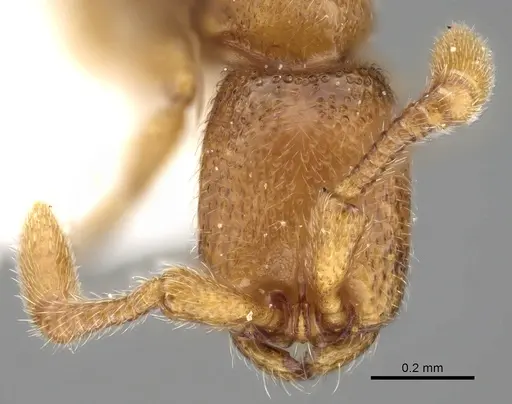
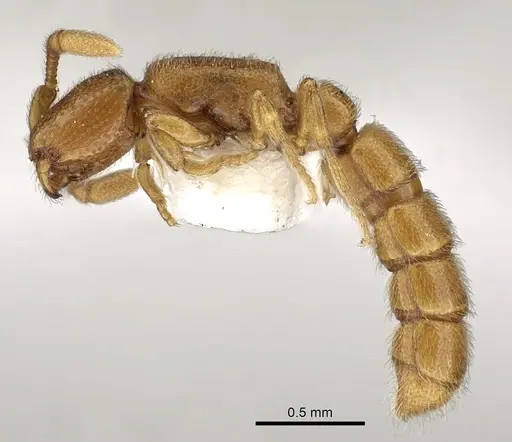
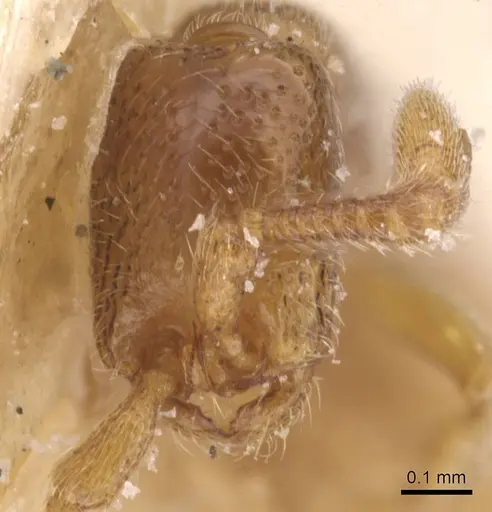
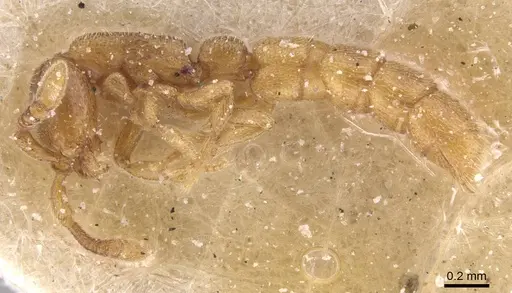
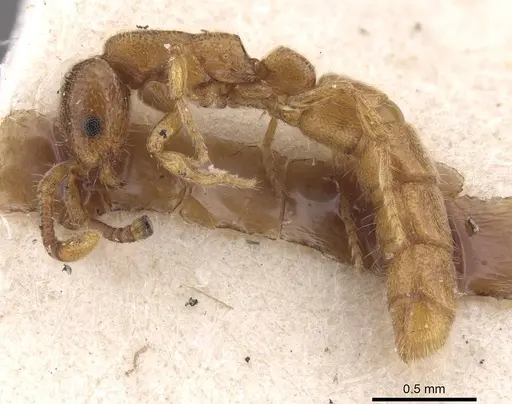
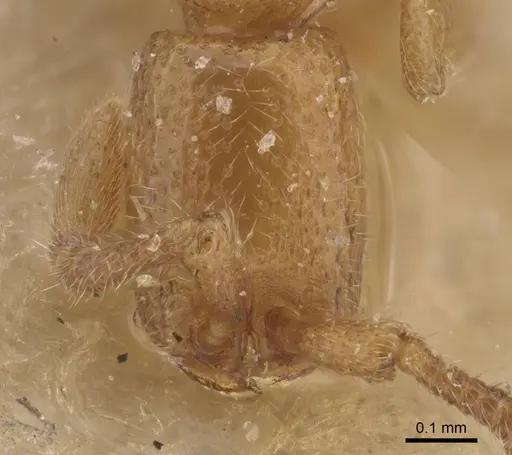
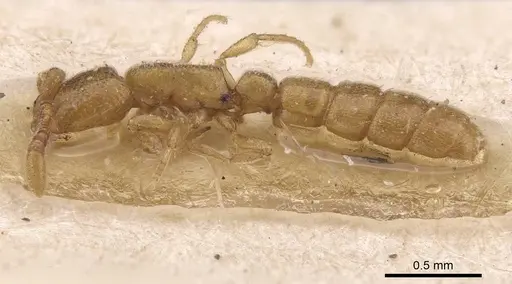
Zasphinctus duchaussoyi is a small to medium-sized ant belonging to the Dorylinae subfamily, native to eastern Australia. Workers measure around 3-4mm with a distinctive appearance featuring constricted abdominal segments that give their rear end an uneven, bumpy outline [1]. The species was originally described as Zasphinctus duchaussoyi in 1905 and has undergone several reclassifications, with Sphinctomyrmex and now Zasphinctus as its most recent genus placement. These ants are part of the Cerapachyini tribe, commonly known as spiny ants due to their somewhat segmented appearance. Found throughout Queensland and New South Wales, they inhabit rainforest environments at elevations between 200-1200m [2].
This species is notable for having ergatoid queens, wingless reproductive females that can serve as replacement egg-layers if the primary queen dies [2]. Like other Dorylinae, they are predatory army ants that hunt other small invertebrates, making them fascinating but somewhat challenging to keep due to their specific dietary needs.
Quick Summary
- Difficulty: Medium
- Origin & Habitat: Eastern Australia, primarily Queensland and New South Wales, from Sydney to Brisbane region. Found in rainforest habitats at elevations between 200-1200m in the Eungella region [2].
- Colony Type: Likely monogyne (single queen) with ergatoid replacement reproductives documented. The presence of ergatoid queens in the type series indicates they serve as replacement reproductives within established colonies [2].
- Colony: Monogyne
- Founding: Semi-claustral
- Size & Growth:
- Queen: Approximately 4-5mm (ergatoid queens are smaller than typical winged queens) [2]
- Worker: 3-4mm [1]
- Colony: Unknown for this specific species. Based on related Dorylinae, colonies likely reach several hundred workers.
- Growth: Moderate, development timeline unconfirmed for this species
- Development: Unknown, estimated 6-10 weeks based on related Dorylinae species (Direct development data not available for Z. duchaussoyi. Estimates based on genus-level patterns for army ants.)
- Antkeeping:
- Temperature: Keep at 22-26°C, Australian species preferring warm, stable conditions. A gentle gradient allowing workers to self-regulate is beneficial.
- Humidity: Moderate humidity (60-75%). These rainforest ants need moisture but avoid waterlogging. Provide a moist substrate area and a drier escape option.
- Diapause: Likely required, Australian temperate species probably need a winter rest period. Provide 3-4 months at 10-15°C during austral winter (June-August in Australia, or December-February in Northern Hemisphere).
- Nesting: Prefer dark, humid nesting sites. Y-tong (AAC) nests or plaster nests work well. Provide connecting tubes to an outworld for foraging. Keep the nest area dark and humid.
- Behavior: Predatory army ant behavior, they hunt and capture small invertebrates. Workers are active foragers that likely use chemical trails to coordinate group hunting. Not aggressive toward humans but will defend the nest. Escape risk is moderate, use standard barriers. They are nocturnal or crepuscular hunters based on typical Dorylinae patterns.
- Common Issues: Predatory diet makes them difficult to feed, require constant supply of small live prey, Colony failure during founding is common if queen cannot hunt effectively, Humidity control is critical, too dry causes brood death, too wet causes mold, Winter dormancy requirements are not fully understood, may cause colony stress if mimicked incorrectly, Limited availability in the antkeeping hobby means established colonies are rare
Housing and Nest Setup
Zasphinctus duchaussoyi requires a humid, dark nesting environment. Y-tong (AAC) nests or plaster nests work well for this species, both materials hold moisture while providing darkness that these ants prefer. Connect the nest to a standard outworld using tubing. The outworld should be escape-proof with a barrier like fluon. Since they are small (3-4mm), ensure all gaps are sealed, they can squeeze through surprisingly small openings. Provide a water tube in the outworld and mist the nest area regularly to maintain humidity. Keep the entire setup in a warm area away from direct sunlight and drafts [2].
Feeding and Diet
As predatory army ants, Z. duchaussoyi requires a constant supply of small live prey. They are not scavengers like some ant species, they actively hunt and capture insects. Offer small invertebrates such as fruit flies, pinhead crickets, mealworms (cut into small pieces), and other tiny arthropods. Springtails are an excellent staple food. Feed every 2-3 days, removing uneaten prey to prevent mold. Unlike sugar-loving ants, they do not need honey or sugar water, their diet is primarily protein-based. A varied diet helps ensure proper nutrition for brood development [2].
Temperature and Seasonal Care
Maintain temperatures between 22-26°C for optimal colony health and brood development. Australian species from Queensland and NSW are accustomed to warm conditions year-round. During the winter months, provide a cooling period at 10-15°C for 3-4 months, this mimics their natural seasonal cycle. Reduce feeding during this period as the colony will be less active. Avoid sudden temperature fluctuations. A heating cable on one side of the nest can create a gradient, allowing workers to choose their preferred temperature zone. Monitor colony activity, if they cluster near heat, increase slightly, if they avoid it, the temperature may be too high [2].
Colony Founding
The founding process for Z. duchaussoyi is semi-claustral, meaning the queen must leave the nest to hunt for food during the founding stage. This differs from claustral species where the queen seals herself in and lives off stored fat. After mating, the ergatoid queen (wingless) or dealate queen establishes a small chamber and begins laying eggs. She must hunt to feed herself and the first brood, this makes founding more challenging than claustral species. The first workers (nanitics) are typically smaller than mature workers. Founding colonies should be kept in a quiet, dark location with access to small prey items [2].
Behavior and Temperament
Zasphinctus duchaussoyi exhibits typical Dorylinae army ant behavior, they are active hunters that coordinate in groups to capture prey. Workers are not particularly large but are efficient predators. They are not aggressive toward humans and do not have a painful sting (Dorylinae use chemical defenses rather than stinging). The species is primarily nocturnal or crepuscular, becoming most active in low light conditions. They use chemical pheromone trails to recruit nestmates to food sources. Colonies establish distinct nest territories and will defend against intruders. The distinctive constricted abdominal segments give them a unique appearance among ant species [1][2].
Frequently Asked Questions
How long does it take for Zasphinctus duchaussoyi to produce first workers?
The exact timeline is unknown, but based on related Dorylinae species, expect 6-10 weeks from egg to worker at optimal temperature (24-26°C). The semi-claustral founding method means development may be slightly slower than claustral species as the queen must balance hunting with brood care.
Can I keep Zasphinctus duchaussoyi in a test tube setup?
Test tubes can work for founding colonies but are not ideal for established colonies. These ants need humidity control and a foraging area. A Y-tong or plaster nest connected to an outworld is more suitable for long-term housing. If using test tubes, ensure proper humidity and transfer to a proper nest once the colony reaches 20+ workers.
What do Zasphinctus duchaussoyi eat?
They are strictly predatory and require live small invertebrates. Feed them fruit flies, springtails, small mealworms, pinhead crickets, and other tiny arthropods. They do not typically accept sugar sources or dead food, they are active hunters that prefer live prey.
Are Zasphinctus duchaussoyi good for beginners?
No, this species is considered intermediate to advanced difficulty. Their semi-claustral founding, predatory diet requiring constant live prey, and specific humidity needs make them challenging for beginners. They are also rarely available in the hobby.
Do Zasphinctus duchaussoyi need hibernation?
Yes, they likely require a winter rest period. As an Australian species from temperate regions, provide 3-4 months at 10-15°C during the winter. This can be done during the appropriate season for your hemisphere.
How big do Zasphinctus duchaussoyi colonies get?
Colony size is not well documented but based on related Dorylinae species, colonies likely reach several hundred workers. They are not among the largest ant species but can form substantial colonies over time.
Why is my Zasphinctus duchaussoyi colony dying?
Common causes include: insufficient prey (they need constant hunting opportunities), incorrect humidity (too dry causes brood death), temperature stress (they need stable warmth), and improper founding conditions (semi-claustral queens that cannot hunt will fail). Ensure you are providing adequate small live prey and proper environmental conditions.
Can I keep multiple queens together?
Not recommended. While ergatoid replacement reproductives exist within established colonies, combining unrelated founding queens has not been documented and is likely to result in aggression. Keep founding queens in separate setups.
Where is Zasphinctus duchaussoyi found in the wild?
This species is native to eastern Australia, specifically Queensland and New South Wales. They are found in rainforest environments at elevations between 200-1200m, with records from the Sydney area and Brisbane region including Bribie Island [2].
References

This caresheet is licensed under CC BY-SA 4.0 .
ANTWEB1008718
View on AntWeb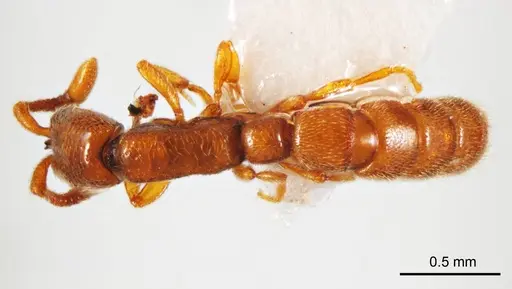
CASENT0249325
View on AntWeb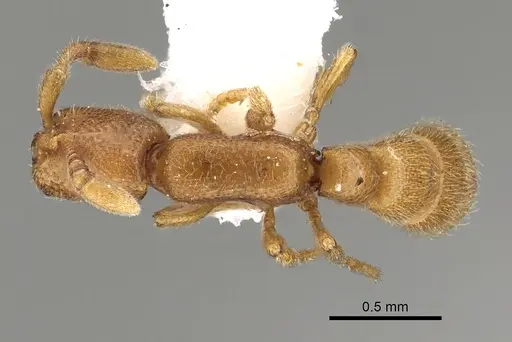
CASENT0911270
View on AntWeb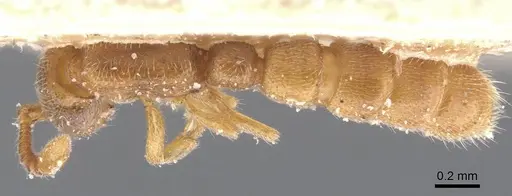
CASENT0915331
View on AntWeb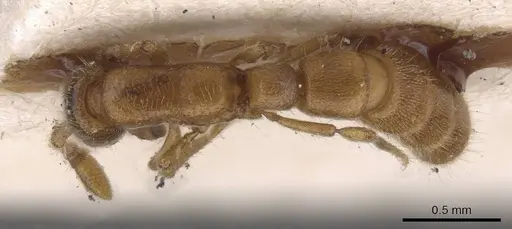
CASENT0915332
View on AntWeb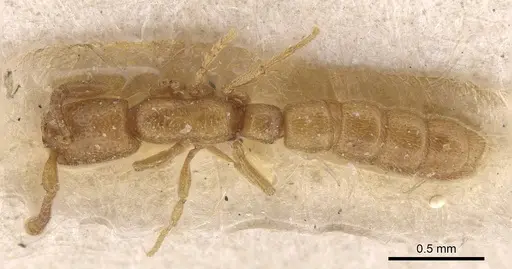
Literature
Loading...Loading products...