

Xymmer muticus
- Scientific Name
- Xymmer muticus
- Tribe
- Amblyoponini
- Subfamily
- Amblyoponinae
- Author
- Santschi, 1914
- Distribution
- Found in 1 countries
Xymmer muticus Overview
Xymmer muticus is an ant species of the genus Xymmer. It is primarily documented in 1 countries , including Gabon. Detailed taxonomic data and occurrence records can be further explored via authoritative databases such as AntWeb or the Global Biodiversity Information Facility (GBIF).
Xymmer muticus
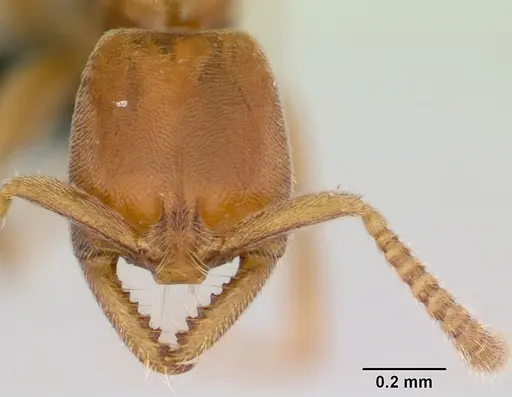
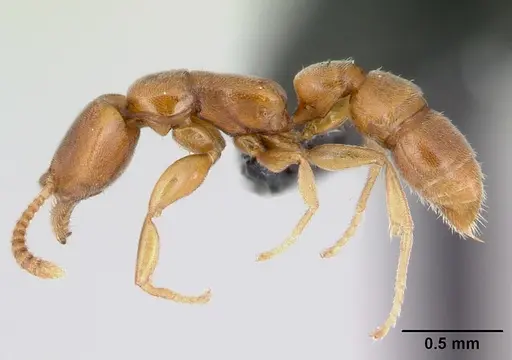
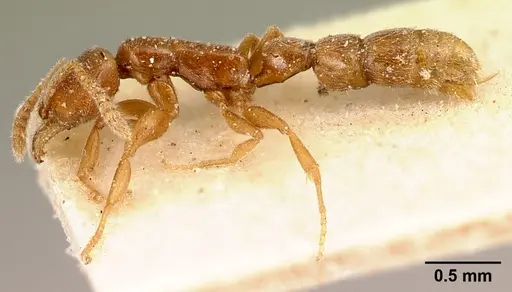
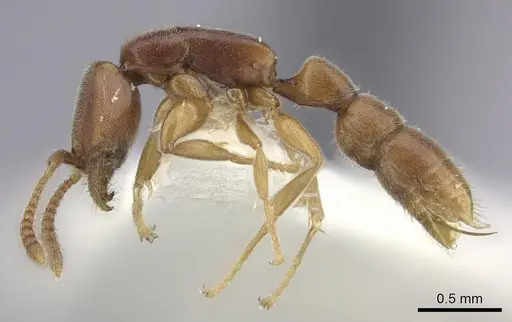
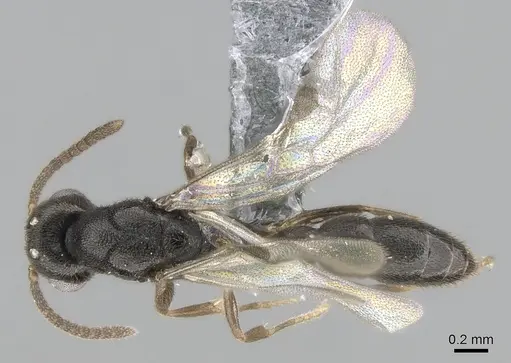
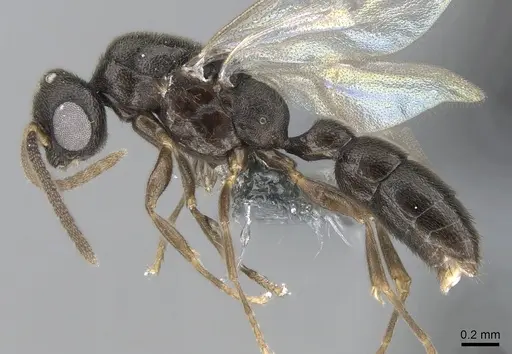
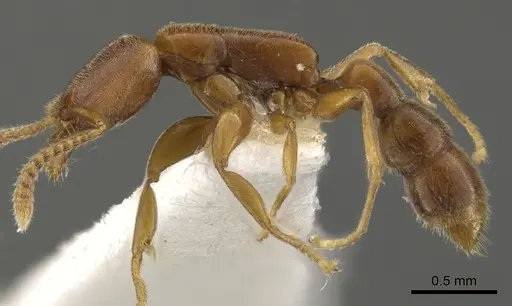
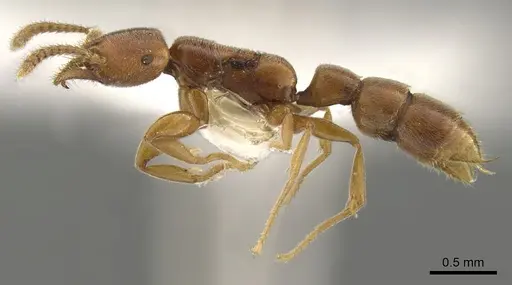
Xymmer muticus is a tiny amblyoponine ant native to West African rainforests and savannas. Workers measure just 3.5mm and have a distinctive brownish-red coloration with lighter yellowish mandibles, antennae, and legs [1]. They are blind or have rudimentary eyes, and their smooth, shiny body with fine puncturation makes them quite distinctive among leaf-litter ants. This species belongs to the XMMAS clade, a specialized group within Amblyoponinae that includes the famous 'dracula ants' known for their unique predatory habits [2][3].
What makes Xymmer muticus particularly interesting is how little we know about it, this is one of the most poorly documented ant species in hobby circles. It was originally described from Nigeria in 1914 and has since been found across West Africa, from Cameroon to Ghana, yet captive husbandry information is essentially nonexistent [4]. The genus Xymmer is rare in collections, and this species remains a mystery even to professional myrmecologists.
Quick Summary
- Difficulty: Expert
- Origin & Habitat: West African rainforests and savannas, found in Cameroon, Central African Republic, Ghana, Ivory Coast, and Nigeria. They inhabit leaf litter and soil in forest habitats [1][4].
- Colony Type: Unknown colony structure. The genus Xymmer is part of the Amblyoponinae, a group that typically forms small colonies, but specific data on X. muticus colony size and queen number is unconfirmed.
- Size & Growth:
- Queen: Unknown, no documented measurements for queens [1]
- Worker: 3.5mm total length including mandibles [1]
- Colony: Unknown, likely small based on typical Amblyoponinae patterns, but no specific data exists
- Growth: Unknown, signal if estimated
- Development: Unknown, no direct measurements exist. Based on typical Amblyoponinae development patterns, estimate 6-10 weeks at optimal temperature, but this is a rough guess (Development timeline is entirely unstudied for this species. Amblyoponinae generally develop faster than larger ants due to their small size, but specific data for Xymmer is completely lacking.)
- Antkeeping:
- Temperature: Unconfirmed, no specific thermal studies exist. Based on West African rainforest origin, aim for warm conditions around 24-28°C with stable temperatures. Monitor colony response and adjust accordingly.
- Humidity: Unconfirmed, no humidity data exists. As a leaf-litter ant from rainforest habitats, they likely prefer humid conditions with moist substrate. Keep the nest substrate damp but not waterlogged.
- Diapause: Unknown, no studies on overwintering requirements. West African ants from this region may not enter true diapause, but may show reduced activity during dry seasons.
- Nesting: Natural nesting is in leaf litter and soil. In captivity, a small test tube setup or miniature formicarium with tight chambers would suit their tiny size. They likely prefer dark, humid nesting areas similar to other Amblyoponinae.
- Behavior: Behavior is essentially unstudied in captivity. Based on their subfamily placement, they are likely predatory on small arthropods and may have specialized hunting behaviors. Amblyoponinae are known for their stealthy hunting and use of venom. Their tiny size and blindness suggest they hunt by chemical cues rather than vision. Escape prevention is critical due to their minute size, they can squeeze through remarkably small gaps. Exercise extreme caution with any opening in their enclosure.
- Common Issues: completely unstudied in captivity, no established care protocols exist, tiny size makes escape prevention extremely difficult, no information on acceptable foods or feeding schedules, colony founding behavior is unconfirmed, unknown if claustral or semi-claustral, no data on queen founding success rates or worker development, humidity and temperature requirements are entirely inferred, not confirmed, potential venomous sting, Amblyoponinae have functional stingers, no information on colony longevity or queen lifespan
Species Background and Identification
Xymmer muticus is a tiny ant species that was originally described from Nigeria in 1914 by F. Santschi. It was initially placed in the genus Stigmatomma, then moved through several genera (Amblyopone, Xymmer) before being确立ed in Xymmer by Yoshimura and Fisher in 2012 [4]. The species is part of the XMMAS clade within Amblyoponinae, a group that also includes the famous 'dracula ants' known for their unique hemolymph-feeding behavior [2][3].
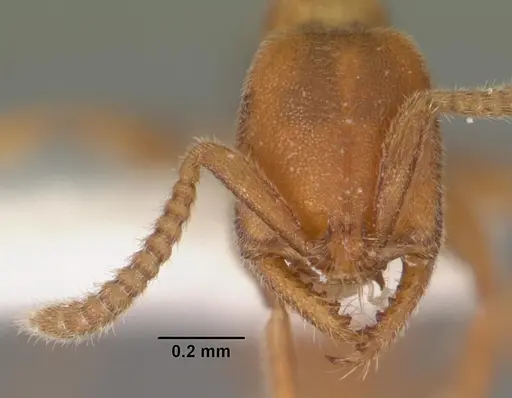
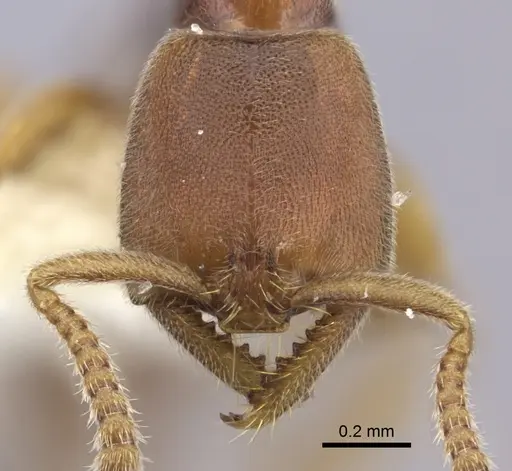
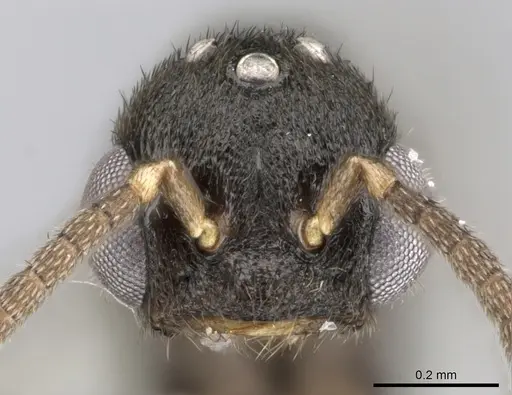
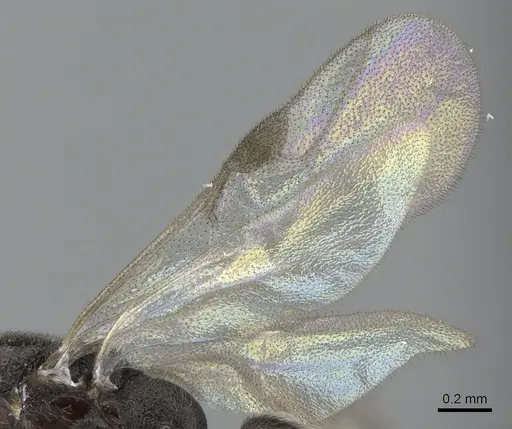
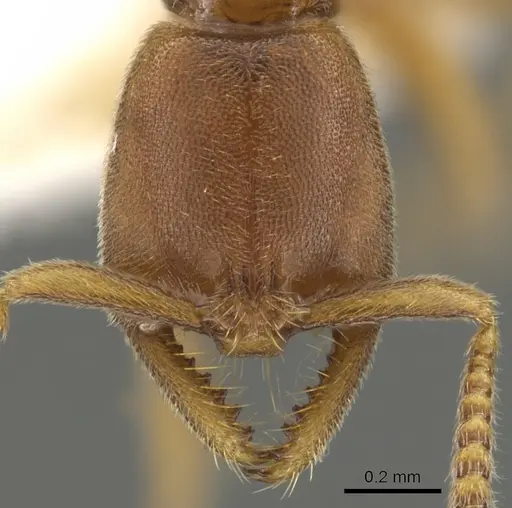
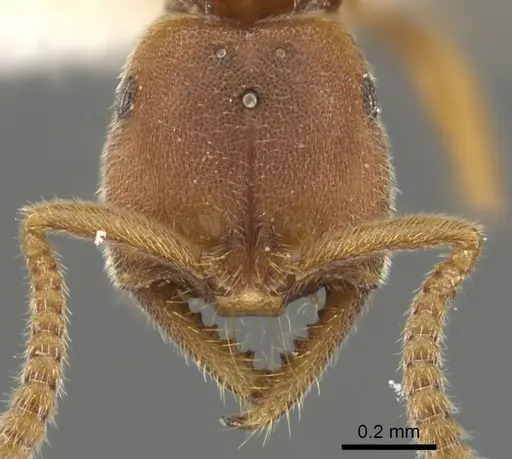
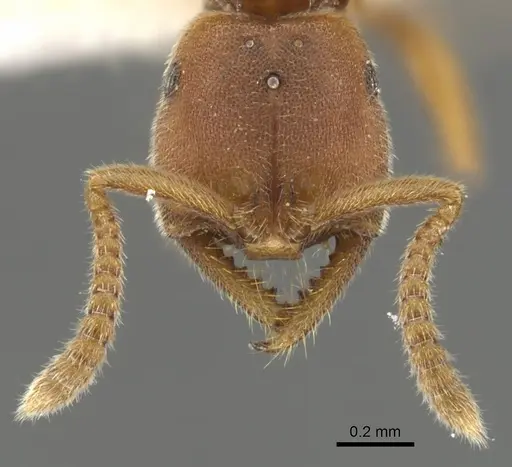
Workers are approximately 3.5mm in total length, making them one of the smaller ant species you might encounter. They have a brownish-red body with noticeably lighter yellowish mandibles, antennae, and legs. The body is smooth and shiny with very fine but quite dense puncturation. Most distinctive is their clypeus, it has no armament (no teeth or spines) and is distinctly lobed, which helps separate them from similar genera like Amblyopone, Prionopelta, and Stigmatomma [1]. Workers are essentially blind, sometimes with only a rudimentary eye facet in the posterior third of the head.
Distribution and Habitat
Xymmer muticus is known from the West African subregion, with confirmed records from Cameroon, Central African Republic, Côte d'Ivoire (Ivory Coast), Gabon, Ghana, and Nigeria [4][1]. The species has been collected from both rainforest and savanna habitats, specifically from leaf litter and soil samples. This suggests they are primarily ground-dwelling and prefer humid, shaded microhabitats.
In Ivory Coast, they have been found in urban green spaces within Abidjan, showing some tolerance for human-modified environments [5]. However, they remain one of the less commonly encountered ants in systematic surveys, suggesting they may be naturally rare or difficult to sample rather than simply being overlooked.
Challenges in Captive Care
This is perhaps the most important section for any prospective keeper: Xymmer muticus has never been documented in the ant-keeping hobby, and there is essentially zero scientific literature on its captive care, colony development, or basic biology. What we know comes from fewer than a dozen museum specimens and a handful of ecological surveys.
This means you will essentially be pioneering the husbandry of this species if you obtain a colony. You should expect to experiment with conditions and document your observations carefully. There are no established protocols for feeding, humidity levels, temperature ranges, or nesting preferences. Any advice given here is based on inference from related Amblyoponinae species and should be treated as educated guesses rather than proven requirements.
Approach this species only if you have extensive experience with other Amblyoponinae (like Stigmatomma or Amblyopone species) and are comfortable with experimental husbandry. The lack of any baseline data means colonies may fail for reasons you cannot diagnose.
Inferred Care Recommendations
Based on the species' placement in Amblyoponinae and its West African rainforest origin, here are educated guesses for initial husbandry:
Temperature: Aim for 24-28°C, consistent with tropical rainforest conditions. Use a heating cable on one side of the nest to create a gradient if your room temperature is lower.
Humidity: Keep substrate consistently moist but not waterlogged. These are leaf-litter ants from humid environments, so they likely need higher humidity than typical household conditions. A small water reservoir connected to the nest can help maintain moisture.
Nesting: Use small, tight-fitting chambers. A test tube setup with a small cotton chamber works for founding colonies. For established colonies, a miniature formicarium with narrow passages would suit their tiny size.
Feeding: Amblyoponinae are predatory. Offer small live prey appropriate to their size, springtails, fruit flies, and other tiny arthropods. They may also accept honey or sugar water, though this is unconfirmed.
Lighting: They are essentially blind, so they likely prefer dark conditions. Keep nesting areas shielded from direct light.
Defense and Safety
Xymmer muticus belongs to Amblyoponinae, a subfamily known to have functional stingers. Unlike Formicinae (which spray formic acid) or Dolichoderinae, Amblyoponinae can deliver a genuine sting. However, given the ant's tiny size (3.5mm), any sting would be minimal and unlikely to cause more than mild irritation in humans.
The venom of Amblyoponinae is primarily used for hunting small prey rather than defense against large threats. Nevertheless, exercise normal precautions when handling and avoid allowing them to crawl on bare skin.
Frequently Asked Questions
How long does it take for Xymmer muticus to develop from egg to worker?
This is completely unknown, no scientific data exists on the development timeline for this species. Based on typical Amblyoponinae patterns and their small size, a rough estimate would be 6-10 weeks from egg to first worker at optimal temperature, but this is entirely speculative. You will need to document this yourself if you maintain a colony.
What do Xymmer muticus ants eat?
Feeding is unconfirmed for this specific species. Based on their subfamily (Amblyoponinae), they are predatory and likely hunt small arthropods. Offer small live prey like springtails, fruit flies, tiny isopods, and other micro-arthropods. Sugar sources like honey water may be accepted but are not confirmed. This species represents a completely experimental feeding situation.
Can I keep Xymmer muticus in a test tube?
Test tubes can work for founding colonies, but due to their extremely small size (3.5mm), escape prevention must be excellent. Use fine mesh on any air holes and check regularly. The small chambers of a test tube may suit them, but nesting preferences are entirely unconfirmed.
Are Xymmer muticus good for beginners?
Absolutely not. This is an expert-only species with zero documented captive care information. There are no established protocols, no feeding schedules, no confirmed temperature or humidity requirements. Only experienced antkeepers who have worked with other Amblyoponinae should consider this species, and only if they are prepared for experimental husbandry.
Do Xymmer muticus ants sting?
Yes, Amblyoponinae have functional stingers. However, given the ant's tiny size (3.5mm), any sting would be very mild, equivalent to a small mosquito bite at most. The venom is primarily adapted for hunting small prey, not defense against large animals.
How big do Xymmer muticus colonies get?
Colony size is completely unknown. Based on typical Amblyoponinae patterns, colonies are likely small, probably under 100 workers at maturity. No scientific data exists on maximum colony size for this species.
What temperature do Xymmer muticus need?
No specific temperature data exists. Based on their West African rainforest origin, aim for warm conditions around 24-28°C. This is an educated guess, not a confirmed requirement. Monitor your colony for signs of stress (lethargy, clustering, or avoiding certain areas of the nest) and adjust accordingly.
Do Xymmer muticus need hibernation or diapause?
Unknown, no studies exist on their seasonal biology. As a West African species from tropical regions, they likely do not require true hibernation. They may show reduced activity during dry seasons, but this is unconfirmed.
Why is so little known about Xymmer muticus?
This species has been rarely collected and poorly studied. It was described in 1914 but remains known from only a handful of museum specimens. Ecological surveys in West Africa rarely encounter them, possibly because they are naturally uncommon or because their tiny size makes them difficult to sample. Scientific interest has focused on more conspicuous species, leaving this ant's basic biology essentially undocumented.
Can I keep multiple queens together?
Not enough is known to answer this. Colony structure (monogyne vs polygyne) has never been documented for this species. Combining unrelated queens is not recommended without data on their natural colony founding behavior.
Why are they called dracula ants?
Xymmer muticus is in the Amblyoponinae subfamily, which includes the famous 'dracula ants.' These ants have a unique feeding behavior where they wound prey and drink the hemolymph (the insect equivalent of blood) rather than eating solid food or begging for regurgitated sugar. Whether X. muticus specifically exhibits this behavior is unconfirmed, but it is possible given their subfamily placement.
References

This caresheet is licensed under CC BY-SA 4.0 .
ANTWEB1008499
View on AntWeb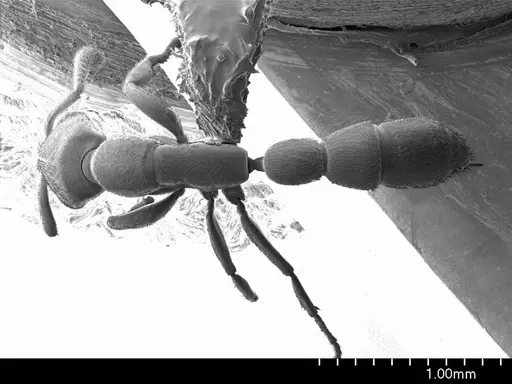
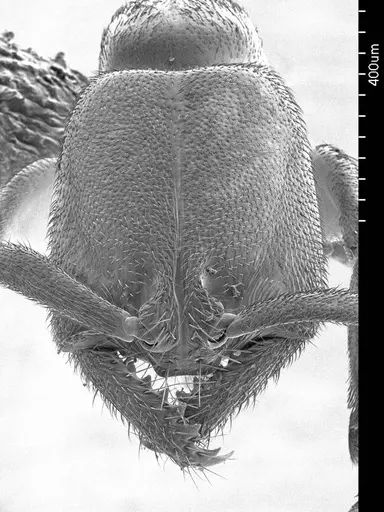
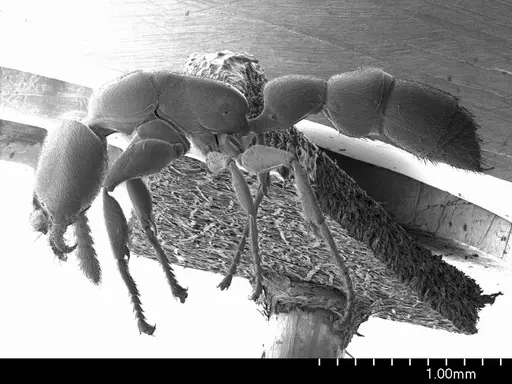
CASENT0006827
View on AntWeb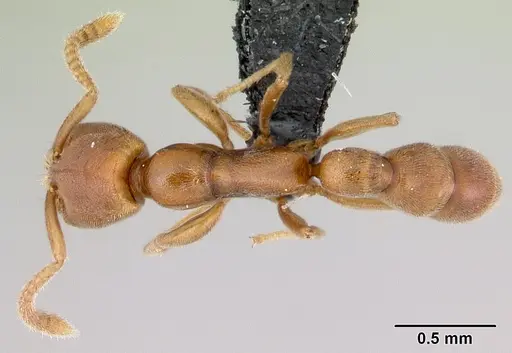
CASENT0102213
View on AntWeb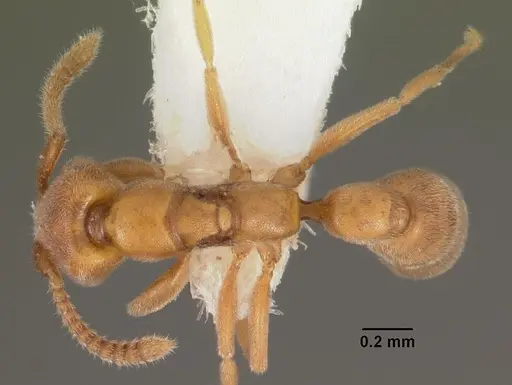
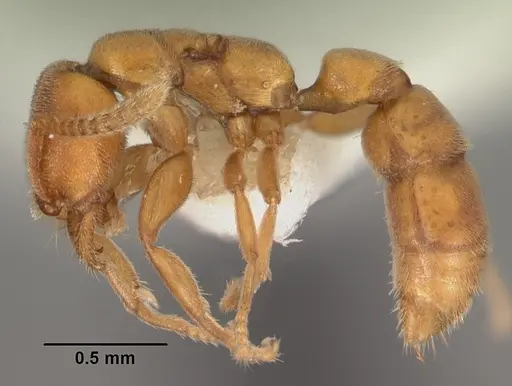
CASENT0217322
View on AntWeb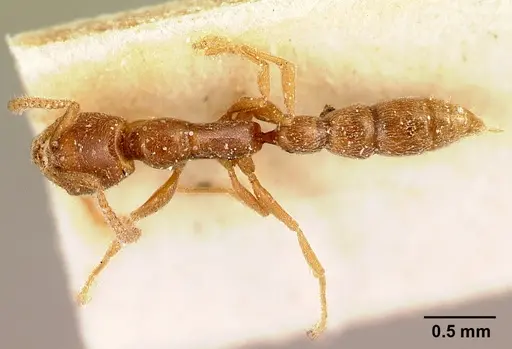
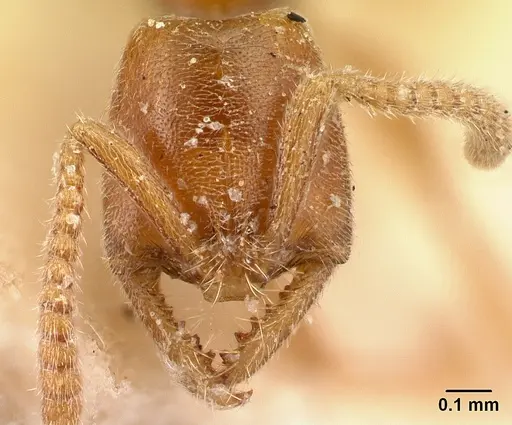
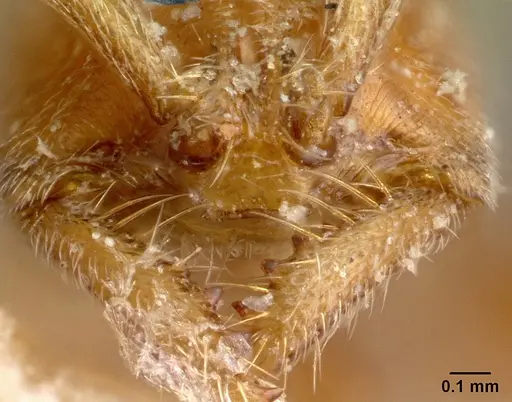
CASENT0260450
View on AntWeb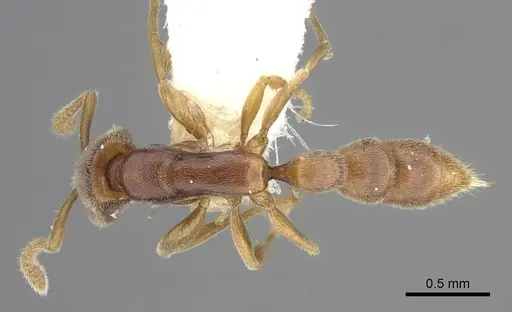
CASENT0290261
View on AntWeb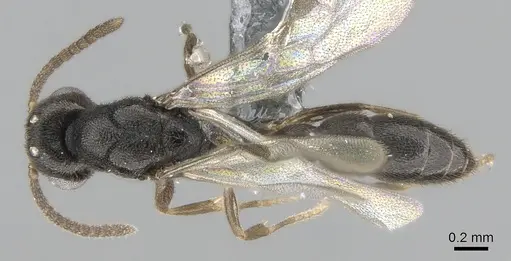
CASENT0900330
View on AntWeb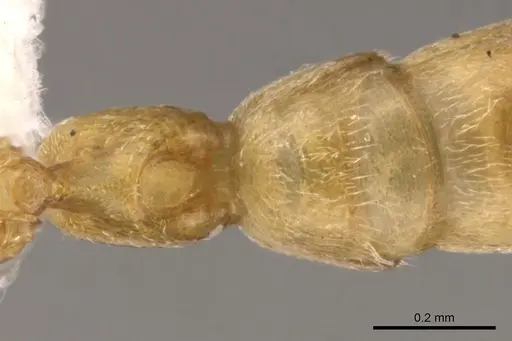
CASENT0900331
View on AntWeb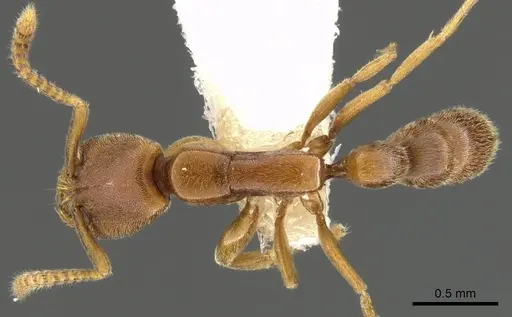
CASENT0900332
View on AntWeb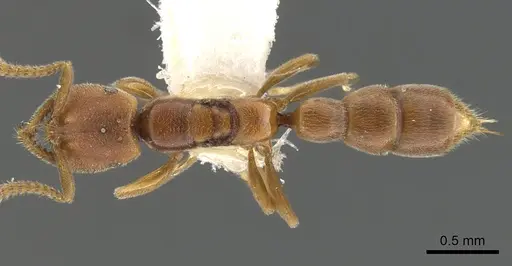
Literature
Loading...Loading products...