

Wasmannia sulcaticeps
- Scientific Name
- Wasmannia sulcaticeps
- Tribe
- Attini
- Subfamily
- Myrmicinae
- Author
- Emery, 1894
- Distribution
- Found in 3 countries
Wasmannia sulcaticeps Overview
Wasmannia sulcaticeps is an ant species of the genus Wasmannia. It is primarily documented in 3 countries , including Argentina, Brazil, Paraguay. Detailed taxonomic data and occurrence records can be further explored via authoritative databases such as AntWeb or the Global Biodiversity Information Facility (GBIF).
Wasmannia sulcaticeps
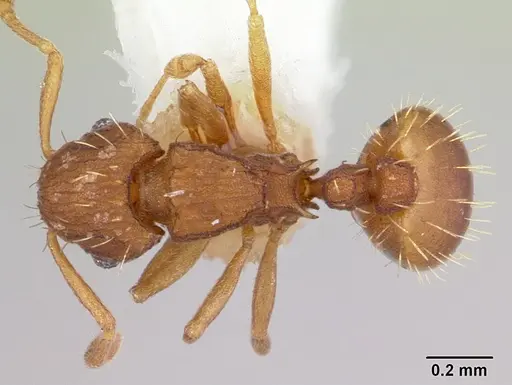
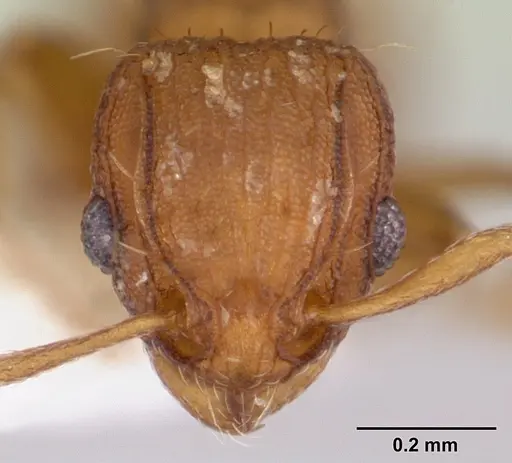
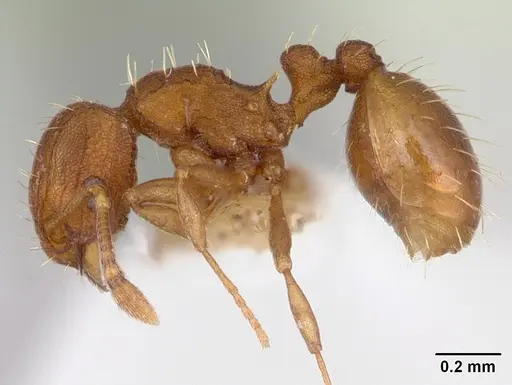
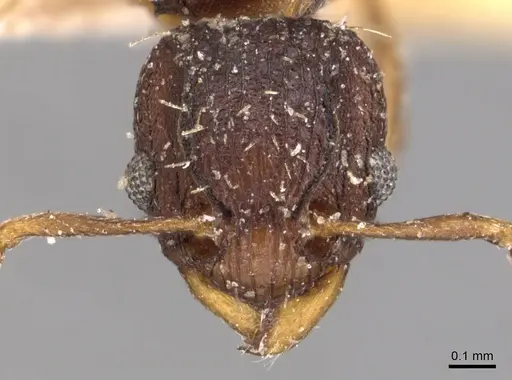
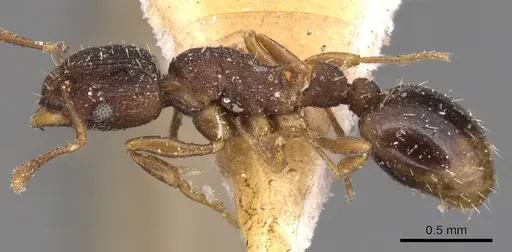
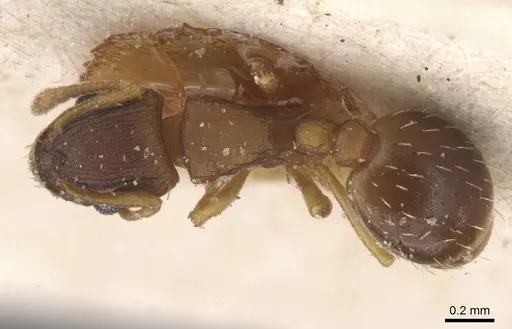
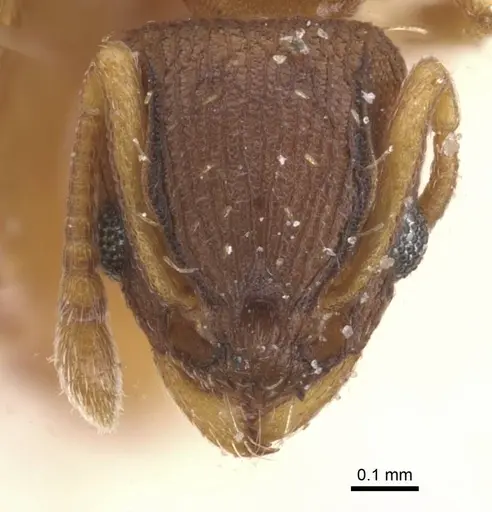
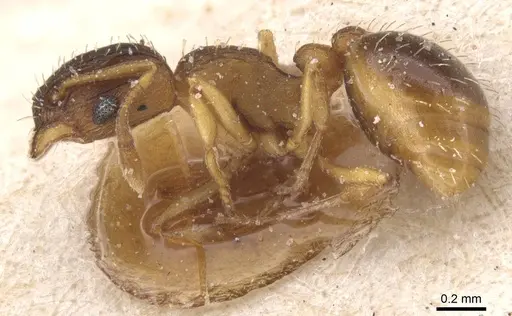
Wasmannia sulcaticeps is a tiny Myrmicinae ant native to the Yungas cloud forests of northwestern Argentina and surrounding regions. Workers measure just 0.50-0.60mm in head length, making them one of the smaller ant species you'll encounter [1]. They feature distinctive heavy striate sculpture on the face with about 10-12 longitudinal grooves, and their propodeal spiracle is notably small, smaller than the width of the propodeal spine base [2]. Color varies widely within colonies, ranging from dark brown to yellowish-brown [1]. This species is endemic to the Yungas ecoregion of Argentina, where it inhabits montane and premontane cloud forests at elevations between 300-1600m [3][4].
Quick Summary
- Difficulty: Medium
- Origin & Habitat: Native to the Yungas cloud forests of northwestern Argentina (Jujuy, Tucumán, Salta provinces) and surrounding areas including Santa Fe, Corrientes, and Santa Catarina, Brazil. Found in montane forest, montane cloud forest, and premontane forest at 300-1600m elevation. Prefers humid, shaded environments in both primary and secondary forests [3][4][1].
- Colony Type: Colony structure is unconfirmed. Based on related Wasmannia species, likely monogyne (single queen) but this requires verification.
- Size & Growth:
- Queen: 0.63mm head length [1]
- Worker: 0.50-0.60mm head length [1]
- Colony: Unknown, likely moderate, similar to related Wasmannia species
- Growth: Moderate, inferred from related species in the genus
- Development: 6-10 weeks estimated based on typical Attini tribe development patterns (Direct development data unavailable for this species. Estimates based on genus-level patterns for Wasmannia.)
- Antkeeping:
- Temperature: Keep at 20-24°C. This species comes from cool, humid cloud forests in the Yungas, so avoid overheating. Room temperature in most homes should work well, aim for low-to-mid 20s°C [3][4].
- Humidity: High humidity required, think damp mountain forest floor. Keep nest substrate consistently moist but not waterlogged. The Yungas environment is consistently humid with frequent mist and cloud cover [3][4].
- Diapause: Likely, based on temperate/subtropical origin. Provide a cool period (15-18°C) during winter months, roughly 2-3 months. This aligns with their distribution in southern South America where winters are mild but distinct.
- Nesting: Y-tong (AAC) nests or plaster nests work well for these tiny ants. They naturally nest in soil and under stones in forest habitats. The small size means they need tight chambers and narrow passages, avoid large, open spaces.
- Behavior: These are tiny, ground-dwelling ants with a strong association to the forest floor [5]. They are likely generalist foragers, similar to related Wasmannia species that scavenge and tend honeydew-producing insects. Workers are small enough to squeeze through standard test tube openings, excellent escape prevention is critical. They are not aggressive and pose no stinging threat to humans. Their small size and ground-nesting habits make them somewhat shy and reclusive compared to larger ant species.
- Common Issues: escape prevention is critical, workers are tiny and can squeeze through standard barriers, high humidity requirements can lead to mold if ventilation is poor, slow growth may cause keepers to overfeed or disturb the colony unnecessarily, wild-caught colonies may carry parasites that can devastate captive populations, test tube setups can flood easily with these small ants, use small water reservoirs
Housing and Nest Setup
For these tiny ants, use a Y-tong (AAC) nest or a plaster nest with very small chambers. Standard test tubes work for founding colonies but monitor water levels closely, the small diameter means flooding is a real risk. The nest material should be kept consistently moist but never waterlogged. Because they come from humid cloud forest environments, consider adding a water reservoir connected to the nest to maintain humidity. Avoid large, open spaces in the formicarium, these ants prefer tight, enclosed chambers scaled to their tiny size. The outworld should be simple with minimal obstacles since workers are only about 0.5mm [1].
Temperature and Humidity
Wasmannia sulcaticeps comes from the cool, humid Yungas cloud forests of northwestern Argentina where temperatures are moderate year-round and humidity is consistently high [3][4]. Keep temperatures in the range of 20-24°C, avoid overheating as this species has not adapted to tropical heat. Room temperature in most homes should be suitable. Humidity is critical: maintain 70-80% relative humidity in the nest area. The substrate should feel damp to the touch. You can achieve this by keeping the water reservoir filled and using a plaster or Y-tong nest that holds moisture well. Avoid placing the nest near heating elements or in direct sunlight, which can cause rapid drying.
Feeding and Diet
Like other Wasmannia species and Attini tribe members, these ants are likely generalist omnivores. Offer small protein sources such as fruit flies, tiny crickets, or other small insects. Due to their minute size, prey items should be appropriately scaled, springtails or fruit fly pupae work well. Sugar sources like diluted honey or sugar water may be accepted, though some Wasmannia species prefer honeydew from aphids. Feed small amounts every 2-3 days and remove any uneaten prey to prevent mold. Since colony size is likely moderate, avoid overfeeding which can lead to contamination issues in small nest setups. [1]
Seasonal Care and Overwintering
Based on their origin in southern South America, Wasmannia sulcaticeps likely experiences a mild winter period. Provide a diapause or cool period during winter months (roughly May-August in the southern hemisphere, or November-February in the northern hemisphere if you're keeping them in the northern hemisphere). During this time, reduce temperatures to 15-18°C and reduce feeding frequency. The colony will be less active but should not be allowed to freeze. This rest period helps maintain natural cycles and may improve long-term colony health. Do not feed during deep hibernation but ensure the nest does not dry out completely. [3][4]
Behavior and Temperament
Wasmannia sulcaticeps is a ground-dwelling species with a strong association to the forest floor stratum [5]. Workers are tiny and likely forage individually or in small groups rather than forming large foraging trails. They are not aggressive and pose no threat to keepers. The small size of workers (0.50-0.60mm) means they can easily escape through tiny gaps, always use excellent escape prevention with fine mesh barriers and tight-fitting lids. These ants are likely shy and reclusive, preferring to stay within the humid confines of their nest rather than exploring widely in the outworld.
Frequently Asked Questions
How long does it take for Wasmannia sulcaticeps to produce first workers?
Direct development data is not available for this species. Based on typical Attini tribe development patterns, expect 6-10 weeks from egg to worker at optimal temperature (around 22°C). The first workers (nanitics) will be smaller than mature workers.
What size colony does Wasmannia sulcaticeps reach?
Colony size is not well documented for this species. Based on related Wasmannia species, colonies likely reach a few hundred workers at maximum. They are not among the larger ant species.
Are Wasmannia sulcaticeps good for beginners?
This species is rated as Medium difficulty. While not the most challenging ant, they do require attention to humidity and escape prevention due to their tiny size. Beginners should be prepared for their specific needs before acquiring a colony.
Can I keep Wasmannia sulcaticeps in a test tube?
Yes, test tubes work for founding colonies. However, use a small-diameter tube and monitor water levels carefully, these tiny ants are more prone to flooding in narrow tubes. Consider moving to a small Y-tong or plaster nest once the colony grows beyond 20-30 workers.
What temperature do Wasmannia sulcaticeps need?
Keep them at 20-24°C. This species comes from cool cloud forests and does not tolerate heat well. Room temperature is usually appropriate. Avoid placing the nest near heat sources or in direct sunlight.
Do Wasmannia sulcaticeps need hibernation?
Yes, a mild winter rest period is recommended. Reduce temperatures to 15-18°C for 2-3 months during winter. This mimics their natural cycle in the Yungas region of Argentina where winters are mild but distinct.
Why are my Wasmannia sulcaticeps escaping?
Their tiny worker size (0.50-0.60mm) means they can squeeze through incredibly small gaps. Use fine mesh barriers, ensure all lid seams are tight, and consider applying Fluon to the edges of the outworld. Regular escape prevention checks are essential.
Where is Wasmannia sulcaticeps native to?
This species is endemic to the Yungas cloud forests of northwestern Argentina (Jujuy, Tucumán, Salta provinces) and surrounding areas including Santa Fe, Corrientes, and southern Brazil (Santa Catarina). They are found at elevations between 300-1600m in humid montane environments.
What do Wasmannia sulcaticeps eat?
Like other Wasmannia species, they are generalist omnivores. Offer small protein sources (fruit flies, tiny insects) and sugar sources (diluted honey, sugar water). Due to their minute size, prey should be appropriately small, springtails or fruit fly pupae work well.
References

This caresheet is licensed under CC BY-SA 4.0 .
Literature
Loading...Loading products...