

Wasmannia scrobifera
- Scientific Name
- Wasmannia scrobifera
- Tribe
- Attini
- Subfamily
- Myrmicinae
- Author
- Kempf, 1961
- Distribution
- Found in 8 countries
Wasmannia scrobifera Overview
Wasmannia scrobifera is an ant species of the genus Wasmannia. It is primarily documented in 8 countries , including Brazil, Costa Rica, French Guiana. Detailed taxonomic data and occurrence records can be further explored via authoritative databases such as AntWeb or the Global Biodiversity Information Facility (GBIF).
Wasmannia scrobifera
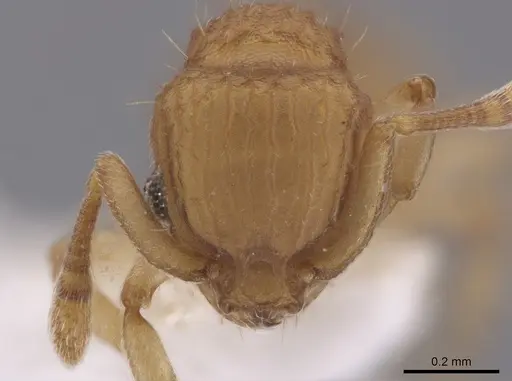
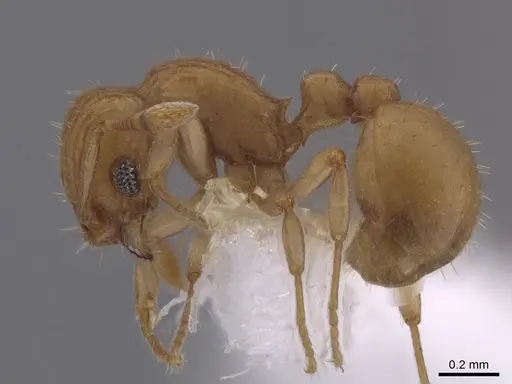
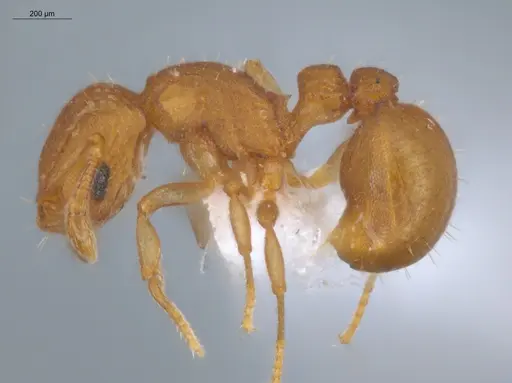
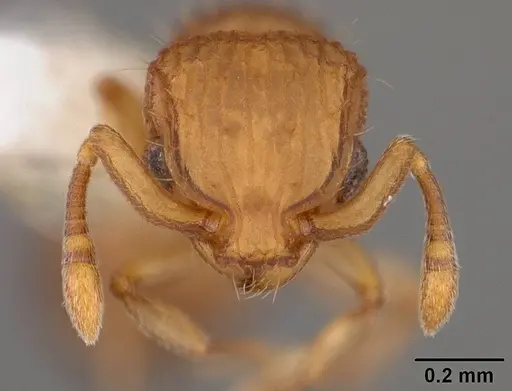
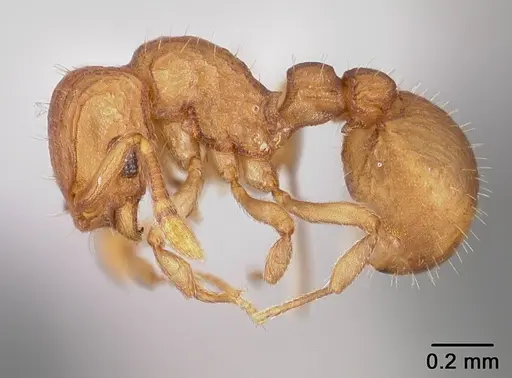
Wasmannia scrobifera is a tiny tropical ant native to Central and South American rainforests. Workers measure just 0.52-0.56mm in head width, making them among the smaller ants you'll encounter [1]. Queens are slightly larger at 0.54-0.56mm head width and 0.67-0.70mm mesosoma length [1]. This species has a dark brown to black coloration typical of many leaf-litter ants. What makes W. scrobifera particularly interesting is its unusual nesting behavior, it appears to nest in the low arboreal zone (in leaf domatia of plants like Tococa) while foraging in the leaf litter on the forest floor below [1]. This dual-zone lifestyle is uncommon among litter-dwelling ants and suggests they'll need vertical space in captivity.
Quick Summary
- Difficulty: Expert
- Origin & Habitat: Mature lowland rainforest in the Atlantic lowlands of Costa Rica, with records also from Colombia, Brazil (Bahia and Matto Grosso states), Suriname, Ecuador, French Guiana, Guatemala, Guyana, and Honduras [1][2]. They inhabit the forest floor leaf litter and low vegetation zones.
- Colony Type: Unknown colony structure, the species has been found with only workers and brood in nests, with no queen specimens collected. Likely monogyne based on typical genus patterns, but unconfirmed.
- Size & Growth:
- Queen: 0.67-0.70mm mesosoma length,0.54-0.56mm head width [1]
- Worker: 0.52-0.56mm head width,0.56mm mesosoma length [1]
- Colony: Unknown, this is a low density species rarely encountered in the wild [1]
- Growth: Unknown, no captive breeding data available
- Development: Unknown, no development studies exist for this species. Based on related Wasmannia species and tropical Myrmicinae patterns, estimate 4-8 weeks at optimal temperature, but this is a rough guess. (No direct data exists. Development time is estimated from genus-level patterns for tropical litter ants.)
- Antkeeping:
- Temperature: Keep at 24-28°C, these are lowland tropical ants requiring warm, stable conditions. A gentle gradient allowing workers to choose their preferred temperature is ideal.
- Humidity: High humidity of 70-85%, they come from damp rainforest environments. Keep the nest substrate consistently moist but not waterlogged, with some drier areas available.
- Diapause: No, as a tropical species, they do not require hibernation. Maintain warm conditions year-round.
- Nesting: This species nests in unusual locations, in leaf domatia of plants and in small carton nests under leaves [1]. In captivity, a naturalistic setup with small chambers, damp substrate, and some vertical space would suit them best. Their tiny size means they need tight passages and small chambers scaled to their minute dimensions.
- Behavior: These ants are very small and likely secretive. Workers have been collected from leaf litter and low vegetation, suggesting they forage in the understory layer. Their tiny size means excellent escape prevention is critical, they can squeeze through remarkably small gaps. The genus Wasmannia includes some species with stingers, so handle with caution though this species is too small to pose any real danger to humans. They are likely nocturnal or crepuscular foragers based on their forest-floor habitat.
- Common Issues: tiny size makes escape prevention critical, they can slip through gaps too small for most other ants, no captive breeding data exists, this species has never been established in captivity by hobbyists, humidity control is challenging, too wet causes mold, too dry kills brood, low density in the wild suggests colonies are small and may be sensitive to disturbance, lack of documented care means all husbandry is experimental
Housing and Enclosure
Housing Wasmannia scrobifera presents significant challenges due to their minute size and unusual nesting preferences. A naturalistic setup works best, use a shallow container with damp forest floor substrate (a mix of soil and rotting leaf material). The key is creating small, tight chambers scaled to their tiny dimensions. Standard test tubes are too large for these ants, instead, use small plastic containers or custom mini-nests with chambers just 2-3mm in diameter. Escape prevention must be excellent, these ants can squeeze through gaps as small as 0.3mm. Apply fluon or use containers with tight-sealing lids. Include some vertical elements like small twigs or leaves to simulate their natural arboreal nesting sites [1]. Keep lighting dim as they prefer dark, humid conditions.
Temperature and Humidity Control
Maintain temperatures of 24-28°C year-round, these are true lowland tropical ants that have never experienced cold temperatures. Use a small heat mat on one side of the enclosure to create a gentle gradient, but never let temperatures exceed 30°C. Humidity should stay high at 70-85%. The substrate should feel damp to the touch but never show standing water. Mist lightly every few days rather than on a fixed schedule, rehydrate when the surface begins drying. Good ventilation is essential to prevent mold, but avoid strong airflow that dries the enclosure. A hygrometer helps monitor conditions, but visual assessment of substrate moisture is often more reliable for these sensitive ants. [1]
Feeding and Nutrition
Feeding habits are unconfirmed for this species, but based on related Wasmannia and typical Attini tribe behavior, they likely forage for small arthropods and may tend aphids or scale insects for honeydew. Offer tiny prey items like springtails, booklice, or fruit flies. Given their minute size, standard ant feeders are too large, prey should be no bigger than 1-2mm. Sugar water may be accepted but offer it in very small quantities in a cotton wick to prevent drowning. Start with live micro-prey and observe acceptance before trying other foods. Remove uneaten prey within 24 hours to prevent mold. Feed every 2-3 days for established colonies. [1]
Colony Establishment
This is the biggest challenge with Wasmannia scrobifera, wild colonies have never been documented in captivity, and founding queens have never been collected or described. The only known nest collections contained workers and brood without queens [1]. If you obtain a colony, it will likely be a queenless worker/brood fragment. Without a queen, the colony cannot grow, workers may live for several months but will gradually die off. If you find a dealate queen, housing her in a small claustral setup (mini test tube or small container with damp cotton) at 26°C with high humidity may work. However, expect significant trial and error since no established protocols exist. Consider this an experimental species for advanced antkeepers willing to document their attempts.
Behavior and Activity
W. scrobifera appears to be a cryptic, slow-moving species that forages in leaf litter and low vegetation. Their collection from frog stomachs in Colombia confirms they are eaten by predators, indicating workers do venture into exposed positions [1]. They are not aggressive or defensive, their tiny size makes them vulnerable, so they likely rely on secrecy rather than confrontation. Activity patterns are unknown but probably crepuscular or nocturnal to avoid predators in their forest floor habitat. In captivity, observe them most in the evening and morning hours. They move deliberately rather than frantically, exploring small spaces methodically.
Frequently Asked Questions
How big do Wasmannia scrobifera colonies get?
Unknown, this is a rarely encountered low density species in the wild, and colonies have never been documented in captivity. Based on collection data showing only small worker groups, colonies are likely small, possibly under 100 workers [1].
Can I keep Wasmannia scrobifera in a test tube?
Standard test tubes are too large for these tiny ants. Workers are only 0.52-0.56mm in head width, smaller than a grain of rice. You would need custom mini-nests with chambers just 2-3mm wide, or a naturalistic setup with appropriately scaled spaces.
How long does it take for Wasmannia scrobifera to develop from egg to worker?
Unknown, no development studies exist for this species. Based on related tropical Myrmicinae, estimate 4-8 weeks at optimal temperature (around 26°C), but this is a rough guess with low confidence.
Are Wasmannia scrobifera good for beginners?
No, this species is not recommended for beginners. No captive breeding protocols exist, wild colonies have never been established in captivity, and their tiny size makes them extremely difficult to house and maintain. Consider this an expert-level experimental species.
What do Wasmannia scrobifera eat?
Unconfirmed, but based on related species, they likely eat small live prey (springtails, booklice, tiny flies) and may accept honeydew from sap-sucking insects. Offer tiny live prey and small amounts of sugar water. Acceptance is uncertain, document what works for your colony.
Do Wasmannia scrobifera need hibernation?
No, as a tropical lowland rainforest species from Costa Rica and the Amazon basin, they do not experience cold temperatures and require warm conditions year-round. Maintain 24-28°C continuously.
Why are my Wasmannia scrobifera dying?
Without documented captive care, mortality causes are speculative. Likely issues include: incorrect humidity (too dry kills them quickly), temperature stress (above 30°C or below 22°C), escape and desiccation, or simply that wild-caught colonies are stressed fragments without a queen. Their cryptic nature and unknown requirements make captive success extremely challenging.
References

This caresheet is licensed under CC BY-SA 4.0 .
CASENT0653678
View on AntWeb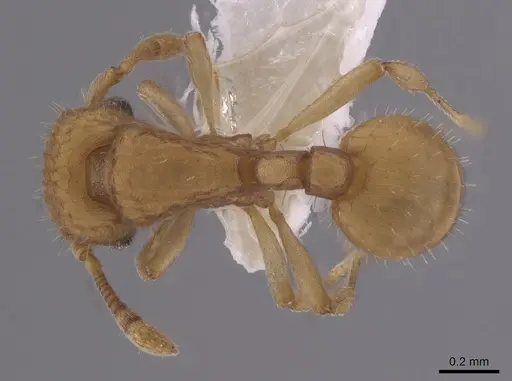
CASENT0922485
View on AntWeb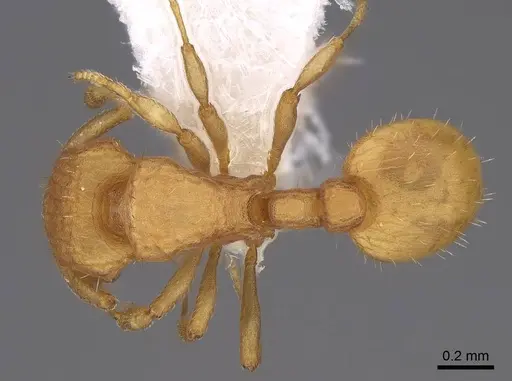
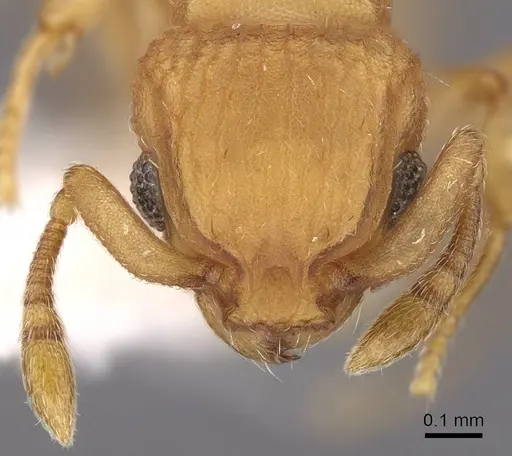
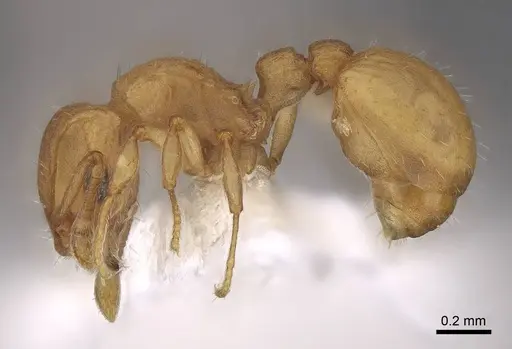
ECOFOG-SL13-1312-25
View on AntWeb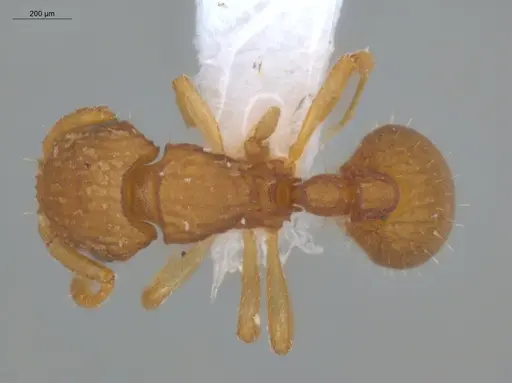
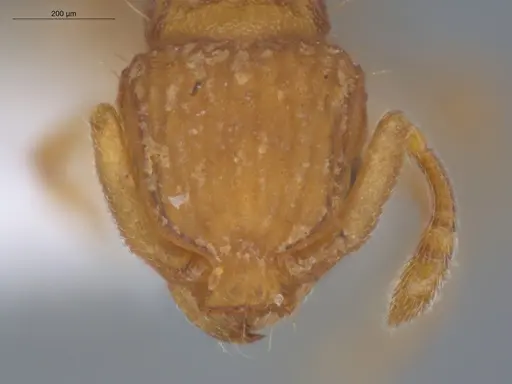
USNMENT00411891
View on AntWeb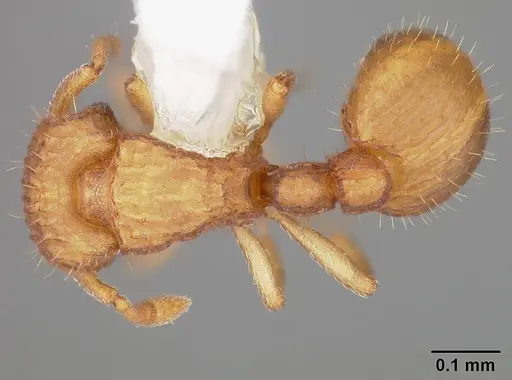
Literature
Loading...Loading products...