

Vollenhovia subtilis
- Scientific Name
- Vollenhovia subtilis
- Tribe
- Crematogastrini
- Subfamily
- Myrmicinae
- Author
- Emery, 1887
- Distribution
- Found in 3 countries
Vollenhovia subtilis Overview
Vollenhovia subtilis is an ant species of the genus Vollenhovia. It is primarily documented in 3 countries , including Indonesia, Papua New Guinea, Solomon Islands. Detailed taxonomic data and occurrence records can be further explored via authoritative databases such as AntWeb or the Global Biodiversity Information Facility (GBIF).
Vollenhovia subtilis
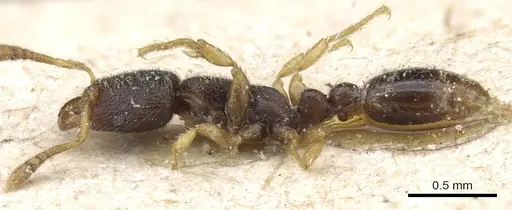
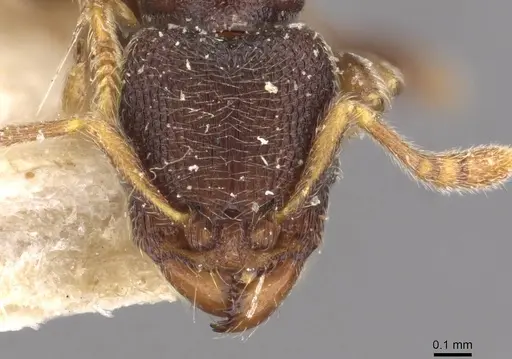
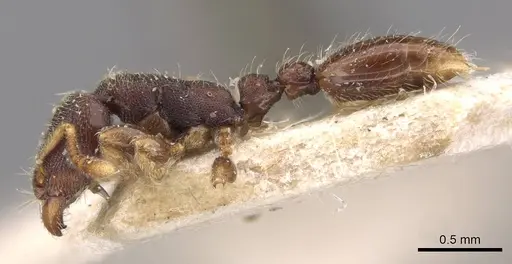
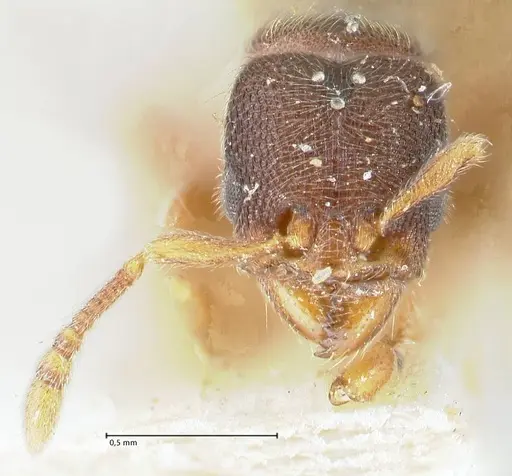
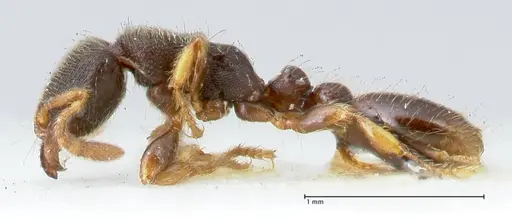
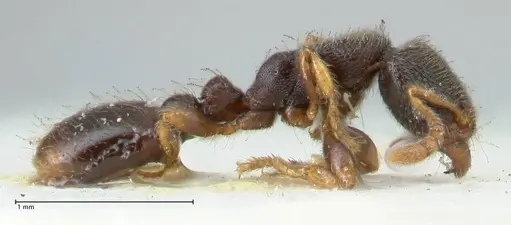
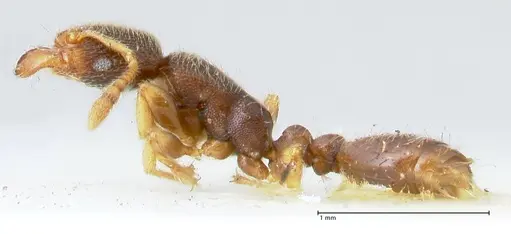
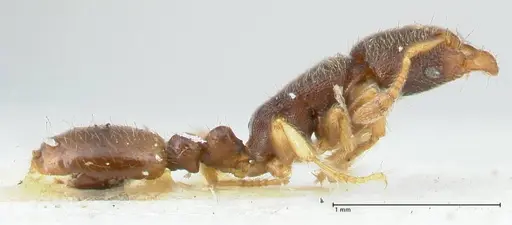
Vollenhovia subtilis is a tiny ant species native to the Indo-Malayan region and Oceania. Workers measure just 2.33-2.66mm, making them among the smaller ants you can keep [1]. They have a brownish-red (fusco-ferrugineous) body with yellowish mandibles, antennae, and feet. Their body is covered in fine hairs and has a distinctive sculpture pattern of longitudinal striations and punctures on the head and thorax [1]. The species was originally described by Carlo Emery in 1887 from specimens collected in the Key Islands of Indonesia [1][2].
This species remains poorly studied in captivity, with limited information available about its behavior, colony structure, or specific care requirements. It is found across the Solomon Islands (including Makira, Guadalcanal, San Cristoval, and Malaita) and the Indonesian archipelago [3][2].
Quick Summary
- Difficulty: Unknown, too little data to assess
- Origin & Habitat: Tropical regions of Indonesia and the Solomon Islands. Found in lowland forest environments in the Indo-Malayan and Oceanian regions [2][3].
- Colony Type: Unknown colony structure, no research available on queen number or colony organization
- Size & Growth:
- Queen:{.size-link} Approximately 3.75mm based on var. affinis queen measurement [1]
- Worker:{.size-link} 2.33-2.66mm [1]
- Colony: Unknown, no colony size data available
- Growth: Unknown
- Development: Unknown, no development data available for this species (No research on egg-to-worker development timeline exists. Related Myrmicinae in tropical regions typically develop in 4-8 weeks at warm temperatures.)
- Antkeeping:
- Temperature: Unknown, no thermal studies exist. Inferred from tropical range: keep at 24-28°C as a starting point and observe colony activity.
- Humidity: Likely requires moderate to high humidity typical of tropical forest floor ants. Keep substrate consistently moist but not waterlogged.
- Diapause: No, being a tropical species, they likely do not require a diapause period. Maintain warm temperatures year-round.
- Nesting: No specific nesting data exists. Likely nests in soil, rotting wood, or under stones in natural habitat. Use a test tube setup for founding colonies, transitioning to a Y-tong or plaster nest as the colony grows.
- Behavior: Behavior is unstudied in captivity. Based on genus and small size, they are likely secretive and non-aggressive. Their tiny size means excellent escape prevention is essential, they can squeeze through standard mesh. Handle with care as their small stature makes them fragile.
- Common Issues: tiny size makes escape likely without fine mesh barriers, no captive care information exists, experimental keeper approach required, slow growth possible as tropical litter ants typically develop slowly, humidity control is challenging, too dry causes colony loss, too wet causes mold, limited availability makes this species difficult to acquire for keeping
Appearance and Identification
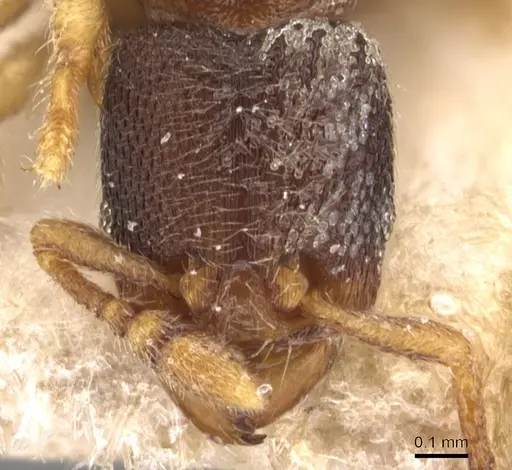
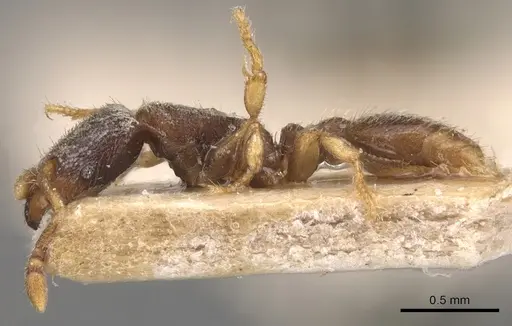
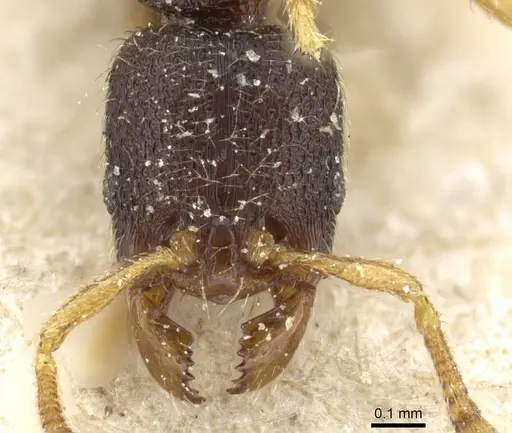
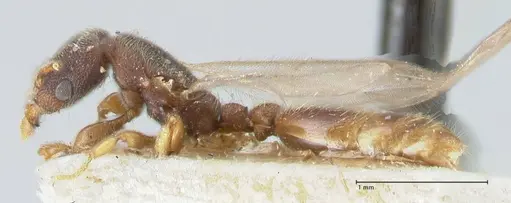
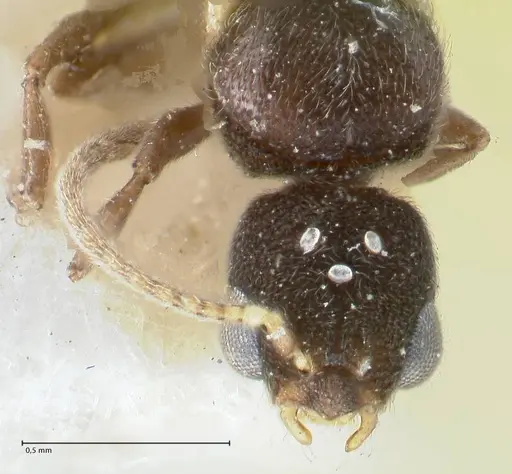
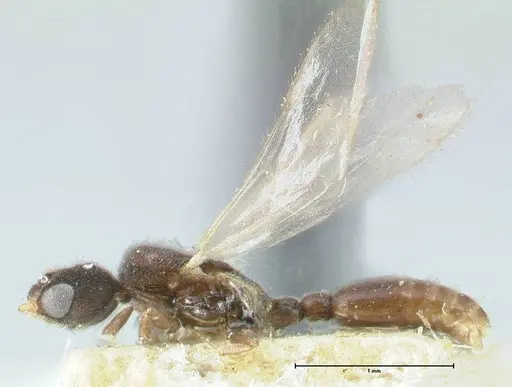
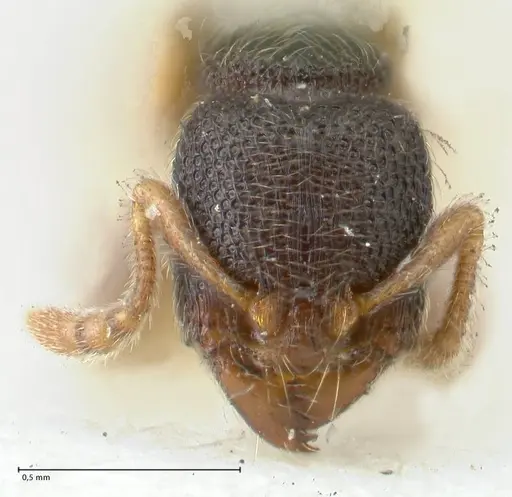
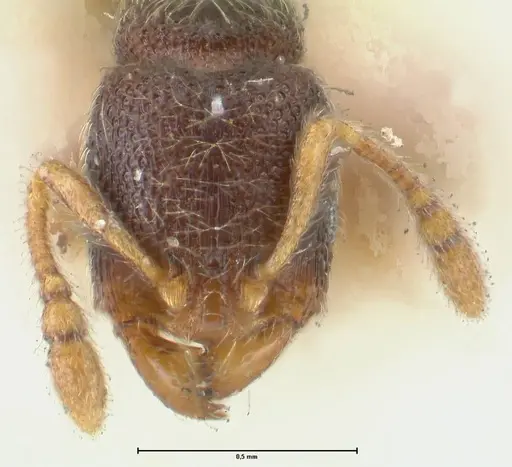
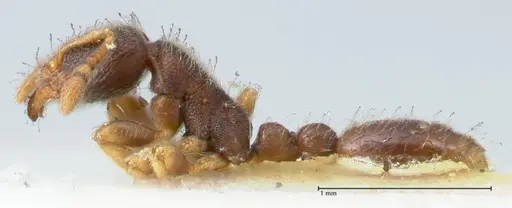
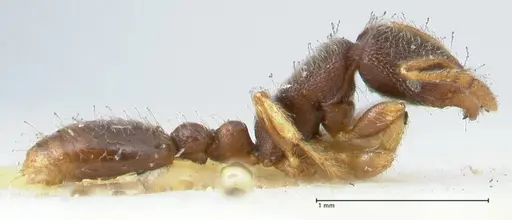
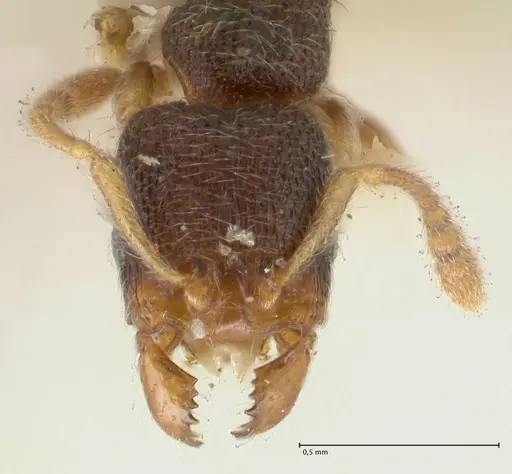
Vollenhovia subtilis workers are among the smaller ants in the antkeeping hobby, measuring just 2.33-2.66mm in length [1]. Their body coloration is brownish-red (fusco-ferrugineous) with notably lighter yellowish-testaceous mandibles, antennae, and feet. The body is covered with fine griseous (grayish) hairs standing upright and shorter pubescent hairs lying flat. The head and thorax have distinctive longitudinal striate-punctate sculpture, essentially small points that run together forming tiny grooves. The metanotum, petiolar nodes, and abdomen are shinier with more subtle punctures. The two petiolar nodes are nearly equal in size, with the second node barely wider than the first [1]. The subspecies V. s. affinis differs in having a smoother metanotum and more distinctly punctured nodes and abdominal base [1].
Distribution and Range
This species has a broad but scattered distribution across the Indo-Malayan and Oceanian regions. It was originally described from the Key Islands (Indonesia) by Emery in 1887 [1]. The species was first recorded from the Solomon Islands in 1919 and has since been documented on Makira, Guadalcanal, San Cristoval, and Malaita islands [3][2]. Three subspecies are recognized: V. s. affinis (New Guinea), V. s. magna, and V. s. nigrescens, though these may represent geographic variations of a more widespread species [1]. The scattered island distribution suggests this species is capable of dispersal across ocean gaps, likely through natural rafting or human-assisted transport.
Housing and Nesting
No specific captive nesting data exists for this species. Based on its small size and tropical distribution, provide a test tube setup for founding colonies, the small chambers help the queen feel secure and make humidity control easier. For established colonies, a Y-tong (AAC) nest or plaster formicarium with tight chambers scaled to their tiny size works well. Ensure the nest material stays consistently moist but never waterlogged. Because workers are only 2.33-2.66mm, escape prevention is critical, use fine mesh (at least 0.5mm) on all openings. Avoid tall, open spaces in the outworld as these small ants can easily fall or wander. A shallow foraging area with minimal height reduces escape attempts.
Temperature and Humidity
No thermal tolerance studies exist for this species. Being native to tropical Indonesia and the Solomon Islands, they likely prefer warm, humid conditions. Start with temperatures in the 24-28°C range and monitor colony behavior, if workers become sluggish, raise slightly, if they avoid the heated area, reduce temperature. Maintain humidity by keeping the nest substrate consistently moist. A water reservoir connected to the nest helps maintain stable humidity. Avoid temperature fluctuations and dry conditions, which can stress these tropical ants. No hibernation or diapause is required, keep them warm year-round.
Feeding and Diet
No specific dietary studies exist for Vollenhovia subtilis. As a small Myrmicinae ant, they likely forage for small insects, honeydew, and nectar in nature. In captivity, offer small protein sources like fruit flies, pinhead crickets, and small mealworms. Sugar water or honey can be offered, though acceptance varies. Feed small amounts 2-3 times per week, removing uneaten prey after 24 hours. Because of their tiny size, prey items should be appropriately scaled, springtails or fruit fly pupae work well. Monitor feeding response to determine preferred foods.
Colony Development
No research exists on colony development for this species. The queen measures approximately 3.75mm based on subspecies affinis measurements [1]. Workers are very small at 2.33-2.66mm, which suggests relatively small colony sizes overall. Based on related tropical Myrmicinae, expect development from egg to first worker to take 4-8 weeks at optimal warm temperatures. First workers (nanitics) will likely be even smaller than normal workers. Colonies probably grow slowly given their tiny worker size. Be patient with founding colonies, small ant species often take months to establish stable worker populations.
Frequently Asked Questions
How long does it take for Vollenhovia subtilis to produce first workers?
The egg-to-worker timeline is unconfirmed for this species as no research exists. Based on related tropical Myrmicinae, expect approximately 4-8 weeks at optimal temperatures (24-28°C). First workers will likely be nanitics, even smaller than the already tiny 2.33-2.66mm workers.
What do Vollenhovia subtilis ants eat?
No specific dietary studies exist for this species. Based on genus and small size, they likely accept small insects, honeydew, and nectar. Offer small protein sources like fruit flies, pinhead crickets, or small mealworms, along with sugar water or honey. Start with tiny prey items scaled to their 2.33-2.66mm worker size.
Do Vollenhovia subtilis ants need hibernation?
No, being a tropical species from Indonesia and the Solomon Islands, they do not require hibernation. Keep them warm year-round at 24-28°C. Unlike temperate species, they do not enter diapause and may become stressed by cool temperatures.
How big do Vollenhovia subtilis colonies get?
Colony size is unknown, no research documents maximum colony sizes for this species. Given their tiny worker size (2.33-2.66mm), colonies likely remain relatively small compared to larger Myrmicinae. Expect dozens to perhaps low hundreds of workers at maturity.
Are Vollenhovia subtilis good for beginners?
Difficulty level cannot be assessed due to lack of captive care information. This species is not recommended for beginners due to the complete lack of established care protocols. Experimental keepers willing to document their observations may have success, but no standard husbandry guidelines exist.
Can I keep multiple Vollenhovia subtilis queens together?
Colony structure is unknown, no research exists on whether this species is monogyne (single queen) or polygyne (multiple queens). Combining unrelated queens has not been documented and is not recommended without further information.
What size escape prevention do I need for Vollenhovia subtilis?
Excellent escape prevention is essential due to their very small worker size of 2.33-2.66mm. Use fine mesh (0.5mm or smaller) on all ventilation and access points. Standard ant keeping mesh may allow escapes. Check all seams and connections carefully.
What temperature should I keep Vollenhovia subtilis at?
No specific thermal data exists. Based on their tropical range (Indonesia, Solomon Islands), start with temperatures of 24-28°C. Monitor colony activity, if workers become sluggish, raise temperature slightly, if they avoid heated areas, reduce it. Avoid temperature fluctuations.
Do Vollenhovia subtilis ants sting?
Vollenhovia belongs to the Myrmicinae subfamily, which includes many species with functional stingers. However, given their tiny size (2.33-2.66mm), any sting would be negligible to humans. No documented sting reports exist for this species.
Report an Issue
The current care sheet is based fully on literature. See inconsistencies, or something that's incorrect? Please , it will be resolved after review from an admin. Contributing to the blogs tab also helps providing information, to make us be able to further improve the caresheets. Thank you for your support!
References

This caresheet is licensed under CC BY-SA 4.0 .
CASENT0904548
View on AntWeb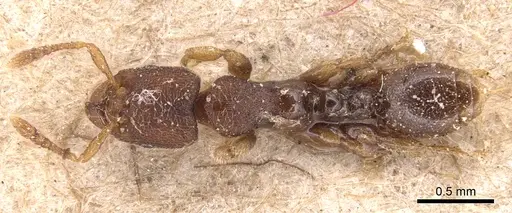
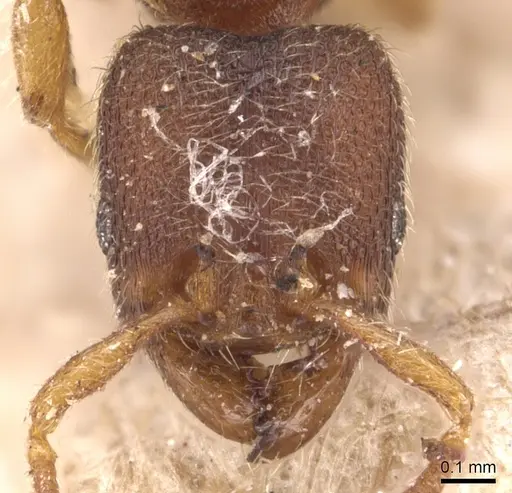
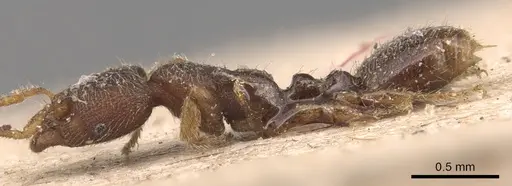
CASENT0904549
View on AntWeb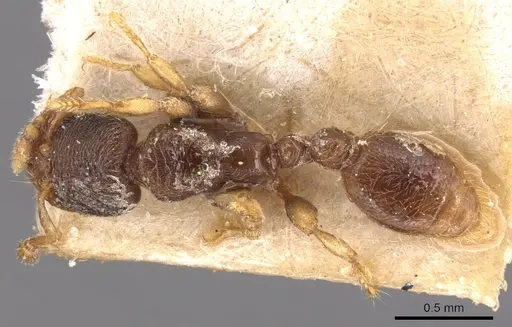
CASENT0905753
View on AntWeb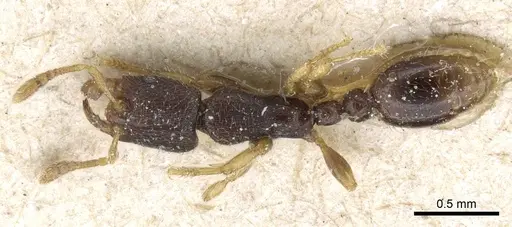
CASENT0908667
View on AntWeb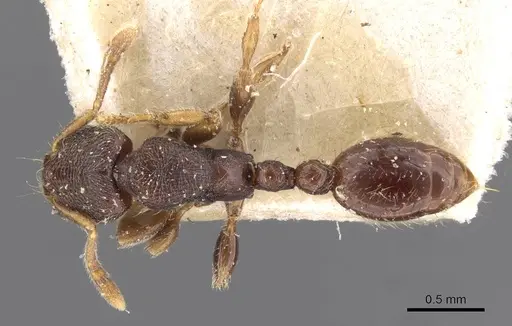
FOCOL1652
View on AntWeb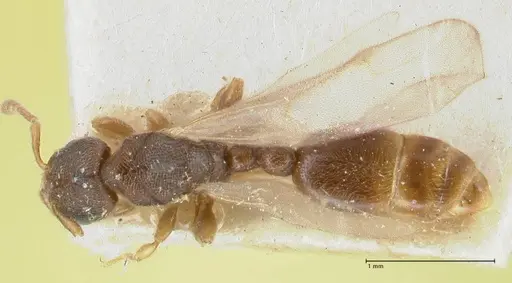
FOCOL1653
View on AntWeb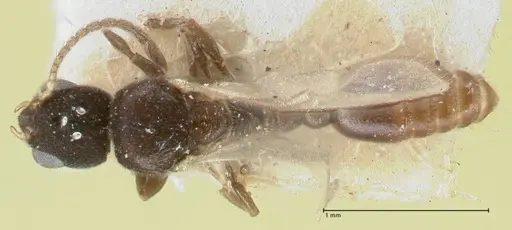
FOCOL1654
View on AntWeb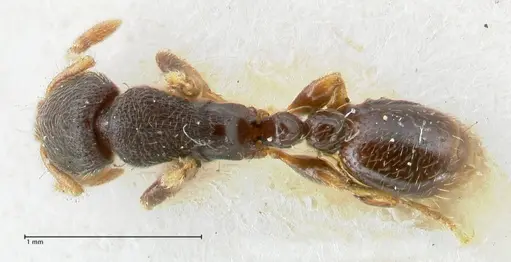
FOCOL1655
View on AntWeb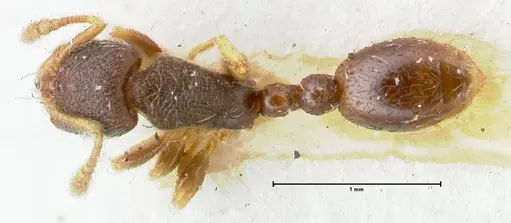
FOCOL1656
View on AntWeb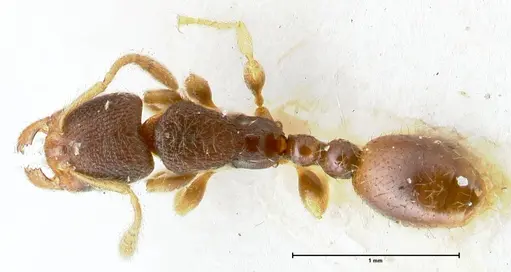
Literature
Loading...Loading products...