

Vollenhovia samoensis
- Scientific Name
- Vollenhovia samoensis
- Tribe
- Crematogastrini
- Subfamily
- Myrmicinae
- Author
- Mayr, 1876
- Distribution
- Found in 2 countries
Vollenhovia samoensis Overview
Vollenhovia samoensis is an ant species of the genus Vollenhovia. It is primarily documented in 2 countries , including American Samoa, Samoa. Detailed taxonomic data and occurrence records can be further explored via authoritative databases such as AntWeb or the Global Biodiversity Information Facility (GBIF).
Vollenhovia samoensis
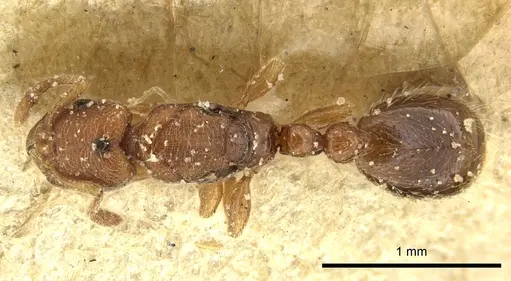
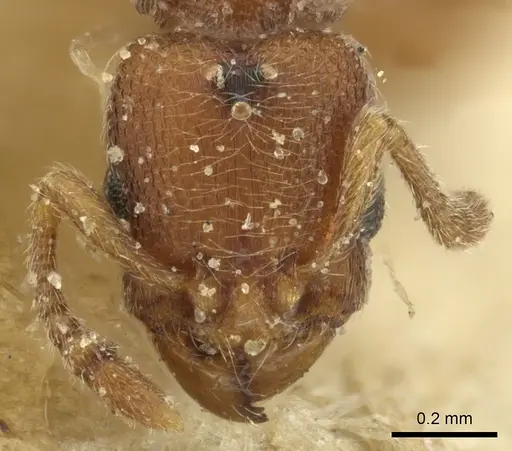
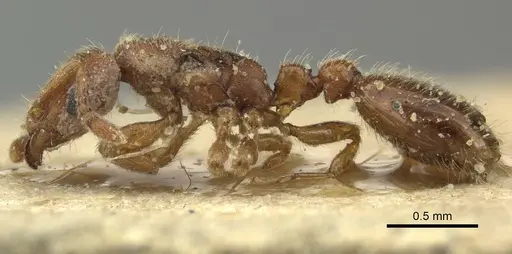
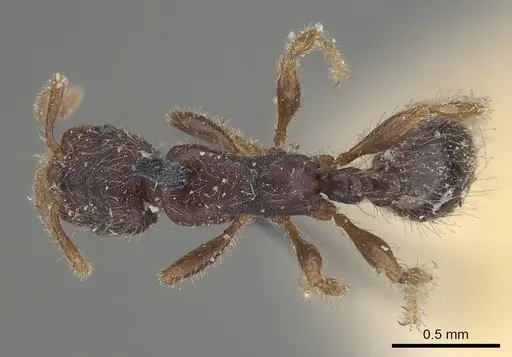
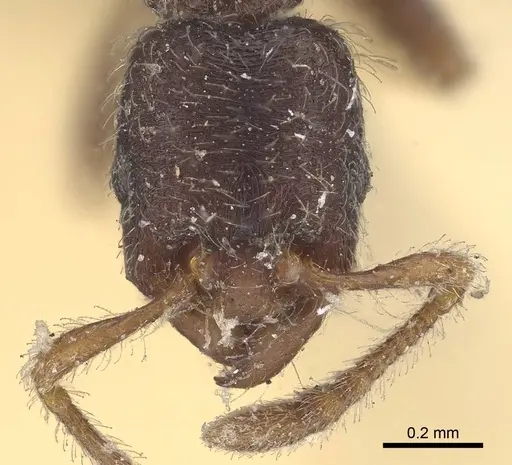
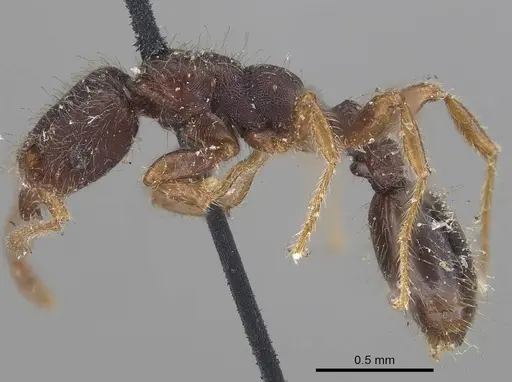
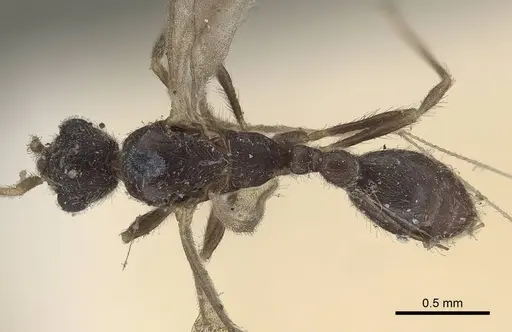
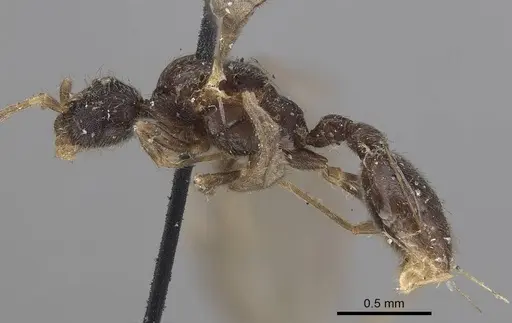
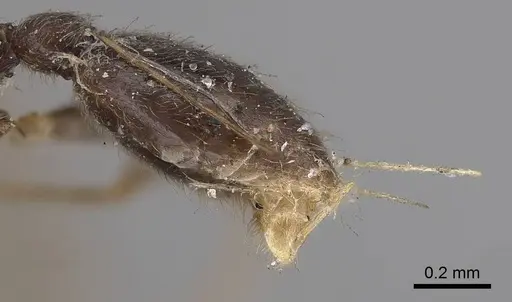
Vollenhovia samoensis is a tiny Myrmicinae ant native to the islands of the South Pacific. Workers are small and reddish-brown, typically measuring around 2-3mm. This species belongs to the tribe Crematogastrini and is closely related to the genus Crematogaster. The ant is endemic to the Samoan Archipelago and neighboring Tonga, making it a truly Pacific island species [1][2]. The species was originally described by Mayr in 1876,with Vollenhovia samoensis later recognized as the same species [3].
This ant represents one of the more obscure species in the ant-keeping hobby, as it has rarely been kept in captivity. Being native to tropical Pacific islands, it likely prefers warm and humid conditions year-round. The species shows interesting distribution patterns, being found across American Samoa, Samoa, Tonga, and Niue, though it remains uncommon in ant collections worldwide [4][5].
Quick Summary
- Difficulty: Unknown, Insufficient hobby data
- Origin & Habitat: Native to the tropical Pacific islands of American Samoa, Samoa, Tonga, and Niue. Found in forest habitats on islands like Tutuila, Upolu, and Savaii [1][6].
- Colony Type: Colony structure is unconfirmed. Most Vollenhovia species are monogyne (single queen), but this has not been documented for V. samoensis specifically.
- Colony: Monogyne
- Founding: Claustral
- Size & Growth:
- Queen: Approximately 4-5mm (estimated based on genus)
- Worker: Approximately 2-3mm (estimated based on genus)
- Colony: Likely small colonies of 100-500 workers (estimated based on typical Vollenhovia colony sizes)
- Growth: Unknown
- Development: Estimated 4-8 weeks at tropical temperatures (inferred from related Myrmicinae) (Development time is unconfirmed for this specific species. Estimates based on typical Myrmicinae patterns in tropical environments.)
- Antkeeping:
- Temperature: Keep at 24-28°C. Being from tropical Pacific islands, this species requires warm conditions year-round. A heating cable on one side of the nest can help maintain warmth.
- Humidity: High humidity preferred, aim for 70-80%. These ants come from humid island environments, so keep the nest substrate consistently moist but not waterlogged.
- Diapause: No, being a tropical species, they do not require hibernation. Maintain warm temperatures year-round.
- Nesting: In the wild, they likely nest in rotting wood, under bark, or in soil. For captivity, a small test tube setup or Y-tong nest with moist substrate works well. Given their tiny size, narrow chambers are appropriate.
- Behavior: Behavior is poorly documented. Most Vollenhovia species are relatively docile and not aggressive. Workers are small and likely forage individually or in small groups. Escape prevention is critical due to their tiny size, they can squeeze through very small gaps. Use fine mesh and tight-fitting barriers.
- Common Issues: tiny size makes escape likely without proper barriers, lack of species-specific care information means keepers must adapt from related species, tropical humidity requirements can lead to mold issues if ventilation is poor, wild-caught colonies may carry parasites or not adapt to captivity
Origin and Natural Range
Vollenhovia samoensis is endemic to the islands of the South Pacific, specifically the Samoan Archipelago and Tonga. The species has been recorded from American Samoa (Tutuila island), Samoa (Upolu and Savaii), Tonga ('Eua, Tongatapu, Vava'u), and Niue [1][5][4]. This distribution pattern makes it a true Pacific island endemic, found nowhere else in the world. The ant was originally described by Mayr in 1876 from Samoa, with the synonym Vollenhovia samoensis (described by Santschi in 1928) later recognized as the same species [3]. In American Samoa, it has been detected at multiple sites on Tutuila and is considered native to the region [1].
Temperature and Heating
As a tropical island species from the Pacific, Vollenhovia samoensis requires warm temperatures throughout the year. Maintain nest temperatures between 24-28°C for optimal colony health and brood development. Unlike temperate species, these ants do not experience cold winters in their native habitat and should not be subjected to cooling periods. If your room temperature falls below 24°C, use a heating cable placed on one side of the nest to create a warm gradient. Always ensure the heating element is on top of the nest, not underneath, to prevent excessive drying of the substrate. Monitor the nest with a thermometer to confirm temperatures stay within the target range [7].
Humidity and Water
This species requires high humidity to thrive, reflecting its origins in the humid tropical environment of Pacific islands. Keep the nest substrate consistently moist but avoid creating standing water. The substrate should feel damp to the touch. A test tube water reservoir works well for maintaining humidity, the cotton plug allows moisture to slowly evaporate into the nest chamber. Given their tiny size, even small changes in humidity can affect them significantly. Watch for condensation on the nest walls, which indicates good humidity levels. However, balance humidity with adequate ventilation to prevent mold growth [7].
Feeding and Diet
The specific diet of Vollenhovia samoensis is not documented in scientific literature. Based on typical Myrmicinae behavior and related Vollenhovia species, they likely are omnivorous, feeding on small insects, honeydew, and nectar. For captivity, offer small protein sources such as fruit flies, small mealworms, or other tiny arthropods. Sugar water or honey water can be offered occasionally, though acceptance may vary. Feed small amounts every few days and remove uneaten food to prevent mold. Given their tiny worker size, prey items should be appropriately small, essentially micro-prey that they can handle [7].
Nest Setup and Housing
Due to their very small worker size (around 2-3mm), Vollenhovia samoensis requires appropriately scaled housing. A small test tube setup works well for founding colonies, use a narrow tube with a water reservoir and cotton plug. For established colonies, a Y-tong (AAC) nest with small chambers or a small acrylic formicarium with tight-fitting barriers is appropriate. Escape prevention is critical, these tiny ants can squeeze through gaps that would hold larger species. Use fine mesh on any ventilation holes and ensure all connections are sealed. The nest should have moist substrate available at all times [7].
Colony Establishment
The founding behavior of Vollenhovia samoensis has not been directly documented. Based on typical Myrmicinae patterns, the queen likely seals herself in a small chamber and raises the first brood claustrally, living off her stored fat reserves until nanitic (first) workers emerge. This means you can start with a single queen in a test tube setup. Colony growth rate is unknown but is likely moderate for a tropical species. Be patient during the founding phase, queens can take several weeks to months to produce their first workers. Avoid disturbing the queen during this critical period [7].
Frequently Asked Questions
How long does it take for Vollenhovia samoensis to produce first workers?
The exact development time is unconfirmed for this species. Based on typical tropical Myrmicinae patterns, expect 4-8 weeks from egg to first worker at optimal temperatures (24-28°C). The queen will remain in the founding chamber until her first nanitic workers emerge, then she will begin laying more eggs to grow the colony.
What do Vollenhovia samoensis ants eat?
Their specific diet is not documented, but they likely accept small protein sources like fruit flies, tiny beetles, and other micro-arthropods. They probably also consume honeydew and nectar. Offer small prey items appropriate to their tiny size, along with occasional sugar water. Remove uneaten food promptly to prevent mold.
Do Vollenhovia samoensis ants sting?
As a Myrmicinae ant, they have a functional stinger. However, given their tiny size (2-3mm workers), any sting would be negligible to humans. They are not considered dangerous or aggressive toward keepers.
What temperature do Vollenhovia samoensis need?
Keep them warm at 24-28°C year-round. Being native to tropical Pacific islands, they do not tolerate cool temperatures and do not require hibernation. Use a heating cable on one side of the nest if your room temperature is below this range.
How big do Vollenhovia samoensis colonies get?
Colony size is not documented for this species. Based on typical Vollenhovia species, colonies likely reach 100-500 workers. They are not among the largest Myrmicinae ants.
Are Vollenhovia samoensis good for beginners?
This species is not recommended for beginners due to the lack of species-specific care information in the ant-keeping hobby. Their tiny size also requires careful attention to escape prevention. If you're experienced with small Myrmicinae species and comfortable adapting care from related species, this could be an interesting challenge.
Can I keep multiple Vollenhovia samoensis queens together?
The colony structure is unconfirmed for this species. Most Vollenhovia are monogyne (single queen), but polygyny has not been studied. It is not recommended to combine unrelated queens, start with a single queen colony.
Do Vollenhovia samoensis need hibernation?
No, as a tropical species from Pacific islands, they do not require hibernation or cooling periods. Maintain warm temperatures (24-28°C) year-round for optimal colony health.
What humidity level do Vollenhovia samoensis need?
High humidity is required, aim for 70-80%. Keep the nest substrate consistently moist but not waterlogged. Their native habitat in American Samoa and Tonga is humid tropical environment.
Why are my Vollenhovia samoensis escaping?
Their tiny worker size (2-3mm) means they can escape through very small gaps. Use excellent escape prevention: fine mesh on all ventilation, tight-fitting lids, and sealed connections. Check for any gaps larger than 1mm.
References

This caresheet is licensed under CC BY-SA 4.0 .
Literature
Loading...Loading products...