

Vollenhovia overbecki
- Scientific Name
- Vollenhovia overbecki
- Tribe
- Crematogastrini
- Subfamily
- Myrmicinae
- Author
- Viehmeyer, 1916
- Distribution
- Found in 1 countries
Vollenhovia overbecki Overview
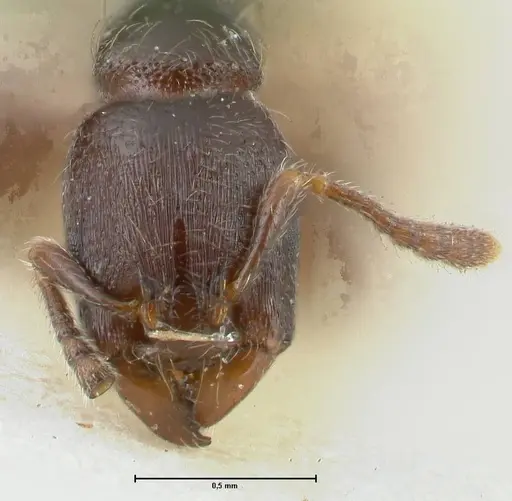
Vollenhovia overbecki is an ant species of the genus Vollenhovia. It is primarily documented in 1 countries , including Singapore. Detailed taxonomic data and occurrence records can be further explored via authoritative databases such as AntWeb or the Global Biodiversity Information Facility (GBIF).
Vollenhovia overbecki
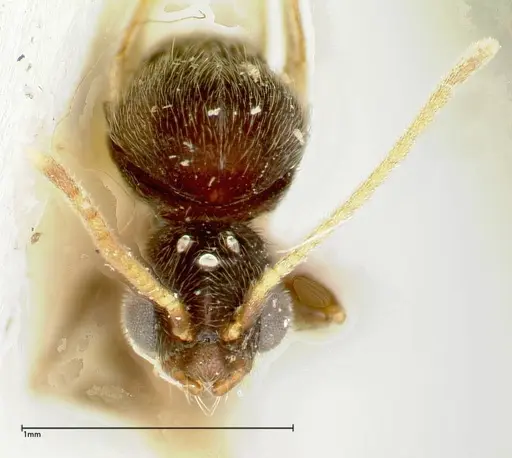
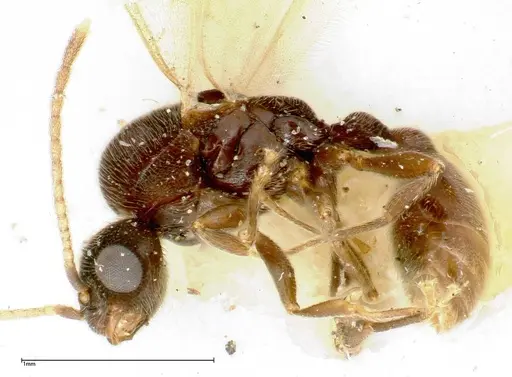
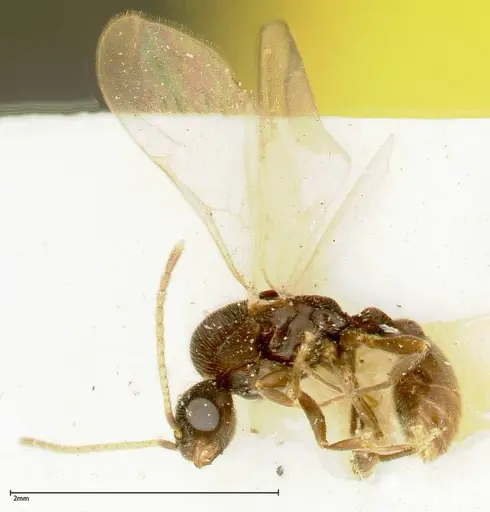
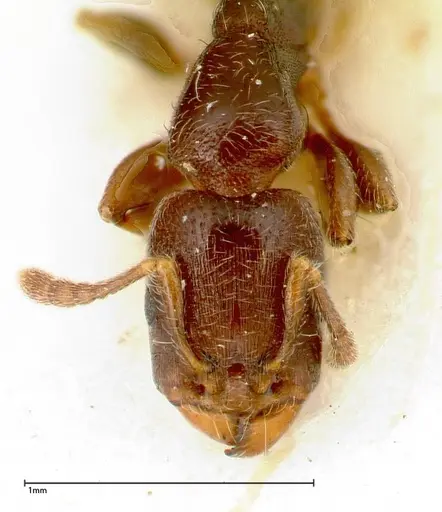
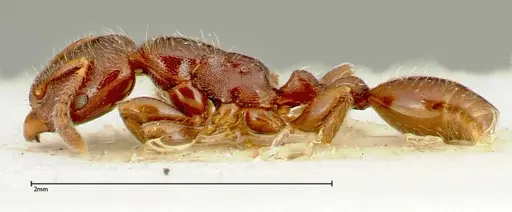
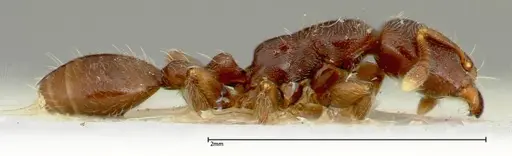
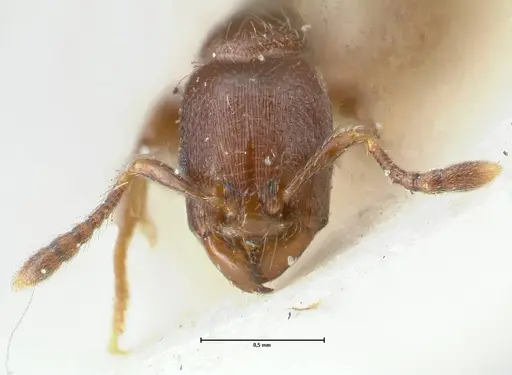
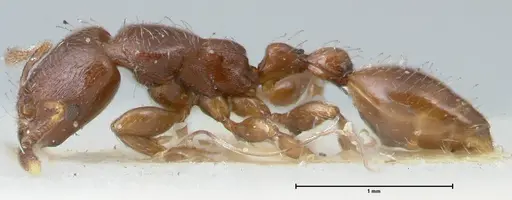
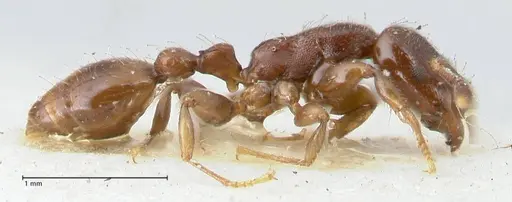
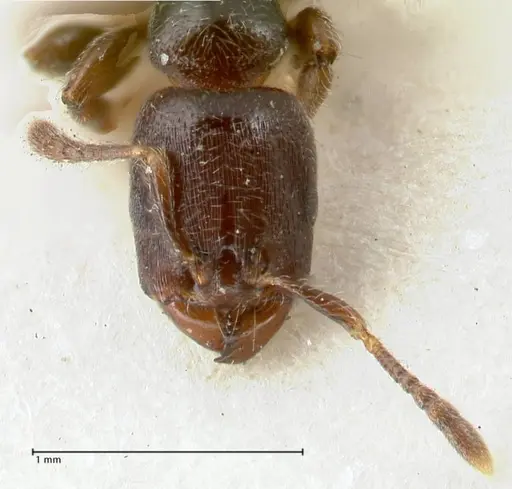
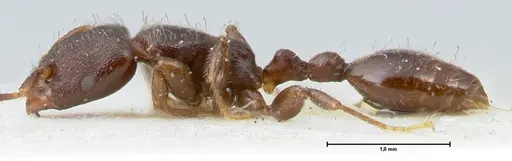
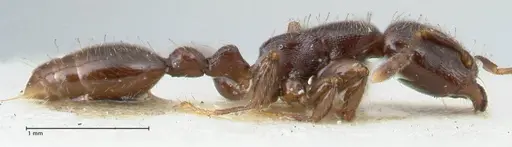
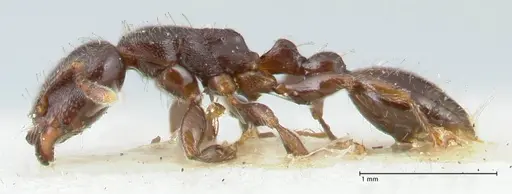
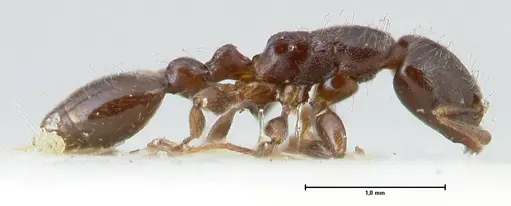
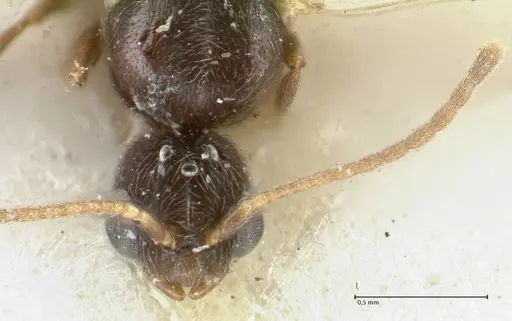
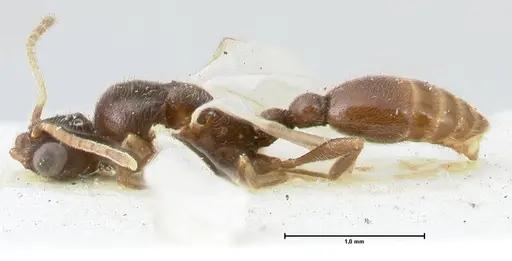
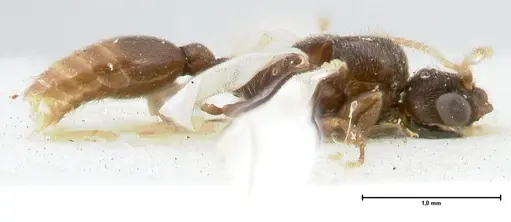
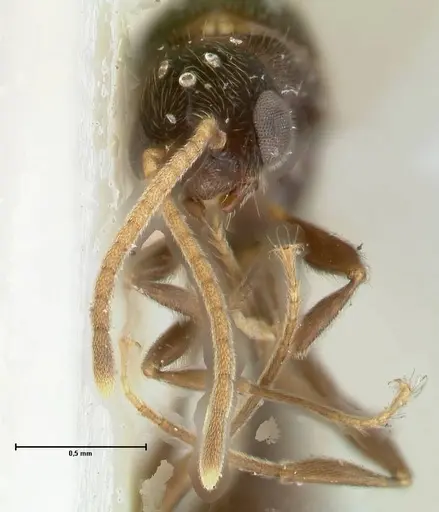
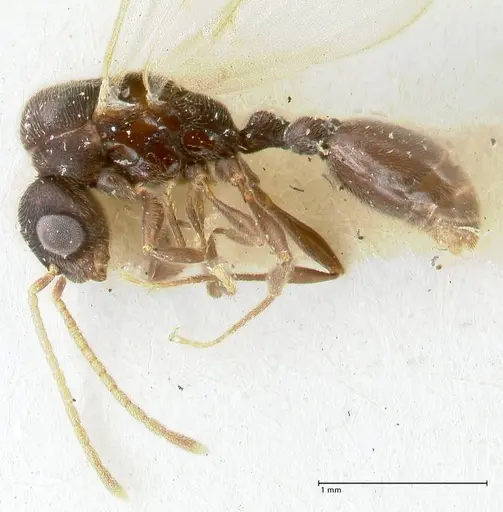
Vollenhovia overbecki is a small Myrmicinae ant species described from Singapore by Viehmeyer in 1916 [1]. Workers are typical of the genus, small, with the characteristic Myrmicinae body structure including a two-segmented petiole (the narrow waist between thorax and abdomen). The species is known only from Singapore, where it nests in rotting wood in tropical garden and forest settings [2][3]. This is one of the rarer Vollenhovia species in cultivation, with very limited availability in the antkeeping hobby.
Quick Summary
- Difficulty: Unknown
- Origin & Habitat: Singapore (Indomalaya Region), tropical rainforest environment. Colonies have been found in rotten tree trunks at Jurong Road and in garden settings [2][3].
- Colony Type: Unconfirmed, colony structure has not been documented in scientific literature. Based on typical Vollenhovia genus patterns, they likely form single-queen colonies, but this is unconfirmed.
- Size & Growth:
- Queen: Unknown, no specific measurements available. Estimated 5-7mm based on genus Vollenhovia patterns [1].
- Worker: Unknown, no specific measurements documented [1].
- Colony: Unknown, colony size has not been studied [1].
- Growth: Unknown, no development data available
- Development: Unknown, no direct measurements exist. Based on similar tropical Myrmicinae, estimate 4-8 weeks at optimal temperature, but this is a rough guess. (Development timeline is unconfirmed. Tropical Myrmicinae typically develop faster than temperate species due to year-round warm conditions.)
- Antkeeping:
- Temperature: Keep at 24-28°C, this matches their tropical Singapore origin. A slight gradient allows workers to regulate their temperature [1].
- Humidity: High humidity (70-85%) suits their rotting wood nesting habitat. Keep the nest substrate consistently moist but not waterlogged.
- Diapause: No, being from tropical Singapore, they do not require hibernation. Maintain warm conditions year-round [1].
- Nesting: In nature they nest in rotting wood and tree trunks [2][3]. In captivity, a Y-tong (AAC) nest or plaster nest with wood inclusions works well. They prefer dark, humid nest chambers.
- Behavior: Not well documented. Based on genus behavior, they are likely relatively docile with moderate foraging activity. Escape prevention is important given their small size, use fine mesh barriers. They probably forage for small insects and honeydew like other Myrmicinae.
- Common Issues: very limited availability makes this species difficult to acquire, no established captive breeding protocols exist, all specimens likely wild-caught, small size requires excellent escape prevention, humidity requirements may be challenging to maintain consistently, lack of species-specific care information means keepers must experiment
Origin and Natural Habitat
Vollenhovia overbecki is endemic to Singapore, making it one of the more geographically restricted Vollenhovia species. The original description was published by Viehmeyer in 1916 based on specimens collected by H. Overbeck, who also documented colonies in rotting tree trunks along Jurong Road and in garden settings [2][3]. This indicates the species prefers damp, shaded microhabitats within the tropical environment, typical of ants that nest in decaying wood. Singapore's climate is consistently warm year-round with high humidity, so this species has no adaptation to temperature fluctuations or dry conditions.
Nest Preferences
In the wild, V. overbecki nests exclusively in rotting wood, specifically in the hollows and decayed portions of tree trunks [2][3]. This is a common nesting preference among Vollenhovia species, who prefer the humid, protected environment that rotting wood provides. For captive care, provide a nest that mimics these conditions. Y-tong (AAC) nests work well because they maintain humidity well and provide dark chambers. Alternatively, a plaster nest with wood shavings or a naturalistic setup with cork bark pieces allows for the damp, enclosed spaces this species prefers. Avoid dry, exposed nest designs.
Temperature and Humidity Requirements
Being from tropical Singapore, this species requires warm and humid conditions. Maintain temperatures between 24-28°C year-round, they do not tolerate cool conditions. Humidity should stay high at 70-85%, matching the damp environment of their rotting wood nests. Use a water reservoir or misting system to maintain substrate moisture. A heating cable on one side of the nest can create a temperature gradient, but ensure the nest itself doesn't dry out. Since they come from a tropical environment with no seasonal temperature changes, no hibernation or cooling period is needed. [1]
Feeding and Diet
The specific diet of V. overbecki has not been documented, but based on typical Vollenhovia and general Myrmicinae behavior, they likely are omnivorous. Offer sugar water or honey as a carbohydrate source, and protein in the form of small insects (fruit flies, small mealworms, pinhead crickets). They probably also collect honeydew from aphids in the wild. Feed small amounts every 2-3 days and remove uneaten food to prevent mold. Given their small size, prey items should be appropriately sized, very small insects or crushed insects work best. [1]
Colony Structure and Development
Scientific literature provides no information on the colony structure or queen behavior of V. overbecki. The founding process remains unconfirmed, we don't know whether queens seal themselves in (claustral founding) or must forage during founding. Colony size data is also unavailable. Based on related Vollenhovia species, colonies likely start with a single queen and grow gradually. The lack of documented development data means keepers will need to observe and record their colony's progress to build husbandry knowledge for this rare species. [1]
Frequently Asked Questions
How do I keep Vollenhovia overbecki ants?
This is a rare species with limited documented care information. Based on their Singapore origin, provide a warm (24-28°C), humid (70-85%) nest in rotting wood or a Y-tong/plaster setup. Feed sugar water and small insects. They are not suitable for beginners due to the lack of established care protocols.
What do Vollenhovia overbecki ants eat?
While not specifically documented, they likely accept sugar sources (honey, sugar water) and small protein prey like fruit flies or small mealworms. Remove uneaten food to prevent mold in their humid habitat.
Do Vollenhovia overbecki ants need hibernation?
No, being from tropical Singapore, they do not require hibernation. Maintain warm temperatures (24-28°C) year-round without cooling periods.
How big do Vollenhovia overbecki colonies get?
Colony size is unconfirmed, no scientific data exists on maximum colony size for this species. Related Vollenhovia species typically reach several hundred workers.
Are Vollenhovia overbecki good for beginners?
No, this species is not recommended for beginners. There is virtually no documented captive care information, making it experimental to keep. Additionally, the species is extremely rare in the antkeeping hobby.
What temperature is best for Vollenhovia overbecki?
Keep them at 24-28°C. This matches their tropical Singapore origin. Avoid temperatures below 22°C as they are adapted to consistently warm conditions.
Can I keep multiple Vollenhovia overbecki queens together?
Unknown, colony structure has not been documented for this species. Do not attempt combining unrelated queens as this has not been studied and could result in aggression.
How long does it take for Vollenhovia overbecki to develop from egg to worker?
Unknown, no development timeline has been documented. Based on similar tropical Myrmicinae, estimate 4-8 weeks at optimal temperature, but this is a rough guess.
What size are Vollenhovia overbecki workers?
Worker size is not documented in scientific literature. Based on genus Vollennovia patterns, they are likely small ants (2-4mm), but this is an estimate.
Where is Vollenhovia overbecki found?
This species is endemic to Singapore. It was originally described from specimens collected in Jurong Road and garden settings, where they nested in rotting tree trunks.
References

This caresheet is licensed under CC BY-SA 4.0 .
CASENT0908662
View on AntWeb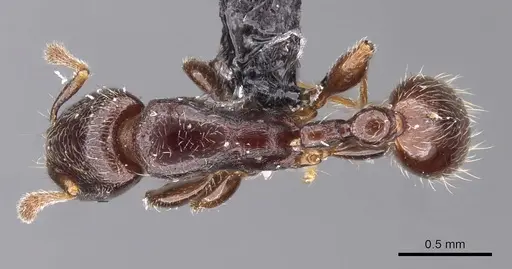
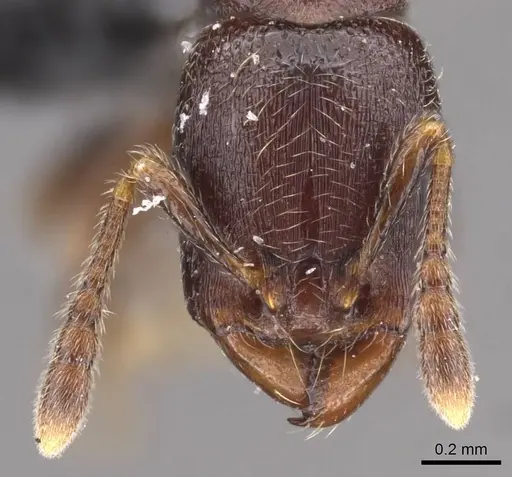
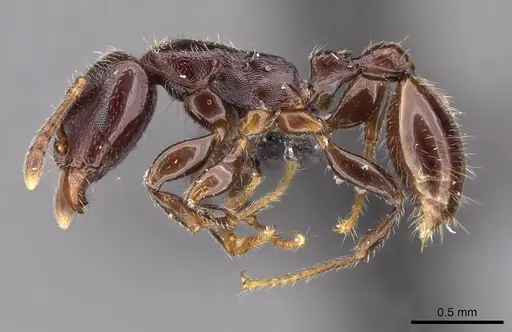
FOCOL0313
View on AntWeb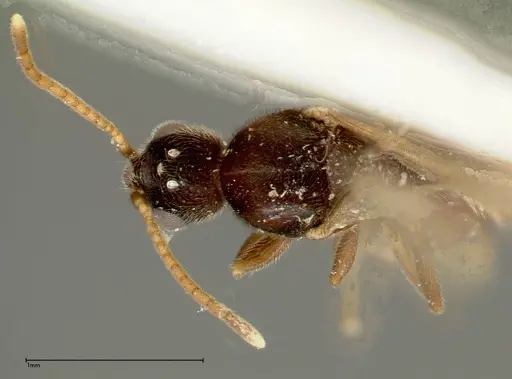
FOCOL0314
View on AntWeb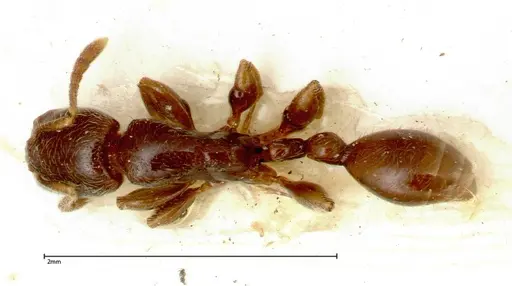
FOCOL1664
View on AntWeb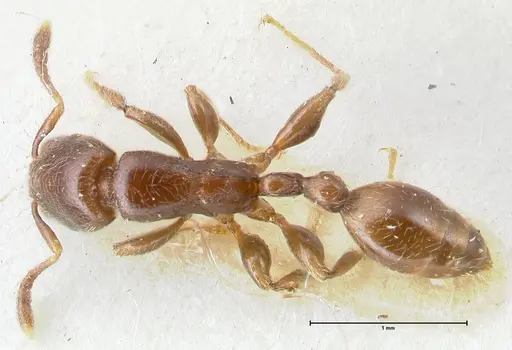
FOCOL1665
View on AntWeb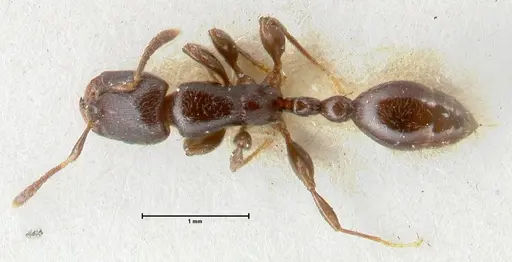
FOCOL1666
View on AntWeb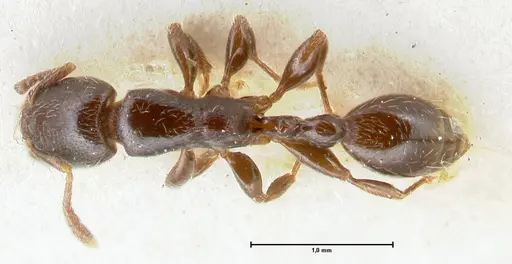
FOCOL1667
View on AntWeb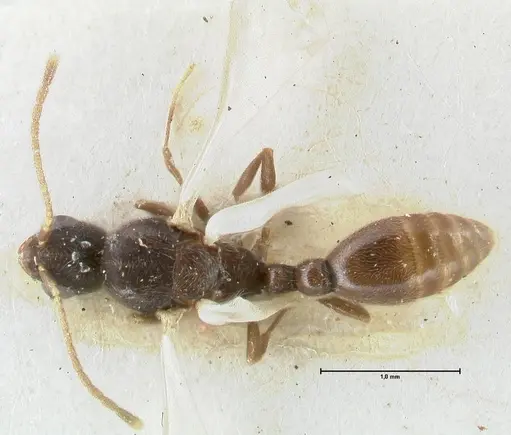
FOCOL1668
View on AntWeb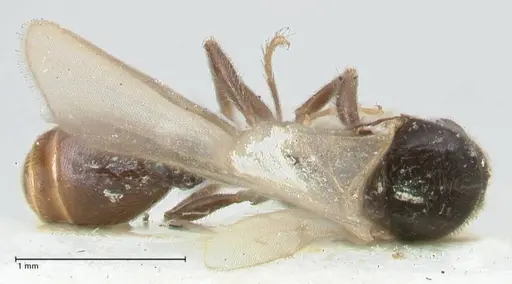
Literature
Loading...Loading products...