

Vollenhovia brevicornis
- Scientific Name
- Vollenhovia brevicornis
- Tribe
- Crematogastrini
- Subfamily
- Myrmicinae
- Author
- Emery, 1893
- Distribution
- Found in 2 countries
Vollenhovia brevicornis Overview
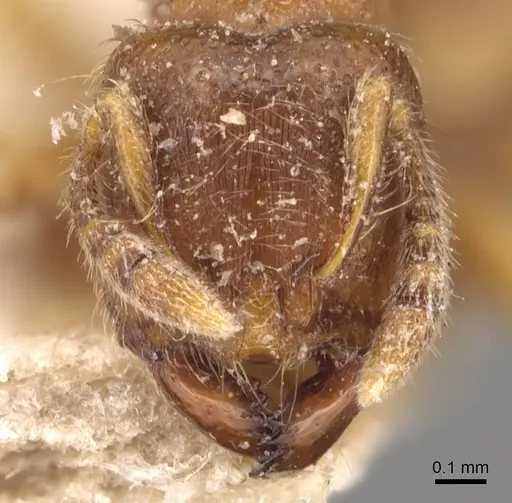
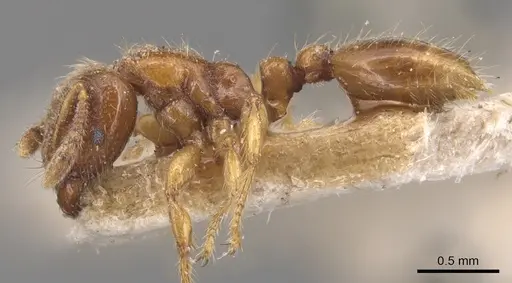
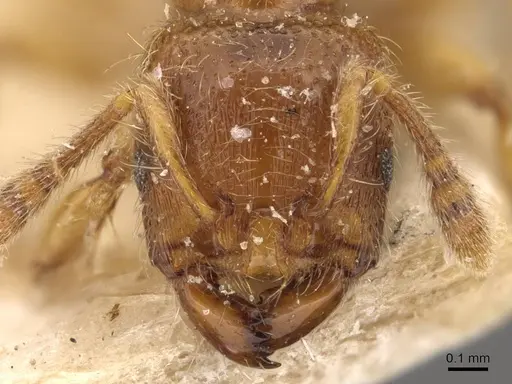
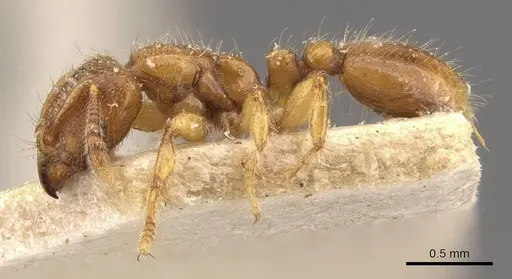
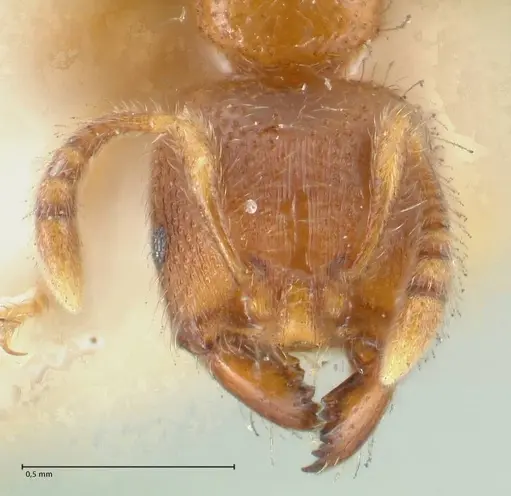
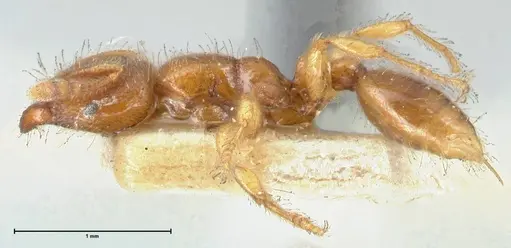
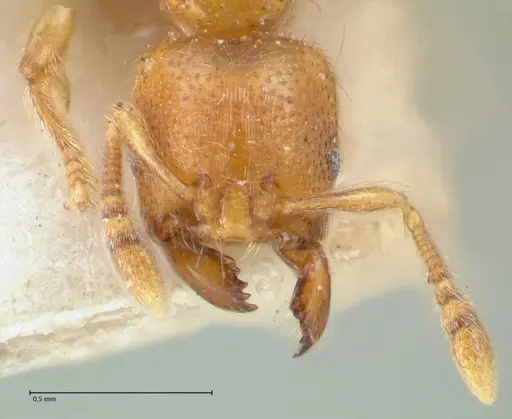
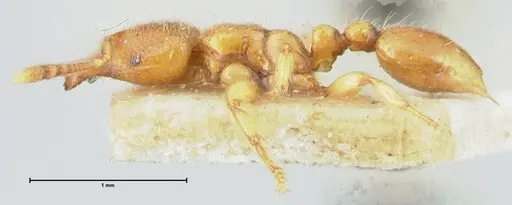
Vollenhovia brevicornis is an ant species of the genus Vollenhovia. It is primarily documented in 2 countries , including Malaysia, Thailand. Detailed taxonomic data and occurrence records can be further explored via authoritative databases such as AntWeb or the Global Biodiversity Information Facility (GBIF).
Vollenhovia brevicornis
Vollenhovia brevicornis is a tiny Myrmicinae ant found across the Indomalaya region, including Borneo, Indonesia, Malaysia, and Singapore. Workers are remarkably small and variable in size, typically found in leaf litter and upper topsoil layers of primary and mature secondary forests [1]. This species was once classified as Vollenhovia brevicornis until taxonomic revision confirmed it as the same species [1]. These ants are rarely encountered by hobbyists due to their cryptic lifestyle and tiny size, making them one of the less studied ants in captivity.
Quick Summary
- Difficulty: Medium, limited captive data available
- Origin & Habitat: Tropical forests of Southeast Asia, found in Borneo, Indonesia, Malaysia, and Singapore. In Singapore, they inhabit primary and mature secondary forests, sometimes on tree trunks but mainly in leaf litter and upper topsoil substrate [1].
- Colony Type: Likely single-queen (monogyne) colonies based on typical Vollenhovia patterns. Colony size appears small, likely under 100 workers given their tiny size and litter-dwelling habits.
- Colony: Monogyne
- Founding: Claustral
- Size & Growth:
- Queen: Unknown, not directly measured, estimated 4-5mm based on genus patterns
- Worker: Highly variable,1.5-2.5mm estimated based on related Myrmicinae litter ants [1]
- Colony: Likely small colonies of under 100 workers based on typical litter ant patterns
- Growth: Unknown, likely moderate based on genus patterns
- Development: Estimated 6-8 weeks at tropical temperatures based on similar small Myrmicinae (Direct development data unavailable, estimates based on related species in the genus)
- Antkeeping:
- Temperature: Keep at 24-28°C (warm, tropical conditions). Use a heating cable on one side of the nest if room temperature falls below this range. This matches their native tropical habitat in Southeast Asia [1].
- Humidity: High humidity required, keep the nest substrate consistently moist but not waterlogged. These ants live in leaf litter and topsoil where conditions stay damp [1]. Provide a water reservoir and mist occasionally, but allow some areas to dry slightly to prevent mold.
- Diapause: Unlikely, being a tropical species, they probably do not require a hibernation period. Keep temperatures stable year-round.
- Nesting: Best kept in naturalistic setups with moist soil/leaf litter or in test tube setups with close-fitting barriers. Their tiny size means they can escape through standard mesh, use fine mesh or fluon barriers. Y-tong nests with very narrow chambers also work well for these small ants.
- Behavior: These are cryptic, docile ants that spend most of their time hidden in the substrate. They are not aggressive and pose no threat to keepers. Their tiny size makes them excellent escape artists, escape prevention must be excellent. Foraging is likely slow and deliberate, typical of litter-dwelling ants.
- Common Issues: escape prevention is critical, they are tiny and can squeeze through standard mesh, limited captive information makes care recommendations uncertain, wild-caught colonies may be stressed from collection and difficult to establish, overheating can quickly kill colonies, avoid temperatures above 30°C, colonies remain small which may disappoint keepers expecting rapid growth
Housing and Nest Setup
Because of their tiny size, Vollenhovia brevicornis requires careful housing. Test tubes work well for founding colonies, use a small water reservoir and keep the cotton firmly packed to prevent escapes. For established colonies, a naturalistic setup with moist soil and leaf litter mimics their natural habitat best [1]. If using formicariums, choose ones with very small chambers and passages scaled to their size. Escape prevention is critical, these ants can slip through standard mesh barriers. Apply fluon to the edges of test tube setups and use fine mesh (at least 0.5mm or smaller) on any outworld openings.
Feeding and Diet
Like most small Myrmicinae, they likely feed on small arthropods, honeydew, and nectar. Offer sugar water or honey diluted with water at roughly 1:4 ratio in a small container (like a bottle cap), they cannot handle large liquid food sources. For protein, provide tiny live prey such as springtails, fruit flies, or small mealworm pieces. Feed every 2-3 days and remove uneaten food promptly to prevent mold. Given their small size, they need very small food items, what would be a normal meal for larger ants is overwhelming for them.
Temperature and Seasonal Care
Maintain temperatures between 24-28°C year-round. These are tropical ants from Southeast Asia and do not tolerate cool conditions [1]. Room temperature in most homes should suffice, but monitor during winter if using heating. Avoid placing nests near windows with direct sunlight or heating vents that could cause temperature spikes. No hibernation or diapause is required, keep conditions stable throughout the year. Signs of overheating include workers clustering away from heat sources and brood being removed from chambers.
Colony Establishment
Establishing wild-caught colonies can be challenging. If you find a queen, she was likely claustral (sealed herself in to raise first workers), keep her in a quiet, dark location until workers emerge. Founding colonies should be left undisturbed for the first few weeks. Wild colonies collected from leaf litter may already be stressed [1]. Start with a founding queen rather than attempting to combine unrelated queens, this species' social structure is not well documented but combining queens carries risks. Be patient, growth is likely slow compared to larger ant species.
Behavior and Observation
Vollenhovia brevicornis is a cryptic species that prefers to stay hidden in the substrate. You may not see much activity in the outworld, this is normal for litter-dwelling ants. They are not aggressive and will not bite or sting. Observation is best done by gently disturbing the nest substrate or using a red light at night when they may be more active. Their small colony size and reclusive nature make them better suited for observation of founding behavior rather than impressive colony displays.
Frequently Asked Questions
How long does it take for Vollenhovia brevicornis to produce first workers?
Based on similar small Myrmicinae, expect 6-8 weeks from egg to first worker at optimal tropical temperatures (24-28°C). Direct data for this species is unavailable, so this is an estimate.
Can I keep Vollenhovia brevicornis in a test tube setup?
Yes, test tubes work well for founding colonies. Use a small water reservoir and ensure the cotton is packed firmly, these tiny ants can escape through gaps that larger ants cannot.
What do Vollenhovia brevicornis ants eat?
They likely accept small protein sources like springtails or fruit flies, plus sugar water or diluted honey. Feed tiny portions appropriate to their size, small prey items and small liquid food containers.
Do Vollenhovia brevicornis ants sting?
As Myrmicinae, they have a stinger but given their tiny size and docile nature, they pose no threat to keepers. They are not aggressive and will flee rather than fight.
Are Vollenhovia brevicornis good for beginners?
Probably not ideal for beginners due to limited captive information and their tiny size requiring excellent escape prevention. They are better suited for antkeepers with some experience who can provide the specific conditions they need.
How big do Vollenhovia brevicornis colonies get?
Based on typical litter ant patterns, colonies likely remain small, probably under 100 workers. They are not large colony builders like some Myrmicinae.
Do Vollenhovia brevicornis need hibernation?
No, being a tropical species from Southeast Asia, they do not require hibernation. Keep temperatures stable at 24-28°C year-round.
Why are my Vollenhovia brevicornis escaping?
Their tiny size allows them to squeeze through standard barriers. Apply fluon to all edges, use fine mesh (0.5mm or smaller), and check all connections for gaps. Escape prevention must be excellent with this species.
When should I move my colony to a formicarium?
Wait until the colony has at least 20-30 workers and the test tube water reservoir needs frequent refilling. Moving too early can stress the colony. A naturalistic setup often works better than acrylic for these small litter ants.
Where is Vollenhovia brevicornis found in the wild?
They live in tropical forests of Borneo, Indonesia, Malaysia, and Singapore, primarily in leaf litter and upper topsoil layers of primary and mature secondary forests [1].
References

This caresheet is licensed under CC BY-SA 4.0 .
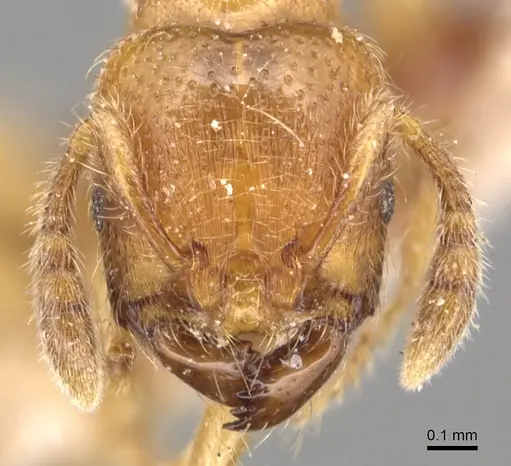
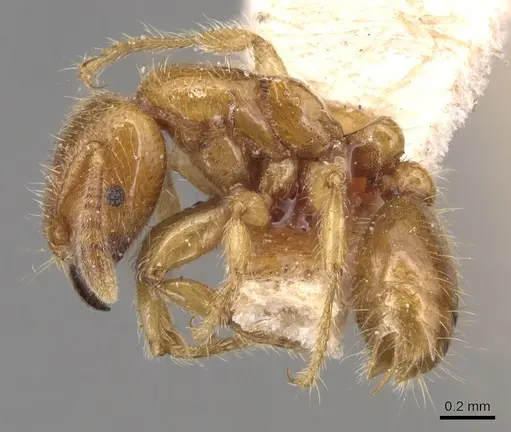
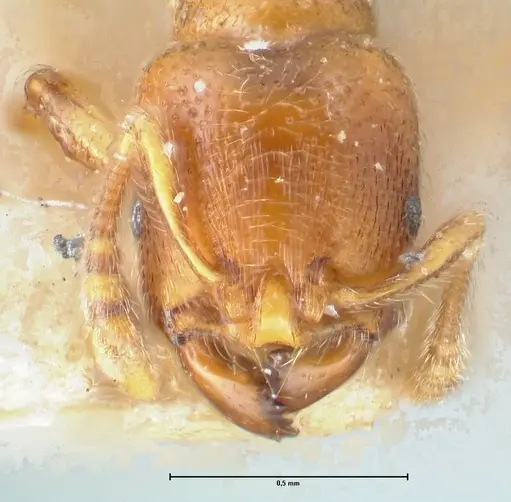
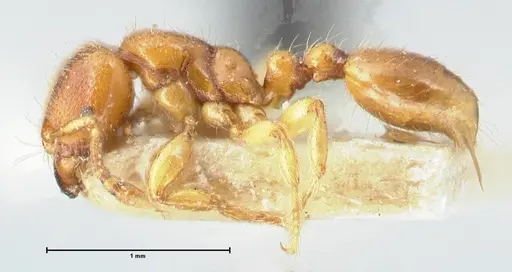
CASENT0904544
View on AntWeb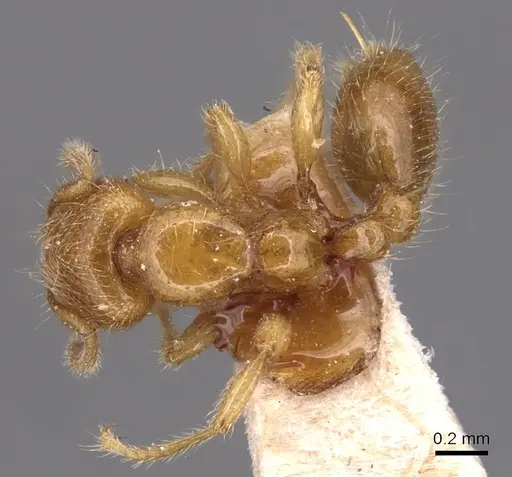
CASENT0904547
View on AntWeb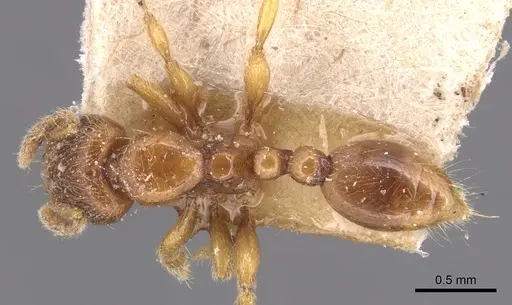
CASENT0908657
View on AntWeb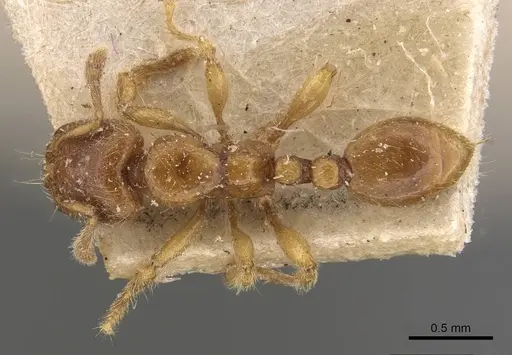
FOCOL1661
View on AntWeb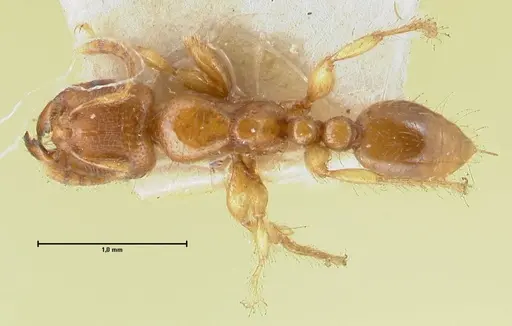
FOCOL1662
View on AntWeb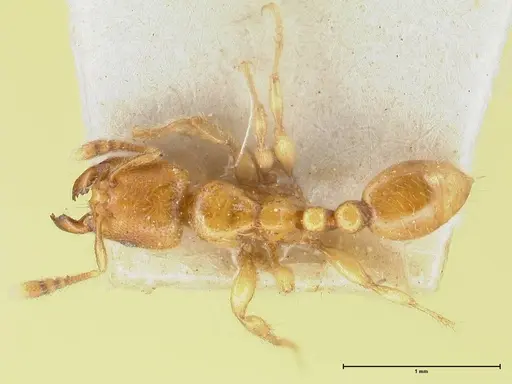
FOCOL1663
View on AntWeb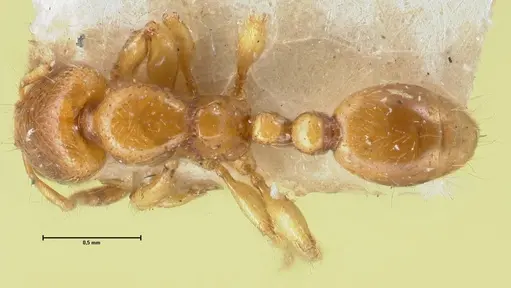
Literature
Loading...Loading products...