

Vitsika producta
- Scientific Name
- Vitsika producta
- Tribe
- Crematogastrini
- Subfamily
- Myrmicinae
- Author
- Bolton & Fisher, 2014
- Distribution
- Found in 1 countries
Vitsika producta Overview
Vitsika producta is an ant species of the genus Vitsika. It is primarily documented in 1 countries , including Madagascar. Detailed taxonomic data and occurrence records can be further explored via authoritative databases such as AntWeb or the Global Biodiversity Information Facility (GBIF).
Vitsika producta
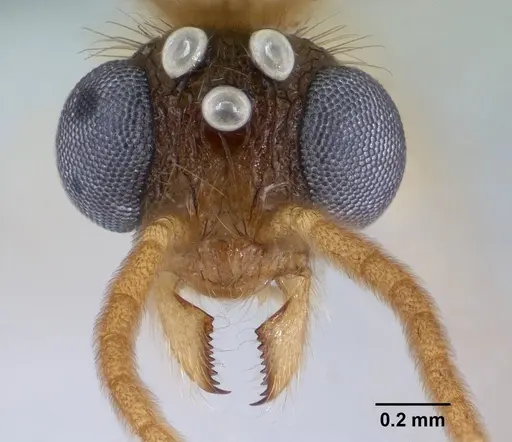
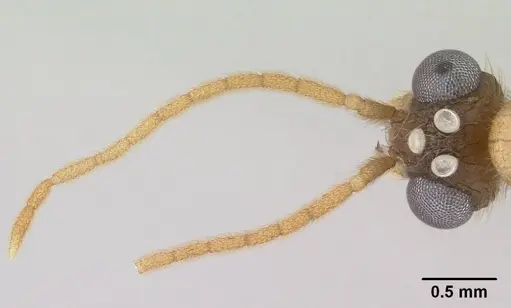
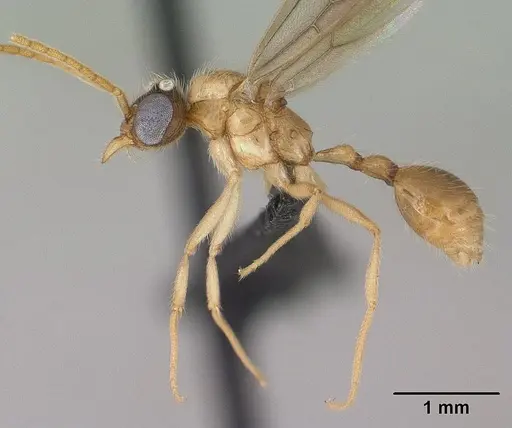
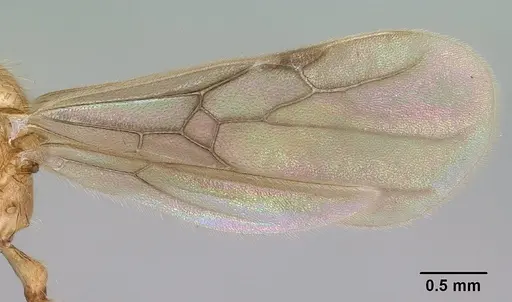
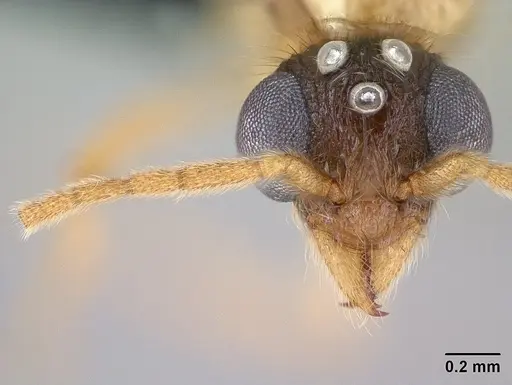
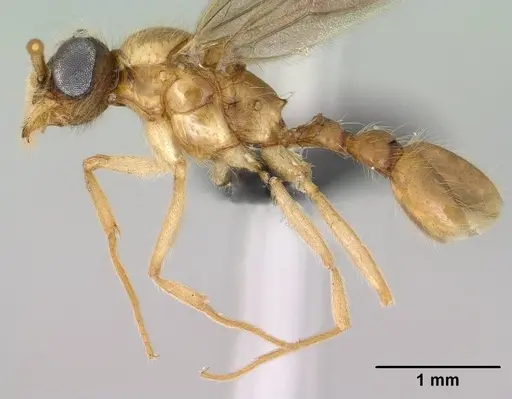
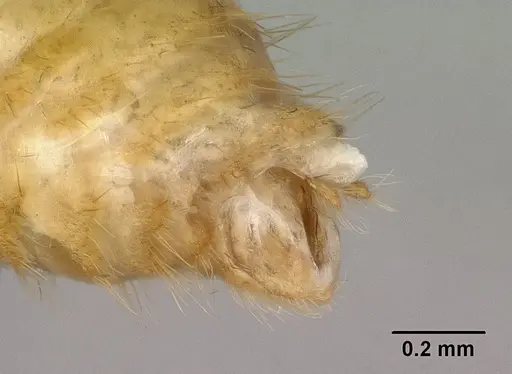
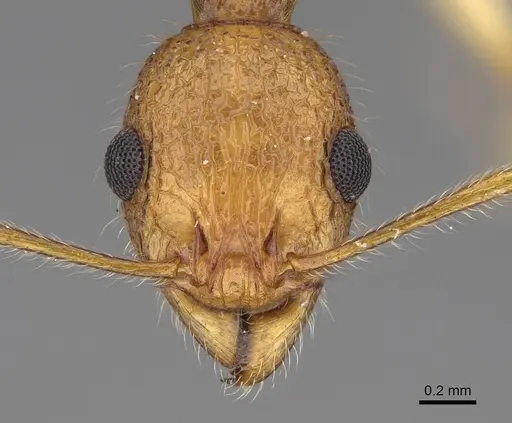
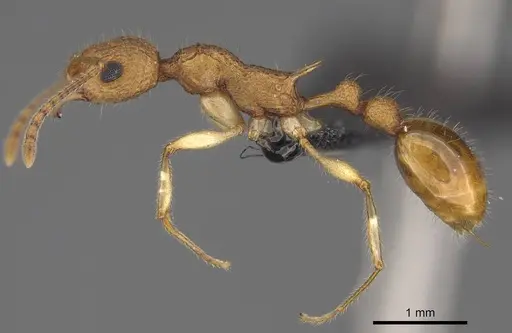
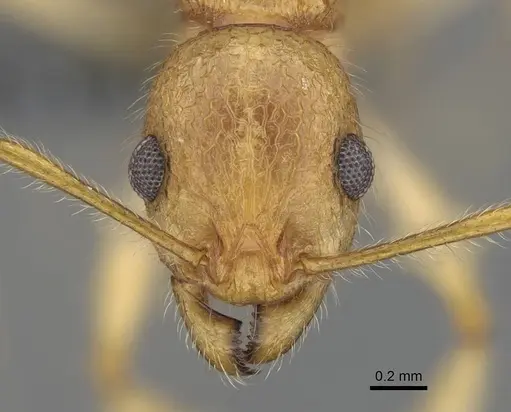
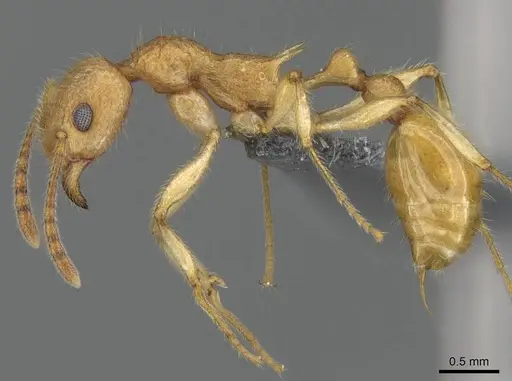
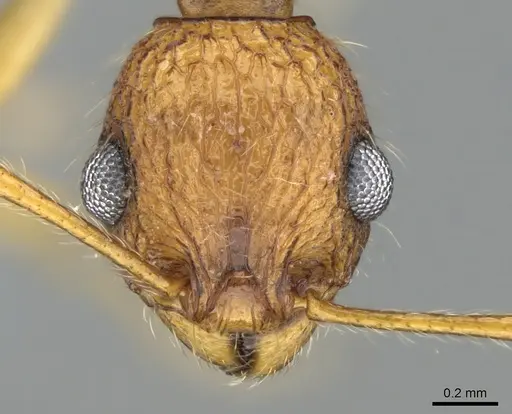
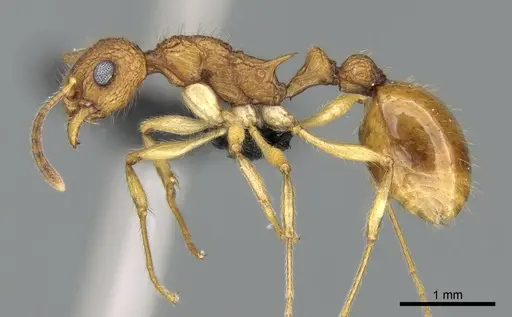
Vitsika producta is a small ant species native to Madagascar, belonging to the Myrmicinae subfamily. Workers measure 4.5-5.3mm and have a distinctive appearance with a uniform yellow to light brown coloration. They feature notably long antennae with a 4- or 5-segmented club, and their eyes are large and strongly convex, creating a dome-like appearance that interrupts the side profile of the head. The antennal scapes are relatively long (SI 115-129), and they have long, slender propodeal spines. These ants inhabit rainforest environments in Madagascar, where they forager in leaf litter, rotten logs, and ascend low vegetation [1].
A notable trait of this species is the presence of ergatoid queens, wingless reproductive females that develop from workers rather than being distinct, winged queens. This is relatively uncommon in ants and affects how colonies function. The colony structure appears to involve single functional queens with ergatoid replacement reproductives possible [1].
Quick Summary
- Difficulty: Medium
- Origin & Habitat: Madagascar, found in littoral rainforest and rainforest habitats at low elevations (around 20m). They nest in rotten logs and leaf litter, and forage by ascending low vegetation [1][2].
- Colony Type: Likely monogyne with ergatoid replacement reproductives. The species has ergatoid (wingless) queens documented, which can serve as replacement reproductives if the primary queen dies. This is different from polygyny, the colony has one functional queen but may have ergatoid replacements available [1].
- Colony: Monogyne
- Size & Growth:
- Queen: 5.2mm (ergatoid queen), note this is a wingless reproductive female, not a typical winged queen [1]
- Worker: 4.5-5.3mm [1]
- Colony: Unknown, no published colony size data available
- Growth: Unknown, no development timing studies exist for this species
- Development: Unknown, no direct studies on development time. Based on typical Myrmicinae patterns in tropical rainforest species, estimate 4-8 weeks at optimal temperature, but this is an educated guess. (No published data on egg-to-worker development. Related Crematogastrini species suggest several weeks to a couple months. Temperature will significantly affect development speed.)
- Antkeeping:
- Temperature: Keep at 24-28°C as a starting point. This is a tropical rainforest species from Madagascar, so they expect warm, stable conditions. Adjust based on colony activity, if workers seem sluggish, increase slightly, if they avoid the heated area, reduce. Use a heating cable on one side of the nest to create a gentle gradient.
- Humidity: High humidity is essential, these ants come from rainforest leaf litter and rotten logs. Keep the nest substrate consistently moist but not waterlogged. The substrate should feel damp to the touch, with some slightly drier areas available for the ants to choose. Mist occasionally but rely on substrate moisture rather than fixed schedules.
- Diapause: No, this is a tropical species from Madagascar. They do not experience cold winters and should not be hibernated. Maintain warm conditions year-round.
- Nesting: In captivity, they do well in naturalistic setups with moist substrate (like a dirt colony or plaster nest). Their natural habitat is rotten logs and leaf litter, so they prefer tight, humid chambers. Y-tong nests can work but monitor humidity closely. Given their small size (under 5mm), ensure escape prevention is adequate, they can squeeze through small gaps.
- Behavior: These are relatively calm, non-aggressive ants. They forager actively, ascending vegetation in the wild, which means they will explore their outworld actively. Workers are moderately sized at 4.5-5.3mm and should be visible during foraging. They are likely generalist foragers, collecting honeydew and small prey. Escape risk is moderate, their small size means they can escape through gaps that seem too small, so use fine mesh barriers and tight-fitting lids. They do not have a functional stinger (Myrmicinae), but may bite if threatened.
- Common Issues: high humidity maintenance is critical, too dry and colonies will fail, but too wet causes mold issues, escape prevention must be excellent due to their small size, they can squeeze through tiny gaps, no published care information means keepers are essentially pioneering captive husbandry, tropical species requires year-round warmth, room temperature may be insufficient in cooler climates, ergatoid queen system means colony reproduction may differ from typical ants, don't expect nuptial flights
Housing and Nest Setup
Vitsika producta does well in naturalistic setups that replicate their natural habitat in Madagascar's rainforests. A dirt colony or plaster nest with moist substrate works well, these ants naturally nest in rotten logs and leaf litter, so they appreciate humid conditions with tight chambers. The nest material should retain moisture well but not become waterlogged. Given their small worker size (4.5-5.3mm), use chambers scaled appropriately, not too large or open. The outworld should allow for active foraging, as these ants ascend vegetation in the wild. Escape prevention is important, their small size means they can escape through surprisingly small gaps. Use fine mesh on any ventilation and ensure all connections are tight. A water tube attached to the nest helps maintain humidity over time. [1][2]
Feeding and Diet
Based on their genus placement in Crematogastrini and their foraging behavior (ascending low vegetation), these ants are likely generalist foragers that collect honeydew from aphids and scale insects, plus small arthropods. In captivity, offer sugar water or honey as an energy source, and provide small protein sources like fruit flies, small mealworms, or other tiny insects. Live prey is likely preferred given their active foraging style. Feed protein 2-3 times per week and keep a sugar source available constantly. Remove uneaten prey after 24-48 hours to prevent mold. Start with small prey items and adjust based on what the colony accepts. The exact dietary preferences of this species have not been studied, so some experimentation may be needed. [1]
Temperature and Seasonal Care
As a tropical rainforest species from Madagascar, Vitsika producta requires warm conditions year-round. Maintain temperatures in the 24-28°C range. Unlike temperate species, they do not require hibernation or cooling periods. Use a heating cable on one side of the nest to create a gentle temperature gradient, allowing ants to regulate by moving between areas. Monitor colony activity, if workers become sluggish and cluster near heat, the temperature is appropriate. If they avoid the heated area entirely, reduce heat. Room temperature alone may be insufficient in cooler climates or air-conditioned spaces. Avoid temperature fluctuations and drafts. These ants are adapted to stable tropical conditions, so consistency matters more than exact numbers. [1]
Colony Structure and Reproduction
A unique aspect of Vitsika producta is their ergatoid queen system. Instead of producing large, winged queens that fly away to start new colonies, they have ergatoid queens, wingless reproductive females that develop from the worker caste. These ergatoids have larger eyes than workers but lack ocelli (simple eyes), and their mesosoma and gaster are broader. Ergatoid queens can serve as replacement reproductives if the primary queen dies, which is a form of internal succession that helps the colony survive. This means you may not see dramatic nuptial flights like typical ants. Instead, new reproductives may emerge within the existing colony. The colony is likely functionally monogyne (one egg-laying queen) but has backup reproductives available. This system is different from polygyny, where multiple queens actively lay eggs together. [1]
Behavior and Temperament
Vitsika producta workers are active foragers that will explore their outworld regularly. They are not particularly aggressive and are likely to flee rather than attack when disturbed. Their large, convex eyes suggest they may rely more on vision than some other ant species, which is interesting given they ascend vegetation while foraging, this visual capability may help them navigate in the forest understory. Workers measure 4.5-5.3mm, making them small but visible. They do not possess a functional stinger (Myrmicinae lack stingers, though they can bite), so they pose no danger to keepers. Their small size does mean escape prevention must be excellent, they can squeeze through gaps that seem impossibly small. Overall, they are a calm, active species suitable for observation. [1]
Frequently Asked Questions
How long does it take for Vitsika producta to produce first workers?
The exact development time is unknown, no studies have measured egg-to-worker development for this species. Based on typical Myrmicinae patterns for tropical rainforest species, expect roughly 4-8 weeks at optimal temperature (around 26°C). However, this is an estimate, and actual timing may vary. Patience is key, especially since this species has limited captive history.
Can I keep multiple Vitsika producta queens together?
This species appears to be functionally monogyne with ergatoid replacement reproductives. The ergatoid system means replacement queens develop within the colony, not that multiple queens actively reproduce together. Combining unrelated foundress queens has not been documented and is not recommended, it's better to start with a single colony.
Do Vitsika producta ants sting?
No, Vitsika producta belongs to the Myrmicinae subfamily, which does not have functional stingers. They may bite if threatened, but this poses minimal risk to keepers. Their defense is primarily escape and avoidance.
What do Vitsika producta ants eat?
They are likely generalist foragers. Offer sugar water or honey as an energy source, plus small protein sources like fruit flies, small mealworms, or other tiny insects. Based on their foraging behavior (ascending vegetation), they probably collect honeydew from sap-sucking insects in the wild. Experiment with different prey items to see what your colony accepts.
Are Vitsika producta good for beginners?
This is a moderate-difficulty species. The main challenges are maintaining high humidity (critical for this rainforest species), providing adequate escape prevention due to their small size, and the lack of published care information, you'll be pioneering their captive husbandry. If you're experienced with tropical Myrmicinae and comfortable with experimental care, this can be a rewarding species to keep.
Do Vitsika producta need hibernation?
No, they are a tropical species from Madagascar and do not require hibernation. Keep them warm year-round (24-28°C). Attempting to cool them would likely stress or kill the colony. Maintain consistent tropical conditions.
How big do Vitsika producta colonies get?
The maximum colony size is unknown, no published data exists on colony size for this species. Given their small worker size (4.5-5.3mm) and the rainforest leaf-litter habitat, colonies are likely moderate in size, possibly in the hundreds. Related Crematogastrini species often form colonies of several hundred to a few thousand workers.
Why is my Vitsika producta colony dying?
The most likely causes are: humidity too low (rainforest species need consistently moist conditions), temperature too cool (they need 24-28°C), or escape-related losses (their small size means they can escape easily). Check your humidity levels, ensure heating is adequate, and inspect all enclosures for tiny gaps. Also ensure food is being consumed, if not, try different prey items.
When should I move Vitsika producta to a formicarium?
Wait until the colony has at least 20-30 workers before considering a move. They do well in naturalistic setups with moist substrate, a dirt colony or plaster nest works well. If using a test tube setup, ensure the cotton remains damp and the colony has space to expand. Moving too early can stress the colony.
References

This caresheet is licensed under CC BY-SA 4.0 .
CASENT0138642
View on AntWeb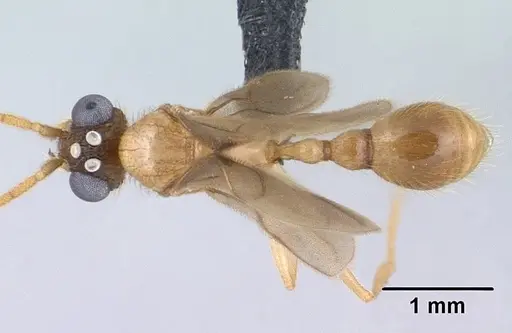
CASENT0143821
View on AntWeb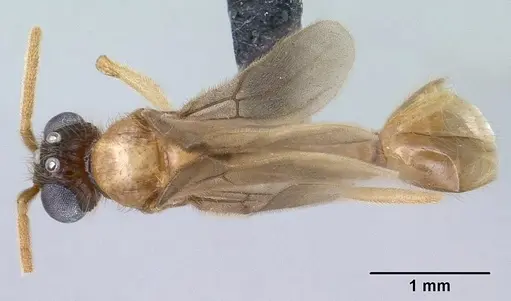
CASENT0161774
View on AntWeb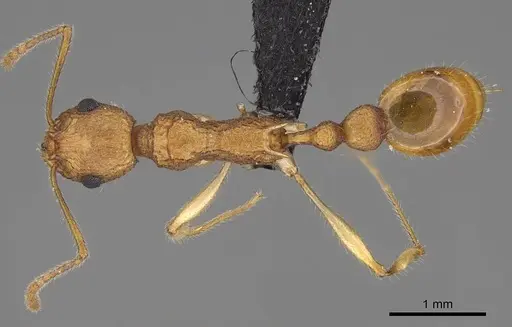
CASENT0344920
View on AntWeb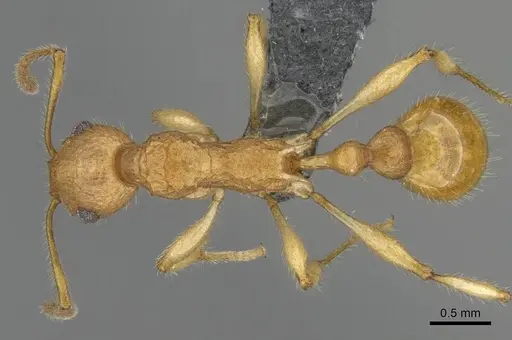
CASENT0495050
View on AntWeb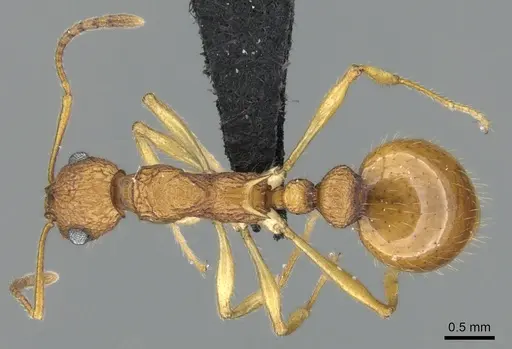
Literature
Loading...Loading products...